
Planting
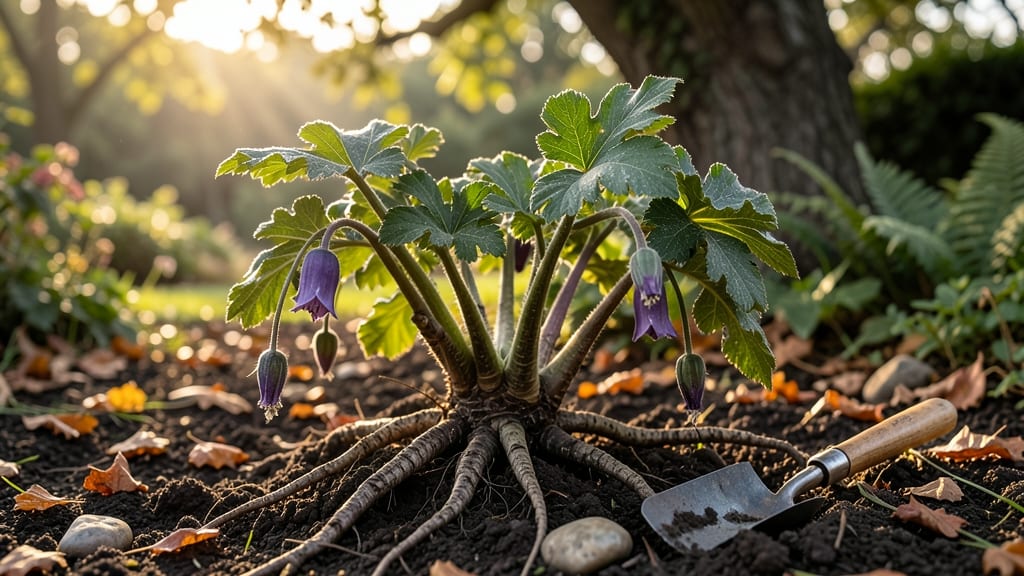
Growing the devil's flower (Mandragora officinarum) means cultivating one of history's most dramatic plants—those striking, lantern-like blooms that glow in twilight. 🌙 I first saw one in a moonlit garden, its purple petals shimmering like stained glass, and I knew I had to bring its magic into my own space.
This isn't just a plant; it's a conversation starter, a living piece of folklore, and a test of patience for those who love bold, unusual specimens.
The devil's flower thrives in partial shade with well-draining soil that mimics its Mediterranean roots, though it tolerates indoor conditions near bright windows. You'll need a 5-gallon pot for container growing or a sheltered garden bed for outdoor planting—just avoid heavy clay soils that smother its roots.
Water sparingly; these plants store moisture like little desert survivors, and overwatering is their #1 enemy.
What you'll get is a plant that rewards your care with unexpected blooms—often in late summer or early fall when most gardens have gone quiet.
The flowers are dramatic enough to anchor a dark corner, and the plant's gnarled roots (yes, they look like tiny humans) add a whimsical touch to containers. Just be warned: these aren't for impatient gardeners; they take 2-3 years to mature and bloom reliably.
Legal note: While not illegal in most places, Mandragora has a long history of superstition—some cultures still treat it with caution. Always research local regulations before planting, and never consume any part of this striking (but toxic) beauty. Ready to grow something extraordinary?
📚 In This Guide
- What you need
- Instructions
- Tips and common mistakes
- Wrapping up and next steps
What you need
- ● Devil’s Flower Plant: 1-3 mature Mandevilla plants (varieties like M. sanderi or M. boliviana for vibrant blooms). OR 1-2 seedlings (if starting from seed—note: slower growth!).
- ● Well-draining potting mix: 5-10 lbs of a blend like 60% peat/coco coir, 30% perlite/pumice, 10% orchid bark (for containers). For in-ground planting, amend soil with compost + sand (1:1 ratio).
- ○ Containers (if potted): 1-2 12-18 inch pots with drainage holes (terracotta or fabric pots ideal). Optional: Self-watering pots for low-maintenance care.
- ● Fertilizer: Balanced 10-10-10 or 20-20-20 liquid fertilizer (diluted to half-strength). Slow-release granules (e.g., Osmocote) for seasonal feeding.
- ● Support structure: 1 trellis, cage, or bamboo stake (3-6 ft tall, depending on variety). OR a sturdy wall-mounted hook system for climbing.
- ● Gloves (nitrile or leather—Mandevilla sap can irritate skin!).
- ● Pruning shears (sterilized with rubbing alcohol).
- ● Trowel (for transplanting or in-ground planting).
- ● Watering can with a rose nozzle (for gentle hydration).
- ● Mulch (2-3 inches of pine bark or shredded leaves to retain moisture).
- ○ Optional (but helpful!): pH test kit (ideal soil pH: 6.0–7.0).
- ● Grow lights (LED, full-spectrum) for indoor setups.
- ● Humidity tray or pebble tray (if indoors in dry climates).
Step-by-Step instructions for cultivating Devil's flower plants
Here’s how to grow these striking plants with minimal fuss—bold blooms are just weeks away.
🌱 Step 1: Select the Right Devil’s Flower Variety and Location
Devil’s flower (Ruellia brittoniana) thrives in full sun to partial shade, making it perfect for containers, borders, or even hanging baskets. Choose a variety that suits your climate—some tolerate drought once established, while others prefer consistent moisture. I always opt for the classic purple-bracted types, but white or pink varieties add soft contrast.
This plant loves well-draining soil—sandy loam works best, but amending heavy soil with perlite or coarse sand prevents root rot. If planting outdoors, pick a spot with 6+ hours of sunlight daily for the most vibrant bracts. For containers, ensure pots have drainage holes to avoid soggy roots.
☀️ Step 2: Plant at the Correct Depth and Spacing
Devil’s flower grows best when planted 12-18 inches apart—crowding leads to leggy stems and fewer blooms. Dig a hole twice as wide as the root ball but only as deep as the container it came in. Gently loosen the roots if they’re circling, then place the plant so the top of the root ball sits level with the soil surface (burying too deep suffocates the stem).
Fill the hole with native soil, pressing lightly to remove air pockets. Water deeply immediately after planting to settle the soil and encourage root contact. If using containers, choose 5-7 inch pots for single plants or 12+ inch pots for multiple stems. Mulch with 2-3 inches of organic mulch (like shredded bark) to retain moisture and regulate soil temperature.
💧 Step 3: Water and Fertilize for Vibrant Growth
Devil’s flower is drought-tolerant once established, but young plants need consistent moisture—water 1-2 inches per week during the first growing season. Let the top 1-2 inches of soil dry out between waterings to prevent fungal issues. Overwatering is the fastest way to kill these plants, so always check soil moisture before watering.
Feed with a balanced, slow-release fertilizer (10-10-10) at half-strength every 4-6 weeks during the growing season. Too much nitrogen leads to lush foliage but fewer blooms—what you want are bold bracts, not green leaves. I also add a handful of bone meal at planting time for extra phosphorus, which boosts flowering.
✂️ Step 4: Prune for Bushier Growth and Longer Blooms
Pruning isn’t just about shaping—it’s about encouraging more blooms. Pinch back the tips of new growth when stems reach 4-6 inches tall to promote branching. This ensures a fuller, bushier plant with more flower stalks. Deadhead spent blooms regularly to redirect energy into new flowers—simply snip the stem just above a set of leaves with clean pruners.
In late winter or early spring, give the plant a harder prune by cutting back one-third of the oldest stems to the ground. This rejuvenates the plant and prevents woody, unproductive growth. Wear gloves—some varieties have slightly prickly stems when new growth emerges.
🪴 Step 5: Overwinter for Year-Round Blooms
Devil’s flower is perennial in USDA zones 8-11, but it needs protection in colder climates. In zones 7 and below, dig up potted plants or mound 4-6 inches of mulch around the base before the first frost. Bring containers indoors to a cool, bright spot (like a garage or sunroom) where temperatures stay above 40°F. Reduce watering to once every 2-3 weeks during dormancy.
In spring, resume normal care. If you notice yellowing leaves after overwintering, it’s a sign of transplant shock—give the plant a few weeks to adjust before fertilizing. With proper care, your Devil’s flower will reward you with year-round blooms, even in winter’s chill.
Tips & tricks for perfect Devil's flower cultivation
Here's what nobody tells you about growing these bold beauties—small details that make all the difference between a struggling plant and a showstopper.
Lighting Strategy: While Devil's flower thrives in full sun to partial shade, I've found the sweet spot is actually 6-8 hours of direct sunlight daily—just enough to fuel vibrant bracts without scorching delicate foliage. In hotter climates, provide afternoon shade to prevent leaf burn, especially during peak summer months when temperatures exceed 90°F. Position containers where they can be easily moved if needed.
Soil Science: The devil's in the details when it comes to soil—literally! While sandy loam is ideal, I always recommend adding 10-20% perlite or coarse sand to any native soil to create that perfect well-draining environment. For container growing, mix in 20% coconut coir or peat moss to retain some moisture while preventing compaction. The key is mimicking their native habitat's loose, airy soil structure.
Pruning Precision: When pinching back new growth at 4-6 inches tall (as mentioned in Step 4), use your thumb and forefinger rather than sharp pruners to avoid damaging tender stems. This gentle pinching encourages branching while maintaining plant health. For the late winter prune, I recommend cutting back stems at a 45-degree angle just above a leaf node—this creates a larger surface area for new growth to emerge.
Winter Survival Hack: In zones 7 and below, I've had the most success overwintering potted Devil's flowers by moving them to a garage with a south-facing window rather than a dark basement. The natural light helps prevent leggy growth, and I've found that maintaining temperatures just above 40°F (as specified) works best when combined with 50% humidity levels—use a small humidifier if needed. This approach keeps plants healthier through dormancy.
Pro Tips for The Devil'S Flower Plant
- Here's what nobody tells you about growing these bold beauties—small details that make all the difference between a struggling plant and a showstopper.
- In hotter climates, provide afternoon shade to prevent leaf burn, especially during peak summer months when temperatures exceed 90°F.
- Soil Science: The devil's in the details when it comes to soil—literally!
Frequently asked questions
Got questions about growing The Devil’s Flower (Mandevilla spp.)? You’re not alone!
Here are the most common concerns—and how to tackle them like a pro.
Is The Devil’s Flower toxic to pets or humans?
The Devil’s Flower contains mild toxins called cardiac glycosides, which can cause stomach upset if ingested in large amounts. Keep it out of reach of pets and kids! Symptoms like drooling, vomiting, or lethargy? Contact a vet or poison control immediately.
How fast does The Devil’s Flower grow, and when will it bloom?
This tropical beauty grows 12–24 inches per year with proper care! With ideal conditions (bright, indirect light and consistent warmth), you can expect vibrant blooms in 6–12 months. Prune leggy stems to encourage bushier growth and more flowers.
Why are my Devil’s Flower leaves yellowing or dropping?
Yellow leaves usually signal overwatering or poor drainage. Let the top inch of soil dry out between waterings, and ensure the pot has drainage holes. Brown, crispy leaves? That’s often underwatering or low humidity—mist the plant or place it on a pebble tray.
Can The Devil’s Flower survive winter indoors?
Yes! These plants are tender perennials but thrive indoors year-round with bright, indirect light (south or west-facing windows are ideal). Reduce watering in winter—let soil dry slightly more between waterings. Avoid drafts or cold windows.
What’s a good alternative if I can’t grow The Devil’s Flower?
If you’re dealing with low-light conditions or chilly climates, try these stunning vining plants:
- Passionflower (Passiflora) – Hardy and drought-tolerant.
- String of Hearts (Ceropegia woodii) – Thrives in shade and trails beautifully.
- Jasmine (Trachelospermum jasminoides) – Fragrant and cold-hardy.
Wrapping up and next steps
The Devil's Flower Plant (Mandevilla) is a stunning, low-maintenance addition to any garden, offering vibrant blooms and year-round beauty with the right care.
Whether you're a seasoned gardener or a beginner, its adaptability makes it a rewarding plant to grow—just remember to balance sunlight, water, and soil for the best results.
Ready to bring bold color to your space? Start by gathering your supplies, then plant with confidence! Next up: Choose your favorite Mandevilla variety and get ready to enjoy its dramatic, tropical allure. 🌸✨