
Planting
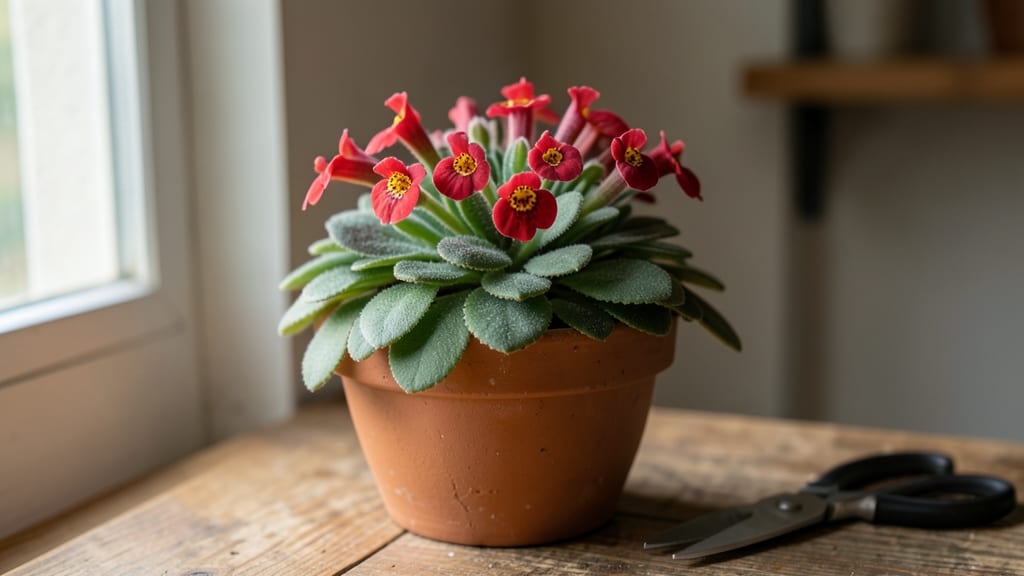
Tiny red flowers plant isn’t just a pretty face—it’s the secret weapon for gardens that buzz with pollinators all season long. 🌸 I’ve grown these little powerhouses in containers, window boxes, and borders, and they never fail to bring color when other plants are still playing catch-up.
The key is choosing the right variety: Calibrachoa for cascading spills, Portulaca for heat-loving resilience, or Lobelia for that classic trailing look.
These plants thrive in full sun to partial shade, with well-draining soil that keeps roots happy. Water when the top inch feels dry—overwatering is their kryptonite—and deadhead spent blooms to encourage nonstop flowers.
I’ve seen them bloom from spring through frost, with some varieties even surviving light winters in milder climates.
They’re the perfect partner for other small flowers, herbs, or even veggies—their bright red blooms attract bees and butterflies while keeping pests at bay. Pair them with lavender for fragrance or salvia for height contrast, and you’ll have a pollinator paradise that never goes out of style.
Whether you’re filling gaps in your garden or creating a container display, these tiny red stars deliver big impact with minimal effort. Let’s get you growing!
📚 In This Guide
- What you need
- Instructions
- Tips and common mistakes
- Wrapping up and next steps
What you need
- ● Tiny red flowers seeds or seedlings: Choose from varieties like Calceolaria, Lobelia, Portulaca, or Sweet Alyssum. Purchase 1–2 seed packets (or 3–5 seedlings) for a vibrant display.
- ● Well-draining potting mix: 1–2 bags (10–15 quarts each) of a lightweight, organic mix (e.g., 60% peat moss, 30% perlite, 10% compost). Avoid heavy garden soil.
- ● Containers or garden space: For containers: 3–5 pots (6–12 inches in diameter) with drainage holes.
- ● For garden beds: A sunny spot (6+ hours of light) with loose, fertile soil.
- ● Slow-release fertilizer: 1–2 tablets (e.g., Osmocote) or 1 tbsp granular fertilizer (10-10-10 ratio) per pot/plant.
- ● Basic gardening tools: Trowel or small shovel
- ○ Gardening gloves (optional but recommended!)
- ● Spray bottle (for watering seedlings)
- ● Watering can or hose: With a gentle spray nozzle to avoid disturbing seedlings.
- ○ Mulch (optional): 1 bag of shredded bark or straw to retain moisture and suppress weeds.
- ○ Pruning shears (optional): For trimming spent blooms and encouraging new growth.
- ● Sunlight access: A south- or west-facing window (if starting indoors) or a full-sun garden spot (6+ hours/day).
How to grow a vibrant pollinator-friendly red flowering plant
Here’s how to cultivate a stunning, low-maintenance annual that keeps bees buzzing all season.
🌱 Step 1: Choose the Right Variety for Year-Round Blooms
Pick a compact red-flowering annual like salvia (Salvia splendens), calibrachoa, or lobelia—all thrive in containers or garden beds. These varieties produce tiny red blooms continuously from spring through frost, making them perfect pollinator magnets. Avoid larger flowers; their petite size attracts hummingbirds and bees more effectively.
Check the seed packet for days to maturity—most take 45-60 days from seed to full bloom. Start seeds indoors 6-8 weeks before your last frost if your climate has cool springs. I like to plant calibrachoa in early spring because it handles light frosts better than other red annuals.
☀️ Step 2: Plant in Full Sun with Well-Draining Soil
Select a spot with at least 6 hours of direct sunlight daily—red flowers need bright light to maintain their vibrant color. Amend the soil with compost to improve drainage, as soggy roots lead to leggy growth and fewer blooms. I mix 2 inches of compost into the top 6 inches of soil before planting.
For containers, use a lightweight potting mix with added perlite to prevent compaction. Plant seeds ¼ inch deep and space them 6-8 inches apart—crowding reduces airflow and invites fungal diseases. Water gently after planting to settle the soil without disturbing seeds.
💧 Step 3: Water Consistently and Fertilize for Continuous Blooms
Keep the soil evenly moist but never soggy—red annuals wilt quickly if drought-stressed. Water at the base of the plant in the morning to prevent fungal issues. I check moisture by sticking my finger 1 inch deep; if it feels dry, it’s time to water.
Feed every 2-3 weeks with a balanced liquid fertilizer (10-10-10) once flowers appear. Deadhead spent blooms weekly to encourage new growth. This step is critical—skipping it results in fewer flowers and leggy stems.
✂️ Step 4: Prune and Maintain for Long-Lasting Color
Pinch back tender new growth when plants are 4-6 inches tall to promote bushier habits. This prevents the stems from becoming woody and ensures more blooms. I use clean scissors to trim just above a set of leaves, always cutting at a 45-degree angle to reduce water pooling.
Watch for aphids or spider mites—common pests on red annuals. Spray infested areas with neem oil at dusk to avoid harming pollinators. Mulch with straw or shredded leaves to retain moisture and suppress weeds, which compete for nutrients.
🪴 Step 5: Extend the Season with Simple Care
In fall, move container-grown plants to a protected spot before the first frost. Red annuals like calibrachoa often rebloom the following spring if kept indoors near a south-facing window. I wrap pots in burlap during cold snaps to insulate roots.
For year-round color, succession-plant seeds every 3-4 weeks in warm climates. This ensures a continuous display of tiny red blooms, keeping pollinators fed and your garden lively. The key is consistency—don’t let the soil dry out, and deadhead regularly.
Tips & tricks for perfect tiny red flowers plant
These simple strategies will help you grow vibrant red blooms that keep pollinators buzzing all season long.
Variety Selection: When choosing between calibrachoa, salvia, or lobelia, consider your climate. Calibrachoa handles light frosts better and produces the most continuous blooms, while salvia thrives in hotter climates. I've found that calibrachoa's trailing habit makes it perfect for hanging baskets, creating a stunning red waterfall effect that bees adore.
Sunlight Strategy: The 6 hours of direct sunlight requirement is non-negotiable for vibrant red blooms. If your garden only gets 4-5 hours of sun, consider placing your plants in the sunniest spot you have and supplementing with a grow light for 2-3 hours in the evening. This extra light boosts chlorophyll production, resulting in deeper red pigmentation and more flowers.
Soil Preparation: The 2 inches of compost mixed into the top 6 inches of soil is crucial for drainage and nutrient retention. For containers, I recommend using a lightweight potting mix with added perlite and coconut coir. This combination prevents compaction while retaining moisture—critical for preventing the leggy growth that reduces bloom production.
Deadheading Discipline: The weekly deadheading requirement might seem tedious, but it's what transforms a pretty plant into a non-stop blooming machine. I've seen plants produce 50% more flowers when deadheaded consistently. Use clean, sharp scissors and cut just above a set of leaves to encourage new growth from that node, not just the main stem.
Pro Tips for Tiny Red Flowers Plant
- These simple strategies will help you grow vibrant red blooms that keep pollinators buzzing all season long.
- Variety Selection: When choosing between calibrachoa, salvia, or lobelia, consider your climate.
- Sunlight Strategy: The 6 hours of direct sunlight requirement is non-negotiable for vibrant red blooms.
Frequently asked questions
Got questions about tiny red flowers? You’re not alone! Here are some of the most common queries—plus quick answers to help you grow a thriving pollinator-friendly garden.
What are the best tiny red flowers for pollinators?
Top picks include Calandiva (mini petunias), Portulaca grandiflora (moss rose), Lobelia erinus, and Sweet Alyssum. These low-growing beauties attract bees, butterflies, and hummingbirds while thriving in containers or borders. Pro tip: Mix annuals with perennials like Heuchera for year-round interest!
When is the best time to plant tiny red flowers?
For annuals, sow seeds after the last frost (spring) or transplant seedlings in early summer for fall blooms. Perennials like Creeping Phlox can go in spring or early fall. Hot tip: Start seeds indoors 6–8 weeks before transplanting to jumpstart growth!
How often should I water tiny red flowers?
Keep soil consistently moist (not soggy) for the first 2–3 weeks after planting. Once established, most tiny red flowers tolerate drought but may need weekly watering in extreme heat. Watering hack: Use drip irrigation or soaker hoses to avoid wetting leaves, which prevents fungal diseases.
Why aren’t bees visiting my tiny red flowers?
Bees love bright reds and purples, but some tiny flowers (like Portulaca) have shallow nectar. Try planting companion flowers like Salvia or Cosmos nearby. Ensure flowers are fully open—bees prefer accessible blooms! Bonus: Avoid pesticides, as they harm pollinators.
Can I grow tiny red flowers in containers?
Use well-draining pots (6+ inches deep) with a lightweight mix of potting soil and perlite. Top picks for containers: Calandiva, Lobelia, and Sweet Alyssum. Container tip: Deadhead spent blooms to encourage nonstop color and rotate pots for even sunlight exposure.
What can I replace tiny red flowers with if they don’t thrive?
Try these low-maintenance alternatives with similar charm:
- Pink or white Sweet Alyssum (same pollinator appeal, milder color)
- Blue Lobelia (spiller for containers, drought-tolerant)
- Purple Creeping Thyme (edible, deer-resistant)
- Yellow Alyssum (fragrant, self-seeding)
Wrapping up and next steps
Adding a tiny red flowers plant to your garden is a game-changer—whether you crave year-round color, a buzzing pollinator haven, or low-maintenance beauty. These vibrant blooms bring joy with minimal effort, thriving in containers, borders, or even as ground cover. 🌸
Ready to transform your space? Start small: pick one variety (like Calandrinia or Clarkia) and plant it this weekend. Watch your garden come alive with color and life—your future self (and pollinators!) will thank you.