
Vegetables
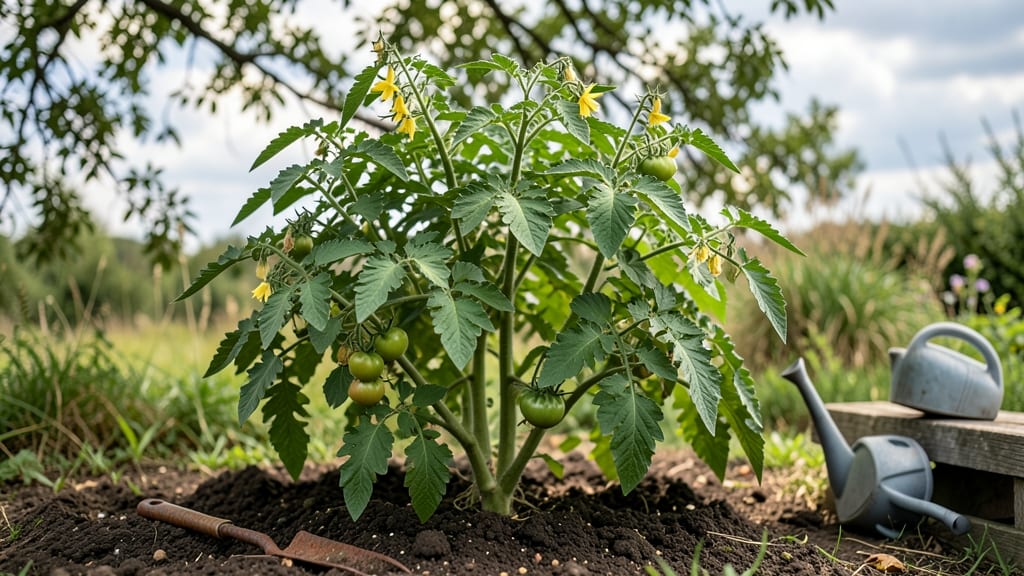
That first blush of tomato flowers turning into plump fruit is where the real magic happens—and it’s all about pollination. I’ve spent years watching my blossoms either set fruit or just drop away, and the difference comes down to understanding how tomatoes really pollinate.
It’s not just about bees buzzing around; temperature, humidity, and even your pruning choices play starring roles.
The process starts with those tiny yellow flowers opening in the morning, releasing pollen that needs to land on another flower’s stigma to trigger fruit development.
In greenhouses or cloudy weather, you might need to step in with a soft paintbrush or even just a gentle shake to help nature along.
Too much heat or stress, though, and flowers will abort before setting fruit—something I learned the hard way after a 95-degree day wiped out an entire plant’s blooms.
With the right conditions—steady watering, balanced fertilizer, and proper airflow—you’ll see those flowers swell into juicy, vine-ripened tomatoes in just 4-6 weeks. The key is consistency: prune aggressively to focus energy on fruit, avoid overwatering, and watch for pests that disrupt pollinators. Even in small spaces, these techniques work.
Whether you’re growing in containers, raised beds, or a backyard plot, the principles stay the same. Let’s break down how to turn every flower into a harvest-worthy fruit—no wasted blooms allowed.
📚 In This Guide
- What you need
- Instructions
- Tips and common mistakes
- Wrapping up and next steps
What you need
- ● Tomato plants: Healthy, flowering varieties (e.g., cherry, beefsteak, or heirloom). Quantity: 1–5 plants, depending on your garden size.
- ● Pollination tool: Paintbrush or cotton swab: Soft-bristled for gentle flower handling.
- ○ Small hand-held vacuum: Optional but effective for large-scale gardens.
- ● Watering can or hose: With a fine mist setting (avoid soaking flowers).
- ● Pruning shears: Sharp, clean pair for trimming excess foliage (sterilize with rubbing alcohol).
- ○ Gloves (optional): Lightweight gardening gloves to protect hands from thorns or sap.
- ● Pollinator attractants: Beeswax or honey (dab a tiny amount on flowers to mimic nectar).
- ● Companion plants (e.g., basil, marigolds, or borage) to lure bees.
- ○ Growth hormones (optional): Natural pollination sprays (e.g., kelp extract or fish emulsion) to boost fruit set.
- ● Shade cloth: Lightweight fabric (30–50% shade) for hot climates to protect flowers from stress.
- ● Journal/notebook: To track pollination dates and fruit development.
- ● ✅ Sunlight: 6–8 hours of direct sun daily for tomato plants.
- ● ✅ Soil: Well-draining, slightly acidic (pH 6.0–6.8), rich in compost.
- ● ✅ Temperature: Ideal range: 55–85°F (13–29°C). Avoid pollinating below 50°F (10°C).
- ● ✅ Water: Consistent moisture (1–1.5 inches per week), but avoid wet flowers.
Step-by-step guide to maximizing tomato fruit set
Turn blossoms into fruit with these proven pollination techniques—no bees required.
Assess Your Pollination Environment
First, determine why flowers might not be converting. Indoor growers or cloudy climates often struggle with poor natural pollination. Check for these red flags: flowers that drop without swelling, or blossoms that remain white and papery after 7-10 days. If your tomatoes are indoors or in a greenhouse, you're likely missing the natural vibration of bees.
Outdoor plants in 60°F+ temperatures with light breezes usually pollinate fine, but heatwaves above 90°F can cause flower drop. Monitor your plants daily—healthy flowers should start showing tiny fruit bumps within 3-5 days of opening. If you don't see this, intervention is needed.
Mimic Natural Pollination Methods
Use a small paintbrush or cotton swab to transfer pollen between flowers. Gently brush the anthers (yellow pollen sacs) of one open blossom, then stroke the stigma (the sticky center) of another. Do this for 5-10 flowers per plant every 2-3 days during peak flowering. The goal is to create the same vibration bees provide when landing.
For larger plants, try hand-pollination with a soft cloth. Simply rub the cloth over several blossoms to collect pollen, then wipe it across the stigmas of other flowers. This method works well for determinate varieties where flowers cluster tightly. Avoid using fingers—oils from skin can inhibit pollen transfer.
Optimize Conditions for Fruit Development
Once pollinated, flowers need consistent moisture and stable temperatures to set fruit. Water deeply at the base every 2-3 days when the top 2 inches of soil feel dry, but avoid wetting leaves or flowers—this prevents disease and ensures pollen stays dry. Fruit set requires 60-85°F daytime temperatures; above 95°F, flowers may drop before fruiting.
Remove any small, green fruits that appear but fail to grow beyond ½ inch—these are often "blind" fruits from poor pollination. Instead, focus energy on larger, firm fruits that show visible swelling within 7 days. If your plants produce more flowers than they can support, prune back 20% of new growth to redirect resources to existing fruit.
Prevent Common Pollination Failures
Over-fertilizing with nitrogen can lead to excessive leaf growth at the expense of fruit. Switch to a low-nitrogen, high-phosphorus fertilizer (like 5-10-10) once flowers appear. Yellowing leaves or stunted growth signal overfeeding—flush the soil with water to correct it. Also, avoid shaking plants during flowering; this can dislodge pollen before transfer.
If your tomatoes are bushy but not fruiting, check for pollen viability. Older flowers may produce weak pollen. In this case, focus pollination efforts on the youngest, healthiest blossoms—these have the best chance of setting fruit. For greenhouse growers, ensure humidity stays below 70% to prevent fungal issues that can kill pollen.
Tips & tricks for perfect tomato fruit set
Here's what I've learned after years of troubleshooting why tomato blossoms refuse to turn into fruit—these tricks will maximize your harvest every season.
Timing is Everything: The 3-5 day window after a flower opens is critical for pollination. That's when the stigma is most receptive to pollen transfer. I check my plants daily at the same time each morning—right after dew has dried but before the heat of midday—because that's when flowers are most likely to be open and ready for pollination. If you miss this window, the flower may drop before setting fruit.
Climate Control Matters: Tomatoes need that 60-85°F range to set fruit consistently. If your area hits 90°F+ heatwaves, create shade for plants during peak sun hours using lightweight fabric or shade cloth. I've seen plants produce fruit again once temperatures drop below 95°F—the key is keeping them cool enough to prevent flower drop while maintaining enough warmth for growth. A simple fan creating gentle airflow can also help prevent heat stress.
Selective Pruning Strategy: When you see those ½-inch blind fruits from poor pollination, remove them immediately to redirect the plant's energy. But here's what nobody tells you—focus your pruning on the bottom third of the plant first. This improves air circulation at the base where most flowers cluster, and it prevents fungal diseases that can develop in crowded foliage. I prune back 20% of new growth during flowering, but only after I've confirmed successful pollination on the existing flowers.
Pollen Viability Check: Not all pollen is created equal. Older flowers often produce weaker pollen that won't result in fruit set. I test pollen viability by gently tapping a flower onto a piece of white paper—if it leaves a faint yellow dusting, it's viable. If you see little to no pollen, focus your pollination efforts on the youngest, healthiest blossoms that are just opening. For greenhouse growers, maintain humidity below 70% to prevent fungal issues that can kill pollen before it even has a chance to work.
Pro Tips for Tomato Flower To Fruit
- Here's what I've learned after years of troubleshooting why tomato blossoms refuse to turn into fruit—these tricks will maximize your harvest every season.
- Timing is Everything: The 3-5 day window after a flower opens is critical for pollination.
- Climate Control Matters: Tomatoes need that 60-85°F range to set fruit consistently.
Frequently asked questions
about transforming tomato flowers into fruit—and troubleshooting common hiccups along the way!Why aren’t my tomato flowers turning into fruit?
This usually happens due to lack of pollination. Tomatoes rely on bees, wind, or gentle shaking to transfer pollen. If you’re growing indoors or in a greenhouse, hand-pollinate with a small brush or gently tap the flowers. Heat stress (above 90°F) or poor nutrition (low phosphorus/potassium) can also stall fruit set.
How long does it take for tomato flowers to turn into fruit?
After successful pollination, expect fruit to appear in 7–14 days, depending on the variety. Cherry tomatoes may develop faster (5–7 days), while beefsteak types can take up to 2 weeks. Fruit growth speed also depends on sunlight, water, and temperature—keep plants happy for the best results!
Can I force tomato flowers to fruit without pollination?
No—tomatoes require pollination to form fruit. However, if you’re dealing with blossom drop (flowers falling off), check for: temperature swings (below 55°F or above 95°F), overwatering, or nutrient deficiencies. Hand-pollinate and adjust care to encourage fruit development.
What can I do if my tomato plant keeps dropping flowers?
Blossom drop is often caused by environmental stress. Try these fixes:
- Stabilize temps: Keep nights above 55°F and days below 90°F.
- Water consistently: Avoid soggy or dry soil—aim for 1–1.5 inches per week.
- Fertilize wisely: Use a balanced fertilizer (10-10-10) or add banana peel tea for potassium.
- Prune smartly: Remove suckers to redirect energy to fruit.
Will my tomato fruit still grow if pollinated late in the season?
Yes! Late-season pollination can still yield fruit, but harvest time may shrink. If frost is imminent, pick green tomatoes and ripen them indoors with a paper bag + banana (ethylene gas speeds ripening). Prioritize pollinating lower flowers first—they’ll mature before upper ones.
Wrapping up and next steps
Transforming a tomato flower into a fruit is all about understanding pollination—whether by nature, bees, or your own hands! 🌱 With the right techniques, you can boost your harvest and enjoy juicy tomatoes all season long.
Whether you’re a beginner or a seasoned gardener, every little effort makes a difference.
Ready to take your gardening to the next level? Start experimenting today—try hand-pollinating a few flowers, observe your plants closely, and watch your tomato yields grow! 🍅