
Flowers
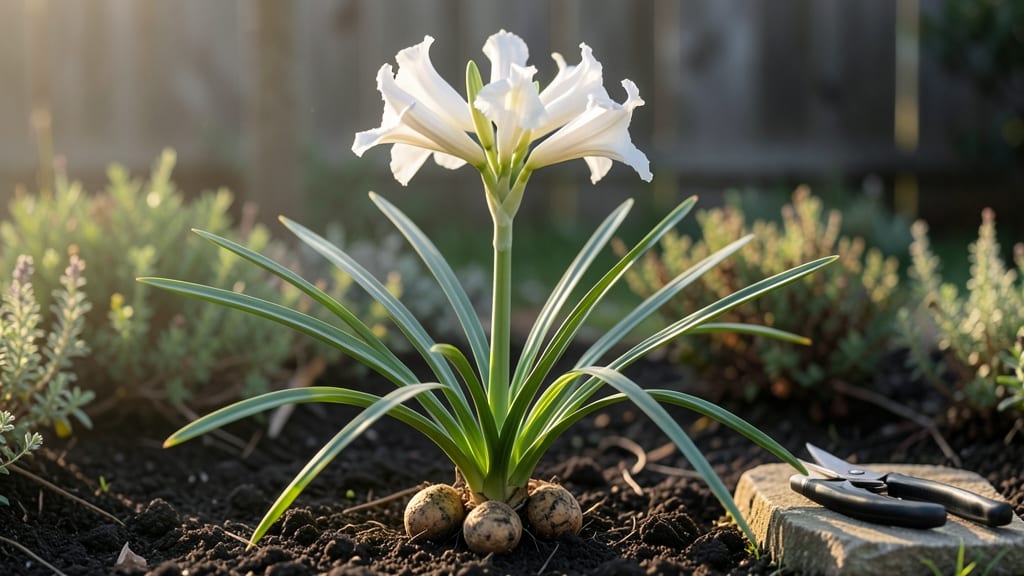
The intoxicating scent of tuberose flower arrangements turns any room into a dreamy escape. ✨ I’ve lost count of how many times I’ve walked into a space filled with their velvety fragrance—it’s like being wrapped in a warm, floral hug.
These arrangements aren’t just beautiful; they’re an experience, especially when you learn how to pair them with other flowers to create something truly unforgettable.
Tuberoses shine in weddings, dinner parties, or as a centerpiece for a quiet evening at home. Their waxy, trumpet-shaped blooms pair perfectly with roses, orchids, or even delicate baby’s breath.
The key is balancing their bold scent with softer textures—think lush greenery or airy ranunculus to keep the arrangement light and breathable.
You’ll end up with arrangements that smell as stunning as they look, filling your space with a fragrance that lingers long after the flowers fade. The secret is in the layers: start with a sturdy base, weave in the tuberoses, and let their natural elegance take center stage.
Trust me, once you try this, you’ll never go back to arrangements that don’t have that signature tuberose magic.
Whether you’re crafting a bridal bouquet or a simple vase for your coffee table, tuberoses elevate every occasion. They’re especially magical in summer weddings or romantic dinner settings—just imagine the scent drifting through the air as guests arrive. Here’s how to make them the star of your next floral creation.
📚 In This Guide
- What you need
- Instructions
- Tips and common mistakes
- Wrapping up and next steps
What you need
- ● Tuberose flowers: 12–20 stems (fresh, unopened buds for longevity or partially bloomed for texture). Opt for Polianthes tuberosa with creamy white petals.
- ● Filler flowers: 5–10 stems of gypsophila (baby’s breath) or statice for volume and contrast.
- ● Greenery: 3–5 stems of eucalyptus (e.g., Eucalyptus gunnii) or asparagus fern for structure.
- ● Floral foam: 1 block (size depends on vase; 6"x6"x3" for small arrangements).
- ● Floral preservative: 1 bottle (e.g., Floralife) to extend vase life.
- ● Sharp floral shears (to prevent crushing stems).
- ● Bucket or vase (filled with water + preservative for prepping stems).
- ● Rubber bands or floral tape (to secure bundles).
- ○ Chicken wire or floral grid (optional, for structural support in large arrangements).
- ● Decorative vase (ceramic, glass, or metal; choose based on your theme—e.g., rustic, elegant, or boho).
- ● Dried lavender or rose petals for a romantic, layered look.
- ● Scented candles or essential oils (e.g., jasmine or vanilla) to enhance the tuberose’s natural fragrance.
- ● Ribbon or lace for wrapping stems or tying bows.
How to create stunning tuberose flower arrangements
Ethereal, fragrant, and impossibly elegant—tuberoses deserve center stage.
🌿 Step 1: Select and Prepare Your Tubers
Choose plump, firm tubers with no soft spots or mold—these are your foundation. Soak them in lukewarm water for 12-24 hours before planting to kickstart growth. You’ll notice tiny white buds forming along the sides; this is your cue they’re ready. Plant them 2-3 inches deep in well-draining soil, spacing them 6-8 inches apart in rows.
Here’s the thing—tuberoses thrive in full sun, so pick a spot where they’ll get at least 6-8 hours daily. If you’re growing them in containers, ensure pots have drainage holes. Water lightly after planting, then wait until the soil feels dry to touch before watering again. Overwatering now will rot the tubers before they sprout.
☀️ Step 2: Nurture for Lush Blooms
Once sprouts emerge (usually in 4-6 weeks), you’re in the home stretch. Feed them with a balanced, water-soluble fertilizer every 2-3 weeks to encourage strong stems and abundant blooms. You’ll see the first buds form after 8-10 weeks—they’ll look like tight, waxy spirals at the tips of the stems.
Tuberoses love warmth but hate humidity. If your climate is damp, space plants 12 inches apart to improve airflow. Deadhead spent blooms immediately to redirect energy into new flowers. And watch for pests like aphids—spray with soapy water at the first sign of sticky leaves.
✂️ Step 3: Harvest and Arrange for Maximum Impact
Pick flowers in the early morning when buds are just beginning to open—they’ll stay fresh longest. Cut stems at a 45-degree angle with clean shears, leaving 2-3 inches of stem attached. Strip lower leaves to reduce bacterial entry points in water. Arrange them in a vase filled with fresh, cool water—change it every 2 days to keep stems hydrated.
For arrangements, group stems in odd numbers (3, 5, or 7) to create natural movement. Tuberoses’ long, arching stems work beautifully with trailing foliage like ivy or ferns. Add a splash of lemon or a drop of bleach to the water to extend vase life—you’ll be amazed how long they last.
💧 Step 4: Extend the Magic Beyond the Vase
Preserve the fragrance by drying the blooms. Hang stems upside down in a dark, dry place for 2-3 weeks. Once fully dried, strip the petals and store them in an airtight container. Sprinkle a pinch into linen closets or sachets for a lingering, luxurious scent.
Real talk: tuberoses are divas—they demand attention, but they repay it with drama. If your blooms wilt quickly, check your water temperature (should be room temp) and light (they need bright, indirect light indoors). With care, you’ll have arrangements that steal the show for 10-14 days.
Tips & tricks for perfect tuberose flower arrangements
Here's what nobody tells you—these little details make all the difference between a pretty bouquet and a showstopper that fills a room with fragrance.
Soaking Strategy: The 12-24 hour soak in lukewarm water is non-negotiable—this jumpstarts growth by breaking dormancy. I learned this the hard way after planting dry tubers that took twice as long to sprout. Use a shallow container and change the water halfway through if it gets murky. This prevents bacterial growth that could harm your tubers.
Sunlight Secret: Those 6-8 hours of daily sun are critical, but tuberoses hate humidity. If you're in a damp climate, space your plants 12 inches apart instead of 6-8 inches to improve airflow. I've seen tubers develop fungal issues when crowded in humid conditions—trust me, you don't want mushy stems!
Harvest Timing: Picking in the early morning when buds are just beginning to open is the golden rule. I've tried harvesting fully open flowers and they wilt within 24 hours. The key is to see those tight spirals starting to unfurl but still closed—this gives you 10-14 days of vase life instead of just a few days.
Preservation Hack: For drying blooms, I swear by using brown paper bags instead of plastic. The paper allows moisture to escape while protecting the delicate petals. After 2-3 weeks, the dried petals will keep their fragrance for months when stored in airtight containers. This is how you capture that intoxicating tuberose scent long after the flowers fade.
Pro Tips for Tuberose Flower Arrangements
- Here's what nobody tells you—these little details make all the difference between a pretty bouquet and a showstopper that fills a room with fragrance.
- Soaking Strategy: The 12-24 hour soak in lukewarm water is non-negotiable—this jumpstarts growth by breaking dormancy.
- Sunlight Secret: Those 6-8 hours of daily sun are critical, but tuberoses hate humidity.
Frequently asked questions
Got questions about creating or styling tuberose flower arrangements?
You’re not alone! Here are some of the most common queries—plus quick, expert-friendly answers to help you nail that dreamy, fragrant display.
How long do tuberose flowers last in an arrangement?
Fresh-cut tuberoses typically last 7–10 days in a vase, provided you change the water every 2–3 days and trim the stems at a 45-degree angle. For longer-lasting arrangements, store them in a cool (but not cold) spot away from direct sunlight or heat sources. Pro tip: Add a drop of bleach or floral preservative to the water to extend their life!
Can I mix tuberoses with other flowers?
Tuberoses pair beautifully with romantic, fragrant blooms like roses, jasmine, or gardenias. For contrast, try pairing them with bold colors like deep reds or purples. Avoid overpowering scents (e.g., lilies or hyacinths), as tuberoses’ fragrance is delicate. Best combo: Tuberoses + baby’s breath + eucalyptus for a dreamy, ethereal look.
Why do my tuberoses wilt so fast?
Wilting can happen due to bacterial buildup (dirty water), ethylene gas (from nearby fruits/veggies), or overcrowding in the vase. Fix it by:
- Recutting stems and using fresh, cool water daily.
- Removing any leaves submerged in water to prevent rot.
- Keeping them away from ripening produce or heat sources.
Are tuberoses safe for weddings or events?
Yes! Tuberoses are perfect for weddings and events—their intoxicating scent and elegant petals add a luxurious touch. However, their fragrance can be overwhelming in small spaces, so use them sparingly in bouquets or as centerpieces. For outdoor events, place arrangements where guests can enjoy the aroma without it lingering too strongly. Bonus: They’re long-lasting and budget-friendly!
What’s a good alternative if tuberoses aren’t available?
If tuberoses are out of season or hard to find, try these fragrant, similar-looking alternatives:
- Jasmine – Sweet, delicate, and romantic.
- Gardenia – Creamy white and ultra-fragrant.
- Lilies (like Stargazer) – Bold and showy (but stronger scent).
- Mock orange – Citrusy and long-lasting.
Wrapping up and next steps
Tuberose flower arrangements bring a touch of romance and elegance with their intoxicating fragrance and velvety petals—perfect for weddings, home décor, or heartfelt gifts. Whether you’re a beginner or a seasoned florist, these blooms offer endless creative possibilities, from rustic bouquets to luxurious centerpieces. 🌸
Now that you’re inspired, why not start your own tuberose masterpiece? Gather your materials, experiment with colors, and let your creativity bloom! 💐 For more floral inspiration, explore our guide on combining tuberoses with complementary blooms—your next arrangement could be unforgettable.