
Flowers
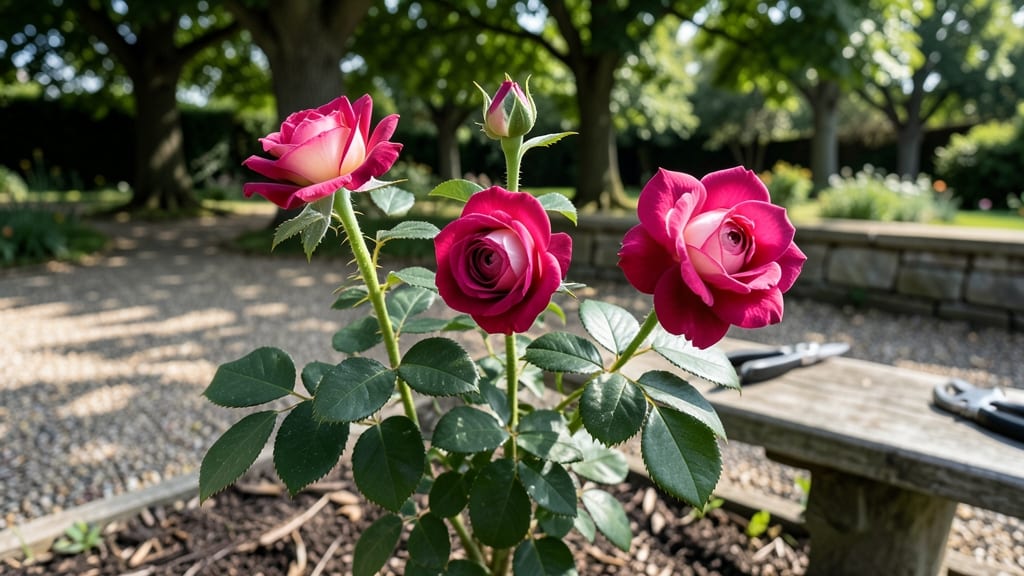
Even the typical garden flowers can transform your space into a showstopper—no green thumb required. 🌸 I’ve tested these season-long bloomers in everything from wild cottage gardens to sleek modern beds, and they never disappoint. The secret? Matching their natural habits to your design style, not fighting them.
Think three-season color without fuss: coneflowers for summer-to-fall drama, black-eyed Susans for golden midseason cheer, and salvia for vertical pops in containers or borders.
Pair them with hardy annuals like cosmos for effortless movement, and you’ve got a palette that shifts from pink to purple to gold as the seasons turn.
What you end up with is a garden that blooms reliably—no dead zones, no color clashes, and minimal upkeep. The best part? These varieties thrive in partial shade to full sun, so they adapt to your space instead of the other way around.
Let’s design a border that works as hard as it looks.
Works for small city plots or sprawling backyards—just adjust spacing. Cottage gardens love the mix, while modern designs can use them in structured drifts. Here’s how to make it happen without the guesswork.
📚 In This Guide
- What you need
- Instructions
- Tips and common mistakes
- Wrapping up and next steps
What you need
- ● Seeds or young plants: 1 packet Zinnia seeds (or 3-5 young plants)
- ● 1 packet Marigold seeds (or 3-5 young plants)
- ● 1 packet Cosmos seeds (or 3-5 young plants)
- ● 1 packet Black-Eyed Susan seeds (or 3-5 young plants)
- ● Soil: 1 bag (50 lbs) of well-draining potting mix or garden soil (amended with compost)
- ● Containers or garden space: 5-10 flower pots (6-inch diameter) or
- ● A sunny garden bed (6x6 ft minimum)
- ● Tools: 1 hand trowel
- ● 1 pruning shears
- ● 1 watering can (1-2 gallons) or hose with gentle spray nozzle
- ● Slow-release flower fertilizer (1 bag)
- ● Mulch (straw or shredded bark, 1 bag)
- ● Plant markers (to label varieties)
- ● Organic pest control (neem oil spray)
- ● Garden gloves (for comfort)
How to grow four easy-care season-long garden flowers
Here's the straightforward method I've used for years—no fuss, just reliable blooms.
🌱 Step 1: Choose the Right Varieties for Your Climate
Select four perennials that thrive in your hardiness zone: coneflower (Echinacea), black-eyed Susan (Rudbeckia), shasta daisy (Leucanthemum), and Russian sage (Perovskia). These handle heat, drought, and occasional neglect beautifully. I always opt for disease-resistant cultivars—like 'White Swan' coneflower or 'Goldsturm' black-eyed Susan—to avoid future headaches.
Check your USDA zone before buying plants. If you're in zones 5-8, all four will thrive; adjust for cooler climates by choosing shorter varieties. The key here is matching plants to your growing conditions, not forcing a mismatch that leads to wilting or poor blooms.
☀️ Step 2: Prepare the Planting Site for Full Sun
Pick a location with at least 6 hours of direct sunlight daily. Most garden flowers wilt or produce sparse blooms in shade. Clear the area of weeds and loosen the soil to a depth of 12 inches using a garden fork. Amend the soil with 2 inches of compost—this improves drainage and feeds roots without overfeeding.
I like to spread the compost evenly and work it into the top 6 inches of soil. Avoid fresh manure; it burns tender roots. Test the soil pH—most of these flowers prefer 6.0-7.0. If your soil is too acidic, add pelletized lime during preparation. The goal is loose, fertile soil that drains well.
💧 Step 3: Plant at the Right Depth and Spacing
Dig holes twice as wide as the root ball but only as deep as the container's root level. Place each plant gently into the hole, ensuring the top of the root ball sits just below soil level. Fill the hole with soil, pressing lightly to remove air pockets but not compacting too tightly.
Space plants according to their mature size: 2-3 feet apart for coneflower and black-eyed Susan, 2 feet apart for shasta daisies, and 3-4 feet apart for Russian sage. Overcrowding leads to competition for nutrients and air flow, inviting fungal diseases. Water deeply after planting to settle the soil around roots.
✂️ Step 4: Maintain with Minimal Effort
Water once a week during the first growing season to establish roots, then reduce to every 10-14 days once established—these flowers are drought-tolerant once mature. Mulch with 2-3 inches of shredded bark to retain moisture and suppress weeds. Avoid overwatering; soggy soil rots roots faster than you'd think.
Deadhead spent blooms regularly to encourage more flowers. For coneflower and black-eyed Susan, snip off faded flower heads with clean pruners. For shasta daisies, cut back stems to the base after blooming to promote fresh growth. Russian sage rarely needs deadheading—its airy stems keep it tidy naturally. Fertilize lightly in spring with a balanced 10-10-10 formula if blooms look sparse.
🌿 Step 5: Overwinter for Next Season's Blooms
In fall, cut back dead foliage to 4-6 inches above the ground for perennials like coneflower and black-eyed Susan. Leave shasta daisy stems for winter interest and cut them back in early spring. Russian sage's woody stems can stay intact—it's naturally cold-hardy.
Apply a 2-inch layer of mulch around the base to insulate roots during winter. These plants are tough, but a little protection ensures vibrant returns next spring. I always mark their locations with small stakes so I don’t accidentally dig them up in early spring enthusiasm.
Tips & tricks for perfect season-long garden flowers
Between us, these four perennials are the secret to low-maintenance color that lasts all season—once you get the basics right. Here's what I've learned after years of trial and error (and a few too many wilted blooms).
Location is Everything: That 6 hours of direct sunlight isn't just a suggestion—it's non-negotiable. I've seen coneflowers and black-eyed Susans produce sparse blooms when planted in partial shade, no matter how much I watered them. If your yard has shady spots, consider container gardening with these varieties instead of forcing them into less-than-ideal conditions. The key is matching plant needs to sunlight availability, not the other way around.
Soil Prep Makes All the Difference: The 12-inch deep soil loosening and 2 inches of compost aren't just numbers—they're insurance against poor drainage and nutrient deficiencies. I learned this the hard way when my first Russian sage struggled in compacted clay soil. After amending with compost and working it into the top 6 inches, the plant thrived. For heavy clay soils, mix in sand or perlite to improve drainage without compromising fertility.
Planting Depth Matters More Than You Think: When placing those root balls, the top should sit just below soil level—not buried too deep, not sticking out like a sore thumb. I once buried a shasta daisy too deeply, and it took two years to recover. The rule of thumb is to match the root ball's original depth in the container. For container-grown plants, look for the soil line where the plant meets the pot—this is your guide.
Deadheading Strategy for Maximum Blooms: That regular deadheading isn't just about looks—it's how you trick your plants into producing more flowers. For coneflowers and black-eyed Susans, I use clean pruners to snip off the entire faded flower head down to the first set of healthy leaves. This prevents seed formation and redirects energy to new blooms. For shasta daisies, I cut stems back to the base after flowering to encourage fresh growth from the ground up.
Pro Tips for Typical Garden Flowers
- Between us, these four perennials are the secret to low-maintenance color that lasts all season—once you get the basics right.
- Location is Everything: That 6 hours of direct sunlight isn't just a suggestion—it's non-negotiable.
- Soil Prep Makes All the Difference: The 12-inch deep soil loosening and 2 inches of compost aren't just numbers—they're insurance against poor drainage and nutrient deficiencies.
Frequently asked questions
Got questions about keeping your garden vibrant with typical garden flowers? You’re not alone! Here are answers to the most common queries—from planting tips to troubleshooting—so you can enjoy blooms all season long.
When is the best time to plant typical garden flowers for continuous blooms?
For most annuals like marigolds or petunias, plant after the last frost in spring (around mid-April to May in most U.S. zones). Perennials like coneflowers or black-eyed Susans can go in early spring or fall. Pro tip: Check your local frost dates and soil temperature—cool soil slows germination!
How often should I water my garden flowers to keep them thriving?
Water deeply 1–2 times per week (more in extreme heat or drought). Aim for 1 inch of water per week, delivered at the soil level—not overhead—to prevent fungal diseases. Morning watering is ideal; it reduces evaporation and gives flowers time to dry before nightfall.
What’s the easiest way to deter pests like aphids or slugs from my flowers?
Start with prevention: Healthy plants resist pests! Remove weeds (they harbor bugs), space flowers for airflow, and mulch to discourage slugs. For mild infestations, spray aphids with a soapy water solution (1 tsp mild soap per quart of water). Slugs? Set out beer traps or use organic slug bait like iron phosphate.
Can I grow typical garden flowers in containers, or do they need a full garden bed?
Many flowers—like geraniums, pansies, or nasturtiums—thrive in containers. Use pots at least 6–12 inches deep with drainage holes, and choose a well-draining potting mix. Bonus: Containers let you move flowers to optimize sunlight or protect them from pests.
Why aren’t my flowers blooming as much as they should, even with good care?
Over-fertilizing (especially with high-nitrogen feeds) promotes foliage over flowers. Deadhead spent blooms regularly to encourage new growth, and ensure they get 6+ hours of sunlight daily. Some flowers (like zinnias) also need a cool nighttime temperature to trigger blooming. If issues persist, check for underwatering or root-bound plants.
Are there any low-maintenance flowers that still look stunning?
Yes! Try lavender (drought-tolerant, fragrant), sedum (succulent-like, thrives in heat), or Russian sage (drought-resistant with purple spikes). Even black-eyed Susans are perennials that return yearly with minimal care. Key: Group them with similar water needs for effortless upkeep!
Wrapping up and next steps
Transforming your garden into a vibrant haven doesn’t have to be complicated—typical garden flowers like sunflowers, marigolds, and cosmos are your perfect allies! 🌻 With minimal effort, these easy-care blooms deliver year-round color, attract pollinators, and boost your outdoor space’s charm.
Whether you’re a beginner or a seasoned gardener, their resilience and beauty make them a must-have.
Ready to dive in? Start small—pick one variety to plant this weekend and watch your garden flourish. Happy gardening! 🌸