
Flowers
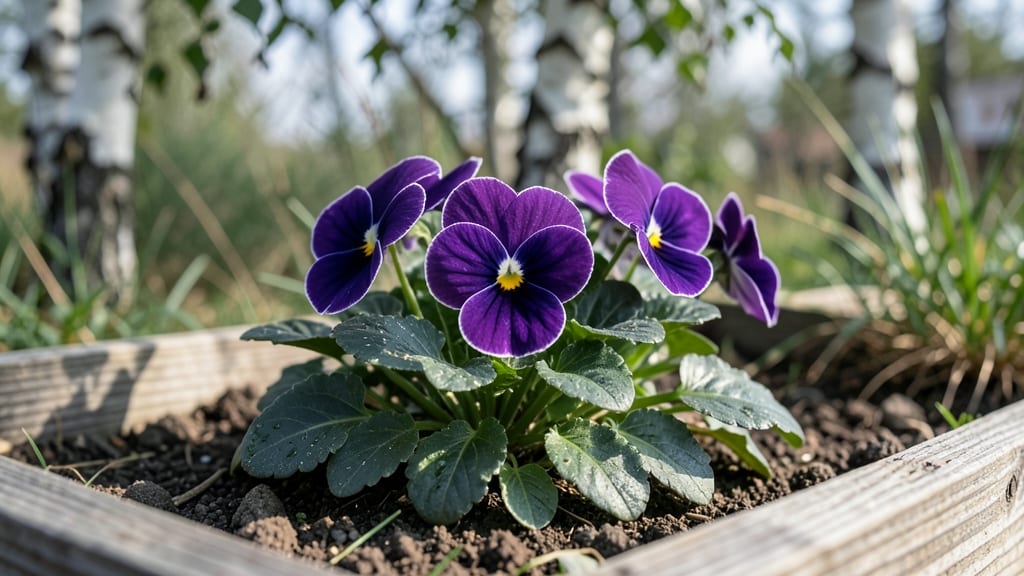
Caring for viola flowers turns out to be the gardener’s secret weapon—vibrant blooms that keep coming with almost no fuss. 🌿 I’ve grown them in everything from sunny borders to shady corners, and they never complain.
The key is understanding their preferences: cool roots, consistent moisture, and a light hand with pruning.
Violas thrive in partial shade, making them perfect for spots where other flowers wilt. They like soil that’s rich but well-draining, and a sprinkle of compost at planting time gives them the boost they need.
Watering is simple: keep the soil evenly moist, but never soggy—think of it like a sponge, not a swamp.
You’ll get nonstop blooms from early spring to frost if you deadhead spent flowers occasionally. The real magic? They self-seed like crazy, so you’ll have new plants popping up where you least expect them. Even in hot summers, they stay cheerful, proving they’re the low-maintenance star of any garden.
Works in containers, garden beds, or even as a living mulch. Once you try violas, you’ll wonder why you didn’t start sooner—they’re the easy-care flowers that actually deliver.
📚 In This Guide
- What you need
- Instructions
- Tips and common mistakes
- Wrapping up and next steps
What you need
- ● Potting soil: Well-draining, organic-rich mix (e.g., African violet soil or a blend of 50% peat moss, 30% perlite, and 20% compost). 1 gallon per 6-inch pot.
- ● Viola flower plants: Healthy seedlings or mature plants (choose Viola × wittrockiana for vibrant colors). 1-3 plants per 6-inch pot.
- ● Containers: Pots with drainage holes (6–12 inches wide, depending on plant size). Terracotta or plastic works best.
- ● Watering can or spray bottle: For gentle hydration (avoid soggy soil!).
- ● Balanced fertilizer: 10-10-10 or 20-20-20 (diluted to ½ strength) or a slow-release granular fertilizer.
- ● Pruning shears: Sharp, clean scissors or small pruners (sterilize with rubbing alcohol between cuts).
- ● Mulch: Light layer of cocoa hulls or pine bark to retain moisture (¼ inch thick).
- ● Epsom salt: 1 tsp per gallon of water monthly for magnesium boost (especially for yellowing leaves).
- ● Grow lights: If indoors, LED full-spectrum bulbs (12–14 hours/day).
- ● Compost tea: For organic nutrient boost (brew at home or buy pre-made).
- ● Support stakes: Tiny bamboo stakes or toothpicks for leggy stems (if needed).
Step-by-Step guide to growing viola flowers with minimal pruning
Violas thrive with simple care—here’s how to keep them blooming effortlessly.
🌱 Step 1: Choose the Right Location for Light and Soil
Violas prefer partial shade—think 4-6 hours of morning sun with afternoon shade, especially in hotter climates. A spot under dappled tree branches or near a north-facing window works perfectly. Too much direct sun scorches their delicate petals, while too little light weakens stems and reduces blooms.
Amend your garden bed with well-draining, slightly acidic soil (pH 6.0-6.5). If your native soil is heavy clay, mix in 2-3 inches of compost to improve aeration. Violas hate soggy roots, so raise beds slightly if your area holds water. A quick soil test kit ensures you’re in the right pH range—violas show yellowing leaves when soil is too alkaline.
☀️ Step 2: Plant at the Correct Depth and Spacing
Dig holes twice as wide as the viola’s root ball but only as deep as the container it came in. Press the soil gently around roots to eliminate air pockets—this prevents transplant shock. Space plants 8-12 inches apart for good airflow; closer spacing leads to crowded, leggy stems and fewer blooms.
Water deeply right after planting to settle the soil and encourage root spread. You’ll know it’s right when moisture reaches 6 inches down—check with a trowel. Mulch with 1-2 inches of shredded bark to retain moisture and suppress weeds. Avoid piling mulch against stems, which can trap moisture and cause rot.
💧 Step 3: Water Consistently Without Overdoing It
Violas need 1 inch of water per week, but they’re drought-tolerant once established. Water at the base of the plant in the morning to reduce fungal risks. Let the top 1-2 inches of soil dry out between waterings—wilting leaves signal thirst, but soggy soil signals trouble. Overwatering causes root rot, which turns leaves yellow and mushy.
In containers, check soil moisture daily—potted violas dry out faster. If the soil feels like a wrung-out sponge, it’s time to water. Use a self-watering pot if you travel often; violas hate drying out completely. Fertilize lightly every 4-6 weeks with a balanced 10-10-10 formula—too much nitrogen produces lush leaves but few flowers.
✂️ Step 4: Prune Strategically for More Blooms
Violas bloom best with minimal pruning. Deadhead spent flowers by pinching off the stem just above the next set of leaves—this redirects energy to new blooms. Use clean, sharp scissors to avoid tearing stems. If a stem looks leggy, trim it back by one-third to encourage bushier growth.
In late summer, cut back one-third of the plant’s height to rejuvenate it for a fall bloom cycle. This is the only heavy pruning violas need. Avoid cutting into old wood—violas regrow from new growth. After pruning, water deeply to help the plant recover. You’ll see fresh buds within 2-3 weeks if conditions are right.
🪴 Step 5: Overwinter for Year-Round Color
Violas are cold-hardy down to Zone 4, but they benefit from a light mulch layer (2-3 inches) in winter to insulate roots. In containers, move pots to a protected spot or wrap them in burlap to shield from freezing winds. Water sparingly in winter—only when the soil feels dry to the touch.
In early spring, trim back any dead foliage and fertilize lightly to kickstart new growth. Violas often self-seed, so you’ll find volunteers popping up in unexpected spots—transplant these to fill gaps. With this care, your violas will reward you with continuous blooms from early spring to late fall.
Tips & tricks for perfect viola flowers care
Here's what I've learned from years of growing violas—these simple strategies make all the difference for effortless blooms.
Light Balance: The 4-6 hours of morning sun in Step 1 is your sweet spot—think of it as their daily vitamin D. If you notice petals bleaching or crisping, they're getting too much sun. In hot climates, afternoon shade isn't optional; it's essential. I've seen violas under full sun turn from vibrant purple to sad, sunburned ghosts in just two weeks.
Soil Science: That pH 6.0-6.5 range in Step 1 isn't just a number—it's the difference between thriving violas and struggling ones. If your soil test shows higher pH, mix in 1-2 pounds of elemental sulfur per 100 square feet and re-test in 2-3 months. I've rescued many violas from alkaline soil by doing this—suddenly, those yellow leaves turned back to healthy green overnight.
Pruning Precision: When you're deadheading in Step 4, look for that little bump where the next flower bud forms—pinch just above it. This tiny detail makes all the difference. I used to cut too close to the stem, which left ugly stubs and invited disease. Now I use clean, sharp scissors and make one clean cut above the bud. The plants reward me with nonstop blooms all season.
Winter Survival: That 2-3 inch mulch layer in Step 5 isn't just decoration—it's insulation. In Zone 4 winters, I've seen violas survive -20°F temperatures with proper mulching. The key is to apply it after the ground freezes but before heavy snowfall. For container violas, I wrap the pots in burlap and move them against a north-facing wall. This simple protection means you'll have blooms ready to greet spring without any gaps.
Pro Tips for Viola Flowers Care
- Here's what I've learned from years of growing violas—these simple strategies make all the difference for effortless blooms.
- Light Balance: The 4-6 hours of morning sun in Step 1 is your sweet spot—think of it as their daily vitamin D.
- Soil Science: That pH 6.0-6.5 range in Step 1 isn't just a number—it's the difference between thriving violas and struggling ones.
Frequently asked questions
Got questions about keeping your viola flowers happy? You’re not alone—these cheerful bloomers are easygoing but love a little attention to detail. Here are answers to the most common queries to help you grow a thriving viola garden with confidence!
How often should I water viola flowers?
Violas thrive with consistent moisture—water them 1-2 times per week, depending on your climate. Let the top inch of soil dry out between waterings to prevent root rot. Pro tip: Mulch around the base to retain moisture and reduce weeds!
When is the best time to plant violas?
Violas are cool-season champions! Plant them in early spring or fall for ideal blooms. They tolerate light frost, making them perfect for early spring color or fall gardens. Avoid planting in scorching summer heat—they’ll sulk!
What pests commonly attack viola flowers, and how do I prevent them?
Watch for aphids, slugs, and spider mites. Keep plants healthy with balanced fertilizer, and remove debris to deter pests. For slugs, use beer traps or copper barriers. Aphids? Blast them off with water!
Can I grow violas in containers, and what’s the best soil mix?
Violas love containers—just use a well-draining mix with perlite or sand. A balanced potting soil (like 60% peat, 20% perlite, 20% compost) works wonders. Ensure pots have drainage holes to avoid soggy roots!
Why aren’t my violas blooming as much as they should?
Overcrowding, poor light, or lack of nutrients can stunt blooms. Thin plants to 6-8 inches apart, ensure they get 4-6 hours of sunlight, and feed with a low-nitrogen fertilizer (like 5-10-10) every 4-6 weeks. Deadhead spent blooms to encourage more flowers!
Wrapping up and next steps
Caring for viola flowers is a rewarding experience—these resilient blooms thrive with just a little attention and minimal effort! 🌸 By choosing the right location, providing consistent moisture, and following simple pruning tips, you’ll enjoy vibrant flowers all season long.
Whether you’re a beginner or a seasoned gardener, violas are the perfect low-maintenance addition to your garden.
Ready to watch your violas flourish? Start by planting a few today and let their cheerful colors brighten up your space with ease!