
Pests
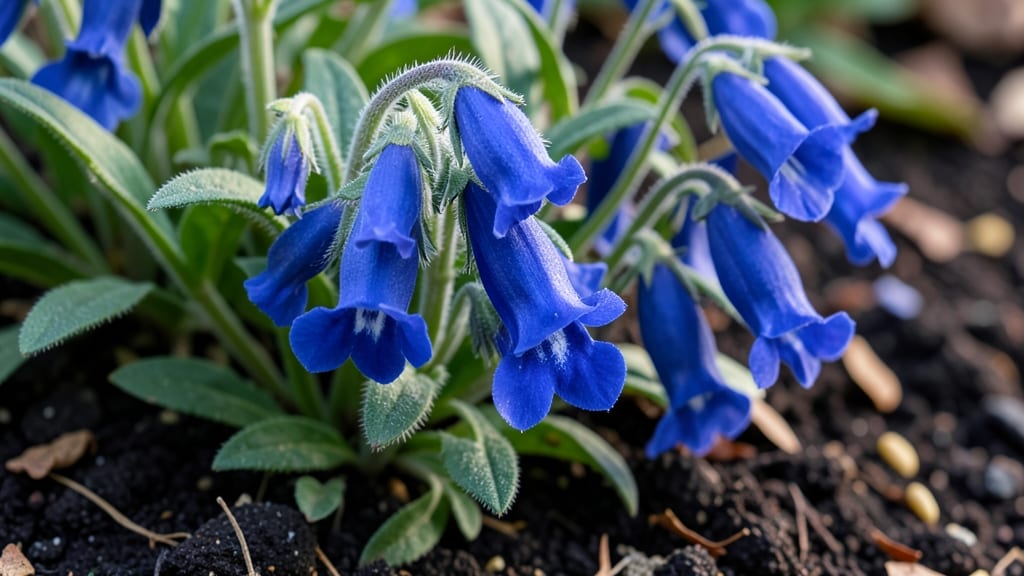
What fall flowers do deer not eat aren’t just about survival—they’re the bold, fragrant survivors that thrive when others wilt, with bitter flavors, strong scents, or even mild toxins to deter hungry browsers. 🌿 I’ve lost entire garden beds to deer browsing, but these plants stand their ground with. toxicity that deer instinctively reject.
The key isn’t just planting them, though—it’s understanding why they work and how to give them the best shot in your climate.
Think marigolds with their peppery kick or snapdragons that deer find unappealingly fuzzy. Lavender’s piney aroma masks other plants’ scents, confusing browsers, while hellebores contain toxins that make them a no-go.
Native plants like coneflowers or bee balm often get overlooked but pack serious deer-deterrent power because local critters have evolved to avoid them. The trick? Pair these with physical barriers like fencing or repellents for extra protection—no single method is foolproof.
You’ll end up with a garden that stays vibrant long after summer’s last bloom fades. The flowers won’t just survive—they’ll thrive, their colors deepening as autumn cools the air.
Plus, you’ll attract pollinators while keeping deer at bay, turning a frustrating problem into a seasonal showcase. Let’s get those deer-resistant blooms planted before the first frost.
Regional tweaks matter—swap out non-native plants for local varieties if deer in your area are particularly clever. And don’t forget: even the toughest plants need proper soil and water to fend off stress that might make them more tempting. A little extra care now means fewer battles later.
📚 In This Guide
- What you need
- Instructions
- Tips and common mistakes
- Wrapping up and next steps
What you need
- ● Deer-resistant fall flowers: 5–10 plants of each variety (e.g., Lantana, Snapdragons, Marigolds, or Russian Sage). Aim for 3–5 plants per square foot for full coverage.
- ● High-quality potting soil: 2–3 bags (10–15 cubic feet each) for planting in-ground or containers.
- ● Organic mulch: 1–2 bags (e.g., cedar chips or pine straw) to suppress weeds and retain moisture.
- ● Slow-release fertilizer: 1 bag (10–20 lb) with a balanced NPK ratio (e.g., 10-10-10 or 5-5-5).
- ● Garden gloves (1 pair) – Protect your hands from thorns and soil.
- ● Hand trowel or transplant spade – For digging small holes (6–8 inches deep).
- ● Garden hose with spray nozzle – For watering (or a watering can for containers).
- ● Pruning shears – To trim dead foliage or shape plants.
- ● Measuring tape or ruler – For spacing plants 12–24 inches apart.
- ● Deer repellent spray (e.g., Plant Skydd or Liquid Fence) – Apply every 2–4 weeks for extra protection.
- ● Fencing or netting – Temporary 8-foot tall fencing or deer netting for high-risk areas.
- ● Compost or worm castings – Mix 1 cup per plant into soil for nutrient boost.
- ● Drip irrigation kit – Automates watering and saves time.
Step-by-step guide to designing a deer-resistant fall flower garden
Here's how to create a vibrant autumn display that deer will skip right over.
🌱 Step 1: Choose Deer-Resistant Fall Bloomers
Start by selecting flowers deer typically avoid due to strong fragrance, fuzzy textures, or bitter tastes. My go-to deer-resistant fall flowers include black-eyed Susans (Rudbeckia), asters (Symphyotrichum), goldenrod (Solidago), and Russian sage (Perovskia). These plants thrive in full sun and tolerate cooler fall temperatures down to 25°F. I always check the mature height—2-4 feet—to ensure they’ll fit your design without overwhelming smaller perennials.
For extra protection, add lamb’s ear (Stachys byzantina) with its fuzzy silver leaves—deer find its texture unappealing. Plant these in clusters of 3-5 for visual impact. Here's the thing—deer browse patterns change seasonally, so I rotate a few scented flowers like shasta daisies or bee balm (Monarda) to keep them guessing.
🪴 Step 2: Prepare the Planting Site
Clear the area of weeds and loosen soil to a depth of 6-8 inches—deer-resistant plants need good drainage to thrive through fall rains. I mix 2 inches of compost into the top layer of soil to boost nutrients without overwhelming roots. For containers, use well-draining potting mix and ensure pots have drainage holes to prevent soggy roots, which attract pests deer might target.
Test your soil’s moisture level by squeezing a handful—it should hold together but not drip. If your soil drains too quickly, add 1 inch of organic mulch (like shredded bark) around plants to retain moisture. Here’s where it gets fun: I always plant taller flowers at the back and shorter ones in front to create a layered look that deer find less appealing—they prefer easy-to-reach snacks.
☀️ Step 3: Plant with Strategic Spacing and Companion Plants
Space plants 12-18 inches apart to allow airflow, which reduces disease and makes the garden less inviting to deer. For example, asters should get 18 inches of space, while goldenrod can handle 12 inches. I interplant deer-repellent herbs like lavender or rosemary between flowers—their strong scent deters browsers naturally.
Group 3-5 plants of the same variety together for a bold look, but alternate types every 2-3 feet to break up the visual feast. Deer are less likely to linger in a garden with varied textures and heights. Water deeply after planting to settle roots, then let the soil dry slightly before watering again—overwatering invites slugs, which deer might snack on instead of your flowers.
✂️ Step 4: Maintain and Refresh the Garden
Deadhead spent blooms regularly to encourage another flush of flowers and keep the garden looking fresh. I cut back wilted stems to the first set of healthy leaves—this prevents seed heads that might attract deer in winter. For perennials like Russian sage, trim back in early spring to promote bushier growth.
Add 1-2 inches of mulch in late fall to protect roots from freezing temperatures and suppress weeds. Deer are more likely to browse when food is scarce, so I always leave some seed heads on a few plants to provide natural food for birds—this creates a buffer zone where deer might graze lightly but avoid your prized blooms.
💧 Step 5: Monitor and Adjust for Deer Activity
Check the garden weekly for signs of browsing—chewed leaves or stems mean deer are testing the area. If you spot damage, add physical barriers like chicken wire around young plants or use deer repellent sprays (like rotten egg scent) sparingly. I’ve found that motion-activated sprinklers work wonders—deer hate unexpected water bursts and will avoid the area.
Rotate plants annually to prevent deer from learning your garden’s layout. For example, swap asters with coneflowers (Echinacea) every few years—deer adapt to familiar scents and textures. Keep a journal of what thrives and what gets nibbled; this helps refine your deer-resistant strategy each fall.
Tips & tricks for perfect deer-resistant fall flower gardens
Real talk: Creating a garden deer won't touch takes more than just picking the right plants—it's about understanding their behavior and creating an environment they'll avoid. Here's what nobody tells you about making your fall blooms truly deer-proof.
The Scent Strategy: Deer have an incredible sense of smell, so layering fragrance is key. While asters and black-eyed Susans are naturally deer-resistant, I always add lavender or rosemary between them—these herbs create a scent barrier that deer find overwhelming. Plant them in clusters of 3-5 along garden edges where deer might approach. The strong aromatic oils in these plants create an invisible repellent that works better than any spray.
Texture Tactics: Deer avoid plants with fuzzy, hairy, or rough textures that irritate their mouths. That's why lamb's ear is such a game-changer—I plant it in 3-5 plant clusters throughout the garden. The velvety silver leaves create a physical barrier that deer find uncomfortable to browse. For extra protection, I weave Russian sage through borders—their soft, fuzzy foliage adds another layer of deterrence while providing beautiful fall color.
Seasonal Rotation: Deer get bored with familiar plants, so I rotate 20-30% of my garden each year. For example, I might replace some asters with shasta daisies or bee balm every few seasons. This keeps deer guessing about what's safe to eat. I also leave some seed heads on a few plants each year—they provide natural food for birds, creating a buffer zone where deer might graze lightly but avoid your prized blooms.
Visual Deception: Deer prefer easy-to-reach snacks, so I use height variation to my advantage. Always plant taller flowers like Russian sage (2-4 feet) at the back, with medium-height asters (18 inches) in the middle, and shorter goldenrod (12 inches) in front. This layered approach forces deer to work harder to access plants, making them more likely to move on. The added bonus? Your garden will look more dynamic and professionally designed.
Pro Tips for What Fall Flowers Do Deer Not Eat
- Real talk: Creating a garden deer won't touch takes more than just picking the right plants—it's about understanding their behavior and creating an environment they'll avoid.
- The Scent Strategy: Deer have an incredible sense of smell, so layering fragrance is key.
- Texture Tactics: Deer avoid plants with fuzzy, hairy, or rough textures that irritate their mouths.
Frequently asked questions
Got questions about keeping deer away from your fall garden without harsh chemicals? You’re not alone! Here are some of the most common questions—and straightforward answers—to help you protect your blooms naturally.
What are the most effective deer-resistant flowers for fall planting?
Look for daffodils, tulips, alliums, and snapdragons—these are top picks because deer typically avoid their strong scents and toxic properties. Lavender, Russian sage, and foxglove also work well. Plant them in clusters for maximum impact!
How long does it take for deer-resistant flowers to deter deer?
Some flowers, like daffodils, may deter deer immediately due to their toxicity. Others, such as lavender, build effectiveness over time as their scent strengthens. Give it 2-4 weeks after planting to see noticeable results, especially if combined with other repellent strategies.
Can I mix deer-resistant flowers with edible plants in my garden?
Yes! Plant deer-resistant flowers like marigolds or cosmos near your veggies or herbs to create a natural barrier. Deer are less likely to browse through a bed of strong-scented blooms to reach their favorite snacks. Just avoid placing toxic flowers (e.g., foxglove) too close to edibles.
What if deer still eat my flowers after planting deer-resistant varieties?
Don’t panic! Try physical barriers (like fencing or netting) or homemade sprays (garlic, hot pepper, or rotten eggs). Rotate your plantings yearly to confuse deer, and consider adding deer-proof ground covers like ajuga or creeping thyme to fill gaps.
Are deer-resistant flowers more expensive than regular flowers?
Not necessarily! Many deer-resistant varieties (e.g., tulips, daffodils, or coneflowers) are affordable and widely available. Focus on bulbs and perennials for long-term savings—they return year after year, while annuals may need replanting. Check local nurseries for sales on fall planting!
Wrapping up and next steps
Transforming your garden into a deer-resistant haven is easier than you think! By planting fall flowers deer avoid—like daffodils, lavender, and snapdragons—you can protect your landscape while adding beauty and fragrance.
These blooms not only deter browsers but also thrive in autumn’s cooler weather, giving you a win-win for your outdoor space.
Ready to take action? Start by identifying the deer pressure in your area and selecting a mix of these bold blooms for a vibrant, low-maintenance garden. Your yard—and your plants—will thank you!