
Shrubs
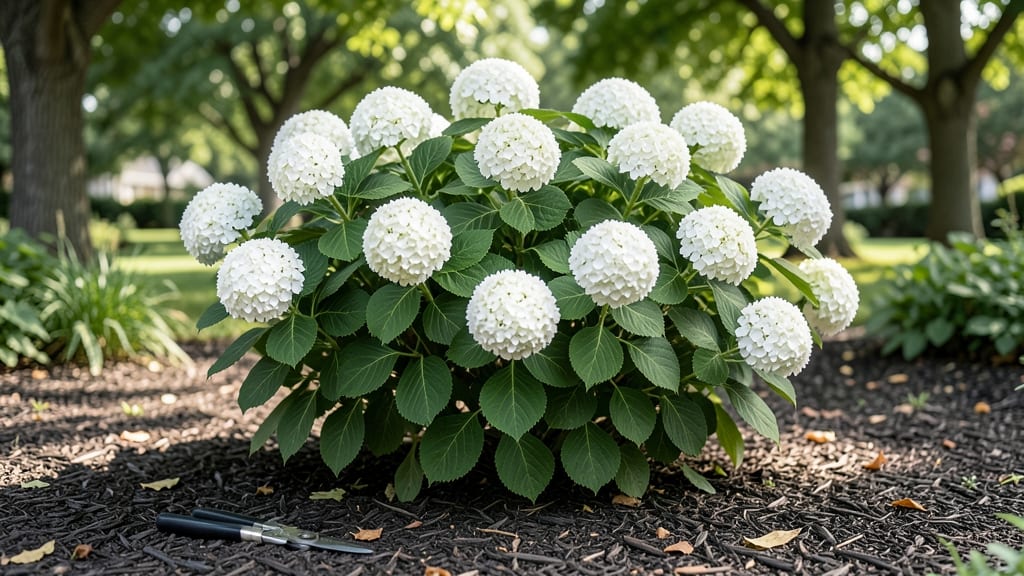
White-flowered bushes transform any garden into a serene, romantic retreat with their delicate blooms and subtle charm. 🌿 I’ve found that the right pruning schedule keeps them flowering nonstop—even through winter—while their fragrant petals attract butterflies and bees all season long.
The key is understanding which varieties thrive in your climate and how to shape them for maximum impact.
From evergreen options like Pieris japonica—with its cascading white flower clusters—to deciduous Deutzia that bursts with spring blooms, these bushes create texture and movement in any landscape.
Pair them with lavender for a cottage-garden feel or boxwood for structured borders, and you’ll have a low-maintenance yet stunning focal point that works year-round.
📚 In This Guide
- What you need
- Instructions
- Tips and common mistakes
- Wrapping up and next steps
What you need
- ● Pruning shears: Bypass pruners (sharp, 4–6-inch blades) for clean cuts on small stems.
- ● Loppers: 18–24-inch handles for thicker branches (up to 1-inch diameter).
- ● Hand pruners: Anvil-style (for stubborn growth) or bypass (for precision).
- ● Garden gloves: Cut-resistant, breathable (e.g., leather or synthetic blend).
- ● Disinfectant: 70% isopropyl alcohol or rubbing alcohol (1-part alcohol + 1-part water) to sterilize tools.
- ○ Pruning sealant: Optional but helpful (e.g., Tanglefoot Tree Wound Pruning Seal) for large cuts.
- ● Garden twine or tape: 1/4-inch wide for temporary support if needed.
- ● Wheelbarrow or bucket: For collecting clippings (aim for 5-gallon capacity).
- ● Extension pole saw: For high branches (e.g., Fiskars 28-inch).
- ● Ladder: Lightweight, 6–8 feet tall (if bush exceeds 6 feet).
- ● Sharpener: Pruner file to maintain blade sharpness.
- ● Mulch: Organic (pine bark) or inorganic (gravel) to retain moisture post-pruning.
- ● Fertilizer: Slow-release, balanced (10-10-10) for post-pruning recovery.
Step-by-step guide to pruning for year-round blooms on white-flowered shrubs
Here’s how to coax continuous fragrance and lush growth from your white-blooming shrubs—season after season.
✂️ Step 1: Identify Your Shrub’s Blooming Habits
First, determine whether your white-flowered shrub blooms on new wood (spring/summer) or old wood (late winter/early spring). This is critical—pruning at the wrong time can rob you of flowers. For example, hydrangeas and spirea bloom on new growth, while lilacs and mock orange rely on last year’s stems.
Examine last year’s stems: if they’re bare now but produced flowers earlier, they’re old-wood bloomers. If they’re still leafy or have flower buds forming at the tips, they bloom on new growth. I always mark my shrubs with a flag in early spring to remind myself of their type.
✂️ Step 2: Time Pruning for Continuous Blooms
For new-wood bloomers, prune immediately after flowering to encourage fresh growth that will bear next year’s blooms. For old-wood bloomers, wait until right after they finish flowering—never cut back into last year’s stems until you’ve seen the season’s last bloom fade.
Here’s the trick: if you have a mixed shrub like deutzia (which blooms on both old and new wood), prune lightly after flowering to shape it, then do a heavier cut in late summer to promote new growth for next spring. Always use clean, sharp pruners—dull blades crush stems and invite disease.
☀️ Step 3: Shape and Thin for Airflow and Light
Step back and visualize the shrub’s natural form. Remove crossing branches first—they rub against each other, creating wounds that rot over time. Next, thin out overcrowded areas to improve airflow, which prevents fungal diseases like powdery mildew that can dull white blooms.
For a fuller look, cut back one-third of the oldest stems to the ground each year. This rejuvenates the shrub and encourages fresh growth from the base. I like to prune in three stages: first the dead wood, then the crossing branches, and finally the shaping cuts. This keeps the process manageable and reduces stress on the plant.
⏰ Step 4: Post-Pruning Care for Strong Recovery
Water deeply right after pruning—this helps the plant recover and reduces shock. Apply a balanced, slow-release fertilizer (like 10-10-10) to support new growth. Avoid heavy nitrogen fertilizers immediately after pruning; they promote leafy growth at the expense of flowers.
Watch for new shoots emerging within 2-3 weeks. These indicate the shrub is healing well. If you see yellowing leaves or wilting, it’s a sign of over-pruning or stress—cut back on watering slightly and provide afternoon shade until the plant stabilizes.
🌿 Step 5: Year-Round Maintenance for Fragrance
Deadhead spent blooms regularly to redirect the plant’s energy into new flowers. For white-flowered shrubs like jasmine or gardenia, this means snipping off faded blossoms just above a set of leaves. It’s a small effort that pays off with nonstop fragrance.
In fall, apply a 2-inch layer of mulch around the base to protect roots from temperature swings. This keeps the soil moist and insulates the shrub’s roots, which is especially important for white-flowered varieties that often have delicate blooms. A light pruning in late winter (just before buds swell) keeps the shape tidy without sacrificing next season’s flowers.
Tips & tricks for perfect year-round white flowered shrub care
These precision pruning secrets will transform your white-blooming shrubs into fragrant, long-flowering showstoppers.
Blooming Habit Test: The first step is non-negotiable—test your shrub's blooming type by examining last year's stems. For old-wood bloomers like lilacs, you'll see bare stems that flowered last season, while new-wood types like hydrangeas will show leafy stems with buds forming at the tips. I keep a small notebook with photos of each shrub's stems to avoid mistakes. This single observation prevents the most common pruning disaster: cutting off next year's flowers.
Pruning Timing Strategy: For new-wood shrubs, prune immediately after flowering to encourage next season's blooms, but never before they finish flowering. For old-wood types, wait until you've seen the last bloom fade completely. I set calendar reminders for each shrub type—this prevents the "too early" pruning that leaves you with no flowers the following season. The 2-3 week window between finishing blooms and late summer is your golden opportunity for mixed shrubs like deutzia.
Three-Stage Pruning Method: I've found that pruning in three distinct stages minimizes stress on the plant. First remove dead wood (always cut back to healthy growth), then tackle crossing branches (they create wounds that invite disease), and finally do your shaping cuts. This sequential approach prevents over-stressing the shrub and gives you better control over the final shape. Think of it like sculpting—you work from the inside out.
Recovery Care Technique: After pruning, the first 24 hours are critical. Water deeply right away to reduce shock, then apply a balanced fertilizer like 10-10-10. I've seen shrubs recover beautifully when given this immediate post-pruning care, but neglect this step and you'll notice slower regrowth. Watch for new shoots appearing within 2-3 weeks—they're your sign that the pruning was successful and the shrub is healing properly.
Pro Tips for White Flowered Bush
- These precision pruning secrets will transform your white-blooming shrubs into fragrant, long-flowering showstoppers.
- Blooming Habit Test: The first step is non-negotiable—test your shrub's blooming type by examining last year's stems....
- Pruning Timing Strategy: For new-wood shrubs, prune immediately after flowering to encourage next season's blooms, bu...
Frequently asked questions
Got questions about keeping your white-flowered bush blooming and fragrant year-round? Here are some common ones—and their answers!
What’s the best time to prune a white-flowered bush for maximum blooms?
Prune after flowering (late spring to early summer) for most varieties like Hydrangea arborescens or Deutzia. This ensures next season’s buds form properly. For spring-bloomers like Pieris japonica, prune right after blooming to avoid cutting off next year’s flowers. Always avoid heavy pruning in fall—it can stress the plant!
How often should I water a white-flowered bush, especially in hot weather?
Water deeply 1-2 times per week during dry spells, aiming for 1–1.5 inches of water. Young bushes need more frequent watering (every 3–4 days). Mulch around the base to retain moisture. Pro tip: Water in the morning to reduce evaporation and fungal risks.
Why are my white flowers dropping early, and how can I fix it?
Early drop often signals stress from underwatering, over-pruning, or pests (like aphids or spider mites). Check for yellowing leaves or sticky residue. Treat pests with neem oil, and adjust watering. If the issue persists, test soil pH—some bushes (like hydrangeas) prefer slightly acidic soil (5.5–6.2).
Are there low-maintenance white-flowered bushes for beginners?
Try Abelia grandiflora (drought-tolerant, blooms summer-fall) or Weigela florida (hardy, minimal pruning). For shade, Pieris japonica (Andromeda) thrives with almost no fuss. All three handle pruning well and reward you with months of fragrant blooms.
Can I grow a white-flowered bush in cold climates, and how do I winterize it?
Many varieties (like Deutzia or Spiraea) survive USDA zones 4–8. For extra protection, mulch heavily (3–4 inches) with shredded bark or leaves. Avoid pruning in late fall—wait until early spring. If your bush is young or tender, wrap the base with burlap for added insulation.
What’s the fastest way to propagate a white-flowered bush?
Use softwood cuttings in early summer: Snip 4–6-inch stems just below a leaf node, dip in rooting hormone, and plant in moist perlite or sand. Keep humid (use a plastic bag) and out of direct sun. Roots form in 4–8 weeks! For hardier bushes, try layering—bend a low branch to the ground, weigh it down, and cover with soil.
Wrapping up and next steps
Transforming your garden with a white-flowered bush is all about balance—pruning for health, fragrance, and beauty while keeping year-round charm alive. 🌸 Whether you’re a seasoned gardener or just starting, the key is patience and precision: trim strategically, protect from pests, and enjoy the rewards of a fragrant, thriving shrub.
Ready to elevate your outdoor space? Start small—pick one bush to experiment with this season, and let its blooms inspire confidence in your green thumb! 🌿