
Trees
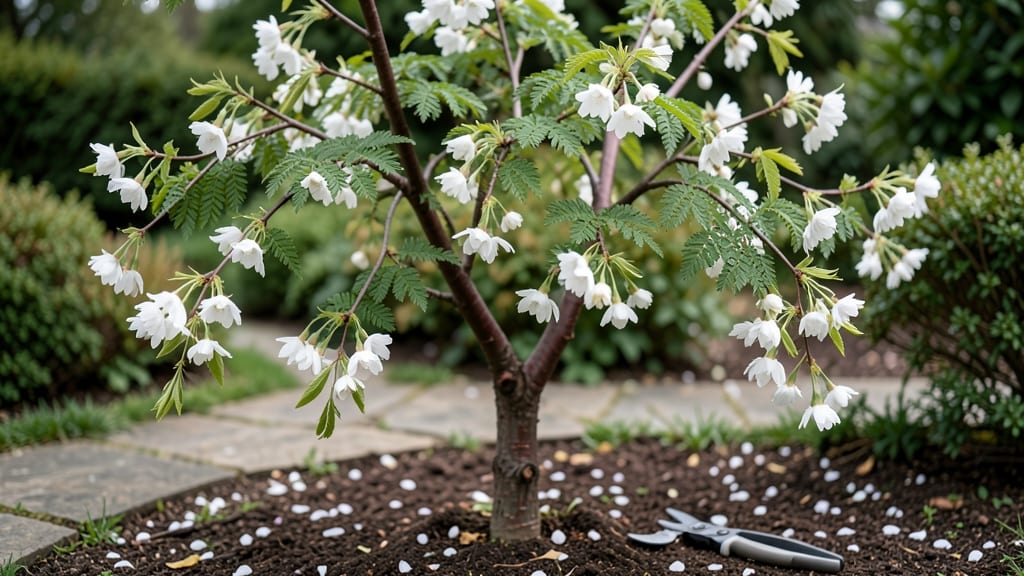
Planting a white flowering almond tree (Prunus triloba) transforms your yard into a fragrant springtime dream—imagine that delicate, cloud-like blossom canopy unfolding right outside your window. 🌸 I’ve grown mine in both full sun and partial shade, and the difference in bloom intensity is night-and-day.
The key isn’t just the variety you pick (though Prunus glandulosa is a showstopper), but the right spot where it can establish deep roots before the first frost hits.
You’ll need well-draining soil—these trees hate soggy feet—and a location with at least 6 hours of sunlight daily for peak flowering. Most nurseries carry bare-root saplings in early spring, but if you’re planting in summer, keep the roots moist until they’re in the ground.
The first year is all about getting those roots established; water deeply once a week unless Mother Nature does it for you. Pruning? Just shape it lightly in late winter—no need to stress over perfect branches yet.
By year three, you’ll have a 10-foot-tall fragrant cloud of white blossoms that hummingbirds and bees will fight over. The flowers fade into glossy green foliage that turns golden in fall, giving you seasonal interest.
And here’s the best part: these trees are drought-tolerant once established, so they’re perfect for low-maintenance gardens. Just watch for peach leaf curl in wet springs—copper fungicide early in the season keeps it at bay.
Works in USDA zones 5-8, whether you’re planting as a standalone specimen or lining a driveway for a romantic spring effect. The payoff? A tree that feels like a fairy tale but grows as reliably as your old oak. Let’s get yours in the ground before next spring’s bloom rush.
📚 In This Guide
- What you need
- Instructions
- Tips and common mistakes
- Wrapping up and next steps
What you need
- ● White flowering almond tree sapling (Prunus glandulosa) – 1 (bare-root or potted, 1–3 years old)
- ● Well-draining soil mix – 50% native soil + 50% compost or potting mix (avoid clay-heavy soil)
- ● 5-gallon container or planting hole – 2–3x wider than the root ball (for potted or in-ground planting)
- ● Organic mulch (wood chips or straw) – 2–3 inches (to retain moisture and regulate temperature)
- ● Balanced fertilizer (10-10-10 or 20-20-20) – 1–2 tbsp (for initial planting)
- ● Watering can or hose with gentle spray nozzle – For deep, consistent watering
- ○ Pruning shears (sterilized) – For shaping and removing dead branches (optional but helpful)
- ● Garden trowel or shovel – For digging planting holes (if in-ground)
- ● pH test kit – To ensure soil pH is 6.0–7.0 (ideal for almond trees)
- ● Drip irrigation system or soaker hose – For efficient watering (especially in dry climates)
- ○ Tree support stake (optional) – If planting in windy areas (use a soft tie to avoid girdling)
- ● Slow-release fertilizer granules – For ongoing nutrient support (apply in early spring)
- ● Pest control (neem oil or horticultural oil) – For aphids or spider mites (preventative measure)
- ● Decorative rocks or pebbles – To enhance mulch appearance (aesthetic touch!)
Step-by-step guide to growing a stunning white flowering almond tree
Here’s how to cultivate that dreamy spring canopy—fragrant, fast, and foolproof!
🌱 Step 1: Choose the Right Location and Planting Time
White flowering almond trees thrive in full sun—at least 6-8 hours daily—and well-draining soil. I plant mine in late fall or early spring when the ground isn’t frozen, giving roots time to establish before summer heat. Avoid low spots where water pools; almond trees despise soggy feet.
Dig a hole twice as wide as the root ball but only as deep as the container’s base. Loosen the sides of the hole to encourage root spread. If your soil is heavy clay, mix in 2-3 inches of coarse sand or compost to improve drainage. The tree’s first year is all about root growth—patience here pays off in blossoms!
🪴 Step 2: Plant and Stake for Stability
Place the tree so the top of the root ball sits 1-2 inches above ground level—this prevents waterlogging. Gently remove the container and tease the roots outward if they’re circling. Fill the hole with native soil, pressing lightly to remove air pockets. Water deeply to settle everything in.
Stake the tree if it’s tall or in a windy spot. Use two stakes on opposite sides, tied loosely with soft fabric (not wire—it can girdle the trunk). Mulch around the base with 2-3 inches of organic mulch, keeping it 6 inches away from the trunk to prevent rot. This keeps roots cool and conserves moisture—critical in the first growing season.
☀️ Step 3: Water and Fertilize for Strong Growth
Water deeply once a week for the first month, then taper to every 10-14 days once established. You’ll know it’s time when the top 2 inches of soil feel dry. Overwatering is the #1 killer—almond trees are drought-tolerant once rooted. Avoid wetting the foliage to prevent fungal diseases.
Fertilize lightly in early spring with a balanced 10-10-10 formula (use ½ the recommended dose). Too much nitrogen now means leafy growth at the expense of blossoms. In late summer, switch to a low-nitrogen, high-phosphorus fertilizer to encourage root development for next year’s flowers. Watch for new leaves in spring—that’s your cue the tree is happy!
✂️ Step 4: Prune for Shape and Bloom Potential
Prune in late winter (just before buds swell) to remove dead, crossing, or inward-growing branches. Aim for an open center to let sunlight and air circulate—this prevents disease and encourages abundant spring blooms. Cut back any suckers at the base; they drain energy from the main tree.
Here’s the thing—don’t over-prune. You want to maintain the tree’s natural shape while guiding growth upward. After pruning, apply a dormant oil spray to smother overwintering pests. By year 3, you’ll see those iconic white, fragrant blossoms—worth every trim!
⏰ Step 5: Protect and Prepare for Year 3 Blooms
Late frosts can damage blossoms, so monitor forecasts in early spring. If frost is predicted, drape frost cloth over the tree—just remove it during the day to avoid heat stress. Almond trees are self-pollinating, but bees love them! Planting a few nearby will boost fruit set (if you want nuts) or just enjoy the show.
By year 3, your tree should be 10-12 feet tall with a sturdy trunk. Mulch annually to retain moisture, and avoid heavy pruning—now’s the time to let it focus on flowering. Watch for pink buds in late winter—that’s your first sign of spring’s sweetest fragrance!
Tips & tricks for perfect white flowering almond tree growth
Here's what nobody tells you about transforming your yard into a fragrant spring paradise!
Location is Everything: That 6-8 hours of daily sun isn't just a suggestion—it's non-negotiable for those showstopping white blossoms. I've seen trees struggle in partial shade, producing sparse blooms. If your yard gets less than 6 hours, consider planting near a south-facing wall or fence that reflects sunlight. The tree's first year is all about establishing roots in that perfect sunny spot, so don't skimp on location scouting!
Root Ball Magic: When planting, gently tease those circling roots outward in the hole—this encourages them to spread instead of staying compacted. I've seen gardeners skip this step and end up with trees that struggle to establish properly. The wider the root spread in that first planting, the stronger your tree will be when blossom time arrives. And remember, that 1-2 inch elevation above ground level? It's not just about drainage—it prevents water from pooling against the trunk and causing rot.
Fertilizer Timing: That balanced 10-10-10 formula in early spring is your secret weapon for blooms, but timing matters. I've made the mistake of fertilizing too late in spring, and it resulted in leafy growth instead of blossoms. The key is to fertilize right as those first spring leaves appear—this gives the tree energy for both growth and flowering. And in late summer, switch to that high-phosphorus formula to build roots for next year's spectacular display.
Pruning for Perfection: Late winter pruning isn't just about shaping—it's about creating an open center that lets sunlight and air circulate. I've seen trees with dense canopies that never get proper airflow, leading to fungal issues. When you're cutting back those crossing branches, think "open vase shape." This isn't the time to be aggressive—just remove what's blocking light and air. After pruning, that dormant oil spray is your insurance policy against overwintering pests that could ruin your blossom dreams.
Pro Tips for White Flowering Almond Tree
- Here's what nobody tells you about transforming your yard into a fragrant spring paradise!
- Location is Everything: That 6-8 hours of daily sun isn't just a suggestion—it's non-negotiable for those showstopping white blossoms.
- Root Ball Magic: When planting, gently tease those circling roots outward in the hole—this encourages them to spread instead of staying compacted.
Frequently asked questions
Got questions about growing or caring for your white flowering almond tree? Here are some of the most common ones—plus straightforward answers to help you succeed!
How fast does a white flowering almond tree grow?
A white flowering almond tree typically grows 1 to 2 feet per year under ideal conditions. With proper care, you can expect a lush canopy in about 3 to 5 years. Young trees may grow faster with consistent watering, well-draining soil, and full sun exposure.
When is the best time to plant a white flowering almond tree?
The ideal planting window is late fall or early winter (before the ground freezes) or early spring (once soil temperatures rise above 40°F). Avoid planting in extreme heat or frost, as it can stress the tree. If you’re in a mild climate, fall planting gives roots time to establish before summer.
Why aren’t my white almond tree flowers blooming?
Several factors can delay blooms: young age (trees often take 2–3 years to flower), poor sunlight (they need 6+ hours of full sun daily), or nutrient deficiencies (add compost or a balanced fertilizer in early spring). If the tree is established but still not blooming, check for overwatering or compacted soil.
Can I grow a white flowering almond tree in a container?
Yes! Use a large container (at least 24 inches deep) with drainage holes and well-draining potting mix. Repot every 2–3 years and move it outdoors in spring/summer. However, container-grown trees may bloom less abundantly than those in the ground. Choose a dwarf variety if space is limited.
Are white flowering almond trees pollinated by bees?
Yes! While they’re self-pollinating, bees and other pollinators boost fruit production (if you want almonds). The fragrant white flowers attract pollinators in spring, making them a great addition to pollinator-friendly gardens. If you’re growing them purely for ornamentals, pollination isn’t critical—but it’s a bonus for the ecosystem!
Wrapping up and next steps
The white flowering almond tree isn’t just a stunning addition to your landscape—it’s a fragrant, fast-growing promise of spring that rewards patience with breathtaking beauty.
Whether you’re drawn to its delicate blossoms, drought-resistant charm, or the promise of edible nuts down the line, this tree delivers year after year. 🌸
Ready to transform your outdoor space? Start by gathering your supplies and follow the steps to plant your tree this season—your future self (and pollinators!) will thank you. Grab your list now and get growing!