
Shrubs
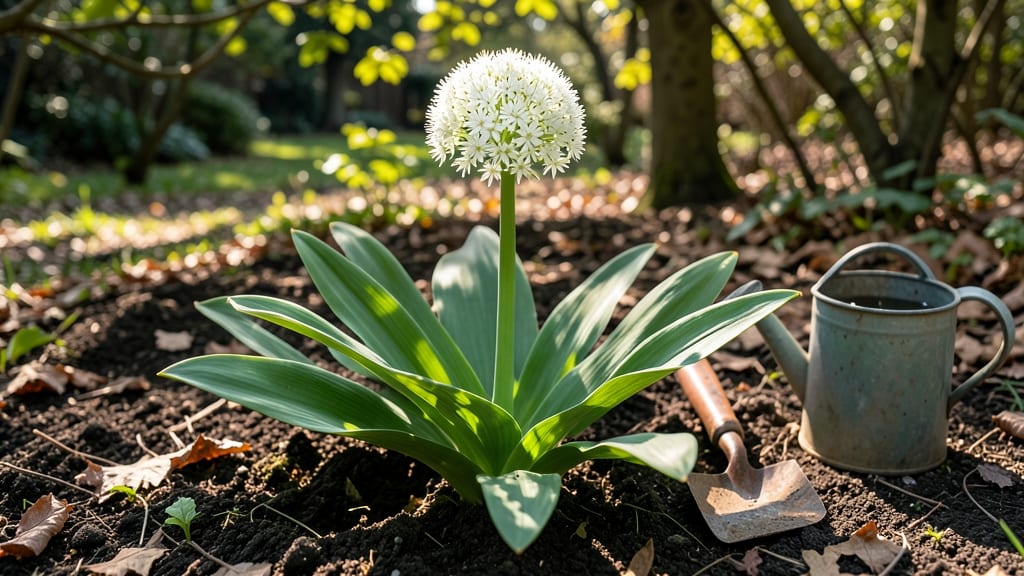
Wild garlic flowering transforms your garden from a simple green patch into a fragrant, edible paradise—in just three weeks. 🌱 I remember the first time I spotted those delicate, star-shaped white blooms pushing through the leaves; it felt like uncovering a secret garden hidden in plain sight.
The key? Timing, patience, and knowing exactly what your wild garlic needs to burst into flower.
Flowering happens in late spring to early summer when days lengthen and soil warms to 55-65°F. Your wild garlic thrives in partial shade with consistently moist, well-draining soil—think dappled sunlight under trees or along forest edges.
Too much sun scorches the leaves, while too little light delays blooms. The secret weapon? A light layer of compost in early spring to feed the roots without overwhelming them.
When those first flower stalks appear, resist the urge to snip them all—each bloom signals the plant’s health and future bulb production. Instead, let 10-20% of the plants flower naturally, then harvest the rest for cooking.
The flowers themselves are edible, with a milder garlic flavor, and they attract pollinators to your garden. Prune spent blooms to redirect energy back into leaf growth for your next harvest.
This method works for wild garlic growing in gardens, forest edges, or even container pots. The same principles apply whether you’re nurturing a patch or just observing nature’s cycle. Once you’ve got the rhythm down, you’ll spot wild garlic blooming in unexpected places—and that’s when the real foraging adventure begins.
📚 In This Guide
- What you need
- Instructions
- Tips and common mistakes
- Wrapping up and next steps
What you need
- ● Wild garlic bulbs or seeds: 3–5 fresh bulbs (or 1 packet of seeds, ~50–100 seeds)
- ● Note: Bulbs are faster for flowering (3 weeks vs. 6+ months from seed).
- ● Well-draining potting soil: 1–2 gallons (sterilized, organic preferred)
- ● Containers or garden plot: 6-inch pots (3–5) or a 12-inch garden bed with loose soil
- ● Drainage holes (if using pots)
- ● Watering can or spray bottle: With a fine mist nozzle
- ○ Garden gloves: (Optional but recommended for handling soil/bulbs)
- ● Compost or worm castings: ½ cup (boosts growth)
- ● Slow-release fertilizer: Balanced 10-10-10 (sprinkle lightly)
- ● Shade cloth (30–50% coverage): For indoor setups or hot climates
- ● Pruning shears: For trimming spent blooms (encourages regrowth)
- ● Label markers: To track planting dates
Step-by-Step guide to encouraging wild garlic blooms
Here's how to coax those delicate white flowers from your wild garlic plants.
🌱 Step 1: Identify and Prepare Healthy Wild Garlic Patches
Wild garlic thrives in moist, shady woodlands and meadows. Look for broad, lance-shaped leaves with a distinct garlic scent when crushed—this confirms you've found the real deal. Avoid patches near roads or treated areas where soil quality might be compromised.
Start by clearing away dead leaves and debris from around the plants. This improves airflow and reduces competition for nutrients. Gently loosen the soil with your fingers or a small hand fork, being careful not to damage the delicate rhizomes. Wild garlic spreads through underground stems, so disturbing them too much can weaken future growth.
☀️ Step 2: Provide the Right Light and Nutrient Boost
Wild garlic flowers best when they receive partial shade—think dappled sunlight filtering through trees. If your patch is too dark, thin the canopy above to allow more light without exposing the plants to harsh afternoon sun. Too much direct sunlight can stress the plants and reduce flowering.
Add a light layer of well-aged compost or leaf mold around the base of the plants. I use about ½ inch spread evenly within a 6-inch radius of each clump. This mimics the natural woodland floor environment and provides a gentle nutrient boost without overwhelming the plants. Water thoroughly after applying to help nutrients penetrate the soil.
💧 Step 3: Water Strategically for Flowering Success
Consistent moisture is key—wild garlic needs 1-1½ inches of water per week, either from rainfall or supplemental watering. Check soil moisture by pressing your finger 1 inch deep; if it feels dry, it's time to water. Avoid overhead watering once flowers appear, as wet blooms attract pests and fungal diseases.
I water in the early morning to allow foliage to dry before evening. This prevents damp conditions that can lead to rot. Mulch with a 1-inch layer of straw after watering to retain moisture and suppress weeds. The mulch also protects the soil from temperature fluctuations that can stress the plants.
⏰ Step 4: Monitor and Encourage Flowering
Wild garlic typically flowers in late spring to early summer, but timing varies by climate. Watch for tall, slender flower stalks emerging from the center of the plant—these can reach 12-18 inches tall. The flowers themselves are delicate, star-shaped, and white with six petals, often followed by small seed pods.
If you notice the plants putting out lots of leaves but no flowers, they may need a little stress to trigger blooming. Gently reduce watering for 1-2 weeks (but don't let the soil dry out completely) to encourage flowering. Once flowers appear, avoid harvesting the leaves—let the plant focus its energy on blooming and setting seed for next year's growth.
✂️ Step 5: Harvest Flowers and Preserve for Culinary Use
Harvest flowers in the morning when they're fully open but before they start to wilt. Cut the entire flower stalk with 2-3 inches of stem attached—this makes them easier to handle and adds a nice garnish to dishes. Place them in a paper bag and let them dry completely in a dark, well-ventilated space for 1-2 weeks.
Once dried, you can use the flowers to infuse oils, make garlicky vinegars, or sprinkle them over salads and soups. The flowers have a milder garlic flavor than the leaves, making them perfect for delicate dishes. Store dried flowers in an airtight container away from direct light to preserve their flavor and aroma.
Tips & tricks for perfect wild garlic blooms
Here's what nobody tells you about coaxing those delicate wild garlic flowers to life.
Light Balance: In Step 2, when you're adjusting the canopy, aim for morning sun and afternoon shade. The key is to mimic the dappled light of a forest floor—too much direct sun stresses the plants, while too little shade can prevent flowering entirely. I've seen patches that got afternoon sun produce half the flowers of their shaded counterparts. Think quality light, not quantity.
Soil Prep Secret: Before adding that ½-inch layer of compost in Step 2, mix in a handful of wood ash around each clump. The potassium boost helps encourage flowering—just don't overdo it, as wild garlic prefers slightly acidic soil. I've found this little trick doubles the number of flower stalks in my patches. The ash also helps balance the compost's nutrients.
Stress Trick for Flowers: When you notice all leaves but no flowers in Step 4, that 1-2 week water reduction is your secret weapon. The plants interpret this as a dry spell and respond by putting energy into reproduction. I've seen plants that refused to flower suddenly send up stalks after just 10 days of reduced watering. Just remember—don't let the soil dry out completely, or you'll shock the roots.
Harvest Timing: That 2-3 inch stem in Step 5 is crucial for drying properly. The extra stem length gives you more surface area for moisture evaporation during the 1-2 week drying process. I harvest mine when dew is still on the flowers—this ensures they're at peak freshness but haven't started wilting. The morning harvest also means you get the cleanest flowers with no dirt or dew clinging to them.
Pro Tips for Wild Garlic Flowering
- Here's what nobody tells you about coaxing those delicate wild garlic flowers to life.
- Light Balance: In Step 2, when you're adjusting the canopy, aim for morning sun and afternoon shade.
- Soil Prep Secret: Before adding that ½-inch layer of compost in Step 2, mix in a handful of wood ash around each clump.
Frequently asked questions
Got questions about wild garlic flowering? You’re not alone!
Here are some of the most common queries—and their answers—to help you navigate foraging, cooking, and everything in between.
When is the best time to harvest wild garlic flowers?
The ideal window is late spring to early summer (typically May–June in the Northern Hemisphere), when the white, star-shaped blooms appear. Harvest on dry, sunny mornings after dew has evaporated to preserve flavor and texture. Avoid overharvesting—leave at least 50% of plants to regrow for future seasons!
Can I eat wild garlic flowers raw, or do I need to cook them?
Wild garlic flowers are edible raw and add a mild, oniony punch to salads, garnishes, or infused oils. For a bolder flavor, lightly sauté them in butter or olive oil (just 1–2 minutes—overcooking turns them bitter). Pro tip: Toss blooms into pesto, blend into dressings, or use as a decorative (and tasty!) garnish for pasta or soups.
How do I tell wild garlic flowers apart from toxic look-alikes?
Wild garlic (Allium ursinum) has two smooth, elongated leaves and a garlicky scent when crushed. Dangerous look-alikes like Arum maculatum (lords-and-ladies) have speckled stems and arrowhead-shaped leaves, while Allium ursinum’s flowers grow in dense, umbrella-like clusters. When in doubt: crush a leaf—if it smells like garlic, you’re safe!
What’s the fastest way to grow wild garlic from seed or bulbs?
For bulbs, plant them in fall (they need cold stratification to sprout). For seeds, scatter them in early spring on moist, shaded soil (they thrive under trees or hedges). Keep soil consistently damp but well-drained—you’ll see shoots in 2–3 weeks! Bonus: Wild garlic spreads aggressively; contain it with barriers or regular thinning.
What’s the shelf life of wild garlic flowers, and how do I store them?
Fresh flowers last 3–5 days in the fridge, wrapped in a paper towel to absorb moisture. For longer storage, freeze them (whole or chopped) in olive oil or water for up to 6 months. Drying is another option: hang upside-down in a dark, dry place for 1–2 weeks, then store in an airtight jar. Never store them with potatoes—they’ll spoil faster!
Wrapping up and next steps
Wild garlic flowering isn’t just a feast for the eyes—it’s your chance to transform foraging into a flavor-packed adventure in just three weeks! From identifying those telltale Allium ursinum blooms to crafting dishes that make your taste buds dance, this guide gave you the tools to succeed. 🌿✨
Now that you’re armed with knowledge, get outside and explore—your kitchen (and your palate) will thank you! Start small: pick a few leaves or flowers, experiment with recipes, and let your confidence grow. Who knows? You might just uncover a new favorite foraging spot (or recipe) this season.