
Flowers
A winter bouquet of flowers isn’t just possible—it’s a fragrant, evergreen centerpiece that steals the show during the holidays. 🌿 I remember the first time I arranged one using pine sprigs, dried lavender, and holly berries; the scent alone made our living room feel like a cozy forest retreat.
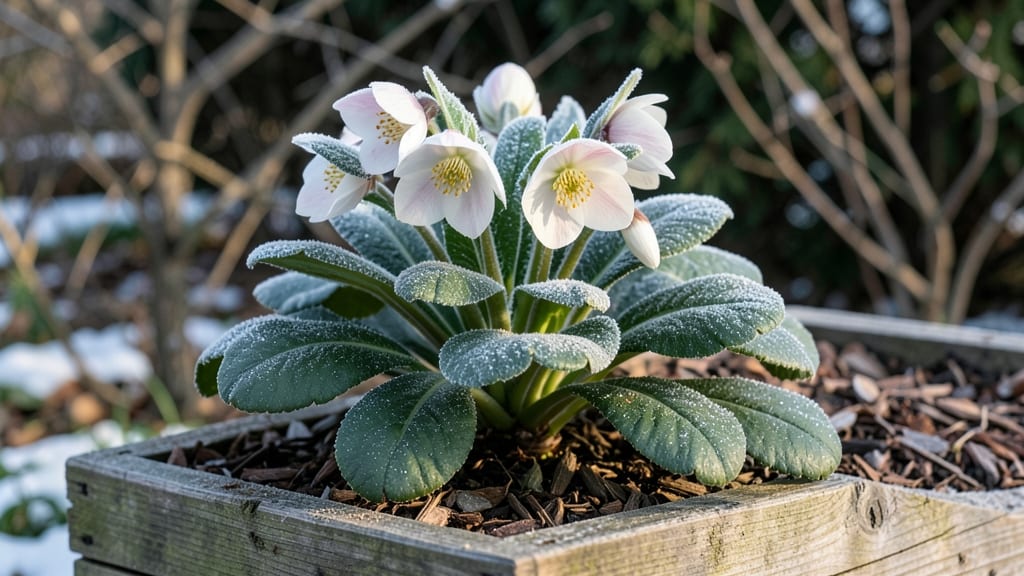
The key isn’t forcing spring blooms—it’s working with what thrives in cold weather, like eucalyptus, hellebores, and even winter jasmine.
You don’t need fancy tools or a greenhouse to pull this off. Grab some sharp pruners, a shallow vase or basket, and a mix of evergreen branches, dried flowers, and seasonal berries.
The magic happens in the arrangement: cluster greens at the base, let stems vary in length, and tuck in a few fragrant sprigs like rosemary or cedar. Even a small bouquet can fill a room with holiday charm.
What you’ll end up with is a bouquet that lasts weeks, not days—one that smells like the forest after a fresh snowfall. The textures are rich (woolly lamb’s ear, glossy holly), the colors are deep (burgundy berries, silver eucalyptus), and the scent lingers long after the lights go out.
Plus, it’s a project that feels like a hug for your home.
Best part? You can adapt this for any winter season—swap in local evergreens, dried flowers, or even foraged branches. Whether you’re decorating for Christmas, a New Year’s gathering, or just want to brighten up a gray day, this bouquet delivers. Let’s get started!
📚 In This Guide
- What you need
- Instructions
- Tips and common mistakes
- Wrapping up and next steps
What you need
- ● Evergreen stems: 3-5 branches (e.g., pine, cedar, or spruce) – cut fresh for best fragrance
- ● Floral picks: 5-7 winter blooms (e.g., amaryllis, poinsettia, or camellia) – mix colors for contrast
- ● Filler flowers: 3-5 berries (e.g., holly, cranberry, or eucalyptus) – adds texture and winter charm
- ● Floral preservative: 1 packet (or 1 tsp. sugar + 1 tbsp. white vinegar in water)
- ● Scissors or floral shears: 1 pair (sharp for clean cuts)
- ● Floral tape or twine: 1 roll (for securing stems)
- ● Vase or container: 1 (ceramic, glass, or wooden – at least 6 inches wide)
- ● Dried flowers (e.g., statice or dried roses) for added texture
- ● Ribbon or decorative tape for wrapping stems
- ● Small pinecones or cinnamon sticks for rustic flair
- ● Waterproof glue (to secure loose stems or berries)
How to create a winter bouquet of fragrant evergreens
Here’s how to craft a holiday centerpiece that smells as good as it looks.
🌿 Step 1: Select Your Evergreen Base
Start with pine, spruce, or cedar branches—they’re the backbone of any winter bouquet. I like to mix 3-4 types for texture and scent. Look for fresh, vibrant greenery with a natural sheen. Avoid branches that feel dry or brittle, as they won’t hold up well. A good rule of thumb: if it smells like Christmas when you pick it, it’s perfect.
Cut branches at a 45-degree angle with sharp pruners to maximize water uptake. Bundle them into a 3-inch-wide base (about the width of a standard vase) and secure with floral tape or twine. This creates a sturdy foundation for your bouquet. If you’re using pre-cut greens, skip the trimming and move straight to arranging.
🪴 Step 2: Add Filler Flowers and Berries
Now it’s time for the holiday pop—think eucalyptus, hypericum berries, or dried roses. I usually add 5-7 stems of eucalyptus for fragrance and softness, along with a handful of berries (like cranberries or winterberry) for color. Place them around the base, weaving them through the greenery to create a full, layered look.
Don’t overcrowd—leave space between stems so air can circulate. If using dried flowers, mist them lightly with water to revive their color. The goal is a natural, organic shape, not a perfectly symmetrical one. A slightly uneven bouquet feels more rustic and inviting.
☀️ Step 3: Secure and Display
Wrap the entire arrangement with floral wire or raffia to hold everything in place. Slide the wired base into a wide-mouth vase (like a mason jar or ceramic container) and fill it with lukewarm water—just enough to cover the cut ends. Add a flower food packet if you want the bouquet to last longer than a week.
Place your bouquet where the scent can spread—near a fireplace, dining table, or entryway. Evergreens release their fragrance best in cooler air, so avoid direct heat sources. If the branches start to droop after a few days, trim the ends again and refresh the water to keep them perky.
⏰ Step 4: Make It Last Through the Holidays
Winter bouquets thrive on low maintenance, but a little care goes a long way. Check the water every 2-3 days and top it off as needed. If the greenery starts to yellow, trim the bottom inch of stems and give them a fresh drink. Avoid placing the bouquet in direct sunlight, which can dry it out faster.
For extra longevity, mist the arrangement lightly with water once a week. This keeps the eucalyptus and berries looking fresh and fragrant. If you’re using fresh-cut branches, expect your bouquet to last 10-14 days—plenty of time to enjoy it through New Year’s!
Tips & tricks for perfect winter evergreen bouquets
Creating a fragrant winter bouquet is all about balance—between texture, scent, and visual appeal. Here are the little details that make all the difference.
Selection Tip: When gathering your pine, spruce, or cedar branches, focus on the scent first. Fresh branches should smell like a forest on Christmas morning—if they don't, they're past their prime. For extra fragrance, include a few sprigs of rosemary or thyme among your evergreens. These herbs add a subtle piney aroma that complements the greenery beautifully.
Cutting Technique: The 45-degree angle cut isn't just about looks—it's about hydration. A clean, angled cut maximizes surface area for water absorption, helping your bouquet stay fresh longer. Use sharp pruners to avoid crushing stems, which can block water flow. If you're using pre-cut greens, trim just ¼ inch off the ends before arranging to refresh them.
Layering Secret: For that lush, full look, think of your bouquet in thirds: bottom layer (tallest branches), middle layer (medium stems), and top layer (shorter accents). The eucalyptus and berries should peek through the greenery like little holiday surprises. I like to tuck the eucalyptus stems deeper in the arrangement—their fragrance will rise naturally as the bouquet ages.
Water Wisdom: That lukewarm water isn't just a suggestion—it's crucial. Cold water can shock the stems, while hot water can cook them. The gentle warmth helps the stems absorb water immediately. Add a flower food packet if you want your bouquet to last through New Year's—it's worth the small investment for that extra week of holiday cheer.
Pro Tips for Winter Bouquet Of Flowers
- Creating a fragrant winter bouquet is all about balance—between texture, scent, and visual appeal.
- Selection Tip: When gathering your pine, spruce, or cedar branches, focus on the scent first.
- Cutting Technique: The 45-degree angle cut isn't just about looks—it's about hydration.
Frequently asked questions
Got questions about creating your perfect winter bouquet of flowers?
You’re not alone! Here are some of the most common queries—plus quick, practical answers to help you craft a fragrant, evergreen masterpiece that steals the show this holiday season.
What are the best flowers for a winter bouquet that lasts?
Opt for hardy, long-lasting blooms like eucalyptus (with its silvery foliage), pine or cedar sprigs for texture, and carnations or roses in deep reds, whites, and burgundies. Avoid delicate flowers like tulips—they wilt fast! Pro tip: Add a few dried flowers (like statice or babys breath) for extra longevity.
How long will a winter bouquet stay fresh?
With the right care, a winter bouquet can last 10–14 days! Trim stems at an angle, change the water every 2–3 days, and store it in a cool spot away from direct sunlight or heat sources (like radiators). For extra freshness, add a flower food packet or a splash of bleach (1 tsp per gallon of water) to prevent bacterial growth.
Are there budget-friendly alternatives to expensive winter flowers?
Skip pricy blooms and focus on evergreens (pinecones, cedar, or holly) for structure, then add affordable filler like baby’s breath, dried wheat stalks, or even spray-painted faux flowers for a rustic touch. Thrift stores or local farms often sell bulk greenery at a fraction of the cost—perfect for DIYers!
Will a winter bouquet smell in a warm room?
Some winter flowers (like poinsettias, pine, or eucalyptus) release their fragrance more strongly in warmth, while others (like roses) may wilt faster. To balance this, place your bouquet in a cool but visible spot (like a side table) and avoid sealing it in a vase with a lid. For maximum scent, add scented pinecones or a drop of essential oil (like peppermint) to the water!
How can I revive a droopy winter bouquet?
Don’t toss it yet! First, recut the stems at a 45-degree angle and place them in cool water for 1–2 hours. Add a flower food packet or a mix of sugar and bleach (1 tsp each per quart of water) to rehydrate the blooms. If the stems are mushy, trim off the damaged parts and let them soak overnight. For greenery, mist with water and fluff the foliage gently. Most bouquets bounce back with TLC!
Wrapping up and next steps
Creating a winter bouquet of flowers is more than just a seasonal trend—it’s an art that brings warmth, fragrance, and holiday cheer to your space. 🌿 Whether you’re crafting a fragrant evergreen arrangement for your table or gifting a handmade bouquet, the key is embracing nature’s winter beauty with confidence.
With the right materials and a little creativity, you can turn simple blooms into a stunning centerpiece that lasts through the season.
Now that you’re inspired, why not take the next step? Try experimenting with textures—add pinecones, dried orange slices, or even a sprig of rosemary for extra charm. Share your creations on social media with #WinterBouquetMagic and let your holiday spirit shine! 🎄✨