
Flowers
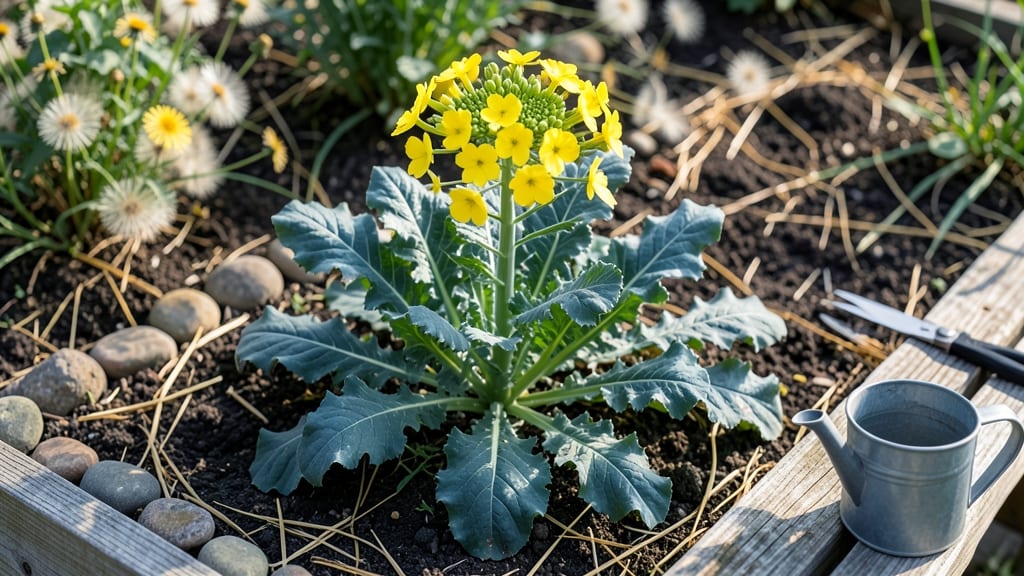
Yellow brassica flowers bring sunshine to your garden and your plate—these cheerful blooms double as edible garnishes and pollinator magnets. I first fell for their bright yellow hues while designing a cottage-style border, and they’ve been a staple ever since.
Their delicate petals add a pop of color that pairs beautifully with purples, blues, and soft pinks, while their low-maintenance nature makes them perfect for busy gardeners.
These hardy annuals thrive in full sun and well-drained soil, making them ideal for borders, rock gardens, or even container plantings. They bloom from early spring through fall, giving you months of vibrant color with minimal effort.
Plus, their mild, slightly peppery flavor makes them a unique addition to salads, cocktails, or as a garnish for roasted dishes.
Imagine a garden bed bursting with yellow brassicas interspersed with lavender or blue salvia for a striking contrast, or use them to line a pathway where their cheerful blooms guide visitors. They’re also fantastic for cutting, adding freshness to bouquets while keeping your garden looking lively.
Whether you’re designing a pollinator-friendly garden or simply want to add a splash of color, these flowers deliver beauty and utility without the fuss. Let’s explore how to incorporate them into your landscape for maximum impact.
📚 In This Guide
- What you need
- Instructions
- Tips and common mistakes
- Wrapping up and next steps
What you need
- ● Yellow brassica flower seeds (e.g., Brassica oleracea varieties like Calabrese or Broccoli Raab): Quantity: 1–2 packets (20–50 seeds per packet)
- ● Specification: Organic, non-GMO preferred for edible use
- ● Well-draining potting mix: Quantity: 1–2 cubic yards (for in-ground planting) or 1–2 10-liter bags (for containers)
- ● Specification: Lightweight, amended with compost (20–30% organic matter)
- ● Containers or garden bed: Option 1: Containers (5–7" deep, 12" diameter minimum per plant)
- ● Option 2: In-ground bed (full sun exposure, 6+ hours/day)
- ● Fertilizer: Balanced organic fertilizer (10-10-10 or 5-5-5 NPK ratio)
- ● Quantity: 1–2 tbsp per plant at planting, repeat every 4–6 weeks
- ● Watering can or hose with nozzle (for gentle watering)
- ○ Garden gloves (optional but recommended for handling soil)
- ● Freshly harvested yellow brassica flowers (or pre-purchased from a trusted supplier)
- ● Sharp kitchen shears or scissors (for trimming stems)
- ● Colander (for rinsing flowers gently)
- ● Paper towels or salad spinner (to dry flowers thoroughly)
- ○ Optional garnish tools: Tweezers (for delicate placement)
- ● Edible glitter or gold leaf (for festive dishes)
How to grow and care for yellow brassica flowers
Here's the straightforward approach I've used to grow these beautiful, edible blooms successfully.
Choose the Right Varieties for Your Climate
Yellow brassica flowers come from several cold-hardy varieties like calendula, borago (borage), or marigolds—all of which thrive in cooler weather. I prefer calendula for its vibrant petals and mild peppery flavor. Start with seeds from a trusted supplier, as they're often more reliable than transplants for edible flowers.
Check your USDA hardiness zone—most brassicas grow well in zones 3-10, but borage handles heat better than calendula. If you're in a hotter zone, opt for borago or marigolds instead. Plant seeds 4-6 weeks before the last frost for spring blooms or late summer for fall harvests.
Prepare the Soil and Plant Correctly
Brassica flowers love well-draining, fertile soil with a pH of 6.0-7.0. Mix 2 inches of compost into the top 6 inches of soil before planting. Avoid fresh manure—it can burn young seedlings. I like to add a handful of aged compost directly to each planting hole for extra nutrients.
Sow seeds ¼ inch deep and 12 inches apart in rows 18 inches apart. Thin seedlings to the strongest plant per spot once they reach 2 inches tall. If planting in containers, use 5-gallon pots with drainage holes—brassicas hate soggy roots. Water gently after planting to settle the soil without disturbing seeds.
Provide Consistent Water and Light
Keep soil evenly moist but never waterlogged—yellow brassicas wilt quickly when thirsty. Water at the base of plants in the morning to prevent fungal diseases. Once established, they tolerate light drought but produce best with 1-1.5 inches of water per week. Mulch with 2 inches of straw to retain moisture and suppress weeds.
Place plants in full sun (6+ hours daily) for the brightest blooms. If growing in partial shade, expect fewer flowers. I’ve found that morning sun and afternoon shade works well in hot climates, though petals may fade faster. Watch for pale leaves—a sign of too little light or nutrient deficiency.
Encourage Blooms and Harvest Properly
Deadhead spent flowers regularly to prompt continuous blooming. Pinch off yellow or wilted blooms with clean scissors, leaving ½ inch of stem. This prevents the plant from putting energy into seed production. I harvest every 2-3 days in peak season to keep the plant producing.
Harvest flowers in the early morning when petals are fully open but still crisp. Use clean, sharp scissors to cut stems at a 45-degree angle just above a leaf node. Rinse gently in cold water and pat dry with a paper towel—never let them sit in water, as they wilt quickly. Store in the fridge for up to 3 days or use immediately in salads.
Protect From Pests and Diseases
Watch for aphids, cabbage worms, or powdery mildew—common brassica pests. I spray plants with neem oil at the first sign of trouble, repeating every 7-10 days if needed. For cabbage worms, handpick eggs or use row covers early in the season. Avoid chemical sprays near edible flowers.
Rotate crops yearly to prevent soil-borne diseases. If mildew appears, improve airflow by thinning plants or moving them to a sunnier spot. Yellowing leaves can also signal clubroot disease—if this happens, remove affected plants immediately and avoid planting brassicas in that spot for 2 years.
Tips & tricks for perfect yellow brassica flowers
These simple strategies will help you grow the most vibrant, flavorful edible blooms possible.
Variety Selection Matters: When choosing between calendula, borago, and marigolds, consider your climate and intended use. Calendula has the mildest peppery flavor perfect for salads, while borago adds a cucumber-like taste that works beautifully in cocktails. For hotter zones, marigolds are more heat-tolerant but have a stronger flavor. I've found that planting a mix gives you both visual variety and flavor diversity in your kitchen.
Soil Preparation Secret: The key to lush brassica flowers lies in that initial soil prep. Don't just mix compost into the top layer—work it down to 6 inches deep where roots will grow. I like to add a handful of aged compost directly to each planting hole, which gives seedlings an immediate nutrient boost. This extra effort pays off with stronger plants that produce more blooms. Remember, brassicas hate soggy roots, so always use containers with drainage holes if growing in pots.
Light Management Technique: While full sun is ideal, I've learned that morning sun with afternoon shade works best in hot climates. The intense afternoon heat can cause petals to fade faster, especially with calendula. If you notice pale leaves, it's a sign your plants need more light or nutrients. Rotate containers occasionally if growing indoors to ensure even light exposure all around.
Harvesting Hack: The early morning harvest is non-negotiable for crisp petals. I've found that cutting stems at a 45-degree angle just above a leaf node encourages new growth. For continuous blooming, deadhead every 2-3 days during peak season. Store harvested flowers in the fridge for up to 3 days, but use them fresh whenever possible—they lose their vibrant color when stored too long.
Pro Tips for Yellow Brassica Flowers
- These simple strategies will help you grow the most vibrant, flavorful edible blooms possible.
- Variety Selection Matters: When choosing between calendula, borago, and marigolds, consider your climate and intended use.
- Soil Preparation Secret: The key to lush brassica flowers lies in that initial soil prep.
Frequently asked questions
Got questions about growing, harvesting, or using yellow brassica flowers?
Here are some of the most common ones—plus quick answers to keep your edible blooms thriving!
What’s the best time to harvest yellow brassica flowers?
Harvest your flowers in the morning after the dew dries but before the sun peaks (around 8–10 AM). This ensures maximum flavor and color vibrancy. Avoid harvesting after rain—moisture can dull petals or attract pests. Use clean, sharp scissors to snip stems just above a leaf node for regrowth.
Can I grow yellow brassica flowers in containers?
Varieties like Calabrese or Broccolini thrive in containers as long as the pot is at least 12–18 inches deep with drainage holes. Use well-draining soil and place them in full sun (6+ hours/day). Just keep an eye on watering—containers dry out faster than garden beds.
How do I store harvested yellow brassica flowers?
Store them in the fridge (not the freezer!) in a sealed container with a damp paper towel to retain moisture. They’ll stay fresh for 3–5 days. For longer storage, blanch and freeze them in olive oil (like you would broccoli florets) to preserve color and texture.
Are these flowers safe for bees and pollinators?
Yes! Yellow brassica flowers are bee-friendly and attract pollinators like butterflies and hoverflies. Plant them alongside other pollinator magnets (like marigolds or borage) to create a thriving garden ecosystem. Just avoid pesticides—chemicals harm both pests and beneficial insects.
What if my flowers taste bitter? How do I fix it?
Bitterness often means the plant is stressed—check for over-maturity (harvest younger buds) or nutrient deficiencies (add compost or a balanced fertilizer). Avoid planting in hot, dry conditions; brassicas prefer cooler temps (50–75°F). If the soil is too alkaline, amend with sulfur to lower pH.
Wrapping up and next steps
Yellow brassica flowers aren’t just a feast for the eyes—they’re a delicious, nutrient-packed addition to your culinary creations! 🌼 From their bold flavor to their versatile uses, these edible blooms bring color, crunch, and character to any dish.
Whether you’re a home gardener or a foodie looking to elevate your meals, now’s the perfect time to experiment with these vibrant beauties.
Ready to dive in? Start small—pick a few blooms from your garden or a trusted supplier, and try them in a simple salad or as a garnish. Before you know it, you’ll be confidently incorporating them into everything from soups to cocktails. Happy growing (and eating)! 🌱✨