
Flowers
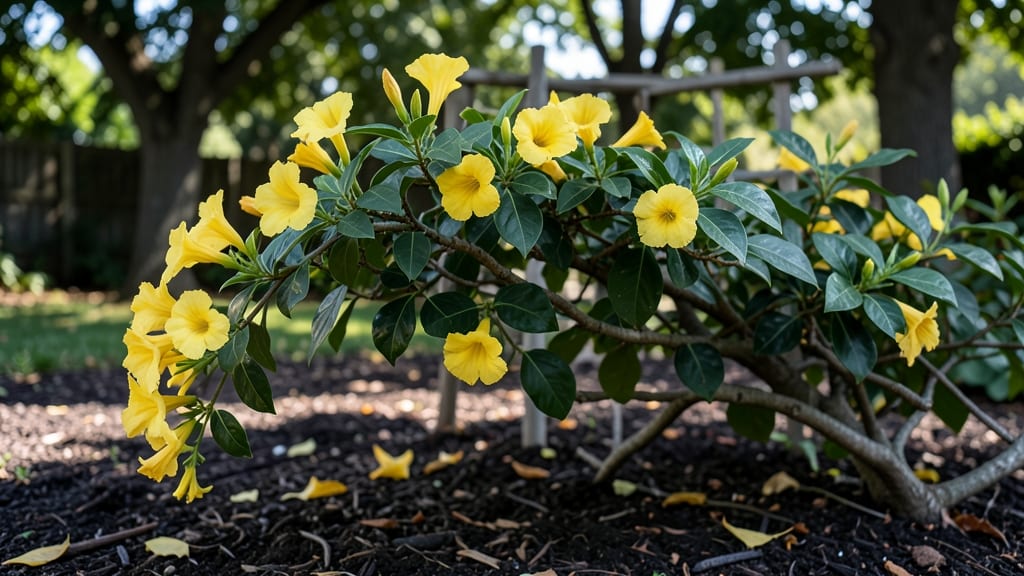
The yellow Mandevilla flower isn’t just another vine—it’s a sun-drenched explosion of golden blooms that turns any patio or balcony into a tropical paradise. 🌞 I’ve grown these vibrant beauties for years, and they never fail to deliver nonstop color from spring until frost, with minimal fuss.
The secret lies in mimicking their native Brazilian forest habitat: bright light, well-draining soil, and just enough water to keep roots happy without drowning them.
What sets yellow Mandevilla apart is its bold, citrusy hue—far brighter than the classic pink or red varieties—and its heat-loving nature. Unlike finicky tropical plants, this one thrives in full sun, making it perfect for southern climates or sunny urban spaces.
The trade-off? It demands rich, fast-draining soil and winter protection in colder zones, but the payoff is worth it: months of effortless blooms that attract hummingbirds and fill the air with a sweet, intoxicating fragrance.
📚 In This Guide
- What you need
- Instructions
- Tips and common mistakes
- Wrapping up and next steps
What you need
- ● Yellow Mandevilla Plant: 1 healthy young plant (3-6 inches tall) or 1-2 mature cuttings (4-6 inches long).
- ● Pro tip: Look for plants labeled Mandevilla × amabilis or Mandevilla 'Goldilocks' for that bright yellow hue! 💡
- ● Well-Draining Potting Mix: 5-10 gallons, depending on pot size (use a blend of 50% cactus/succulent mix + 50% perlite or orchid bark).
- ○ Optional: Add a handful of worm castings (1 cup) for extra nutrients.
- ● Containers: 1-2 pots (12-18 inches in diameter) with drainage holes (terracotta or fabric grow bags work great!).
- ● For outdoor planting: Ensure the spot gets 6+ hours of direct sunlight and has well-draining soil.
- ● Basic Gardening Tools: 1 pair of sterilized pruning shears (for trimming and propagation).
- ● 1 trowel (for repotting or planting).
- ● 1 spray bottle (for misting cuttings).
- ● Fertilizer: 1 balanced liquid fertilizer (e.g., 10-10-10 or 20-20-20, diluted to half-strength).
- ○ Optional: Slow-release granules (like Osmocote) for convenience.
- ● Mulch: 1 bag of organic mulch (e.g., pine bark or shredded leaves) to retain moisture.
- ● Prerequisites: A sunny spot (yellow mandevilla thrives in full sun!).
- ● Access to warmth (below 50°F/10°C can stunt growth).
- ○ Optional: A trellis or support structure (4-6 feet tall) for climbing.
Step-by-step instructions for cultivating vibrant yellow Mandevilla vines
Here's how to coax those stunning golden blooms from your new tropical vines.
🪴 Step 1: Select the Perfect Container and Soil Mix
Yellow mandevilla thrives in well-draining soil that mimics its native tropical environment. Choose a 5-7 gallon container with drainage holes—these vines hate soggy roots. I prefer terracotta pots because they breathe and help regulate moisture, though any sturdy container with drainage works.
Use a lightweight, airy potting mix blended with 20-30% perlite or orchid bark to prevent compaction. The mix should feel fluffy when squeezed—like a damp sponge—not dense like garden soil. Add a slow-release fertilizer at planting time for a nutrient boost without the risk of burning tender roots.
☀️ Step 2: Position for Maximum Sun Exposure
This isn't your average shade-tolerant vine—yellow mandevilla demands 6-8 hours of direct sunlight daily. Place your container where it gets morning sun and afternoon shade in hot climates, or full sun exposure if you're in a cooler zone. You'll know it's getting enough light when new growth appears within 3-4 weeks and leaves stay a vibrant green.
If you notice leaves turning yellow or stems growing leggy, your plant needs more light. Rotate the pot a quarter turn weekly so the vine grows evenly toward the sun. In winter, supplement with a grow light 6-12 inches above for 12-14 hours daily—this prevents dormancy and keeps blooming continuous.
💧 Step 3: Master the Watering Balance
Water when the top 1-2 inches of soil feel dry to touch, but never let the roots sit in moisture. I water deeply until it drains from the bottom, then empty the saucer after 10 minutes—soggy roots cause root rot faster than anything else. During summer heat, you might water every 2-3 days, but reduce to once weekly in winter when growth slows.
Here's the thing—yellow mandevilla wilt signals are tricky. The leaves might droop slightly in the afternoon heat, but they should spring back when watered. If they stay wilted overnight, you've either overwatered or the roots are struggling. Always check soil moisture before watering again—this vine is drought-tolerant once established.
✂️ Step 4: Prune for Bushier Growth and Continuous Blooms
Pruning isn't just about shaping—it's how you encourage more flowers. After the first flush of blooms, cut back leggy stems by one-third just above a leaf node. This stimulates branching and denser foliage. I prune in early spring and again after each major bloom cycle to maintain shape and health.
Remove any yellowing leaves or spent blooms immediately—they sap energy from new growth. Never cut into woody stems; always prune just above a leaf node where new growth can emerge. With regular pruning, you'll get nonstop blooms from spring through fall in the right climate.
🌿 Step 5: Feed and Protect for Year-Round Beauty
Feed every 4-6 weeks during growing season with a balanced liquid fertilizer (10-10-10 or 20-20-20). I halve the recommended dose in summer heat to prevent fertilizer burn. In winter, reduce feeding to every 8-12 weeks as growth slows dramatically.
Watch for pests like aphids or spider mites—these love the tender new growth. Spray with neem oil at the first sign of trouble. For extra protection, bring containers indoors when night temperatures drop below 50°F. Your yellow mandevilla will reward you with glorious golden blooms year after year if you keep it happy and healthy.
Tips & tricks for cultivating vibrant yellow Mandevilla vines
These sun-loving beauties reward careful attention with nonstop golden blooms—here's how to maximize their potential.
Container Selection: While terracotta is my favorite, plastic containers actually retain moisture better in dry climates. If using plastic, increase the perlite ratio to 30-40% to prevent compaction. Avoid metal containers—they can overheat in direct sun and damage delicate roots.
Light Optimization: The 6-8 hours of direct sunlight requirement is non-negotiable, but don't assume all sun is equal. South-facing windows provide the most consistent light, while west-facing windows can deliver intense afternoon heat. In apartments, supplement with a full-spectrum LED grow light for 12-14 hours daily during winter months when natural light diminishes.
Watering Wisdom: That 10-minute drainage rule is crucial—yellow mandevilla roots are particularly sensitive to waterlogging. I've found using a moisture meter at the top 1-2 inches of soil prevents overwatering. For container growers, consider self-watering pots with a reservoir to maintain consistent moisture without soggy roots.
Pruning Precision: When cutting back leggy stems by one-third, focus on removing the longest, most woody growth first. This creates immediate air circulation and encourages bushier growth. I always sterilize my pruning shears with rubbing alcohol between cuts to prevent disease transmission—especially important for tropical plants that thrive in warm, humid conditions.
Pro Tips for Yellow Mandevilla Flower
- These sun-loving beauties reward careful attention with nonstop golden blooms—here's how to maximize their potential.
- Container Selection: While terracotta is my favorite, plastic containers actually retain moisture better in dry climates.
- Light Optimization: The 6-8 hours of direct sunlight requirement is non-negotiable, but don't assume all sun is equal.
Frequently asked questions
Got questions about growing yellow Mandevilla flowers? You’re not alone—this stunning vine has a few quirks! Here are answers to the most common queries to help you cultivate a thriving, bloom-filled plant with ease.
How fast does yellow Mandevilla grow, and how big can it get?
Yellow Mandevilla is a fast grower—expect 12–24 inches of new growth per year under ideal conditions. With proper pruning, it can reach 10–15 feet when trained on a trellis or fence. In containers, growth is slower but still vigorous (6–10 feet). Pro tip: Regular pruning after blooms encourages bushier, fuller vines!
When is the best time to plant yellow Mandevilla?
The ideal planting window is after the last frost in spring (when soil temps stay above 60°F) or in early fall (6–8 weeks before your first frost). If you’re in a warm climate (Zones 9–11), plant anytime! For cooler areas, treat it as an annual or overwinter indoors. Warning: Never plant in freezing temps—Mandevilla is tender and won’t survive frost.
How often should I water yellow Mandevilla, and what if the leaves turn yellow?
Water when the top inch of soil feels dry—typically 2–3 times per week in hot weather (daily in extreme heat). Overwatering is the #1 killer! Yellow leaves often signal root rot (from soggy soil) or underwatering (crispy edges). Check drainage and adjust watering—Mandevilla prefers consistent moisture but well-draining soil.
Can yellow Mandevilla grow in shade, or does it need full sun?
Full sun (6+ hours daily) is best
for vibrant blooms and healthy growth, but Mandevilla tolerates partial shade (3–4 hours of sun) in hot climates. In shadier spots, expect fewer flowers and slower growth. If indoors, place near a south-facing window or use grow lights. Pro tip: Morning sun + afternoon shade works well in intense heat!
Why isn’t my yellow Mandevilla blooming, even though it’s healthy?
Nonstop blooms rely on sunlight, nutrients, and pruning. Common culprits:
- Not enough sun (move to a sunnier spot).
- Over-fertilizing (too much nitrogen = leafy growth, no flowers).
- Lack of pruning (trim leggy stems after blooms to encourage new growth).
- Stress (sudden temp changes or drought).
Wrapping up and next steps
The yellow Mandevilla flower is a vibrant, sun-loving vine that rewards gardeners with months of stunning blooms and minimal fuss. Whether you’re a beginner or a seasoned plant parent, its adaptability and beauty make it a must-have for balconies, containers, or trellises.
Ready to transform your space? Start by choosing the right spot, gathering your supplies, and giving your Mandevilla the love it craves—your garden (and your neighbors!) will thank you.
🌱 Next step: Pick a sunny spot, grab those pruning shears, and let the blooms begin!