
Planting
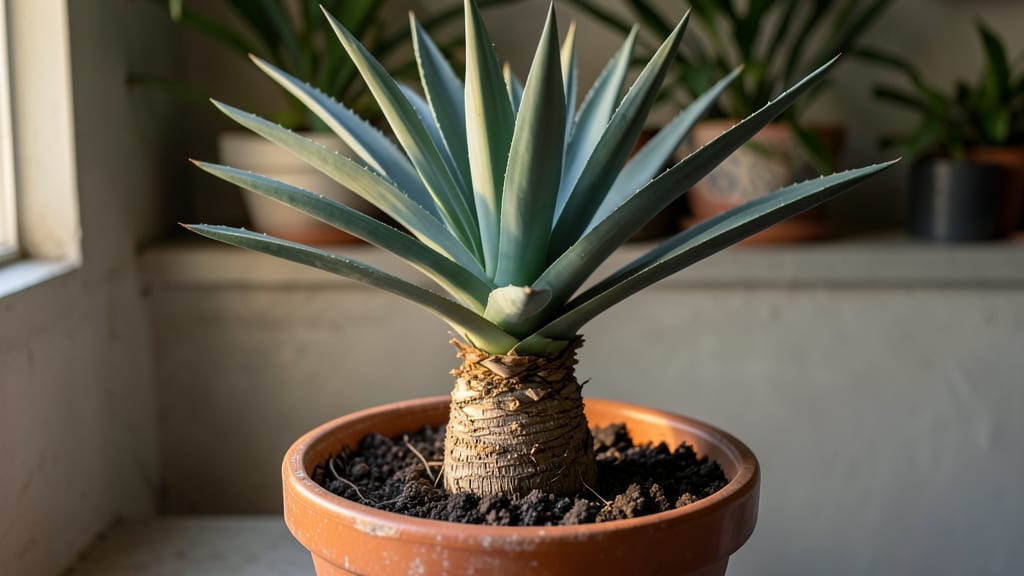
Yucca plants reward patience with dramatic, candle-like blooms that can appear year-round when you get the timing right. 🌟 I’ve watched my own yucca go from a sturdy, spiky leaf monster to a showstopper with towering flower stalks—all by mastering just three simple trimming techniques that most gardeners miss.
The key isn’t forcing flowers but creating the perfect conditions so the plant chooses to bloom.
Here’s the secret: yuccas need bright, direct sunlight (at least 6 hours daily), well-draining soil, and a dormant period in winter to trigger flowering. Overwatering is the #1 killer of blooms—let the soil dry completely between waterings, even in summer.
Once established, my yucca flowers every late spring or early summer, but with the right care, you can coax them into blooming at other times too.
You’ll know you’re on the right track when you see those tight, rosette-shaped buds forming at the tips of mature leaves. The flowers themselves are striking—creamy white or pale green, shaped like candles on a branch—and they attract hummingbirds.
Prune spent flower stalks cleanly at the base to redirect energy into new growth, and watch as your plant rewards you with bold, architectural blooms for years to come.
This method works for yucca rostrata, yucca filamentosa, and even container-grown varieties. Whether you’re dealing with a mature plant or a young one just starting to stretch, these tips will help you skip the guesswork. Let’s get those flowers blooming!
📚 In This Guide
- What you need
- Instructions
- Tips and common mistakes
- Wrapping up and next steps
What you need
- ● Pruning shears or sharp bypass pruners – sterilized (1 pair, 6–8" blade length)
- ● Rubbing alcohol (70% isopropyl) or bleach solution (for sterilization)
- ○ Gloves (gardening or nitrile) (1 pair, optional but recommended for safety)
- ● Well-draining potting mix – cactus/succulent blend (1–2 bags, 1–2 cubic feet)
- ● 6–8" diameter pots or containers (with drainage holes, 2–4 units)
- ● Yucca plant cuttings – healthy, 4–6" long with 2–3 nodes (1–3 cuttings)
- ● Perlite or coarse sand (1 small bag, for mix amendment)
- ● Rooting hormone (gel or powder, to boost propagation success)
- ● Horticultural charcoal (1 small bag, prevents rot during rooting)
- ● Spray bottle with water (for misting cuttings)
- ● Plant labels & markers (to track varieties)
- ● Slow-release fertilizer (balanced 10-10-10 or succulent-specific)
- ● Clear plastic bag or propagation dome (to create humidity for cuttings)
Step-by-step guide to encouraging yucca flowers year-round
Yuccas reward patience with dramatic, architectural blooms—here’s how to trigger their flowering cycle reliably.
🌱 Step 1: Provide the Right Light and Temperature Conditions
Yuccas need bright, direct light for at least 6-8 hours daily—a south-facing window or grow lights positioned 12-18 inches away work best. If your plant isn’t flowering, check its location: leaves should be deep green to blue-green, not pale or stretched. I’ve seen yuccas refuse to bloom when kept in low light for months—they simply wait for better conditions.
Temperature matters too. Most yuccas thrive at 65-85°F during the day and 50-60°F at night. If your home runs cooler, place the plant near a sunny window where it can absorb warmth. A heat mat under containers in winter can help trigger dormancy cues that encourage flowering. Watch for thicker, sturdier stems—that’s your sign the plant’s happy and preparing for bloom.
✂️ Step 2: Prune Old Flower Stems Strategically
After blooming, don’t cut flower stems until they brown completely and dry out—this ensures the plant redirects energy to roots and next year’s growth. Once dead, snip the stem 1-2 inches above the base with sterilized pruners. I always clean my tools with rubbing alcohol first to prevent bacterial infections, which yuccas hate.
Here’s the key: never remove more than 1/3 of the plant’s foliage at once. Yuccas store energy in their thick stems, and aggressive pruning shocks them. After trimming, water deeply but infrequently—let the soil dry 2-3 inches down before watering again. You’ll see new growth emerge from the base within 4-6 weeks if conditions are right.
💧 Step 3: Adjust Watering to Mimic Drought Stress
Yuccas flower best when they experience mild drought stress, which mimics their natural desert habitat. Water only when the top 3 inches of soil are completely dry—this encourages root growth and flower bud formation. Overwatering is the #1 reason yuccas refuse to bloom: soggy roots signal the plant to focus on survival, not reproduction.
In winter, reduce watering by half. Let the soil dry 4-5 inches down before adding moisture. You’ll know you’re on track when the plant’s leaves slightly pucker—this is normal and indicates the right stress level. If leaves turn soft, mushy, or yellow, you’re overwatering. Yuccas are tough, but they won’t forgive consistent wet feet.
☀️ Step 4: Fertilize at the Right Time for Bloom Boost
Feed your yucca once in early spring with a balanced, slow-release fertilizer (10-10-10 or similar). This gives the plant nutrients to build energy reserves for flowering. Avoid fertilizing in fall or winter—yuccas need a rest period to set buds. I like to use fish emulsion in spring for a gentle, organic boost, but synthetic fertilizers work too.
Watch the leaves: bright green and firm means the plant’s absorbing nutrients well. If they stay pale or limp, cut back on fertilizer—yuccas prefer lean soil. Stop fertilizing 8-10 weeks before your target bloom season (usually late winter to early spring). This mimics the natural cycle where desert plants prepare for bloom after a rest period.
Tips & tricks for perfect yucca blooms
Real talk: getting yuccas to flower reliably requires understanding their desert DNA. Here’s how to decode their subtle signals and give them exactly what they need.
Light and Temperature Cues: Yuccas are masters of patience—they won’t bloom until they’re absolutely certain conditions are right. That’s why the 6-8 hours of direct light isn’t just about intensity; it’s about consistency. I’ve noticed mine perk up noticeably when moved to a south-facing window during cloudy spells. For indoor grow lights, position them 12-18 inches away and keep them on a timer for 12 hours daily to mimic natural daylight cycles. The 65-85°F day/50-60°F night temperature swing is equally critical—it’s this fluctuation that triggers their internal clock for flowering.
Pruning Precision: The 1-2 inch pruning rule above the base isn’t arbitrary—it’s about preserving the plant’s energy reserves. I learned this the hard way after over-trimming and watching my yucca sulk for months. Sterilize your pruners religiously (rubbing alcohol works perfectly) to prevent the bacterial infections that can derail your progress. And here’s the secret no one tells you: after pruning, give the soil a thorough soaking—this jumpstarts root regeneration. The 4-6 week window for new growth is your reward for patience.
Watering Psychology: Yuccas don’t just need drought—they need to feel drought. The 3-inch soil dryness rule is your baseline, but winter’s half-watering is where magic happens. I’ve seen plants that refused to bloom until I stopped coddling them. That slight leaf pucker? It’s not stress—it’s your plant’s way of saying, “I’m ready for this.” The moment leaves turn mushy, you’ve crossed the line from “mild stress” to “full-blown crisis.”
Fertilizer Timing: The 8-10 week pause before bloom season is non-negotiable. I’ve tried fertilizing right up to bloom time, and the results were sad, weak flowers. Think of it like a runner’s taper: you fuel the body, then let it rest before the big event. Fish emulsion is my go-to for that gentle spring boost, but even synthetic fertilizers work if you stick to the 10-10-10 ratio and apply it only once in early spring.
Pro Tips for Yucca Plant Flowers
- Real talk: getting yuccas to flower reliably requires understanding their desert DNA.
- Light and Temperature Cues: Yuccas are masters of patience—they won’t bloom until they’re absolutely certain conditions are right.
- Pruning Precision: The 1-2 inch pruning rule above the base isn’t arbitrary—it’s about preserving the plant’s energy reserves.
Frequently asked questions
Got questions about yucca plant flowers?
You’re not alone! Whether you’re a new plant parent or a seasoned gardener, these common queries can help you keep your yucca thriving—and blooming beautifully. Let’s dive in!
How often do yucca plants flower, and when can I expect blooms?
Yucca plants typically flower once a year, usually in late spring or early summer, though some varieties (like Yucca rostrata) may bloom sporadically or even twice. Mature plants (3+ years old) are most likely to flower. If your yucca isn’t blooming, check its light exposure—yuccas need full sun (6+ hours/day) to trigger flowering. Patience is key!
Why aren’t my yucca flowers opening, or are they wilting?
Wilting or unopened yucca flowers often signal stress. Common culprits include:
- Overwatering: Yuccas hate soggy roots—let soil dry completely between waterings.
- Underwatering: Drooping leaves or buds? Water deeply but infrequently.
- Temperature shocks: Yuccas dislike sudden cold (<40°F). Move potted plants indoors if frost is forecasted.
- Nutrient deficiency: Feed with a low-nitrogen, high-phosphorus fertilizer (like 5-10-10) in spring to encourage blooms.
If flowers still refuse to open, they may be pollinated—yuccas often self-pollinate, leading to seed pods instead of open blooms.
Can I cut yucca flowers for arrangements, or will it harm the plant?
Yes! You can harvest yucca flowers for arrangements, but do it sparingly to avoid stressing the plant. Cut stems at a 45° angle just above a leaf node, and use clean pruners. Never remove more than 1/3 of the blooms at once. For long-lasting cut flowers, place stems in hot water (120°F for 5–10 minutes) to seal the stems before arranging—this prevents wilting!
What are some low-maintenance alternatives to yucca plants for drought-tolerant flowers?
If yucca’s care seems too hands-off for you, try these drought-resistant, low-maintenance bloomers:
- Aloe vera: Succulent with occasional orange flowers; thrives on neglect.
- Agave: Striking rosettes with tall flower spikes (blooms once, then dies—but pups offset!).
- Desert spoon (Dasylirion wheeleri): Architectural foliage with feathery flower stalks.
- Lavender: Fragrant, purple blooms; loves sun and hates overwatering.
- Blackfoot daisy (Melampodium leucanthum): Tiny white flowers that bloom year-round in warm climates.
All these plants share yucca’s zero-fuss, water-wise vibe while offering different textures and colors.
How should I trim dead yucca flowers after they fade?
Deadheading (removing spent blooms) keeps your yucca looking tidy and encourages future blooms. Here’s how:
- Wait until the flower stalk completely browns and dies back.
- Use sterilized pruners to cut the stalk 1–2 inches above the base.
- Avoid cutting into the main rosette—this can harm the plant.
- If the stalk is woody or thick, you can trim it closer to the ground.
Pro tip: If your yucca develops seed pods after flowering, you can remove them too—they drain energy from the plant.
Wrapping up and next steps
Yucca plants are a gardener’s dream—offering striking, long-lasting flowers with minimal fuss! By mastering the three key trimming tips (deadheading, shaping, and pruning for new growth), you’ll keep your plant thriving and blooming year-round.
Whether you’re a seasoned green thumb or just starting, these simple steps make caring for yucca effortless and rewarding.
Ready to transform your space? Grab your shears and give your yucca the TLC it deserves—your next blooms could be just a trim away! 🌿✨