
Blooming
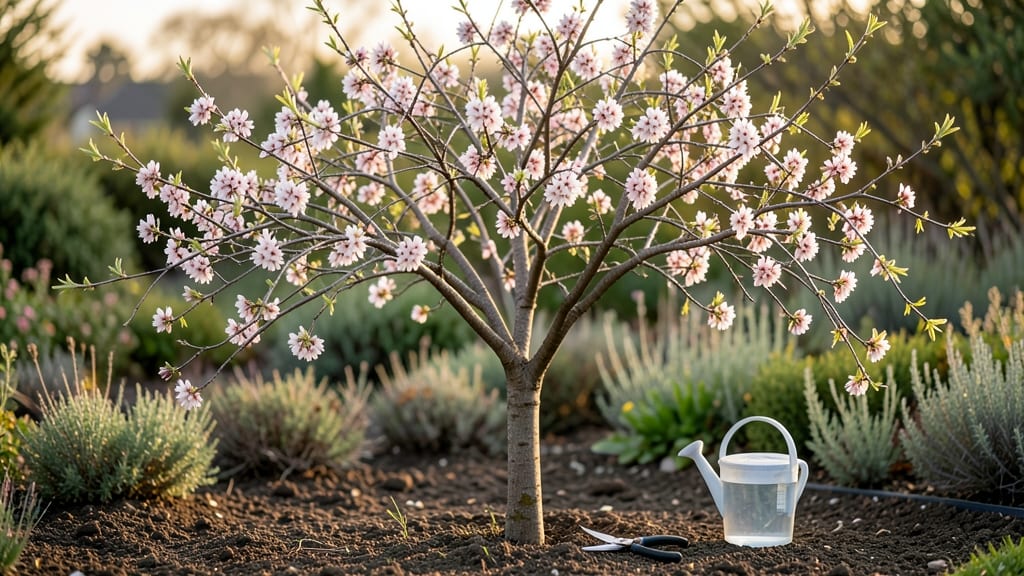
The almond blossom flower turns spring into a dreamy, fragrant spectacle—imagine a cascade of delicate pink petals spilling over containers like a living waterfall. 🌸 I’ve used them to transform patios and entryways into romantic focal points, and the secret isn’t just their beauty but how effortlessly they pair with other spring bloomers.
These blossoms thrive in containers with just a little pruning to shape their growth, making them perfect for small spaces. Pair them with lavender for contrast or trailing ivy for texture, and you’ll create a display that lasts weeks. The fragrance alone—light, sweet, and nostalgic—draws bees and admirers alike.
By mid-spring, your containers will be a lush, fragrant canopy, drawing the eye and filling the air with that signature almond scent. The best part? They’re low-maintenance once established, so you get drama without the fuss. Let’s design your spring centerpiece!
Works equally well in sunny courtyards, balcony gardens, or as a welcoming entryway. The key is positioning them where their scent and color can be enjoyed up close—think outdoor dining areas or morning coffee spots.
📚 In This Guide
- What you need
- Instructions
- Tips and common mistakes
- Wrapping up and next steps
What you need
- ● Almond tree (Prunus dulcis): Dwarf variety (e.g., ‘Dwarf Desert King’ or ‘Nonpareil’) for containers—3-5 gallons minimum pot size.
- ● Bare-root or potted sapling (1-2 years old) for best establishment.
- ● High-quality potting mix: Well-draining blend (e.g., 50% cactus/succulent mix, 30% perlite/pumice, 20% compost).
- ● Avoid garden soil—it compacts and suffocates roots!
- ● Container: Terra cotta, fabric, or ceramic pot with drainage holes (12–18" diameter for mature trees).
- ○ Optional: Cache pot or decorative outer shell for a polished look.
- ● Pruning shears (sterilized) for trimming roots or shaping.
- ● Garden trowel for transplanting and mixing soil.
- ○ pH test kit (optional but helpful)—almonds prefer 6.0–7.5.
- ● Slow-release fertilizer (e.g., 10-10-10 or osmocote) for spring planting.
- ● Mulch (gravel or bark chips) to retain moisture and regulate temperature.
- ● Sunlight access: 6+ hours of full sun daily (critical for blooms!).
- ● Watering can with a rose nozzle for gentle hydration.
- ○ Optional: Epsom salt (for magnesium boosts if leaves yellow).
- ● Decorative stones or moss for aesthetic touches.
Step-by-step guide for cultivating almond blossom trees in containers
Transform your patio into a fragrant spring paradise with these elegant, low-maintenance trees.
🪴 Step 1: Select the Right Containers and Drainage
Almond blossom trees need at least 18-inch-deep containers with drainage holes—root-bound trees bloom poorly. I use glazed ceramic pots because they retain moisture while allowing airflow to prevent fungal issues. Place a 3-inch layer of gravel at the bottom before adding soil to ensure excess water drains freely.
If your containers lack drainage, drill holes yourself—almond trees hate soggy roots. The pot should be 12-15 inches in diameter for each tree, giving roots room to establish before spring blooming season. Here's the thing—larger pots mean fewer waterings, and that's a game-changer for busy gardeners.
🌱 Step 2: Prepare the Soil and Plant
Fill the pot with a mix of 60% well-draining potting soil and 40% coarse sand or perlite. Almond trees despise compacted soil, so I sift the mix through a mesh screen to eliminate clumps. The ideal blend mimics their native Mediterranean conditions.
Plant your bare-root almond tree so the graft union sits 1-2 inches above soil level. This prevents root rot while keeping the tree stable. Water deeply immediately after planting—this settles the soil and eliminates air pockets around the roots. You'll know it's right when water runs freely from the drainage holes.
☀️ Step 3: Position for Maximum Blooms
Place your container in a location with full sun exposure—6+ hours daily. Almond blossoms need intense light to develop their signature fragrance. A south-facing patio or balcony works best, but east or west exposures also work if you supplement with a grow light for 4 hours daily during winter.
Here's where it gets fun—watch the tree's growth direction. If branches lean toward the light, rotate the pot a quarter turn weekly. This ensures even growth and prevents lopsided blooming. You'll see the difference in just two weeks: fuller canopies and more abundant flowers.
💧 Step 4: Water and Fertilize for Peak Performance
Water when the top 2 inches of soil feel dry—overwatering is the #1 killer of container-grown almond trees. I use a moisture meter to check, but a simple finger test works too. During bloom season, increase water slightly but never let roots sit in moisture. The tree will tell you it's thirsty with slightly wilting leaves.
Feed with a balanced 10-10-10 fertilizer every 4-6 weeks starting in early spring. Stop fertilizing after blooming ends to encourage dormancy. I've found that almond trees respond beautifully to organic options like fish emulsion—just follow package directions for strength.
✂️ Step 5: Prune and Maintain Through Seasons
Prune in late winter before buds swell, removing dead or crossing branches first. Then shape the tree by cutting back 1/3 of last year's growth to encourage new blooms. Use clean, sharp pruners to make cuts at a 45-degree angle just above outward-facing buds.
Real talk: Don't over-prune. Almond trees bloom on old wood, so aggressive cuts reduce next year's flowers. After pruning, apply a copper fungicide spray to prevent infections from open wounds. You'll see fresh green growth within weeks—that's your reward for proper care.
Tips & tricks for perfect almond blossom canopy
Here's what nobody tells you about getting those signature blooms to thrive in containers.
Container Size Matters: While the instructions specify 18-inch-deep pots, I've found that adding a 2-inch lip around the top edge prevents soil spills during watering—especially important when those blossoms start shaking in the breeze. The extra depth also gives roots more space to establish before spring blooming, which means more abundant flowers next year. For larger containers (20+ inches deep), you can plant two small trees together, but make sure to space them at least 12 inches apart to avoid root competition.
Soil Mix Secret: The 60/40 soil blend is perfect, but here's the thing—pre-moisten your potting soil before mixing with sand. I add about 1/4 cup of water per gallon of soil and let it sit for 10 minutes. This prevents clumping when you sift through the mesh screen, and your roots will appreciate the consistent moisture right from planting day. For even better drainage, I add a handful of orchid bark chips to the mix—it mimics the loose, airy soil almond trees love in their native Mediterranean habitat.
Light Supplement Hack: If you're using grow lights during winter (as recommended for 4 hours daily), position them 12-18 inches above the tree for even coverage. I use a simple LED clip-on light on a timer—it's affordable and works perfectly. The key is to angle the light so it hits the top and sides of the tree equally. You'll notice within weeks that the branches fill out more evenly, and those blossoms will be brighter and more fragrant when spring arrives.
Pruning Precision: When cutting back 1/3 of last year's growth in Step 5, focus on removing branches that grow inward or cross each other. These are the ones that create weak spots and reduce airflow, which can lead to fungal issues. After pruning, wipe your pruners with rubbing alcohol between cuts to prevent spreading any potential infections. The 45-degree angle is crucial—it helps water run off the cuts instead of pooling, which keeps those pruning wounds healthy and ready for new growth.
Pro Tips for Almond Blossom Flower
- Here's what nobody tells you about getting those signature blooms to thrive in containers.
- The extra depth also gives roots more space to establish before spring blooming, which means more abundant flowers next year.
- Soil Mix Secret: The 60/40 soil blend is perfect, but here's the thing—pre-moisten your potting soil before mixing with sand.
Frequently asked questions
Got questions about growing and enjoying almond blossom flowers in containers?
Here are answers to the most common ones—so you can dive right in with confidence!
When is the best time to plant almond blossom trees in containers?
Plant almond blossom trees (like Prunus dulcis) in early spring after the last frost, when soil temperatures are above 50°F (10°C). If you’re in a warmer climate, late winter works too. Avoid planting in fall—these trees need time to establish roots before winter dormancy. For container-grown trees, use well-draining soil and a pot with drainage holes!
How long does it take for almond blossom flowers to bloom?
Almond blossoms typically bloom 2–4 weeks in early spring, depending on your climate. Younger trees may take 2–3 years to produce flowers, while mature trees (5+ years) bloom more reliably. Cold winters and proper care (like pruning and sunlight) speed up the process. Patience pays off—those fragrant pink or white blooms are worth the wait!
Can almond blossom trees grow in containers long-term?
Yes, but they need large containers (at least 18–24 inches deep) and regular care. Almond trees have deep roots, so opt for dwarf varieties (like ‘Texas’ or ‘Nonpareil’) if space is limited. Repot every 2–3 years and prune roots to prevent overcrowding. In colder zones, move pots indoors or use frost blankets—just avoid soggy soil!
Why aren’t my almond blossom flowers attracting bees or pollinators?
Almond blossoms rely on cross-pollination, so plant two compatible varieties (like ‘Nonpareil’ and ‘Butte’) nearby. If bees still ignore them, check for:
- Cold weather (bees are less active below 55°F/13°C).
- Rainy or windy days—bees prefer calm, sunny mornings.
- Pesticides (even natural ones can harm pollinators). Try planting bee-friendly flowers (like lavender) nearby to lure them in!
What can I do with almond blossoms after they fall?
Don’t toss those spent blooms! Try these ideas:
- Compost them—they break down quickly and enrich soil.
- Press them for crafts or framed art (place between heavy books for 2–4 weeks).
- Infuse tea—dried petals add a subtle floral note to herbal blends.
- Mulch around your tree to retain moisture and deter weeds.
Still curious? Drop your questions below—we’re happy to help your almond blossom dreams bloom!
Wrapping up and next steps
The almond blossom flower isn’t just a breathtaking sight—it’s a symbol of renewal and beauty that can transform even the smallest container into a fragrant spring paradise. 🌸 Whether you’re a seasoned gardener or a curious beginner, growing these delicate blooms is a rewarding journey that connects you with nature’s magic.
Ready to take the next step? Start small—plant a single container today and watch your space bloom with joy!