
Flowers
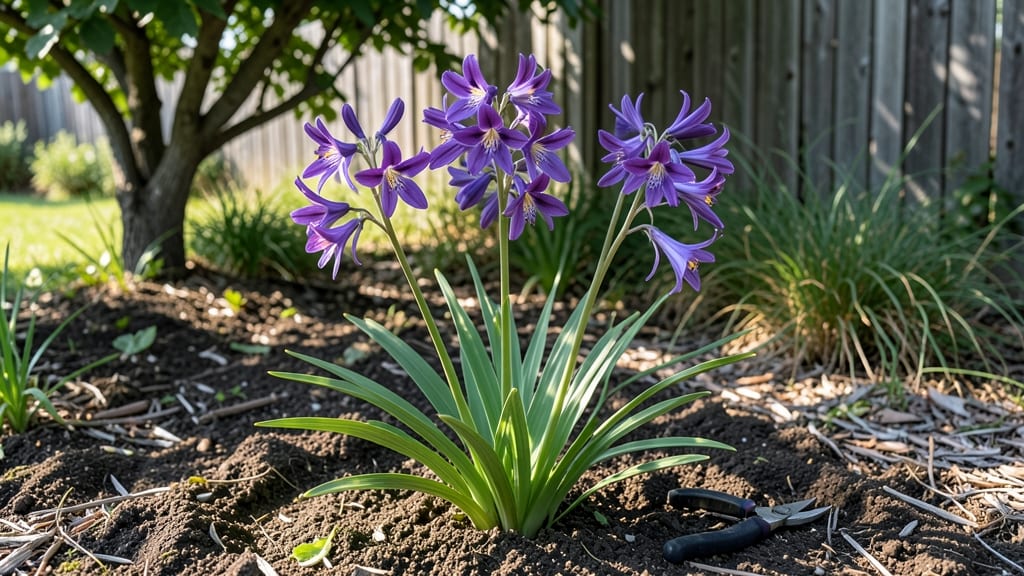
The purple alstroemeria flower brings effortless elegance to any garden, thriving where others wilt. 🌸 I fell in love with its velvety blooms during a drought-stricken summer when everything else needed constant watering—these stayed vibrant with barely a sip.
Their drought-resistant nature makes them perfect for busy gardeners who want beauty without the fuss.
These flowers shine in borders, containers, or mixed bouquets, pairing beautifully with lavender, silver foliage, or deep reds. The secret to their charm lies in their long bloom time—from early summer through fall—and their ability to bounce back after rain or heat.
Even in partial shade, they deliver that lush, purple-hued drama gardeners dream of.
You’ll create eye-catching displays with minimal effort, whether lining a pathway or adding height to arrangements. Their layered petals and cheerful faces turn even simple garden spots into showstoppers. Plus, they’re deer-resistant, so you won’t lose them to hungry critters.
Best of all, they’re symbolically tied to friendship and devotion—ideal for gardens meant to inspire or welcome guests. Whether you’re designing a cutting garden or a low-water landscape, purple alstroemeria delivers effortless impact with almost no trade-offs.
📚 In This Guide
- What you need
- Instructions
- Tips and common mistakes
- Wrapping up and next steps
What you need
- ● Alstroemeria purple flower plants: 3–5 healthy nursery-grown plants (check for vibrant purple blooms and firm stems)
- ● OR 1–2 packets of purple alstroemeria seeds (if starting from scratch!)
- ● Well-draining soil: 1–2 bags of garden loam mixed with perlite or coarse sand (50/50 ratio for optimal drainage)
- ● Organic compost: 1–2 gallons to enrich soil (look for worm castings or aged manure)
- ● Slow-release fertilizer: 10-10-10 NPK blend (1 lb per 100 sq ft of garden bed)
- ● Garden trowel or hand shovel
- ● Pruning shears (for trimming dead foliage)
- ● Watering can or hose with gentle spray nozzle
- ○ Gloves (optional but highly recommended for thorny stems!)
- ● Mulch (straw or shredded bark, 2–3 inches thick)
- ● Drought-resistant ground cover (e.g., lavender or sedum) to complement your alstroemeria
- ● Stakes or trellis (if growing taller varieties for vertical display)
- ● pH test kit (ideal soil pH: 6.0–7.0)
- ● Epsom salt (1 tbsp per gallon of water, monthly for magnesium boost)
Step-by-Step guide to planting and cultivating alstroemeria purple flowers
Here's how to grow these drought-resistant beauties with minimal fuss.
🌱 Step 1: Choose the Perfect Planting Location
Alstroemeria thrives in partial shade to full sun—the key is avoiding midday summer sun in hot climates. I always plant mine where they get morning sun and afternoon shade, especially in zones with intense heat. The soil should drain well, but it doesn’t need to be sandy—just free of standing water.
Dig a hole twice as wide as the root ball but only as deep as the container it came in. Loosen the soil at the bottom to encourage root spread. Here’s the thing—alstroemeria hates soggy feet. If your soil drains poorly, mix in 2-3 inches of perlite or coarse sand to improve aeration.
💧 Step 2: Plant and Water for Strong Establishment
Place the alstroemeria crown just below soil level—burying it too deep can rot the stems, while planting too shallow exposes the base to drying winds. Gently backfill with native soil, pressing lightly to remove air pockets but not compacting tightly.
Water deeply right after planting—about 1 gallon per plant—to settle the soil and encourage roots to spread. You’ll know it’s enough when water runs out the drainage holes if in a pot, or when the top inch feels damp. After that, let the soil dry slightly between waterings. Overwatering is the fastest way to kill these drought-tolerant stars.
☀️ Step 3: Provide Consistent Care for Long-Lasting Blooms
Once established, alstroemeria needs minimal watering—only when the top 2 inches of soil feel dry. In drought conditions, they’ll go dormant but bounce back with rain. I’ve seen them survive on once-weekly watering in hot summers, but mulch helps retain moisture.
Feed lightly in early spring with a balanced, slow-release fertilizer (10-10-10). Too much nitrogen makes them leafy but flower-sparse. Deadhead spent blooms to encourage more flowers, but don’t cut back the stems—alstroemeria blooms along the length, not just at the tips.
✂️ Step 4: Prune and Protect for Next Season
After the first frost, cut back the foliage to 4-6 inches tall to tidy the plant and reduce disease risk. Alstroemeria is hardy in zones 5-9, but in colder areas, mulch heavily with 2-3 inches of straw to protect roots. In warmer zones, they’ll regrow in spring with minimal care.
Here’s where it gets fun—watch for new shoots in early spring. That’s your signal to start watering lightly again. These plants reward patience with years of blooms, making them a true low-maintenance star.
Tips & tricks for perfect alstroemeria purple flower cultivation
Between us, these purple beauties are one of the most forgiving perennials around—but even drought-resistant plants need a few key tricks to thrive. Here’s what I’ve learned after watching mine flourish for years.
Soil Amendments: The instructions mention perlite or coarse sand for drainage, but I’ve found composted bark works even better—it improves aeration while retaining just enough moisture. Mix in 1 part bark to 3 parts native soil when amending heavy clay. This helps prevent the dreaded "soggy feet" while still supporting root growth. The bark breaks down slowly, feeding your plants over time.
Planting Depth Secret: I’ve made the mistake of planting too deep, and it’s a silent killer—roots need oxygen too! When placing the crown just below soil level in Step 2, use your finger to trace the base of the plant. The top of the root ball should sit 1/4 inch below finished soil level, no deeper. If you’re unsure, check the container’s drainage holes—they’re often marked with a line showing the ideal planting depth.
Watering Wisdom: The 1 gallon per plant rule in Step 2 is spot-on, but how you deliver it matters. Use a slow watering can or soaker hose to avoid compacting the soil around the roots. I’ve seen plants struggle when water pools around the crown—always water at the base, not overhead. For established plants, watering deeply every 7-10 days (rather than weekly shallow watering) encourages deeper root growth, which is exactly what you want for drought resistance.
Fertilizer Timing: Early spring feeding in Step 3 is perfect, but here’s what nobody tells you—wait until you see new shoots breaking through the soil before applying that 10-10-10. Cold soil can lock out nutrients, making the fertilizer ineffective. I also like to sprinkle a handful of worm castings around the base at the same time—it gives a gentle nutrient boost without the risk of over-fertilizing.
Pro Tips for Alstroemeria Purple Flower
- Between us, these purple beauties are one of the most forgiving perennials around—but even drought-resistant plants need a few key tricks to thrive.
- Soil Amendments: The instructions mention perlite or coarse sand for drainage, but I’ve found composted bark works even better—it improves aeration while retaining just enough moisture.
- Planting Depth Secret: I’ve made the mistake of planting too deep, and it’s a silent killer—roots need oxygen too!
Frequently asked questions
about Alstroemeria purple flower—your go-to guide for growing these stunning, drought-tolerant beauties!How do I care for purple alstroemeria in hot, dry climates?
Purple alstroemeria thrives in drought conditions but benefits from occasional deep watering (about once a week). Mulch around the base with 2-3 inches of organic matter (like straw or bark) to retain moisture and protect roots. Avoid soggy soil—these flowers hate waterlogged conditions!
When is the best time to plant purple alstroemeria?
Plant in early spring or fall for optimal root establishment. If planting in summer, water thoroughly and provide afternoon shade until established. Avoid planting in extreme heat or frost—they’re tender perennials in cooler zones (USDA 7-10).
Can I grow purple alstroemeria in containers?
Use a well-draining pot (12+ inches deep) with a mix of potting soil and perlite. Ensure it has drainage holes and place in partial sun. Containers dry out faster, so check soil moisture daily in peak summer. Great for patios or balconies!
What pests or diseases should I watch for?
Purple alstroemeria is pest-resistant, but watch for aphids or spider mites (spray with soapy water if needed). Fungal issues like root rot can occur if overwatered—ensure good airflow and avoid wet foliage. Prevention is key: healthy plants resist problems!
How long do purple alstroemeria blooms last, and how do I encourage reblooming?
Individual blooms last 7-10 days, but stems produce sequential flowers for 4-6 weeks. To rebloom, deadhead spent blooms and fertilize lightly with balanced 10-10-10 in early spring and midsummer. Cut back foliage by ⅓ in late fall to promote fresh growth.
Are there purple alstroemeria varieties with stronger fragrance?
Most purple alstroemeria varieties have mild, sweet fragrance, but ‘Pink Lady’ or ‘Rainbow’ (with purple hues) are prized for their noticeable scent. If fragrance is a priority, pair with lavender or roses nearby for a sensory garden combo!
Wrapping up and next steps
There you have it—alstroemeria purple flowers are the perfect blend of beauty, resilience, and ease for any garden! 🌸 Their drought tolerance and low-maintenance nature make them a dream for busy gardeners or those in dry climates.
Whether you’re sprucing up a border, brightening a bouquet, or simply adding a pop of color, these flowers deliver effortless elegance.
Ready to bring home some purple alstroemeria? Start by checking local nurseries or trusted online plant shops—then grab your gardening gloves and get planting! Your garden (and future floral arrangements) will thank you. 🌿✨