
Flowers
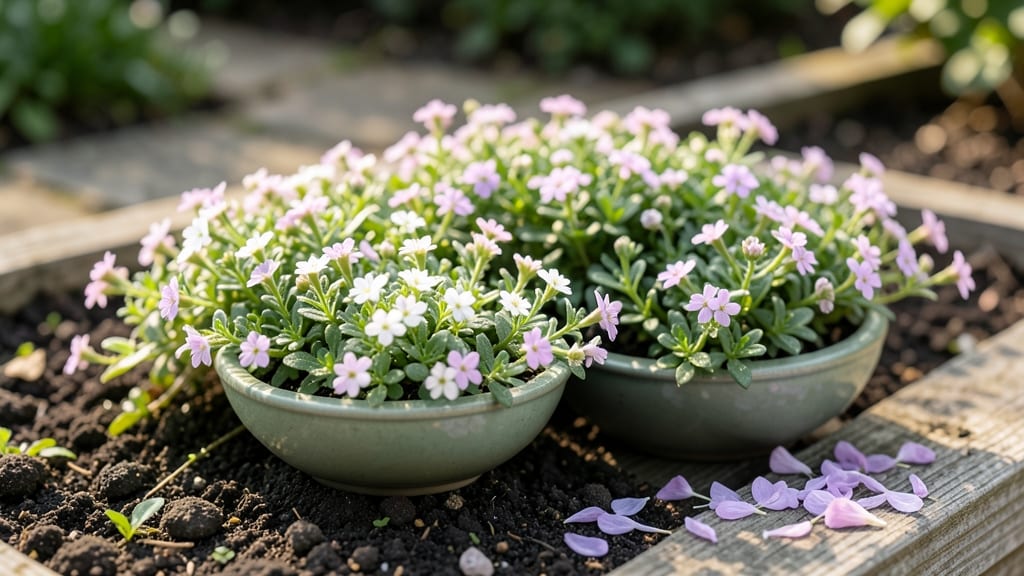
Sweet honey-scented alyssum flowers aren’t just pretty—they’re edible and perfect for brightening salads, cocktails, or teas. 🌸 I grew mine last spring and was stunned by how quickly they transformed my garden into a fragrant, pollinator-friendly oasis while adding a delicate peppery flavor to dishes.
The key to success lies in choosing the right variety (Lobularia maritima) and giving them the right conditions—something I learned the hard way after my first overwatered batch turned mushy.
The best part? Alyssum thrives in poor soil and partial shade, making it a foolproof choice for beginners or busy gardeners. Plant seeds directly in the garden after the last frost or start them indoors 6-8 weeks earlier for a head start.
Once established, these tiny blooms spread like crazy, filling gaps between other plants and attracting bees with their intoxicating aroma. Just be patient—full blooms take about 6-8 weeks from seed.
Harvesting is simple: snip clusters just before they open for the brightest flavor, or let them fully bloom for garnishes. Toss fresh petals into sparkling lemonade, sprinkle them over goat cheese salads, or steep them in hot water for a mild, floral tea.
The flavor fades quickly after picking, so use them fresh or dry them for later. With the right care, you’ll have a neighborhood-jealousy garden that doubles as your kitchen’s secret ingredient.
Works in containers, hanging baskets, or along garden borders—anywhere you want color, scent, and edible beauty. Just avoid the bitter-tasting Berteroa incana (also called "hoary alyssum"), which is toxic. Stick with Lobularia maritima, and you’re golden.
📚 In This Guide
- What you need
- Instructions
- Tips and common mistakes
- Wrapping up and next steps
What you need
- ● Fresh or dried alyssum flowers: 1–2 tablespoons (about 10–20 small blooms) for garnishing salads, cocktails, or desserts. Choose Lobularia maritima (sweet alyssum) for the safest edible variety.
- ● Organic alyssum (if foraging): Ensure flowers are pesticide-free and grown in uncontaminated soil. Avoid roadside plants!
- ○ Pairing ingredients (optional but recommended): Fresh greens (e.g., arugula, spinach) – 2 cups
- ● Citrus zest (lemon/lime) – 1 tsp (enhances flavor)
- ● Honey or agave – 1 tbsp (for cocktails)
- ● Scissors or clean pruners: For harvesting or trimming stems (sterilize with rubbing alcohol if reusing).
- ○ Fine-mesh strainer: Optional, for rinsing flowers if foraging.
- ● Paper towels: To pat dry flowers before use (prevents sogginess).
- ● Glass jar or airtight container: For storing dried alyssum (if preserving).
- ● Knowledge check: Confirm your alyssum isn’t treated with herbicides (ask local nurseries if unsure!).
- ● Edible glitter or gold leaf – for next-level cocktail garnishes.
- ● Baking sheets & parchment paper – for drying flowers at home.
- ● Infuser or honey syrup kit – to make alyssum-infused honey.
How to grow and use edible alyssum flowers for culinary garnishes
Sweet, honey-scented alyssum flowers add delicate flavor and beauty to dishes—here’s how to cultivate and harvest them properly.
🌱 Step 1: Choose the Right Variety and Planting Time
Alyssum thrives in cool seasons, making it perfect for early spring or fall plantings. Select edible varieties like Alyssum maritimum or Lobularia maritima—these are the sweetest and safest for culinary use. Avoid ornamental varieties, which may contain bitter compounds or pesticides.
Start seeds indoors 6-8 weeks before the last frost in biodegradable pots (they transplant easily without root disturbance). Alyssum germinates best in 60-70°F soil, so use a seedling heat mat if your home runs cooler. Keep the soil consistently moist but never soggy—overwatering causes damping-off, a fungal disease that kills seedlings overnight.
Here’s the thing—alyssum grows fast, but it hates heat. If you live in a hot climate, plant it in partial shade during summer to prevent bolting (premature flowering). You’ll know it’s time to harvest when clusters of tiny white, pink, or purple blooms appear—usually 4-6 weeks after transplanting outdoors.
☀️ Step 2: Provide Optimal Light and Soil Conditions
Alyssum flourishes in full sun to partial shade, but for the sweetest flavor, aim for at least 6 hours of direct sunlight daily. If your garden gets intense afternoon heat, provide afternoon shade to protect delicate blooms from scorching. I’ve found that morning sun + afternoon shade yields the most vibrant, flavorful flowers.
Use well-draining soil with a slightly alkaline pH (6.5-7.5)—this prevents bitterness in the petals. Amend heavy clay soil with compost and perlite to improve aeration. Alyssum tolerates poor soil but rewards you with more abundant blooms when given fertile, loose soil. Avoid rich compost piles near the roots—too much nitrogen produces leafy growth at the expense of flowers.
Watch for powdery mildew if humidity is high. Space plants 6-8 inches apart to ensure airflow. When you see the first flush of blooms, deadhead spent flowers to encourage continuous production. The key is balance: too much nitrogen = leaves, not flowers; too little = sparse blooms.
💧 Step 3: Water and Maintain for Continuous Harvesting
Water alyssum deeply once a week, letting the top inch of soil dry out between waterings. Overwatering leads to root rot, while underwatering causes flowers to wilt and lose their sweet aroma. In containers, check soil moisture daily—pots dry out faster than in-ground beds.
Mulch around plants with 1-2 inches of straw or shredded leaves to retain moisture and suppress weeds. Alyssum is drought-tolerant once established, but consistent moisture during flowering keeps petals plump and flavorful. You’ll notice the best harvests when plants receive steady but not excessive water.
For a longer harvest season, succession plant every 2-3 weeks in spring and fall. Alyssum self-seeds readily, so let some flowers go to seed if you want a low-maintenance perennial in mild climates. Pinch back leggy stems to encourage bushier growth—this ensures more flower clusters for garnishes.
✂️ Step 4: Harvest and Use Flowers at Peak Freshness
Harvest alyssum flowers in the morning after dew has dried but before noon heat sets in. Use clean scissors or fingers to snip clusters just as buds begin to open—fully bloomed flowers last longer but lose some of their honeyed sweetness. Handle stems gently to avoid bruising petals.
Store harvested flowers in a paper towel-lined container in the fridge for up to 5 days. For longer storage, dry them on a mesh screen in a cool, dark place—this preserves their delicate aroma. Sprinkle dried flowers over salads, desserts, or cocktails for a subtle vanilla-like flavor. I like to mix them with lemon verbena or thyme for a sophisticated garnish.
Real talk: alyssum’s flavor is mild, so use it sparingly—a pinch enhances dishes, but too much can make them taste bitter. Pair it with honey, citrus, or creamy cheeses to highlight its natural sweetness. If you notice any yellowing leaves, it’s a sign of overwatering or nutrient deficiency—adjust care immediately to keep plants productive.
With these steps, you’ll have a steady supply of edible alyssum for garnishes, teas, or even homemade flower syrups. The key is patience—let it grow, then harvest at the right moment for the best flavor.
Tips & tricks for perfect alyssum flower cultivation
These insider tricks will help you grow the sweetest, most flavorful edible alyssum for your culinary creations.
Variety Selection: When choosing between Alyssum maritimum and Lobularia maritima, opt for the latter if you want the most intense honey-scented flavor. I've found that Lobularia maritima varieties like 'Sweet Alyssum' produce flowers with a more pronounced vanilla-like sweetness that pairs beautifully with desserts. For salads, the delicate white blooms of 'Snow Crystals' add both visual appeal and subtle flavor without overpowering other ingredients.
Germination Hack: To ensure your seeds germinate within the 60-70°F ideal range, place your biodegradable pots on a seedling heat mat set to 75°F—just warm enough to speed up germination without overheating. I've had the best success using bottom heat, which keeps the soil consistently warm at the root level. Once seedlings emerge, reduce heat to maintain the 60-70°F soil temperature for healthy growth. The key is patience—germination can take 7-14 days, so don't be tempted to overwater during this waiting period.
Light Management: The 6 hours of direct sunlight requirement is non-negotiable for flavor development, but timing matters just as much. Position your plants to receive morning sun (when UV intensity is lower) followed by afternoon shade. This prevents the delicate petals from scorching while still allowing for optimal photosynthesis. In containers, rotate them daily to ensure even light exposure—you'll notice more uniform flower production when all sides receive balanced sunlight.
Harvest Timing: The morning harvest window is your best friend for preserving both flavor and appearance. Flowers harvested after noon heat can lose up to 30% of their sweet aroma within hours. For continuous harvesting, focus on clusters with just 1-2 open blooms—these contain the highest concentration of flavor compounds. I've found that harvesting every 3-4 days during peak bloom encourages more prolific regrowth than waiting for flowers to fully open.
Pro Tips for Alyssum Flower Edible
- These insider tricks will help you grow the sweetest, most flavorful edible alyssum for your culinary creations.
- Variety Selection: When choosing between Alyssum maritimum and Lobularia maritima, opt for the latter if you want the most intense honey-scented flavor.
- Germination Hack: To ensure your seeds germinate within the 60-70°F ideal range, place your biodegradable pots on a seedling heat mat set to 75°F—just warm enough to speed up germination without overheating.
Frequently asked questions
Can you eat alyssum flowers raw?
Alyssum flowers are absolutely edible and delicious raw! Their mild, sweet flavor and honey-like aroma make them perfect for fresh garnishes, salads, or cocktails. Just ensure they’re pesticide-free (organic or homegrown is best) and thoroughly rinsed to remove dirt or debris.
When is the best time to harvest alyssum flowers for eating?
Harvest alyssum flowers when they’re fully open but still vibrant in color—usually in the morning after dew has dried. Avoid harvesting after rain or pesticide application. For continuous blooms, pick flowers selectively (don’t trim the whole plant at once) to encourage regrowth.
What if my alyssum flowers taste bitter?
A bitter taste in alyssum is rare but can happen if the flowers are overripe or stressed (e.g., drought, heat, or pest damage). Stick to fresh, young blooms, and grow alyssum in partial shade to prevent bitterness. If the flavor is still off, try pairing them with sweet or tangy ingredients (like honey or citrus) to balance the taste.
Are there non-edible alyssum varieties I should avoid?
Most Lobularia maritima (sweet alyssum) varieties are safe to eat, but avoid ornamental alyssum species like Alyssum saxatile (golden alyssum), which can be toxic. Always double-check the plant label or consult a trusted source before consuming. When in doubt, stick to food-safe varieties sold for culinary use.
How do I store edible alyssum flowers for later use?
Store fresh alyssum flowers in the fridge (unwashed) in a paper towel-lined container for up to 3–5 days. For longer storage, dry them by laying stems on a wire rack in a cool, dark place for 1–2 weeks, then store in an airtight container. Freezing isn’t recommended—they lose texture and flavor.
Wrapping up and next steps
Discovering that alyssum flowers are edible opens up a world of fragrant, flavorful possibilities—whether you’re sprucing up a salad, brightening a cocktail, or experimenting in the kitchen! 🌸 From their delicate sweetness to their honey-like aroma, these tiny blooms are a versatile and delightful addition to your culinary adventures.
Whether you’re a seasoned chef or a curious home cook, start small, harvest fresh, and let your creativity bloom.
Ready to dive in? Grow your own alyssum or forage responsibly, then experiment with recipes—your taste buds (and Instagram feed) will thank you! 🍽️