
Flowers
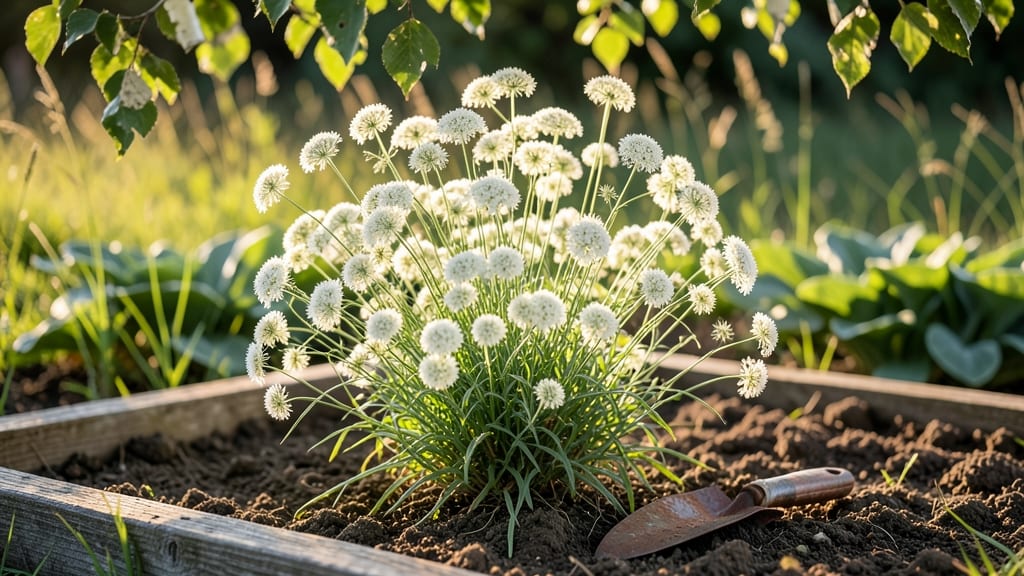
There’s something magical about tiny white flowers in bouquets—how they turn ordinary arrangements into ethereal, long-lasting displays. ✨ I’ve spent years experimenting with delicate blooms like sweet alyssum and baby’s breath, and they always steal the show with their soft texture and timeless elegance.
The key lies in balancing their dainty petals with bold foliage or contrasting colors, creating arrangements that feel both romantic and effortlessly chic.
These blooms aren’t just pretty—they’re practical too. Sweet alyssum and statice thrive in heat, while white cosmos brings summer charm to any bouquet. Pair them with deep greens, blush pinks, or even a pop of purple for a look that feels fresh yet sophisticated.
The best part? Their small size means you can pack more blooms into a vase, extending their life for weeks.
Whether you’re crafting a wedding bouquet or brightening up a dinner table, these flowers add a touch of whimsy without overwhelming the space. The secret is in the arrangement: cluster them loosely for a wild, natural feel or tuck them tightly for a structured, polished look.
You’ll love how they transform any setting into something dreamy.
Ready to try it? Start with a mix of textures—try pairing soft baby’s breath with spiky statice or velvety sweet alyssum with grassy foliage. The possibilities are endless, and the results will have you reaching for more white blooms every time.
📚 In This Guide
- What you need
- Instructions
- Tips and common mistakes
- Wrapping up and next steps
What you need
- ● Tiny white flowers: Choose from baby’s breath, sweet alyssum, gypsophila, or white roses (1-2 bunches, depending on bouquet size).
- ● Floral preservative: 1 packet (or 1 tbsp of powdered preservative + 1 gallon of water).
- ● Floral tape or wire: 1 roll (for securing stems or adding greenery).
- ● Scissors or floral shears: 1 pair (sharp and clean for clean cuts!).
- ● Vase or bouquet holder: 1 (glass, ceramic, or a simple mason jar works!).
- ● Water: 1-2 cups (fresh and room temperature).
- ● Filler flowers: Small eucalyptus sprigs, ferns, or ivy (1-2 stems for texture).
- ● Ribbon or lace: 1-2 strips (for wrapping stems or adding elegance).
- ● Dried flowers or herbs: Baby’s breath, lavender, or dried roses (for long-lasting bouquets).
- ● Floral foam (if needed): 1 block (for pre-arranged bouquets).
- ● Spray adhesive (for dried arrangements): 1 small bottle (if securing elements permanently).
How to arrange tiny white flowers in long-lasting bouquets
Here’s how I create bouquets that stay fresh for weeks—no fancy tricks, just smart techniques.
🌿 Step 1: Select the Right Flowers and Foliage
Start with 4-6 stems of tiny white flowers like sweet alyssum, baby’s breath, or miniature roses. Their delicate petals hold moisture well, but they need sturdy companions. Add 3-4 stems of greenery—think dusty miller, eucalyptus, or statice—for structure and contrast. Avoid heavy foliage like magnolia leaves; they’ll weigh down the stems and cause wilting.
Cut stems at a 45-degree angle just above a leaf node with sharp floral shears. This increases water absorption and keeps the stems fresh longer. I like to work in batches—trim one type at a time to avoid confusion. Place them immediately in a bucket of lukewarm water (around 70°F) to rehydrate while you prep the rest.
💧 Step 2: Condition the Stems for Longevity
Before arranging, give your flowers a 30-minute soak in the lukewarm water. Add 1 teaspoon of floral preservative (or a pinch of sugar and a splash of bleach for DIY) to the water. This step is non-negotiable—it revives wilted stems and extends vase life by 3-5 days. You’ll notice the flowers perking up almost instantly, especially if they’ve been sitting in a hot car or store.
While they soak, strip any lower leaves that would sit underwater. Submerged foliage rots quickly and clouds the water. Use your fingers to gently pull leaves off—don’t tear them, just slide them down the stem. For stems with tight clusters (like baby’s breath), trim just below the base of the cluster to keep the arrangement neat.
☀️ Step 3: Build the Bouquet Structure
Start with the greenery as your foundation. Arrange the sturdier stems in a loose, natural cluster—think of it like a tiny tree. Tiny white flowers should radiate outward, so place 3-4 stems at the center and fan the rest around them. The goal is a balanced shape, not a perfect circle. I like to weave stems in and out like a basket to create texture.
Leave 4-6 inches of stem exposed at the bottom for the vase. This ensures the flowers sit at the right height without overcrowding. If a stem feels too short, tuck it behind others—you’ll adjust the final look as you go. Hold the bouquet at eye level to check balance. If one side looks heavy, add a few more stems to the lighter side.
✂️ Step 4: Secure and Display
Wrap the stems together with floral tape or a rubber band, leaving the bottom free for the vase. Trim all stems to an even length—6-8 inches is ideal for a small bouquet. Place them in a clean, narrow vase (the tighter the fit, the longer they last). Fill with cool water (around 60°F) and add another ½ teaspoon of preservative to keep the water fresh.
Here’s the trick: Change the water every 2 days and recut stems at a fresh angle. This prevents bacterial growth, which is the #1 cause of wilting. Keep bouquets away from direct sunlight and drafts—they’ll last 10-14 days this way. If you notice leaves turning yellow, it’s a sign the stems need re-cutting or the water needs refreshing.
Tips & tricks for perfect tiny white flower arrangements
These simple secrets will help your delicate blooms stay fresh and beautiful for weeks—without any guesswork.
The Water Temperature Secret: That 70°F lukewarm water in Step 1 isn't just random—it's the magic number for rehydrating stems without shocking them. If you don't have a thermometer, fill a pitcher with warm water, then add cold water gradually until it feels comfortably warm to your wrist (not hot). Cold water shocks stems, while hot water can cook them. The right temperature jumpstarts their hydration process immediately.
Preservative Power: The 30-minute soak with floral preservative in Step 2 is your secret weapon against wilting. If you're making a DIY preservative, mix 1 teaspoon sugar (for food) with 1 quart water plus 2 drops bleach (to prevent bacteria). This simple solution can extend your bouquet's life by up to 5 days compared to plain water. Don't skip this step—it's what makes the difference between a bouquet that lasts a week and one that wilts in 3 days.
Balancing Act: When building your arrangement in Step 3, think of it like a mobile sculpture—everything needs to be visually balanced but not symmetrical. Hold your bouquet at eye level frequently to check. If one side feels heavier, add a few more stems of greenery to that side. The exposed 4-6 inches of stem you leave is crucial—this prevents overcrowding in the vase, which would block water flow to some stems and cause uneven wilting.
Vase Selection Matters: That narrow vase in Step 4 isn't just for looks—it creates a snug fit that minimizes water evaporation. If you don't have a narrow vase, use a clean glass jar or even a small mason jar. The tighter the fit, the longer your bouquet will last. Pro tip: Place your vase in a spot where it won't be jostled—every time stems move in the water, it creates microscopic tears that speed up wilting.
Pro Tips for Tiny White Flowers In Bouquets
- These simple secrets will help your delicate blooms stay fresh and beautiful for weeks—without any guesswork.
- The Water Temperature Secret: That 70°F lukewarm water in Step 1 isn't just random—it's the magic number for rehydrating stems without shocking them.
- Preservative Power: The 30-minute soak with floral preservative in Step 2 is your secret weapon against wilting.
Frequently asked questions
Got questions about adding tiny white flowers in bouquets? You’re not alone! Here are some of the most common inquiries—plus simple solutions to help you create stunning arrangements that last.
What are the best tiny white flowers for long-lasting bouquets?
For bouquets that stay fresh for weeks, opt for statice, baby’s breath, or sweet alyssum. These flowers hold their shape, resist wilting, and pair beautifully with larger blooms like roses or peonies. Pro tip: Add a floral preservative to your vase water for extra longevity!
How long do tiny white flowers in bouquets typically last?
With proper care, most small white flowers last 7–14 days in a vase. Dried varieties like statice or baby’s breath can last months if stored correctly. For fresh bouquets, trim stems at an angle and change the water every 2–3 days to extend their life.
Are tiny white flowers expensive to include in bouquets?
Not at all! Many tiny white flowers, like sweet alyssum or gypsophila, are budget-friendly fillers. Buying in bulk or opting for seasonal blooms (e.g., snowdrops in winter) can save money. Bonus: Dried flowers are often cheaper than fresh and last longer!
How can I make my tiny white flowers stand out in a bouquet?
Balance is key! Pair them with bold colors or textures, like deep red roses or lush green eucalyptus. For contrast, add metallic accents (gold ribbon) or varying heights. Pro tip: Sprinkle a few sparkling white flowers (like orchids) for extra elegance!
What should I do if my tiny white flowers wilt quickly?
Wilting often means dehydration or bacteria. Fix it by:
- Recutting stems under water to reopen vessels.
- Adding 1 tsp sugar + 1 tsp bleach per quart of water to slow decay.
- Keeping bouquets away from direct sunlight or heat sources.
Wrapping up and next steps
From sweet alyssum to elegant baby’s breath, tiny white flowers bring timeless charm to any bouquet while lasting longer than you’d expect! Their delicate beauty isn’t just eye-catching—it’s practical too, offering versatility for weddings, home decor, or thoughtful gifts.
Whether you’re a florist or a DIY enthusiast, these blooms prove that small details make the biggest impact.
Ready to elevate your floral game? Start experimenting—mix textures, pair with greenery, or try a monochromatic scheme. Your next bouquet could be the talk of the season! 🌸✨