
Flowers
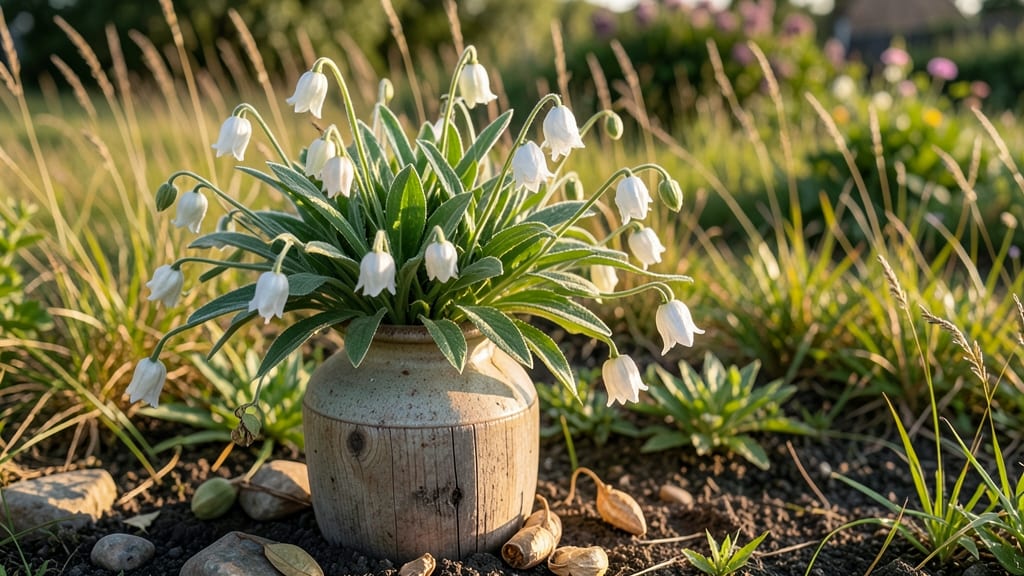
Bells of Ireland flower arrangements turn heads with their dramatic vertical spikes that feel like nature’s own chandeliers. 🌿 I first fell for this plant when I spotted it in a rustic wedding bouquet—those bell-shaped clusters cascading downward create instant visual drama.
The secret lies in their unique texture: velvety green bells that shimmer like tiny lanterns, perfect for adding depth to any arrangement.
Pairing them with complementary blooms makes all the difference. Soft pink peonies or deep burgundy dahlias balance their airy elegance, while eucalyptus adds a touch of lush green contrast.
For containers, try tall glass vases or woven baskets to let those cascading stems shine—no need for fancy setups, just let the plant’s natural beauty take center stage.
What you’ll love most is how long they last. With proper care, these arrangements stay vibrant for 10-14 days, making them ideal for weddings, home decor, or seasonal displays. The key is cutting stems at an angle and changing the water every other day—simple steps for maximum impact.
Whether you’re designing a bridal bouquet or a centerpiece for your dining table, Bells of Ireland add a touch of whimsical sophistication. Here’s how to make them the star of your next floral creation.
📚 In This Guide
- What you need
- Instructions
- Tips and common mistakes
- Wrapping up and next steps
What you need
- ● Bells of Ireland (Moluccella laevis): 1–2 bunches (50–100 stems per bunch, depending on arrangement size)
- ● Choose white, pink, or lavender for a soft look, or purple for bold drama
- ● Floral foam: 1–2 blocks (size depends on container; 6"x6"x3" for small arrangements, 12"x12"x4" for large)
- ● Floral preservative: 1 bottle (or 1 tbsp powdered mix per quart of water)
- ● Floral tape: 1 roll (for securing stems)
- ● Scissors: 1 pair (sharp floral or garden shears)
- ● Container: 1 vase, bucket, or decorative planter (choose based on height—tall and narrow for vertical impact!)
- ● Water: Enough to fill the container + extra for hydrating stems
- ● Filler flowers: Baby’s breath, eucalyptus, or ranunculus (5–10 stems) for texture
- ● Accent flowers: Roses, peonies, or dahlias (3–5 stems) for color contrast
- ● Greenery: Ferns, ivy, or asparagus ferns (1–2 bunches) for lushness
- ● Ribbon or wire: For wrapping stems or adding a decorative touch
- ● Spray adhesive: To secure lightweight elements like leaves or small flowers
- ● Floral picks or pins: For securing stems in tight spaces
How to create striking Bells of Ireland vertical arrangements
Here's how to transform these unique blooms into showstopping centerpieces—every florist's secret weapon for height and texture.
🌿 Step 1: Select and Prepare Your Bells of Ireland
Choose stems with fully unfurled bells—the ones that haven't opened yet will close permanently once cut. Strip lower leaves that would sit underwater, but leave the top 6-8 inches of foliage intact for visual balance. I always snip stems at a 45-degree angle about 2 inches from the base to maximize water uptake and prevent air pockets.
Here's the thing—these flowers are thirsty. Place them immediately in lukewarm water (never cold) with a floral preservative (like Chrysal Clear) for at least 2 hours before arranging. This hydrates the stems and prevents premature wilting. You'll see the bells perk up noticeably within an hour—that's your cue they're ready for action.
🪴 Step 2: Build Your Vertical Structure
For 4 arrangements, you'll need 4 sturdy foam blocks (at least 12 inches tall) or 4 clean glass jars/vases with wide mouths. If using foam, cut it to fit your container snugly—loose foam shifts and throws off balance. I like to pre-wet the foam before inserting stems to prevent drying out.
Start by placing 3-4 stems per arrangement, fanning them outward at the base to create a full, rounded foundation. The bells naturally cascade downward, so position the heaviest clusters at the bottom third of the foam. Push stems firmly but not aggressively—you want them secure without crushing.
☀️ Step 3: Layer for Maximum Impact
Add complementary flowers (like dusty miller, eucalyptus, or ranunculus) in odd-numbered groupings—3, 5, or 7 stems—to fill gaps naturally. The key is to weave these throughout rather than clustering them. I like to tuck smaller filler flowers behind the Bells of Ireland clusters to create depth.
For height, insert tall, straight stems (like snapdragons or delphinium) through the center of each arrangement. These should emerge above the Bells of Ireland clusters, acting as vertical anchors. Step back frequently—your eye should see a triangular shape when viewing from the front, not just a flat circle.
✂️ Step 4: Refine and Secure
Trim any stems that look uneven after arranging. The goal is for all stems to sit at the same level in the foam—this ensures even water distribution. Wrap the foam base with floral tape if needed to secure loose stems, but avoid over-tightening (you don't want to restrict water flow).
Here's where it gets fun—spray lightly with floral preservative mist to extend freshness. Place arrangements in a cool, shaded spot overnight before the event. You'll notice the bells hold their shape better after this rest period, and the stems drink up the preservative for longer vase life.
💧 Step 5: Maintain Through the Event
Change the water every 24 hours and recut stems by ½ inch each time. Keep arrangements away from direct heat sources (like candles or sunlight streaming through windows) or the bells will wilt faster. A damp paper towel draped over the arrangement overnight helps maintain humidity—just remove it 2 hours before display.
Real talk: These arrangements will last 5-7 days with proper care, but the first 48 hours are critical. If you notice stems bending toward light, rotate them ¼ turn daily to keep them upright. The cascading effect is what makes them magical—don't fight it, enhance it.
Tips & tricks for perfect Bells of Ireland vertical arrangements
These simple but game-changing strategies will elevate your floral designs from ordinary to extraordinary.
Stem Prep Secret: The 45-degree angle cut and 2-inch base trim aren't just suggestions—they're non-negotiable for maximum water uptake. I've seen arrangements wilt dramatically when this step is skipped, so take the extra 30 seconds to do it right. After cutting, immediately place stems in lukewarm water with preservative for that crucial 2-hour hydration—this prevents the "floppy stem syndrome" that plagues so many arrangements.
Foam Foundation: When building your vertical structure, pre-wetting the foam blocks is a must. Dry foam absorbs water from the stems instead of delivering it, causing premature wilting. For extra stability, I like to secure the foam base with a rubber band around the container before inserting stems—this prevents any shifting during transport or setup.
Layering Like a Pro: The odd-numbered groupings (3, 5, or 7 stems) aren't arbitrary—they create natural visual flow. When tucking complementary flowers behind the Bells of Ireland clusters, think "negative space." The goal is to highlight those signature bells while adding subtle texture. I always test the triangular shape by standing 6 feet back—this is where you'll notice if your arrangement looks flat or dimensional.
Preservative Power: That light misting of floral preservative in Step 4 isn't just for show—it creates a protective barrier that extends vase life by up to 2 days. For events longer than 3 days, I recommend adding a drop of preservative directly to the water every 24 hours. The cool, shaded overnight rest is equally important; it helps the stems absorb all that preservative before the big reveal.
Pro Tips for Bells Of Ireland Flower Arrangements
- These simple but game-changing strategies will elevate your floral designs from ordinary to extraordinary.
- Stem Prep Secret: The 45-degree angle cut and 2-inch base trim aren't just suggestions—they're non-negotiable for maximum water uptake.
- Foam Foundation: When building your vertical structure, pre-wetting the foam blocks is a must.
Frequently asked questions
Got questions about Bells of Ireland flower arrangements? You’re not alone! This striking flower is full of personality, but it’s smart to know how to handle it before diving in. Here are some of the most common questions—and answers—to help you create show-stopping vertical arrangements with confidence.
What’s the best way to prep Bells of Ireland for arrangements?
Start by trimming the stems at a 45-degree angle just below a leaf node to maximize water absorption. Remove any lower leaves that would sit underwater to prevent bacterial growth. For extra longevity, recut stems every 2–3 days and change the water frequently. Pro tip: Add a flower food packet to the vase—it’ll keep your Bells of Ireland fresh for up to 10–14 days!
How long do Bells of Ireland arrangements last?
With proper care, Bells of Ireland can stay vibrant for 7–10 days in a vase. For weddings or events, opt for pre-arranged bouquets or centerpieces with preservatives to extend their life. Keep them away from direct sunlight, heat sources, or drafts—these can cause wilting faster. If you notice drooping, trim the stems again and refresh the water!
Can I mix Bells of Ireland with other flowers?
Their deep green foliage and bell-shaped blooms pair beautifully with soft flowers like ranunculus, hydrangeas, or garden roses for a romantic look. For a bold contrast, try pairing them with euphorbia, dusty miller, or burgundy dahlias. Just avoid overpowering them with overly fragrant flowers—their earthy charm shines best when balanced.
Why are my Bells of Ireland wilting so fast?
Wilting is usually a sign of poor hydration or stress. Check these quick fixes:
- Water level: Ensure stems are fully submerged in fresh, room-temperature water.
- Stem health: Remove any mushy or discolored parts—bacteria can spread fast!
- Environment: Keep them away from heaters, AC vents, or direct sunlight.
- Food boost: Add a flower food packet to the water for extra nutrients.
Are Bells of Ireland expensive compared to other flowers?
Bells of Ireland are mid-range in pricing, typically costing $1.50–$3.50 per stem depending on the season and supplier. They’re pricier than basic filler flowers like babys breath but more affordable than peony or orchids. To save money, buy in bulk or mix them with seasonal blooms. For weddings, consider dried Bells of Ireland—they’re budget-friendly and last even longer!
Wrapping up and next steps
From weddings to corporate events, Bells of Ireland flower arrangements bring a touch of whimsical elegance and vertical flair that’s hard to match. Their cascading beauty and lush greenery make them a standout choice for anyone looking to add drama and charm to their décor.
Whether you’re a DIY enthusiast or a professional florist, these arrangements are your ticket to creating unforgettable centerpieces.
Ready to bring some magic to your next event? Grab your materials, follow the steps, and let your creativity bloom! 🌸✨