
Planting
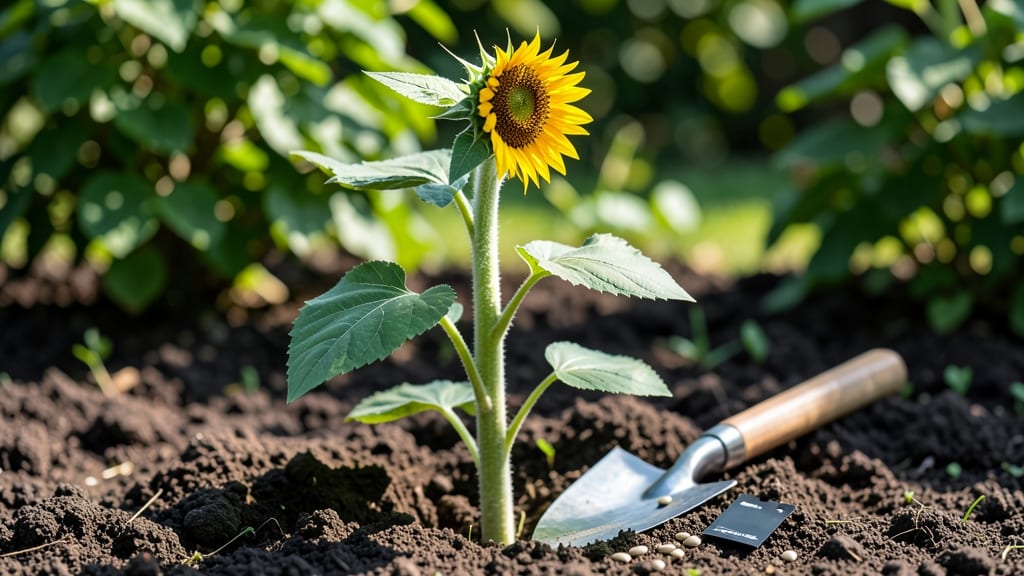
Planting sunflowers the right way guarantees 10-foot giants with those iconic golden faces by summer. 🌻 I’ve learned that skipping soil prep or crowding seeds leads to leggy, weak stems—so let’s fix that. The secret isn’t complicated: loose, nutrient-rich soil, proper spacing, and a sunny spot do the heavy lifting.
You’ll need just three things: sunflower seeds (or transplants), a sunny patch with at least 6 hours of light, and a trowel. For direct sowing, plant seeds 1 inch deep and 6 inches apart—closer spacing works for shorter varieties.
The key is patience: sunflowers grow fast, but they need consistent moisture in those first two weeks.
By mid-summer, you’ll have towering stems with blooms that turn heads at the park. The foliage stays lush, the stems stay sturdy, and you’ll avoid the classic mistake of overcrowding, which leads to weak, floppy plants. This method works for both heirloom giants and compact varieties.
Best planted in late spring after frost, but they’re forgiving—even late starts produce blooms. Just watch for slugs in damp weather and mulch to keep soil moist. Ready to grow sunflowers that make your neighbors ask, “How’d you do that?”
📚 In This Guide
- What you need
- Instructions
- Tips and common mistakes
- Wrapping up and next steps
What you need
- ● Sunflower seeds: Choose a variety suited to your climate (e.g., Mammoth for height or Teddy Bear for compact blooms). Aim for 10–20 seeds per plant if direct-sowing, or 2–3 seeds per pot for seedlings.
- ● Well-draining soil: A mix of garden soil + compost (ratio: 3 parts soil to 1 part compost). Sunflowers love loose, fertile soil with a pH of 6.0–7.5.
- ● Planting location: Full sun (6–8+ hours of direct sunlight daily).
- ● Space: 12–24 inches apart (check seed packet for variety-specific spacing).
- ○ Sturdy support (optional but recommended for tall varieties): Stakes (3–6 ft tall) or cages.
- ● Watering can or hose: With a gentle spray nozzle to avoid disturbing seedlings.
- ○ Gloves (optional but handy): To protect hands while handling soil or seeds.
- ● Seedling trays or biodegradable pots: If starting indoors (use 3–4 inch pots for transplanting).
- ● Mulch (straw or grass clippings): To retain moisture and suppress weeds.
- ● Fertilizer: A balanced, low-nitrogen fertilizer (10-10-10) or compost tea for a mid-season boost.
- ● Row covers or netting: To protect young plants from pests like birds or deer.
- ● Pruning shears: For trimming dead blooms or harvesting seeds later.
Step-by-step guide to planting sunflowers for maximum height and blooms
Here's how I grow sunflowers that reach 10+ feet tall with vibrant blooms—no fancy tricks, just proven techniques.
🌱 Step 1: Choose the Right Variety and Prepare the Soil
Sunflowers thrive in full sun (at least 6-8 hours daily) and well-drained soil. I always pick dwarf varieties (like 'Teddy Bear') for containers or giant types (like 'Mammoth') for open ground. Test your soil—sunflowers prefer pH 6.0-7.5. If your soil is heavy clay, mix in 2 inches of compost to improve drainage.
Loosen the top 12 inches of soil with a garden fork to break up compaction. Sunflower roots grow deep, so aeration is key. I add a balanced fertilizer (10-10-10) at planting time—just 1 tablespoon per plant—to give them a nutrient boost without overfeeding. Avoid fresh manure; it can burn tender roots.
🌿 Step 2: Plant Seeds at the Correct Depth and Spacing
Sunflower seeds are large, so plant them 1 inch deep and 6 inches apart for dwarf varieties or 18-24 inches apart for giants. I press each seed firmly into the soil—this ensures good soil-to-seed contact for faster germination. If planting in containers, use at least 1-gallon pots per plant.
Water gently after planting to settle the soil around the seeds. Keep the soil moist but not soggy until germination, which typically takes 7-14 days depending on temperature. If you're in a cooler climate, consider starting seeds indoors 2-3 weeks before the last frost and transplanting seedlings carefully.
☀️ Step 3: Provide Consistent Care for Towering Growth
Once seedlings emerge, thin them to 1 plant per 12-inch space for dwarfs or 1 plant per 2-foot space for giants. This prevents overcrowding, which weakens stems and reduces bloom size. Sunflowers need 1-2 inches of water per week, especially during flowering. Water at the base to avoid wetting leaves, which can lead to fungal diseases.
Fertilize again when plants reach 12 inches tall with a low-nitrogen, high-phosphorus fertilizer (like 5-10-10) to encourage strong root and flower development. I also stake tall varieties (like 'Mammoth') with 3-foot bamboo stakes tied loosely to the stem as they grow. This prevents wind damage and ensures upright growth.
✂️ Step 4: Deadhead and Maintain for Continuous Blooms
After the first bloom fades, cut the stem just below the flower head to encourage a second round of blooms. This works best with biennial varieties like 'Russian Giant.' I also remove any weak or leggy stems to redirect the plant’s energy into the strongest growth.
Watch for sunflower moths or beetles—they can chew leaves. A quick spray of neem oil keeps pests at bay without harming pollinators. Harvest seeds when the back of the flower head turns yellow and the seeds rattle inside. Dry them in a well-ventilated area for 2 weeks before storing.
Tips & tricks for perfect sunflower planting
Here’s what I’ve learned after growing sunflowers that reach over 10 feet—simple tricks that make all the difference.
Sunlight Secret: Those 6-8 hours of daily sun are non-negotiable, but placement matters too. Plant your sunflowers where they’ll get morning sun and afternoon shade if you live in a hot climate—this prevents wilting while still ensuring they get enough light. I’ve noticed the tallest stems come from plants that get consistent sun without afternoon heat stress.
Soil Prep Technique: When loosening that top 12 inches of soil, don’t just scratch the surface—work the fork deep enough to break up any hardpan. Sunflower roots need room to spread downward for stability. I also add a handful of coarse sand to heavy clay soils to improve drainage without altering the pH. This one change has prevented root rot in my garden.
Germination Hack: After planting your seeds 1 inch deep, I recommend covering them with a thin layer of mulch (like straw) to help retain moisture during the 7-14 day germination period. This is especially helpful in dry climates. Just be sure to keep it loose enough that seedlings can push through easily when they emerge.
Staking Strategy: For those giant varieties like 'Mammoth', I’ve found that staking with 3-foot bamboo stakes works best when you tie them loosely at the base and add a second tie as the plant grows. This prevents wind damage without restricting growth. I use soft garden twine that won’t cut into the stems—regular string can leave marks as the plant thickens.
Pro Tips for Best Way To Plant Sunflowers
- Here’s what I’ve learned after growing sunflowers that reach over 10 feet—simple tricks that make all the difference.
- Sunlight Secret: Those 6-8 hours of daily sun are non-negotiable, but placement matters too.
- Soil Prep Technique: When loosening that top 12 inches of soil, don’t just scratch the surface—work the fork deep enough to break up any hardpan.
Frequently asked questions
Got questions about growing sunflowers? You’re not alone! Here are answers to the most common queries to help you grow a thriving patch of these cheerful giants.
When is the best time to plant sunflowers?
Sunflowers thrive in warm soil, so plant them after the last frost in spring—typically 2–3 weeks after your area’s average last frost date. For a late-summer bloom, you can even sow seeds in early summer. Just ensure there are at least 60–80 frost-free days left in your growing season.
Can I grow sunflowers in containers or small spaces?
Sunflowers adapt well to containers if given enough room. Choose dwarf varieties (like ‘Teddy Bear’ or ‘Moulin Rouge’) for pots, using at least a 5–10 gallon container with drainage. Place them in full sun and ensure the pot is 12–18 inches deep to support their roots.
How do I protect sunflowers from pests like birds and squirrels?
Birds and squirrels love sunflower seeds! Cover seeds with 1 inch of soil to deter them, or use chicken wire cages until sprouts emerge. Once plants are established, bird netting over blooms can save seeds for harvesting. Avoid planting near bird feeders to reduce temptation!
Why aren’t my sunflower seeds germinating?
Sunflowers need consistent moisture and warmth to sprout. Plant seeds ½ inch deep in well-drained soil and keep it evenly moist (not soggy). If soil is too cold (<45°F), germination slows—wait until temperatures rise. Test seeds by soaking a few in water overnight; if they sink, they’re viable!
Do sunflowers need fertilizer? What’s the best type?
Sunflowers aren’t heavy feeders, but a balanced, low-nitrogen fertilizer (10-10-10) at planting time can boost growth. Avoid over-fertilizing, which can lead to leafy growth over blooms. Instead, focus on compost or well-rotted manure for organic nutrition. Too much nitrogen = fewer flowers!
Wrapping up and next steps
Planting sunflowers is a rewarding journey that brings vibrant color and joy to your garden with just a few simple steps! 🌻 Whether you’re a seasoned gardener or a beginner, choosing the right variety, preparing the soil, and providing proper care will ensure stunning blooms.
Now that you’re armed with the best way to plant sunflowers, it’s time to roll up your sleeves and get growing.
Ready to watch your garden transform? Pick your favorite sunflower variety today and start planting! 🌱 Share your progress with fellow gardeners or tag us in your sunflower photos—we’d love to see your towering beauties in action!