
Flowers
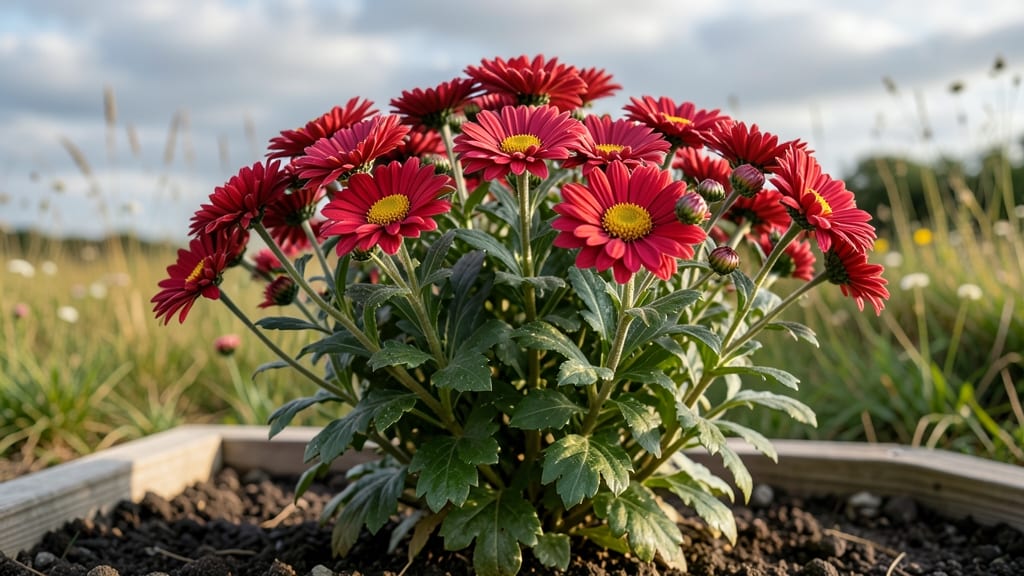
Big mums flowers bring summer's boldest colors to your garden with minimal fuss—just heat, humidity, and a little attention. 🌸 I’ve grown them for years, and they’ve never failed to deliver those football-sized blooms that make neighbors do double-takes.
The secret isn’t complicated: they love sun, rich soil, and consistent moisture, but they’re tough enough to handle summer’s worst without wilting.
Start with well-draining soil mixed with compost, and plant them in full sun after the last frost. Most varieties bloom nonstop from mid-summer to frost, and they’re so hardy they bounce back from deer nibbles and occasional drought.
My go-to picks? ‘Purple Pizzazz’ for drama and ‘Autumn Blaze’ for long-lasting color—both stay vibrant even when other flowers fade.
By late summer, you’ll have a garden packed with vibrant, dinner-plate blooms that last for weeks. The key is deadheading spent flowers and feeding them every 4-6 weeks—simple steps that keep them producing until frost.
Even in sweltering heat, these flowers stay cheerful and full, making them the ultimate low-maintenance showstoppers.
Works in containers, borders, or mass plantings, and they’re deer-resistant too. Let’s get those bold blooms growing—your garden’s about to get an upgrade!
📚 In This Guide
- What you need
- Instructions
- Tips and common mistakes
- Wrapping up and next steps
What you need
- ● Big Mums plants: 3–6 young plants (check for healthy, compact foliage and firm stems).
- ● Well-draining potting mix: 1–2 bags (look for a blend labeled for flowers or perennials).
- ● Containers or garden beds: Containers: 12–16" pots with drainage holes (1 per plant).
- ● Garden beds: Full sun (6+ hours/day) and loose, fertile soil.
- ● Slow-release fertilizer: 1–2 pellets or granules (10-10-10 NPK ratio).
- ● Watering can or hose: With a gentle spray nozzle for even moisture.
- ● Pruning shears: Small, sharp pair for deadheading and shaping.
- ● Gloves: Gardening gloves to protect hands from thorns or soil.
- ● Mulch: Organic mulch (e.g., straw or shredded bark) to retain moisture.
- ● Stakes or cages: For container-grown Big Mums to support tall stems.
- ○ pH test kit: Optional but helpful—Big Mums prefer slightly acidic to neutral soil (6.0–7.0 pH).
- ● Floral preservative: If cutting blooms for arrangements (adds 1–2 drops to vase water).
Step-by-step instructions for cultivating big mums in containers
Here's how to grow these heat-loving bloomers with minimal fuss—perfect for containers.
🌱 Step 1: Select the Right Containers and Soil Mix
Big mums need 5-gallon containers minimum with drainage holes—root-bound plants flop over and bloom poorly. I use black plastic pots because they absorb heat, which these plants love. Fill each with a mix of 50% premium potting soil and 50% perlite for excellent drainage.
Don't skip the perlite—big mums hate soggy roots. The mix should crumble easily when squeezed, like a damp sponge. If your soil compacts when wet, add an extra 10% perlite. The goal is lightweight, airy medium that mimics their native well-drained conditions.
☀️ Step 2: Plant at the Right Time and Depth
Start seeds indoors 8-10 weeks before your last frost date or buy established plants in spring. Plant each tuberous root 2-3 inches deep—any deeper and they'll rot before sprouting. Space plants 12-18 inches apart in containers to allow airflow.
Here's the thing—big mums grow fast. If you crowd them, you'll end up with leggy stems and fewer blooms. Press the soil gently around the roots to eliminate air pockets, then water thoroughly until it drains from the bottom. The soil should feel moist but not waterlogged when you check after 30 minutes.
💧 Step 3: Water and Feed for Maximum Blooms
Water when the top 2 inches of soil feel dry—these plants thrive on consistency. I use a moisture meter to avoid guesswork, but you can also lift the pot: if it feels light, it's time to water. Overwatering causes root rot, which kills plants quickly.
Feed every 2 weeks with balanced 10-10-10 fertilizer once flowers appear. Stop fertilizing 6 weeks before your first frost to let roots harden off. The key is steady moisture and regular feeding—skimp on either, and your blooms will be sparse.
✂️ Step 4: Deadhead and Prune for Longevity
Deadhead spent blooms immediately to encourage more flowers. Use clean pruners to snip just above the next set of leaves—this prevents disease from entering the stem. I check for dead blooms every 3-4 days during peak season.
If stems get leggy, cut them back by one-third after flowering slows. This rejuvenates the plant for a second flush of blooms in fall. Never prune more than 25% at once—big mums are tough but not indestructible.
🪴 Step 5: Overwinter Tubers for Next Year
After frost kills the foliage, let the soil dry completely. Dig up tubers, brush off soil, and store them in a cool, dark place at 40-50°F with 50% humidity. I use a mesh bag with peat moss to keep them dormant until spring.
Don't rush to replant—wait until soil warms to 60°F before moving tubers back outside. The first year's blooms might be modest, but subsequent years reward patience with larger, more abundant flowers.
Tips & tricks for cultivating big mums in containers
Here's what nobody tells you about growing these bold beauties—details that make all the difference between a few sad blooms and a container full of vibrant color.
Container Selection: Black plastic pots aren't just about heat absorption—they also prevent the soil from drying out too quickly. If you're using terracotta, water more frequently since it dries out faster. The 5-gallon minimum isn't arbitrary: smaller containers will produce undersized blooms. I've seen gardeners use 7-gallon pots for single plants when they want extra-large flowers.
Soil Mix Secrets: That 50/50 soil-perlite ratio is your foundation, but here's the real trick: mix in 1 cup of compost per 5-gallon container before planting. This gives your big mums a nutrient boost without overwhelming them. The compost should be well-aged—fresh manure can burn delicate roots. I sift mine through a fine mesh to avoid large chunks that disrupt drainage.
Planting Depth: Those 2-3 inches might seem shallow, but planting deeper creates anaerobic pockets that lead to rot. Use your finger to press the soil gently around the tuberous roots—you should be able to see the top third of the tuber exposed. This ensures proper sprouting while preventing waterlogging. After planting, give the soil a firm press to eliminate air pockets that could trap moisture.
Watering Wisdom: The 30-minute drainage check after watering is crucial, but here's what to watch for: if water pools at the bottom after this time, your container has poor drainage. Big mums hate soggy feet—if this happens, add a layer of coarse gravel at the bottom before repotting. And here's a pro move: water in the morning so leaves have time to dry before evening, reducing disease risk.
Pro Tips for Big Mums Flowers
- Here's what nobody tells you about growing these bold beauties—details that make all the difference between a few sad blooms and a container full of vibrant color.
- Container Selection: Black plastic pots aren't just about heat absorption—they also prevent the soil from drying out too quickly.
- Soil Mix Secrets: That 50/50 soil-perlite ratio is your foundation, but here's the real trick: mix in 1 cup of compost per 5-gallon container before planting.
Frequently asked questions
Got questions about growing Big Mums flowers? You’re not alone! These bold beauties are easygoing but still need a little TLC to thrive. Here are answers to the most common queries—so you can enjoy lush blooms all season long.
How often should I water Big Mums flowers?
Water them deeply 1–2 times per week, depending on your climate. Let the top 1–2 inches of soil dry out between waterings—overwatering can lead to root rot. Pro tip: Mulch around the base to retain moisture and keep roots cool in heat!
When is the best time to plant Big Mums flowers?
Plant them in spring after the last frost or early summer for peak performance. They’re heat-tolerant but need time to establish roots before summer’s full intensity. If you’re in a warm zone, you can even plant them in late summer for fall blooms!
Can Big Mums flowers grow in containers?
Choose a container at least 12 inches deep with drainage holes. Use a well-draining potting mix and fertilize every 2–3 weeks. Just keep them in a spot with 6+ hours of sunlight daily—they’ll reward you with vibrant blooms in pots too!
What pests commonly attack Big Mums flowers, and how do I prevent them?
Watch for aphids, spider mites, and whiteflies. Spray plants with water to dislodge pests, or use neem oil as a natural deterrent. Healthy plants (with proper spacing and airflow) are less prone to infestations. Pro tip: Inspect leaves regularly—early action keeps pests from taking over!
Why aren’t my Big Mums flowers blooming?
Lack of blooms often means too much shade, over-fertilizing with nitrogen, or inconsistent watering. Ensure they get full sun (6+ hours/day), use a balanced bloom fertilizer, and keep water steady. Deadhead spent blooms to encourage more flowers!
Wrapping up and next steps
Growing Big Mums (Big Mums Flowers) is a rewarding journey that brings vibrant color and resilience to your garden—even in tough conditions! 🌸 With the right soil, sunlight, and care, these bold blooms will thrive and keep your space lively from summer to frost.
Whether you're a seasoned gardener or just starting out, your garden deserves this burst of beauty.
Ready to dive in? Start by gathering your supplies and pick a sunny spot—then watch your Big Mums flourish! For extra tips, check out our FAQ section or share your progress with fellow plant lovers online. Happy gardening! 🌿