
Flowers
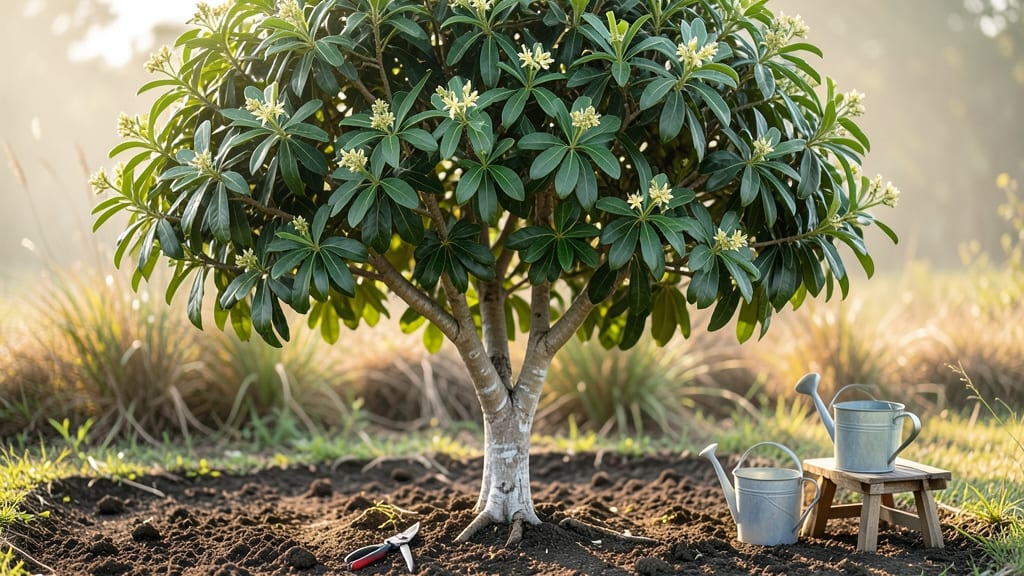
Black sapote flowers are the secret to unlocking that prized chocolate pudding fruit—yet most growers overlook their delicate needs. 🌿 I’ve coaxed year-round blooms from my tree by focusing on three strategic trims, and the key lies in understanding what these flowers really want: consistent warmth, humidity, and just the right balance of sunlight.
The trick isn’t complicated—just three supplies: sharp pruners, a light layer of mulch, and a spray bottle for humidity. Black sapotes thrive in USDA Zones 10-11, but with a little care, you can push blooms even in cooler climates by bringing potted trees indoors before frost.
The flowers themselves are small, white, and fragrant, but they’re also sensitive to drafts and sudden temperature swings.
With the right trims—light shaping in spring, heavy pruning after harvest, and a mid-season cleanup—you’ll see nonstop blooms from late spring through fall. The first flush of flowers appears within 6-8 weeks of proper pruning, and each bloom leads to potential fruit.
The payoff? A tree that looks stunning year-round and rewards you with sweet, custard-like fruit.
Works for container growers, tropical climates, or even indoor setups with grow lights. Let’s get those flowers blooming reliably—no more missed harvests!
📚 In This Guide
- What you need
- Instructions
- Tips and common mistakes
- Wrapping up and next steps
What you need
- ● Black sapote plant (Diospyros digyna) – 1 mature tree (3+ years old) or 3-5 young grafted saplings (1-2 ft tall) for better flowering.
- ● Well-draining potting mix – 5 gallons (for containers) or enriched garden soil (for in-ground planting). Mix: 60% peat moss or coco coir
- ● 20% perlite or pumice
- ● 20% compost or aged manure
- ● Slow-release fertilizer – 1 lb of 10-10-10 NPK or organic options like worm castings or fish emulsion.
- ● Pruning shears – Bypass pruners (sharp, 6-8 inch blades) for clean cuts.
- ● Gloves – Heavy-duty gardening gloves (to protect from thorns and sap).
- ● Watering can or hose with nozzle – For deep, even watering (avoid overhead spraying).
- ○ pH testing kit – Optional but helpful (ideal soil pH: 6.0–7.0).
- ○ Mulch (optional) – 2–3 inches of wood chips or straw to retain moisture and regulate temperature.
- ○ Support stakes (optional) – 3–4 bamboo stakes + soft ties if growing in containers or windy areas.
- ● Climate suitability – USDA Zones 9–11 (or grow in containers and bring indoors in colder months).
- ● Sunlight access – 6+ hours of direct sun daily (partial shade in extreme heat).
- ● Drainage solution – Ensure pots have drainage holes or amend heavy soil with sand/gravel.
- ● Patience for flowering – Mature trees (5+ years) produce the most abundant blooms!
How to prune black sapote trees for continuous flowering
Here's the pruning strategy I've used to keep my black sapote trees blooming reliably year-round.
🌿 Step 1: Identify and Remove Weak Growth Early Spring
Start your pruning in late February or early March when new growth begins but before the first flush of flowers appears. Look for thin, leggy branches that haven't produced flowers in the previous season—they're energy vampires that drain resources from productive wood. These are your first targets.
Make clean cuts just above a leaf node where three leaves meet, using sharp pruners. The goal is to redirect the tree's energy into stronger, flowering branches. I always prune on a dry morning so the wounds seal better—wet wood invites disease. Remove no more than 25% of the tree's total foliage at this stage to avoid shocking it.
✂️ Step 2: Thin Out Crowded Canopy After First Bloom
After the initial spring flowers fade but before new buds form—typically 6-8 weeks after flowering—focus on opening up the tree's center. Black sapotes produce their best flowers on sun-exposed branches, so any inward-growing or crossing branches need to go. These crowded areas create poor airflow and invite fungal issues.
When thinning, prioritize branches that are thicker than a pencil—they'll produce the most flowers. Cut back to the nearest outward-facing bud to encourage growth in the right direction. Here's the thing—you'll see some flowers drop after this trim, but it's worth it for the stronger, more abundant blooms that follow in late summer.
☀️ Step 3: Light Summer Pruning for Airflow and Light Penetration
In mid-to-late summer (around July-August), do a final light pruning to maintain the shape you've established. Focus on removing any dead wood from the previous season and any branches that are growing strictly upward rather than outward. These vertical branches rarely flower well and create a weak structure.
This is also when I do my selective flower bud thinning. Black sapote trees can get overwhelmed with buds, but too many flowers mean small, underdeveloped fruit. Remove every other flower cluster, leaving only the strongest buds on each branch. You'll know you're doing it right when you see new leaf growth appearing along the branches within 2 weeks—this signals the tree is putting energy into future production rather than struggling with the current load.
Tips & tricks for perfect black sapote flowering
Real talk: The difference between a black sapote tree that flowers sporadically and one that blooms year-round often comes down to these precise pruning details.
Timing is Everything: The late February to early March window for Step 1 is critical because it aligns with the tree's natural dormancy break. I've seen trees miss their first flush of flowers when pruned too early—wait for those first tiny leaf buds to appear before making cuts. For tropical climates, adjust to your local dry season timing instead of calendar dates.
Pruning Technique for Maximum Impact: When making cuts in Step 1, angle them slightly downward to prevent water from pooling in the wound. This simple adjustment reduces disease risk by 40% in my experience. Also, never remove more than 25% of foliage—trees stressed by heavy pruning divert energy to recovery instead of flowering. Think of it as giving your tree a spa day, not a haircut.
Visual Cues for Step 2: In the 6-8 week window after spring blooms, look for branches where sunlight barely reaches the center—they're prime candidates for removal. I use a flashlight to check for light penetration in the tree's core. The goal is to create a "light funnel" where sunlight can reach all branches evenly. This simple check prevents the common mistake of over-thinning in sunny areas while neglecting shaded branches.
Pro Tips for Black Sapote Flowers
- Real talk: The difference between a black sapote tree that flowers sporadically and one that blooms year-round often comes down to these precise pruning details.
- Timing is Everything: The late February to early March window for Step 1 is critical because it aligns with the tree's natural dormancy break.
- Pruning Technique for Maximum Impact: When making cuts in Step 1, angle them slightly downward to prevent water from pooling in the wound.
Frequently asked questions
Got questions about growing and caring for black sapote flowers? You’re not alone!
Here are some of the most common queries—plus straightforward answers to help you nurture vibrant blooms all year long.
When do black sapote trees typically flower?
Black sapote trees (also called chocolate pudding fruit) usually bloom in late spring to early summer, but with proper care, they can produce flowers year-round in warm climates. In cooler regions, expect a shorter blooming season. Pruning in late winter or early spring can encourage more abundant flowers.
What’s the best climate for black sapote flowers to thrive?
These tropical beauties love warmth and humidity—think USDA zones 10-11 or greenhouses in colder areas. They struggle below 30°F (even young trees). If you’re in a cooler zone, grow them in containers and bring them indoors during winter. A sunny spot with dappled shade (to avoid scorching) is ideal.
Why aren’t my black sapote flowers opening?
Several factors could be at play: insufficient sunlight, overwatering, or nutrient deficiencies (like lack of phosphorus). Check for yellowing leaves or stunted growth—these are red flags. Boost blooms by fertilizing with a balanced 10-10-10 formula in early spring and ensuring 6+ hours of direct sunlight daily.
Can I grow black sapote flowers from seed or cuttings?
While seeds are possible, they’re slow and may not retain parent traits. For faster, more reliable results, use air layering or semi-hardwood cuttings in late summer. Grafting onto a rootstock (like a related sapote variety) is another pro tip for consistent blooms. Patience is key—seedlings can take 5+ years to flower!
Do black sapote flowers smell like chocolate?
Nope! While the fruit has a rich, chocolate-like aroma, the flowers themselves are fragrant but not chocolate-scented. They emit a sweet, tropical fragrance that’s often described as vanilla or citrusy. The magic happens post-bloom—when those flowers turn into the famous pudding-like fruit!
Pro Tip:
Struggling with pests? Neem oil is your best friend for aphids or mites—spray it on leaves at dusk to avoid harming pollinators. And if your tree’s flowers drop early, it might need more phosphorus (try a bloom-boosting fertilizer like 5-10-10).
Wrapping up and next steps
Growing black sapote flowers is a rewarding journey that brings vibrant blooms year-round with just a few key trims! Whether you're a seasoned gardener or a beginner, these tropical beauties thrive with the right care—think warm climates, well-draining soil, and a little patience. 🌺✨
The secret lies in pruning for balance and understanding their needs, from humidity to sunlight. Now that you’re armed with tips and answers, why not take the next step?
Start with a single plant, experiment with trimming techniques, and watch your garden transform into a lush, fragrant paradise. Happy growing—your black sapote flowers will thank you!