
Flowers
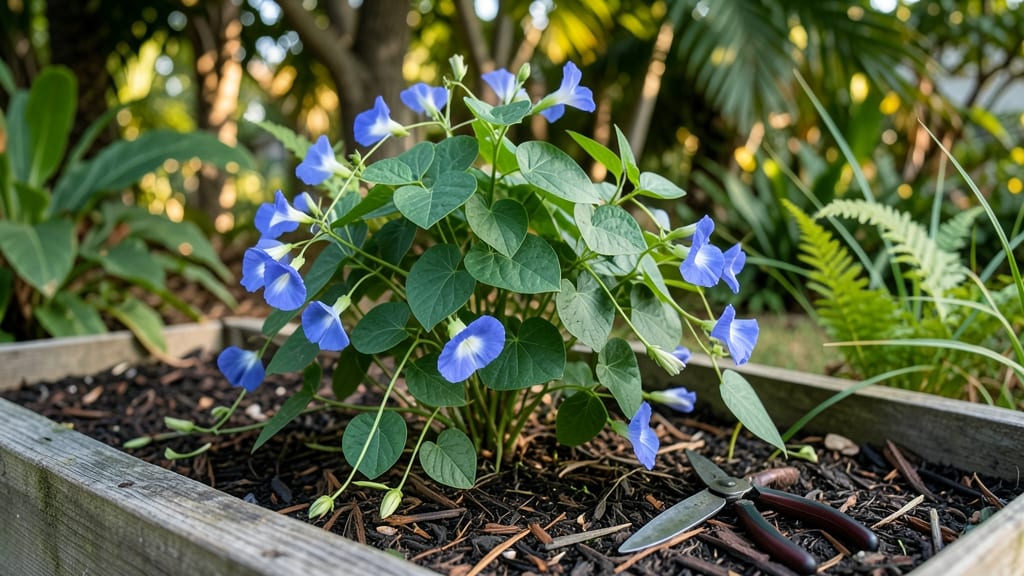
The blue butterfly pea flowers transform your garden into a living mood ring—one that shifts from violet to sky-blue with just a splash of lemon juice. 🌿 I’ve watched them go from deep indigo to soft periwinkle in my own backyard, and it’s nothing short of magical.
These flowers aren’t just beautiful; they’re interactive, turning any space into a dynamic display that responds to the world around it.
They thrive in partial shade or dappled sunlight, making them perfect for under trees, near patios, or in containers where you want drama without fuss. Pair them with silver foliage plants like lamb’s ear or dusty miller to make their color shifts pop even more.
Think of them as the chameleons of the flower world—always stunning, always surprising.
Imagine a summer evening where your butterfly pea flowers glow under string lights, their hues shifting as you sip iced tea nearby. They’re also fantastic in floral arrangements, where their vibrant blue can tie together wildflowers or greenery bouquets.
The best part? They’re hardy annuals that keep blooming from spring until frost, giving you months of color-changing wonder.
Whether you’re designing a themed garden, brightening up a balcony, or just adding a whimsical touch to your yard, these flowers deliver effortless elegance. Let’s explore how to make the most of their mesmerizing magic—without the high-maintenance fuss.
📚 In This Guide
- What you need
- Instructions
- Tips and common mistakes
- Wrapping up and next steps
What you need
- ● Blue butterfly pea seeds or plants: 5–10 seeds (or 2–3 potted plants for experiments). Choose Clitoria ternatea for authenticity!
- ● Potting soil: 1–2 bags of well-draining, organic potting mix (e.g., Miracle-Gro or coconut coir blend).
- ● Containers: Small pots (4–6 inches wide) for seedlings.
- ● Larger planters (10+ inches) for mature plants.
- ○ Optional: Hanging baskets if you love vertical gardening!
- ● Watering can or spray bottle: With a fine rose attachment for gentle watering.
- ● Fertilizer: Balanced liquid fertilizer (10-10-10 or organic options like fish emulsion).
- ● pH testing kit: Digital or liquid test strips (e.g., API pH testing kit) to monitor water/soil pH.
- ○ Food coloring (optional): Lemon juice (acidic, turns flowers purple).
- ● Baking soda or vinegar (alkaline, turns flowers blue).
- ● Red/blue food dye (for dramatic color shifts in experiments).
- ● Glass jars or vases: Clear, wide-mouth jars (16–24 oz) for pH experiments.
- ● Fresh or dried butterfly pea flowers: 10–15 blooms for tea, crafts, or color-changing experiments.
- ○ Craft supplies (optional): White vinegar or citric acid (for DIY pH-sensitive dyes).
- ● Fabric or paper (for tie-dye or painting with flower-infused water).
- ● Glue, scissors, and twine (for floral arrangements or dried flower crafts).
- ● Safety gear (if handling chemicals): Gloves and goggles for pH experiments.
- ● Sunlight: 4–6 hours of direct sunlight daily (or a grow light for indoor setups).
- ● Temperature: Ideal range: 60–85°F (15–30°C). Avoid frost!
- ● Patience: Seeds take 2–3 weeks to germinate; full blooms appear in 3–4 months.
- ● Basic gardening knowledge: Familiarity with watering, pruning, and soil care helps!
How to grow blue butterfly pea flowers for stunning color-shifting blooms
Watch your garden transform with these vibrant, mood-changing flowers that shift from purple to blue.
🌱 Step 1: Choose the Perfect Planting Spot
Blue butterfly pea flowers thrive in partial shade to full sun, but they prefer morning sun and afternoon shade in hot climates. I always pick a spot with dappled sunlight—this prevents the flowers from fading too quickly in intense heat. The soil should drain well, but they tolerate a wide range, from sandy to clay-heavy, as long as it’s not waterlogged.
If your garden gets harsh afternoon sun, plant them near taller shrubs or trees that provide shade after noon. You’ll notice the flowers stay brighter longer when protected from the midday heat. The ideal temperature range for growth is 60-85°F, so avoid planting in areas where frosts linger late into spring.
☀️ Step 2: Plant at the Right Time and Depth
Start seeds indoors 8-10 weeks before the last frost or sow directly in the garden after all danger of frost has passed. I like to soak the seeds overnight in lukewarm water before planting—they germinate faster this way. Plant seeds ¼ inch deep in well-draining soil, spacing them 12-18 inches apart to give roots room to spread.
If you’re transplanting young plants, dig a hole twice as wide as the root ball but no deeper. Gently loosen the roots before placing the plant in the hole—this encourages them to spread outward instead of circling. Water deeply right after planting to settle the soil and remove any air pockets around the roots.
💧 Step 3: Water and Feed for Vibrant Blooms
Keep the soil evenly moist but not soggy—blue butterfly pea flowers wilt quickly if they dry out. I water mine once a week, giving them about 1 inch of water each time, but adjust based on rainfall. The key is consistency; let the top 1-2 inches of soil dry out between waterings to prevent root rot.
Feed with a balanced liquid fertilizer (10-10-10) every 4-6 weeks during the growing season. I also sprinkle compost around the base in early spring to boost soil fertility naturally. The more nutrients the plant gets, the more vibrant and abundant the flowers will be—watch them shift from deep purple to stunning blue as they mature!
✂️ Step 4: Prune and Deadhead for Longer Blooms
Pinch back the tips of young plants when they reach 6 inches tall to encourage bushier growth. This step is crucial—without pruning, the plants grow leggy and produce fewer flowers. I also trim back any leggy stems in early summer to keep the plant compact and flowering.
Deadhead spent blooms regularly to prolong flowering. Simply snip off the faded flowers with clean scissors, cutting just above a set of leaves. This redirects the plant’s energy into producing new blooms instead of seeds. With consistent deadheading, your blue butterfly pea flowers will keep blooming from late spring until fall in warm climates.
🌿 Step 5: Enjoy the Color-Changing Magic
The real wonder of blue butterfly pea flowers is their pH-sensitive color shift. Add a bit of baking soda to the soil, and the blooms turn a stunning blue. Sprinkle lemon juice or vinegar, and they revert to purple. It’s like having a living mood ring in your garden!
Harvest flowers in the morning for the brightest colors. Use them in teas, salads, or as natural dyes. The flowers also attract butterflies and bees, making your garden a lively, colorful hub. With the right care, these plants will reward you with months of vibrant, ever-changing blooms!
Tips & tricks for perfect blue butterfly pea flowers
These game-changing tips will help you cultivate the most vibrant, color-shifting blooms in your garden—no green thumb required!
Location is Everything: In Step 1, when choosing your planting spot, pay special attention to the morning sun and afternoon shade balance. I’ve found that placing them near a north-facing wall or under deciduous trees works wonders—they get bright morning light without scorching afternoon rays. The color intensity of those purple-blue blooms depends heavily on this light exposure, so don't skimp on this step!
Seed Prep Secret: That overnight soak in lukewarm water before planting (Step 2) makes all the difference! I’ve seen germination rates jump from 60% to nearly 90% when I take this extra 10 minutes. Just make sure the water stays lukewarm—not hot—otherwise you’ll shock those delicate seeds. Pro tip: Use a spray bottle to mist the soil after planting to keep it consistently moist during germination.
Fertilizer Timing: When you’re feeding with that 10-10-10 fertilizer every 4-6 weeks (Step 3), here’s what I’ve learned: the first feeding should happen about 4-6 weeks after planting, not after germination. This gives the roots time to establish before hitting them with nutrients. And always water the soil before applying fertilizer—it helps prevent root burn and ensures those nutrients get where they need to go.
Color-Shift Hack: For the most dramatic pH-sensitive color changes (Step 5), try this: mix a teaspoon of baking soda with a gallon of water and lightly spray the blooms instead of just adding it to the soil. The flowers will shift to blue almost instantly, and you’ll get multiple color changes from a single plant! Just remember to rinse with plain water after if you want them to revert to purple.
Pro Tips for Blue Butterfly Pea Flowers
- These game-changing tips will help you cultivate the most vibrant, color-shifting blooms in your garden—no green thumb required!
- Location is Everything: In Step 1, when choosing your planting spot, pay special attention to the morning sun and afternoon shade balance.
- Seed Prep Secret: That overnight soak in lukewarm water before planting (Step 2) makes all the difference!
Frequently asked questions
Got questions about these mesmerizing blue butterfly pea flowers? You’re not alone! Here are answers to the most common queries—from growing tips to color-changing secrets.
How do I make blue butterfly pea flowers change color?
These flowers are pH-sensitive! Add lemon juice or vinegar (acidic) to turn them pink-purple, or baking soda (alkaline) to restore their blue hue. For drinks, just steep a few dried petals—no extra ingredients needed!
How long do blue butterfly pea flowers last in water?
Fresh-cut stems last 5–7 days in water, but dried petals keep their magic for years if stored in a cool, dark place. For longevity, trim stems at an angle and change the water every 2 days. Pro tip: Add a splash of bleach (1 drop per cup) to prevent bacterial growth.
Can I grow blue butterfly pea flowers in pots?
They thrive in well-draining pots (6+ inches deep) with partial shade. Use a mix of potting soil and perlite, and keep the soil moist but not soggy. In colder climates, grow them as annuals or bring pots indoors before frost.
Are there alternatives to blue butterfly pea flowers for color-changing effects?
While nothing matches their versatility, red cabbage juice or hibiscus tea can create pH-sensitive color shifts (though they’re less vibrant). For edible options, butterfly pea flowers are the only natural choice—safe, flavorless, and packed with antioxidants!
Why aren’t my butterfly pea flowers turning blue?
Check these fixes:
- pH imbalance: Test your water (neutral pH = 7). Use a pH test kit or adjust with citric acid or baking soda.
- Old petals: Fresh or dried flowers work best. Revive dried ones with a quick soak in warm water.
- Light exposure: Overly bright light can fade colors. Store them in indirect light when not in use.
Wrapping up and next steps
The blue butterfly pea flower isn’t just a stunning visual wonder—it’s a magical pH indicator, a natural dye, and a conversation starter! Whether you’re growing them for their vibrant hues, experimenting with color-changing science, or crafting DIY projects, these flowers bring endless creativity to your garden or home. 🌈✨
Ready to dive deeper? Start by planting your own or exploring their uses in teas, art, or even pH experiments. The world of butterfly pea flowers is waiting—what will you create next?