
Flowers
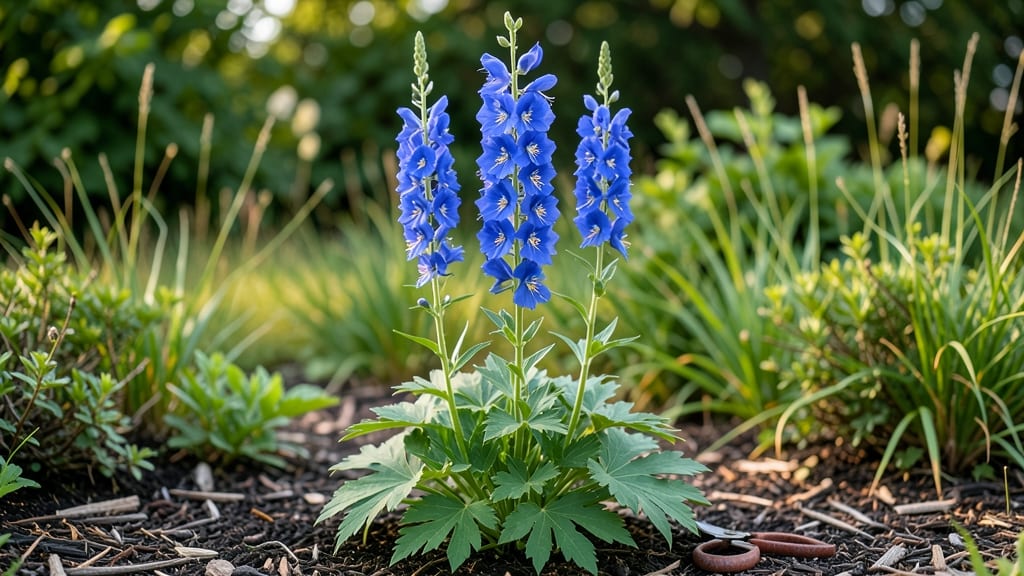
The blue colour flowers name you’ll love—like heavenly delphiniums or velvety salvias—don’t just add hue; they weave magic into your garden. 🌸 The right blue flowers can make a small space feel vast or a sunny border look dreamy, all while attracting pollinators like bees and butterflies.
My favorite blue bloomers include cornflowers for their effortless charm, hydrangeas for their dramatic color shifts, and lobelia for its delicate cascading habit. These varieties thrive in different light conditions—some love full sun, while others prefer shade—so there’s a perfect blue for every corner of your garden.
The key is choosing plants that complement your space’s natural light and soil.
Imagine a border bursting with blue salvia and lavender under a summer sky, or a shady nook brightened by blue fritillaries and hostas. The contrast of blue with warm yellows or purples creates visual magic, while textures like feathery catmint or velvety blue clematis add depth.
These flowers don’t just bloom—they steal the show.
Whether you’re designing a cottage garden, a modern container display, or a pollinator-friendly meadow, blue flowers bring cool elegance and unexpected drama. Let’s explore the best varieties to make your garden unforgettable—no matter the season or style.
📚 In This Guide
- What you need
- Instructions
- Tips and common mistakes
- Wrapping up and next steps
What you need
- ● Seeds or seedlings: Choose from blue-flowering varieties like Delphinium, Lobelia, Clematis, or Hydrangeas (blue-hued cultivars). Pro tip: Start with 2–5 plants for a small garden or 10+ for a bold display! 🌱
- ● Well-draining potting mix: 1–2 bags (10–20 lbs each) of high-quality soil amended with perlite or coconut coir (20–30% mix) to prevent root rot.
- ○ Containers or garden bed: Containers: 5–10-inch pots (1–2 per plant) with drainage holes. Optional: Self-watering pots for low-maintenance care.
- ● Garden bed: A 6-inch-deep, sunny spot (6+ hours of light daily) with loose, fertile soil.
- ● Fertilizer: Balanced liquid fertilizer (e.g., 10-10-10 NPK) – 1 bottle (16 oz).
- ● Slow-release granules (e.g., osmocote) – 1 lb for garden beds.
- ● Watering can or hose: A 1–2 gallon can with a rose attachment for gentle watering.
- ● Pruning shears: 1 pair (bypass type, sharp blades) for trimming dead blooms or overgrowth.
- ● Mulch: 2–3 bags of organic mulch (e.g., shredded bark) to retain moisture and suppress weeds.
- ● Epsom salt: 1 small box (for magnesium boost, especially for Hydrangeas to enhance blue blooms!).
- ● Garden gloves: 1 pair to protect your hands while handling soil or thorny plants (e.g., Clematis).
- ● Stakes or trellis: 3–5 stakes (5–6 ft tall) for climbing varieties like Clematis or Morning Glories.
- ○ Blue-themed decor: Optional but fun! Add blue pebbles, terracotta pots, or wind chimes to complement your floral display. ✨
How to create a stunning blue flower garden display
Here’s how to curate a show-stopping collection of blue blooms that thrive together.
🌿 Step 1: Select Complementary Blue Flower Varieties
Start with four core blue bloomers that harmonize in color and care needs. My go-to mix includes delphiniums for towering height, lobelia for cascading texture, cornflowers for bold pops, and salvia for mid-season drama. Each brings a different shade—deep indigo, sky blue, and lavender—so they layer beautifully.
Check bloom times too. Delphiniums and cornflowers shine in early summer, while lobelia and salvia extend the show into fall. This ensures your garden never loses its blue punch. I always include at least one drought-tolerant option (like salvia) to simplify maintenance.
☀️ Step 2: Plan Sunlight and Soil Conditions
Blue flowers thrive in full sun to partial shade—most need 6+ hours of direct light daily for vibrant blooms. Delphiniums and cornflowers demand full sun, while lobelia tolerates morning sun and afternoon shade. Test your garden’s microclimates before planting; a north-facing bed might work for lobelia but fail for delphiniums.
Amend your soil with 2–3 inches of compost to improve drainage and fertility. Blue blooms hate soggy roots, so raise beds slightly if your soil drains poorly. A pH of 6.0–7.0 suits most varieties—test your soil and adjust with lime or sulfur if needed. I swear by a slow-release fertilizer at planting to fuel early growth.
🌱 Step 3: Plant for Height and Texture Contrast
Arrange plants in tiered layers for visual impact. Place tall delphiniums (3–4 feet) at the back, followed by cornflowers (2–3 feet) in the middle, then salvia (1–2 feet) and finally trailing lobelia at the front. This creates depth and prevents smaller blooms from getting lost.
Space delphiniums 18–24 inches apart—they’ll flop if crowded—and cornflowers 12–15 inches apart. Salvia and lobelia can share 10–12 inches of space. Mulch with 2 inches of organic mulch (like shredded bark) to retain moisture and suppress weeds. Water deeply after planting to settle roots, then taper to 1 inch per week once established.
💧 Step 4: Maintain for Continuous Blooms
Deadhead spent blooms weekly to encourage reblooming, especially with delphiniums and salvia. Snip stems just above a set of leaves to redirect energy into new flowers. Lobelia’s tiny blooms don’t need deadheading—just trim leggy stems in early summer to compact growth.
Fertilize monthly with a balanced liquid fertilizer (10-10-10) during the growing season. Blue flowers respond well to potassium-rich feedings in late summer to boost fall color. Watch for powdery mildew on delphiniums—space plants properly and water at the base to prevent fungal issues.
✂️ Step 5: Extend the Season with Cut Flowers
Harvest blooms in the early morning when stems are hydrated. Cut delphiniums and cornflowers at 45-degree angles and place them in lukewarm water immediately—they last 7–10 days in a vase. Lobelia’s delicate stems benefit from a floral preservative to prolong vase life.
For a blue-themed bouquet, mix tall delphiniums with cornflowers and fill gaps with salvia’s spiky blooms. Add eucalyptus or dusty miller for contrast—it makes the blues pop even more. I always include a few blue hydrangeas if available; their large blooms anchor the arrangement beautifully.
Tips & tricks for perfect blue flower garden displays
Here's what I've learned after years of creating blue flower displays that turn heads—these tricks make all the difference.
Color Layering Secret: For maximum visual impact, incorporate plants with varying shades of blue rather than relying solely on one hue. Pair deep indigo delphiniums with sky-blue cornflowers and lavender salvia to create a stunning gradient effect. This technique mimics how professional florists create depth in arrangements—it's all about the contrast. The key is to plant them in the same tiered layers you'd use in a bouquet: tallest at the back, shortest at the front.
Sunlight Strategy: In Step 2, when planning your sunlight conditions, remember that lobelia is the most flexible of the four varieties. It can thrive in morning sun with afternoon shade, making it perfect for north-facing beds where delphiniums and cornflowers would struggle. This adaptability lets you expand your blue display to more areas of your garden without sacrificing vibrant blooms. Just be sure to monitor the color intensity—partial shade varieties often produce slightly paler blooms than full-sun counterparts.
Soil Preparation Pro Tip: The 2-3 inches of compost mentioned in Step 2 should be mixed into the top 6-8 inches of soil, not just spread on top. This ensures proper drainage while providing nutrients throughout the root zone. For heavy clay soils, consider adding coarse sand or perlite to improve aeration. I've seen blue flowers struggle in compacted soils where roots can't expand properly—this simple adjustment makes a world of difference in plant health and bloom production.
Maintenance Hack: When deadheading in Step 4, use clean, sharp scissors rather than your fingers to avoid damaging stems. I keep a small pair of pruners dedicated solely to flower maintenance and dip them in rubbing alcohol between cuts to prevent disease transmission. For salvia, which has square stems, make your cuts just above a leaf node at a 45-degree angle to encourage bushier growth. This small attention to detail keeps your blue display looking professional all season long.
Pro Tips for Blue Colour Flowers Name
- Here's what I've learned after years of creating blue flower displays that turn heads—these tricks make all the difference.
- Color Layering Secret: For maximum visual impact, incorporate plants with varying shades of blue rather than relying solely on one hue.
- Sunlight Strategy: In Step 2, when planning your sunlight conditions, remember that lobelia is the most flexible of the four varieties.
Frequently asked questions
Why are there so few naturally blue flowers?
Nature’s palette is tricky! Most "blue" flowers are actually purple-blue due to anthocyanin pigments. True blue blooms (like Delphinium) contain delphinidin, a rare compound. Fun fact: Blue petals often fade in sunlight—opt for shade-loving varieties like Lobelia to preserve their vibrancy.
When is the best time to plant blue flowers?
Timing depends on your climate and flower type:
- Perennials (e.g., Delphinium, Hydrangea): Plant in early spring (after frost) or fall (6 weeks before first frost).
- Annuals (e.g., Cornflower, Brunnera): Sow seeds in late spring after soil warms (60°F+).
- Bulbs (e.g., Grape Hyacinth): Plant in fall for spring blooms.
How do I keep blue flowers blooming longer?
Blue flowers often struggle with overwatering or nutrient deficiencies. Try these tricks:
- Water deeply but infrequently: Let soil dry 2 inches between waterings (most blue flowers hate soggy roots).
- Deadhead regularly: Snip spent blooms to encourage new growth (especially for Delphinium and Cornflower).
- Feed lightly: Use a balanced fertilizer (10-10-10) at half-strength every 4–6 weeks.
- Prune for bushiness: Trim back 1/3 of leggy stems after flowering to promote compact growth.
What are some easy-to-grow blue flowers for beginners?
If you’re new to gardening, start with these low-maintenance blue stars:
Flower Name
Care Level
Best For
Cornflower (Centaurea cyanus)
(Easy)
Cut flowers, pollinators, containers
Lobelia (Lobelia erinus)
(Moderate)
Hanging baskets, shade gardens
Brunnera (Brunnera macrophylla)
(Moderate)
Ground cover, woodland gardens
Grape Hyacinth (Muscari)
(Easy)
Bulbs, rock gardens, early spring color
Why are my blue flowers turning purple?
This is normal in some cases, but here’s how to troubleshoot:
- Sun exposure: Too much sunlight can oxidize pigments, deepening blue to purple. Move plants to partial shade.
- Water quality: Hard water (high in calcium/magnesium) alters flower color. Use rainwater or distilled water if needed.
- Soil pH: Acidic soil (pH 5.0–6.0) enhances blue hues in Hydrangeas. Test your soil and amend with sulfur or peat moss if needed.
- Fungal issues: Purple spots or streaks? It could be powdery mildew. Treat with neem oil or baking soda spray.
Wrapping up and next steps
From the delicate Cornflower to the bold Blue Delphinium, blue flowers bring a serene yet striking charm to any space. 🌸 Their unique hues—ranging from sky-blue to deep violet—can transform gardens, bouquets, or even your home decor into a breathtaking masterpiece.
Whether you're a gardening enthusiast or simply love nature’s artistry, these blooms are a must-have for adding elegance and tranquility.
Ready to dive in? Start by exploring a few of these stunning varieties or experiment with blue-themed arrangements in your next project. Let your creativity bloom—literally! 🌿