
Flowers
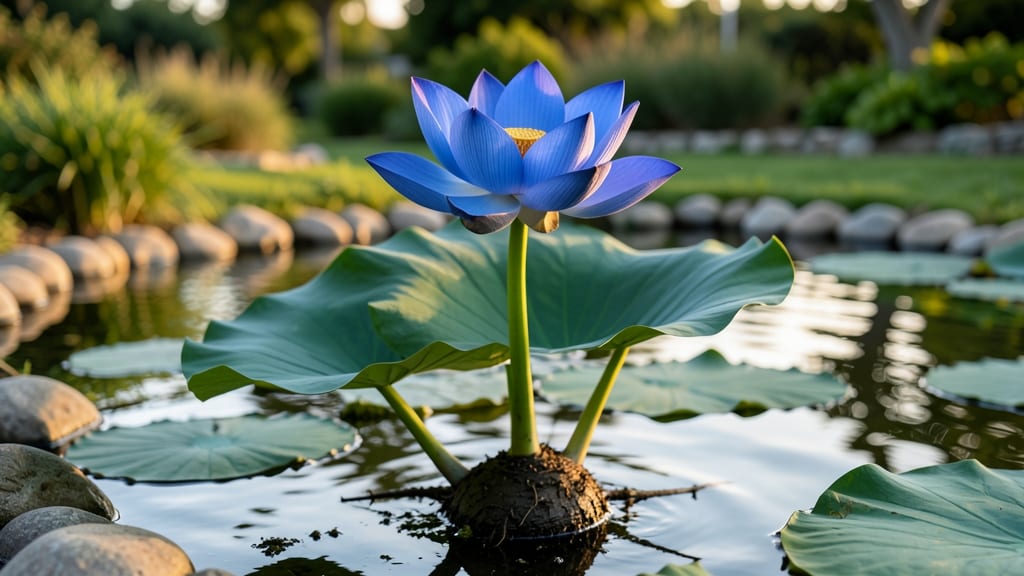
The blue gorgeous lotus flower isn’t just a plant—it’s a living masterpiece that transforms any water garden into a serene sanctuary. 🌿 I’ve seen ponds go from ordinary to breathtaking simply by adding these velvety blooms, their deep sapphire petals floating like jewels on the water’s surface.
The way they catch the morning light, shifting from cobalt to lavender, makes every glance worth it.
Pairing them with complementary plants elevates the effect: try surrounding them with water lilies in soft pinks, cattails for texture, or iris along the edges to create depth.
The cultural significance adds another layer—these flowers symbolize purity in many traditions, making them perfect for meditation spots or romantic garden corners. Even in small containers, they become the focal point.
You’ll love how they age gracefully too—wilted petals curl into delicate papery shapes that add rustic charm. The fragrance in the evening? Subtle and intoxicating, like a whisper of the tropics. This isn’t just about beauty; it’s about creating a space that feels like a retreat.
Whether you’re designing a full pond or a simple tub, blue lotuses adapt beautifully. Start with one or two plants in a 12-inch-deep container to see their impact firsthand. The rest will unfold naturally—just like the flowers themselves.
📚 In This Guide
- What you need
- Instructions
- Tips and common mistakes
- Wrapping up and next steps
What you need
- ● Lotus Seeds or Rhizomes: Blue or deep purple lotus seeds (e.g., Nelumbo nucifera 'Blue Lotus') – 5-10 seeds (or 2-3 rhizomes for faster growth).
- ● Pro Tip: Choose certified organic seeds for healthier blooms! 🌱
- ● Container: A wide, shallow pond (minimum 18" deep) or a large ceramic/glass vase (10"+ diameter) for indoor water gardens.
- ● For outdoor ponds: Pond liner (if needed) and gravel (2-3 inches) for drainage.
- ● Water: Dechlorinated water (use a water conditioner if tap water is used).
- ● 10-15 gallons for a small pond or vase setup.
- ● Growing Medium: Potting soil or aquatic substrate (e.g., hydroponic clay pellets or coco coir) – 1-2 gallons.
- ● Basic Tools: Gloves (for handling rhizomes/seeds).
- ● Small trowel or spoon (for planting).
- ○ Water testing kit (optional but recommended for pH balance, 6.0-7.5 ideal).
- ● Fertilizer: Slow-release aquatic plant tabs or liquid fertilizer (e.g., fish emulsion) for vibrant blooms.
- ● Decorative Elements: Smooth stones, driftwood, or LED pond lights for ambiance.
- ● Pond Filter/Pump: (For outdoor setups) to keep water fresh and oxygenated.
- ● Blue Dye (Food-Grade): A drop or two to enhance the water’s hue and complement the flowers!
Step-by-Step guide to cultivating blue lotus flowers in your water garden
Here's how to grow these regal blooms—where patience meets reward in stunning aquatic beauty.
🪴 Step 1: Select the Perfect Container and Water Depth
Blue lotus thrives in 6-12 inches of water, so choose a container that accommodates this depth. I prefer wide, shallow pots with at least 12 inches of diameter for stability—think ceramic or fiberglass tubs. Avoid narrow planters; they restrict root spread and can tip easily. Place your container in full sun (6+ hours daily)—partial shade produces fewer blooms.
Here's the thing—blue lotus roots need oxygenated water. If your container lacks drainage holes, add a layer of aquatic gravel at the bottom to promote root health. I like to use 1-2 inches of smooth river rocks to prevent root rot while allowing water circulation. Position the container where water can gently flow through if possible—stagnant water speeds up decay.
🌱 Step 2: Plant the Rhizomes Correctly
Blue lotus grows from rhizomes, not seeds, so you’ll need to plant these tuber-like roots horizontally in the soil. Fill the container with aquatic planting mix (never regular garden soil—it compacts and suffocates roots). Press the rhizome just below the soil surface, spreading its nodes outward. Each node will sprout new shoots, so aim for 3-4 nodes per rhizome for a fuller plant.
Don’t bury the rhizome too deep—1 inch maximum—or it won’t sprout. I like to use finger-length spacers (like chopsticks) to hold rhizomes in place while the soil settles. Once planted, cover the container with netting or shade cloth for the first 2 weeks to reduce stress on new growth. Watch for small green shoots emerging within 3-4 weeks—that’s your signal everything’s working.
☀️ Step 3: Maintain Water Quality and Light
Blue lotus demands clean, warm water (70-85°F)—cold water stunts growth. I test my water weekly with a liquid test kit and top off evaporated water with dechlorinated tap water (let it sit 24 hours before using). Avoid tap water straight from the faucet; the chlorine will harm delicate roots. If your water turns murky, drain 20% weekly and refill with fresh, warm water.
Light is non-negotiable—full sun is mandatory for vibrant blooms. If your lotus starts producing small, pale flowers, it’s not getting enough light. I supplement with a submersible LED light during cloudy seasons. You’ll know your plant is happy when leaves stay deep green and new shoots emerge every 2-3 weeks. Leggy stems or yellowing leaves mean it’s time to move the container to a sunnier spot.
✂️ Step 4: Prune and Divide for Healthier Growth
After the first blooming season, deadhead spent flowers by snipping stems at the base. This redirects energy to root and foliage growth. I also trim yellow or damaged leaves to prevent disease. The real magic happens in late summer, when rhizomes produce new offshoots. Gently separate these with a clean knife and replant them in fresh containers—this keeps your lotus vigorous and blooming year after year.
Real talk: Blue lotus is not a fast grower. It takes 2-3 years from rhizome planting to full maturity and stunning blooms. But here’s the payoff—once established, a single plant can produce dozens of flowers per season. I’ve seen mine cover the water’s surface like a floating blue carpet by midsummer. Patience is key, but the result is worth every wait.
💧 Step 5: Overwintering for Next Season
In colder climates, blue lotus goes dormant in winter. Drain the container, trim back dead foliage, and store the rhizomes in a cool, dark place (50-60°F) with slightly moist potting mix. Check monthly—if the mix dries out, add a splash of water. In spring, replant in fresh water and full sun to restart growth. In warmer zones, keep the lotus in water year-round, just reducing fertilizer to half strength in winter.
You’ll see new shoots in early spring—that’s your cue to move it back to its sunny spot. Here’s where it gets fun: If you’ve divided your rhizomes, you can now expand your water garden with multiple blooming centers. Just remember, blue lotus is not cold-hardy—if your winter dips below 40°F, bring the container indoors or insulate it heavily.
Tips & tricks for perfect blue gorgeous lotus flowers
Your patience will pay off with these essential insights to cultivate vibrant aquatic beauty.
Container Selection: The right container makes all the difference. I've found that ceramic or fiberglass tubs with at least 12 inches of diameter provide the stability needed for these heavy rhizomes. The key is avoiding narrow containers that restrict root spread—think of it like giving your lotus room to stretch its legs. For extra insurance against tipping, place heavier stones around the base of the container, especially if you're using a lightweight material like fiberglass. This simple step prevents accidents that could damage your delicate rhizomes.
Rhizome Planting Technique: When planting your rhizomes in Step 2, focus on proper node placement—those little bumps along the rhizome are where all the action happens. Each node should be exposed to light and air, so spread them outward like spokes on a wheel. I've learned this the hard way: burying nodes too deep (more than 1 inch) means they won't sprout. Use those finger-length spacers to maintain perfect positioning while the soil settles. After planting, the 2-week netting period is crucial—it mimics the natural protection lotus gets in their native habitats.
Water Temperature Management: The 70-85°F range isn't just arbitrary—it's the perfect balance for active growth. I've noticed that when temperatures dip below 70°F, my lotus growth slows dramatically. To maintain consistent warmth, I place my containers in south-facing locations where they absorb heat from the sun's trajectory. In cooler climates, consider using a small submersible heater (set to maintain 75°F) during early spring and fall when temperatures fluctuate. This investment pays off with faster, healthier growth and more vibrant blooms.
Light Supplementation Strategy: While full sun is mandatory, I've discovered that even the sunniest locations can have cloudy periods. When you notice pale flowers or leggy stems, it's time to supplement with a submersible LED light. Position it so it's just below the water surface and angled to cover the entire container. I use a timer to provide 12 hours of light daily during shorter days, which mimics summer conditions and keeps your lotus thriving year-round. The key is gradual introduction—start with 4 hours daily and increase by 2 hours weekly to avoid shocking the plant.
Pro Tips for Blue Gorgeous Lotus Flower
- Your patience will pay off with these essential insights to cultivate vibrant aquatic beauty.
- Container Selection: The right container makes all the difference.
- Rhizome Planting Technique: When planting your rhizomes in Step 2, focus on proper node placement—those little bumps along the rhizome are where all the action happens.
Frequently asked questions
How do I keep my blue lotus flowers from turning brown or dying?
Brown or wilting lotus blooms usually signal stress—often from nutrient deficiencies, poor water quality, or overcrowding. Test your pond water regularly (aim for pH 6.5–7.5) and fertilize with aquatic plant tablets every 4–6 weeks. Trim dead leaves promptly to prevent disease. If blooms droop, check for underwater pests (like snails) or root rot—adjust water depth if needed!
When is the best time to plant blue lotus flowers for summer blooms?
For peak summer color, plant lotus tubers in early spring (March–April) after the last frost, when water temps reach 60–70°F. If you’re in a warm climate, late summer (August) is a backup—just ensure tubers have 6+ inches of water depth to thrive. Pro tip: Soak tubers in water for 24 hours before planting to jumpstart growth!
Do blue lotus flowers need special water conditions?
Yes! Lotus flowers thrive in clean, stagnant water (they’re not fans of fast-moving streams). Use dechlorinated water (let tap water sit 24 hours or add a pond dechlorinator) and avoid stagnant, algae-heavy ponds. Add a small fountain or aerator to keep water oxygenated without disturbing roots. Bonus: A shallow shelf (1–2 ft deep) helps tubers anchor better.
Can I grow blue lotus flowers in containers or small ponds?
Blue lotus flowers adapt well to large containers (30+ gallons) or ponds with 12+ inches of water depth. Use a heavy pot with drainage holes (lined with landscape fabric) and fill with pond soil or clay for stability. For small spaces, opt for dwarf varieties like ‘Blue China’, which max out at 3–4 feet tall. Just ensure containers get full sun (6+ hours/day)!
What are some alternatives to blue lotus flowers for water gardens?
If blue lotus is tricky to grow, try these low-maintenance water plants for similar drama:
- Water Lilies (e.g., ‘Blue Secret’ or ‘Helvola’): Hardy and fragrant, but need deeper water (18+ inches).
- Pondweed (Potamogeton): Adds texture and hides fish—great for oxygenation!
- Water Hyacinth: Fast-growing and vibrant purple, but invasive in warm climates.
- Canna Lilies: Terrestrial but tropical-blue varieties (like ‘Blue Sky’) thrive in shallow, boggy edges.
Note: Avoid invasive species like water lettuce unless you’re prepared for aggressive spread!
Wrapping up and next steps
The blue gorgeous lotus flower isn’t just a breathtaking centerpiece—it’s a symbol of resilience, beauty, and tranquility. Whether you’re transforming your water garden into a serene oasis or simply admiring its ethereal charm, these flowers bring magic to any space.
Ready to dive in? Start by sketching your design, gathering your materials, and embracing the process—one petal at a time! 🌸✨
Pro tip: Share your progress with fellow gardeners or join a local plant club for inspiration and support!