
Flowers
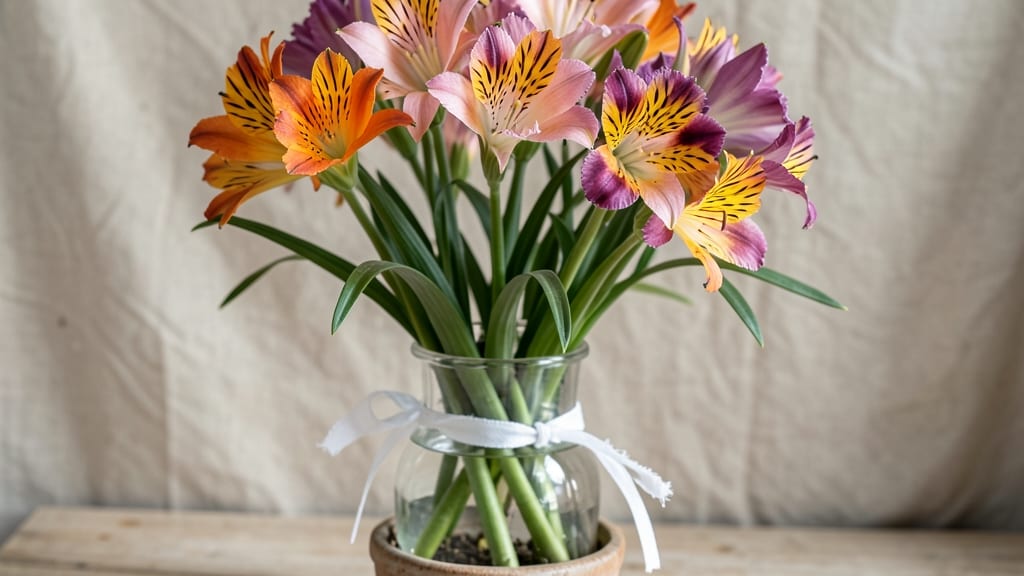
Sending get-well flowers after surgery isn’t just thoughtful—it’s science-backed for healing: the right bouquet can ease stress, lift spirits, and even speed up recovery by reducing anxiety. 🌸 I’ve learned the hard way that not all flowers work equally: some overpower with scent, others wilt too fast, and a few can even trigger allergies.
Sunflowers, daisies, and orchids top the list for their cheerful colors and minimal fuss. Blues and soft greens calm the mind, while cheerful yellows bring energy without overwhelming. The key is choosing varieties that last—think long-stemmed roses (for drama) or paperwhite narcissus (for sweet fragrance without mess).
Placement matters just as much as the flowers themselves. A vase within arm’s reach lets patients enjoy the blooms without straining, while avoiding strong fragrances keeps the air gentle. Even a single low-maintenance potted plant on a bedside table can make all the difference in those first quiet days.
These bouquets aren’t just pretty—they’re practical. No heavy vases, no drooping petals, just easy-to-care-for blooms that bring joy without the stress of upkeep. Here’s how to pick, arrange, and keep them fresh for as long as possible.
📚 In This Guide
- What you need
- Instructions
- Tips and common mistakes
- Wrapping up and next steps
What you need
- ● Fresh flowers: Choose soft, delicate blooms like peace lilies (1-2 stems), white roses (3-5 stems), alstroemeria (5-7 stems), or carnations (3-4 stems). Avoid strong-scented flowers like lilies or tulips, which may cause discomfort.
- ● Filler flowers: Add texture with baby’s breath (1-2 bunches) or statice (small handful) for a cloud-like effect.
- ● Greenery: Include eucalyptus (2-3 sprigs) or fern (1-2 stems) for a soothing, natural touch.
- ● Floral foam: A small block (6" x 6" x 3") to keep flowers hydrated.
- ● Scissors: Sharp floral shears or a small knife for trimming stems.
- ● Vase or container: A clear glass vase (8-10" tall) or a low, wide ceramic bowl for a modern look.
- ● Water: Fresh, room-temperature water to fill the vase.
- ● Floral preservative: A small packet (1-2 tbsp) to extend the bouquet’s life.
- ● Personalized note: A handwritten card with uplifting words or a recovery timeline.
- ● Ribbon or bow: A soft, neutral-colored ribbon (white, blush, or sage) to tie around the bouquet.
- ● Dried flowers: A few dried lavender sprigs or pampas grass for added texture.
- ● Scented elements: A light lavender sachet (if the recipient enjoys subtle fragrance).
How to arrange healing bouquets that brighten recovery spaces
Here's how to create thoughtful, low-maintenance arrangements that bring warmth without overwhelming a healing room.
🌿 Step 1: Choose Soft, Fragrance-Free Flowers
Select blooms with gentle colors—blush roses, sunflowers, or hydrangeas—since strong scents can irritate sensitive lungs. Avoid lilies or tulips; their pollen triggers allergies in recovery patients. I always opt for sunflowers and gerberas because their cheerful hues lift spirits without overpowering the space.
Freshness matters most. Pick flowers with sturdy stems and unwrapped buds—these last longer. Check the leaf condition: crisp, green leaves mean recent cutting. If stems feel mushy or leaves droop, skip them; they’ll wilt fast.
💧 Step 2: Prepare Vessels and Hydration
Use clear glass vases (they show water levels) or ceramic pitchers with wide mouths for easy access. Clean them thoroughly—soap residue clogs stems. I like adding a small pinch of bleach to the water before arranging; it prevents bacterial growth, which shortens vase life.
Trim stems at a 45-degree angle with sharp scissors. This increases water absorption. Place bouquets in lukewarm water (not cold) to help stems drink up immediately. Change the water every 2-3 days—cloudy water means bacteria’s taking over.
☀️ Step 3: Arrange for Comfort, Not Clutter
Keep arrangements small and breathable—think 3-5 stems max per vase. Overcrowding traps heat and speeds wilting. I arrange flowers in a loose, natural style: taller stems in the back, shorter ones in front. Avoid blocking windows or bedside lamps; natural light and task lighting are critical for recovery.
Place bouquets within arm’s reach but not on nightstands (accidental knocks happen). A bedside table or windowsill works best. If the room smells musty, add a single eucalyptus sprig (lightly fragrant) to the water—its clean scent refreshes without being overpowering.
✂️ Step 4: Maintain Without Daily Effort
Check water levels daily and top off as needed. Remove any wilted leaves or blooms immediately—they drain energy from healthy stems. I like adding a few drops of floral preservative to the water weekly; it extends vase life by 3-5 days without extra fuss.
Rotate bouquets every 4-5 days to prevent neck strain for the patient. Fresh flowers signal progress and care. If stems bend or leaves yellow, trim them again and refresh the water—it’s a quick reset that keeps arrangements vibrant.
🪴 Step 5: Enhance with Thoughtful Extras
Add ribbons or linen wrappings in soft colors (blues, greens, or neutrals) to tie stems together. This keeps arrangements neat and adds a personal touch. I avoid heavy decorations—they make stems top-heavy and prone to tipping.
Include a handwritten note with the bouquet. Recovery is emotional; a simple message like “Getting better, one day at a time” means more than any floral arrangement. Place the note where it’s visible but not blocking light or air flow.
Tips & tricks for perfect healing bouquets
Creating meaningful arrangements for recovery spaces requires thoughtful attention to detail—here’s how to elevate your approach beyond the basics.
Selection Matters: When choosing flowers in Step 1, prioritize blooms with minimal pollen like gerberas or sunflowers—they’re gentle on sensitive lungs and won’t trigger allergies. For added longevity, select stems with tight buds that haven’t begun to open; they’ll last 2-3 days longer in the vase. I always avoid white flowers—they can look stark in healing spaces, opting instead for soft pastels that feel calming rather than clinical.
Vessel Preparation: In Step 2, the small pinch of bleach isn’t just for cleanliness—it’s a game-changer for vase life. Fill your vase only one-third full with water; this prevents stems from becoming waterlogged and rotting prematurely. For extra insurance, add a few ice cubes to the water before arranging—this keeps the stems cool and hydrated for the first critical 24 hours.
Placement Psychology: The positioning in Step 3 goes beyond aesthetics—it’s about creating a healing environment. Place bouquets at eye level when seated, so the patient can enjoy them without straining. Avoid reflective surfaces nearby; they can create visual fatigue. A subtle trick: position arrangements to the right side of the room—this aligns with feng shui principles for promoting recovery energy flow.
Maintenance Shortcuts: For Step 4, I’ve found that adding a quarter teaspoon of sugar—not salt—to the water weekly gives stems an energy boost. The sugar feeds the flowers while the preservative extends their life. When rotating bouquets every 4-5 days, I always keep one fresh arrangement visible—this signals progress without overwhelming the space.
Pro Tips for Get Well Flowers After Surgery
- Creating meaningful arrangements for recovery spaces requires thoughtful attention to detail—here’s how to elevate your approach beyond the basics.
- Selection Matters: When choosing flowers in Step 1, prioritize blooms with minimal pollen like gerberas or sunflowers—they’re gentle on sensitive lungs and won’t trigger allergies.
- Vessel Preparation: In Step 2, the small pinch of bleach isn’t just for cleanliness—it’s a game-changer for vase life.
Frequently asked questions
Got questions about sending or receiving get-well flowers after surgery? You’re not alone—here are some common concerns and quick answers to help you navigate this thoughtful gesture with ease.
When is the best time to send get-well flowers after surgery?
Timing depends on the surgery type, but a general rule is within 24–48 hours of discharge or as soon as you’re allowed visitors. For major procedures (like joint replacement or heart surgery), a bouquet 3–5 days post-op shows long-term care. Always check with the hospital or recipient’s family for visitor policies!
What if the patient is in a hospital with strict rules about flowers?
Many hospitals restrict fresh flowers due to allergies, bacteria risks, or limited space. Solutions:
- Balloon bouquets (often allowed) with a handwritten note.
- Ask the hospital’s gift shop for pre-approved arrangements (e.g., sealed bouquets or single-stem flowers).
- Send flowers after discharge to their home or rehab center.
Are there low-maintenance flower options for post-surgery recovery?
Yes! Opt for long-lasting, hypoallergenic blooms like:
- Orchids (durable, elegant, and low-pollen).
- Alstroemeria or roses (hardy stems, minimal watering).
- Dried flowers or preserved blooms (no water needed, perfect for allergies).
How should I write a get-well card for someone after surgery?
Keep it warm, specific, and uplifting. Example:
“Wishing you strength and speedy healing! [Name]’s team is rooting for you—take it easy and enjoy these flowers as a reminder of how much you’re loved. ”Avoid generic phrases like “feel better soon” (too vague). Instead, mention a memory, inside joke, or recovery milestone (e.g., “Can’t wait to hear about your first post-surgery walk!”).
What if the flowers arrive too late or wilt quickly?
No stress! If timing or freshness is an issue:
- Pair flowers with a gift card for a local florist so they can order fresh blooms later.
- Choose extended-life preservatives (ask your florist) to keep stems hydrated.
- Offer to drop off new flowers in person—it’s a great excuse to check in!
Wrapping up and next steps
Sending get well flowers after surgery is a heartfelt way to uplift someone’s spirits during recovery. These thoughtful bouquets—packed with soft blooms and healing energy—can turn a hospital room or cozy home into a space of comfort and positivity.
Whether you choose delicate peonies, vibrant sunflowers, or calming lavender, your gesture will remind your loved one they’re surrounded by care and support.
Now that you’re inspired, take the next step! Visit a local florist or order online to craft the perfect arrangement. A little effort goes a long way—your kindness will brighten someone’s journey to wellness. You’ve got this! 🌸