
Flowers
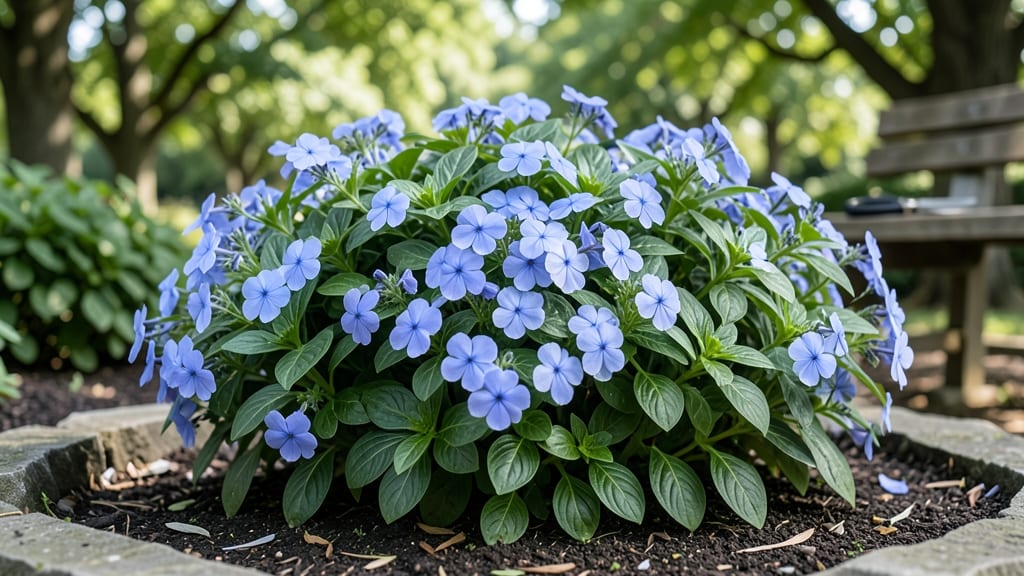
Growing blue impatiens flowers brings that cool, jewel-toned pop to shady spots where most plants refuse to bloom. 💙 I’ve turned my darkest corners into vibrant displays by treating them right—partial shade, moist soil, and a little regular attention.
These aren’t just filler plants; they’re the stars of my shade garden, thriving where hostas and ferns fade into green blobs.
The secret to their success lies in three simple things: morning sun and afternoon shade, rich, well-draining soil, and consistent moisture—never soggy. They’re fussier about water than you’d think, so I check the soil daily in summer.
A balanced fertilizer every 4-6 weeks keeps those blooms coming nonstop from spring through frost, and yes, they’ll even rebloom lightly in mild winters if you protect them.
What you’ll end up with is a lush, blue-green curtain of flowers that hummingbirds adore and neighbors will ask about. The key is patience—it takes about 6-8 weeks from seed to bloom, but once established, they’re nearly indestructible.
They’ll spill over containers, brighten borders, and even thrive in hanging baskets where their trailing habit shines.
Whether you’re filling a shady window box or creating a woodland-edge effect, blue impatiens adapt beautifully. The only real challenge is keeping them from spreading too aggressively—so plan for containment if you want to control their cheerful takeover. Ready to transform your darkest spots into a blue paradise?
📚 In This Guide
- What you need
- Instructions
- Tips and common mistakes
- Wrapping up and next steps
What you need
- ● Blue impatiens seeds or seedlings: Seeds: 1–2 packets (50–100 seeds per packet) for direct sowing.
- ● Seedlings: 3–6 healthy 4-inch pots (check for vibrant foliage and no signs of pests).
- ● Growing containers or garden bed: Containers: 6–12-inch pots (1–2 plants per pot) with drainage holes.
- ● Garden bed: Partial to full shade spot (4+ hours of indirect light daily).
- ● Well-draining potting mix: 5–10 gallons of peat-free, moisture-retentive mix (e.g., 60% potting soil + 40% perlite/compost).
- ● Fertilizer: Balanced liquid fertilizer (10-10-10 or 20-20-20) or slow-release granules (e.g., Osmocote).
- ○ Gloves (optional but recommended for seed handling).
- ● Trowel or small shovel (for transplanting).
- ● Spray bottle (for seedling misting).
- ● Watering can with a gentle rose nozzle.
- ● Pruning shears (for deadheading or propagation).
- ○ Optional but helpful: Grow lights (for indoor seedlings, 12–16 hours/day).
- ● Mulch (to retain moisture, e.g., shredded bark).
- ● Support stakes (if stems get leggy).
- ● Climate: Blue impatiens thrive in USDA Zones 10–11 outdoors year-round. For cooler zones, grow as annuals or in containers (bring indoors before frost).
- ● Light: Partial shade is a must! Avoid direct sun (can scorch leaves).
- ● Humidity: High humidity (60%+) is ideal—mist seedlings daily if air is dry.
- ● Water: Keep soil consistently moist (not soggy).
Step-by-Step instructions for cultivating blue impatiens in containers
Here's how to coax those vibrant blue blooms into thriving year-round shade plants.
🌱 Step 1: Select and Prepare Containers for Optimal Drainage
Blue impatiens thrive in 6-8 inch deep containers with multiple drainage holes—their roots rot easily if waterlogged. I use terracotta pots because they wick moisture away naturally, preventing soggy roots. Place a 2-inch layer of perlite at the bottom before adding soil to ensure excess water drains freely.
Fill containers with a well-draining potting mix (never garden soil—it compacts and suffocates roots). Mix in 1 tablespoon of balanced 10-10-10 fertilizer per pot to give seedlings an immediate nutrient boost. Press the soil down lightly—just enough to remove air pockets but not so firm it resists root growth.
🌿 Step 2: Plant Seeds or Transplants at the Right Depth
If starting from seed, sow blue impatiens seeds just ¼ inch deep—they need light to germinate, so don’t bury them. Space seeds 1 inch apart in the pot. For transplants, dig a hole twice as wide as the root ball and place the plant so the top of the root ball sits ½ inch below the soil line. This prevents stem rot from moisture pooling at the base.
Water gently after planting until moisture reaches 2 inches deep—you’ll know it’s right when water drips from the drainage holes. Keep the soil consistently moist (not soggy) for the first 2 weeks, as this encourages strong root establishment. Avoid overhead watering after germination to prevent fungal diseases that love damp foliage.
☀️ Step 3: Position for Bright, Indirect Light
Blue impatiens hate direct sun—it scorches their delicate leaves and causes blooms to fade quickly. Place containers in morning sun with afternoon shade or under 50-70% shade cloth if outdoors. Indoors, a north- or east-facing window works best, or use a grow light positioned 12-18 inches above the plants for 12-14 hours daily.
Watch for yellowing leaves—a sign of too much light—or leggy stems (stretching toward light), which means they need more brightness. Rotate pots quarter-turn weekly so plants grow evenly. Once buds form, remove spent blooms immediately to encourage continuous flowering. This is the moment that matters: consistent light keeps them blooming nonstop.
💧 Step 4: Water and Feed for Nonstop Blooms
Blue impatiens need consistent moisture—never let soil dry out completely, but avoid soggy conditions. Water every 2-3 days in hot weather, checking that the top 1 inch of soil feels damp before watering again. Use a watering can with a narrow spout to direct moisture at the soil base, not the leaves. This prevents fungal issues and keeps foliage dry.
Feed every 2 weeks with a water-soluble 20-20-20 fertilizer diluted to half-strength. I mix it into water and apply it at the base—never on leaves. This prevents leaf burn and ensures roots absorb nutrients efficiently. You’ll see new blooms within 5-7 days of feeding, proving the plants are thriving. Stop fertilizing in late summer to encourage dormancy if growing as an annual.
✂️ Step 5: Prune and Maintain for Lush Growth
Pinch back new growth when plants reach 6 inches tall to encourage bushier habits. Use clean bypass pruners to snip just above a leaf node—this redirects energy into lateral branches, not just upward growth. Deadhead spent blooms weekly to prevent seed formation and redirect the plant’s energy into producing more flowers instead of setting seed.
If plants outgrow their containers, repot into a 1-gallon container with fresh potting mix in spring. This refreshes nutrients and gives roots more room to expand. Real talk: Overcrowding leads to fewer blooms and weak stems. Prune back 1/3 of the plant in early spring to rejuvenate growth—you’ll have fuller, more vibrant plants by summer.
Tips & tricks for perfect blue impatiens cultivation
Here's what nobody tells you about keeping these shade-loving beauties thriving all year.
Container Selection Insight: While terracotta pots are ideal, you can also use plastic containers with drainage holes—just avoid glazed ceramic, which traps moisture. The key is ensuring the 6-8 inch depth and multiple drainage holes specified in Step 1. I've found that adding a 3-inch layer of gravel below the perlite creates even better drainage for heavy watering days. This prevents root rot by creating an extra air pocket at the bottom.
Light Positioning Secret: For indoor growers, place your blue impatiens 12-18 inches from a north-facing window during winter when light is weakest. If using grow lights, position them 12 inches above the plants for 12-14 hours daily—this mimics natural daylight cycles. Watch for yellowing leaves as your first warning sign of too much light, and leggy stems when they need more brightness. The quarter-turn weekly rotation mentioned in Step 3 prevents uneven growth toward the light source.
Watering Technique: The 2-inch deep watering after planting in Step 2 should be your baseline—water until you see moisture dripping from the drainage holes. For established plants, I use the finger test method: stick your finger 1 inch into the soil. If it feels dry, water thoroughly; if damp, wait another day. Overhead watering after germination (as warned in Step 2) can spread fungal spores, so always water at the base using a narrow-spout watering can.
Fertilizer Strategy: When feeding every 2 weeks with diluted 20-20-20 fertilizer (Step 4), I've found that alternating with a fish emulsion every fourth feeding boosts bloom production. The key is consistency—never let the soil dry out completely between feedings, as this stresses the plants. You'll notice new blooms appearing within 5-7 days of feeding, proving the plants are absorbing nutrients efficiently. In late summer, reduce feeding to every 4 weeks to encourage natural dormancy.
Pro Tips for Blue Impatiens Flower
- Here's what nobody tells you about keeping these shade-loving beauties thriving all year.
- Container Selection Insight: While terracotta pots are ideal, you can also use plastic containers with drainage holes—just avoid glazed ceramic, which traps moisture.
- Light Positioning Secret: For indoor growers, place your blue impatiens 12-18 inches from a north-facing window during winter when light is weakest.
Frequently asked questions
Got questions about growing blue impatiens? You’re not alone!
Here are some of the most common queries—plus quick, practical answers to help you keep your shade garden vibrant.
How do I keep my blue impatiens blooming all season?
Consistent moisture is key—water deeply before the soil dries out (they hate soggy roots, though!). Trim spent blooms regularly to encourage new flowers. A balanced, water-soluble fertilizer every 4–6 weeks also boosts performance. Pro tip: Mulch with shredded bark to retain moisture and deter weeds.
When is the best time to plant blue impatiens?
Start seeds indoors 8–10 weeks before your last frost date, or buy transplants in spring after soil warms (around 60°F). For year-round blooms in mild climates, plant new batches every 2–3 months. Warning: They’re frost-sensitive—protect them with frost cloth if temps dip below 40°F.
What can I do if my blue impatiens leaves turn yellow?
Yellow leaves often signal overwatering or poor drainage. Let the top inch of soil dry between waterings, and ensure pots/containers have drainage holes. Check for pests like aphids or fungus (like powdery mildew)—treat with neem oil if needed. Quick fix: Repot in fresh, well-draining soil if roots look mushy.
Are there blue impatiens alternatives for full sun?
Blue impatiens thrive in shade, but for sunny spots, try Lobelia (compact, blue blooms) or Begonias (heat-tolerant varieties like Begonia ‘Dragon Wing’). For similar shade-loving color, Coleus or Heuchera (with purple foliage) are great companions.
Why are my impatiens attracting bugs or wilting suddenly?
Wilting + bugs often mean root rot or impatiens necrotic spot virus (spread by aphids). Isolate affected plants, remove damaged leaves, and water at the base (not overhead). For prevention, space plants 10–12 inches apart for airflow, and rotate crops annually to avoid soil-borne diseases.
Still stumped? Drop your question in the comments—we’re happy to help your blue beauties thrive!
Wrapping up and next steps
Growing blue impatiens flowers is a rewarding way to bring vibrant color and life to shady spots in your garden—no green thumb required! 🌿 With the right soil, light, and care, these cheerful blooms will thrive year-round, offering a stunning pop of color where others fade.
Whether you're a beginner or a seasoned gardener, their low-maintenance charm makes them a perfect addition to containers, borders, or hanging baskets.
Ready to dive in? Start by gathering your supplies, then check out our full guide for step-by-step planting and care tips. Soon, you’ll be basking in the beauty of your own blue impatiens paradise—one happy bloom at a time! 🌸