
Flowers
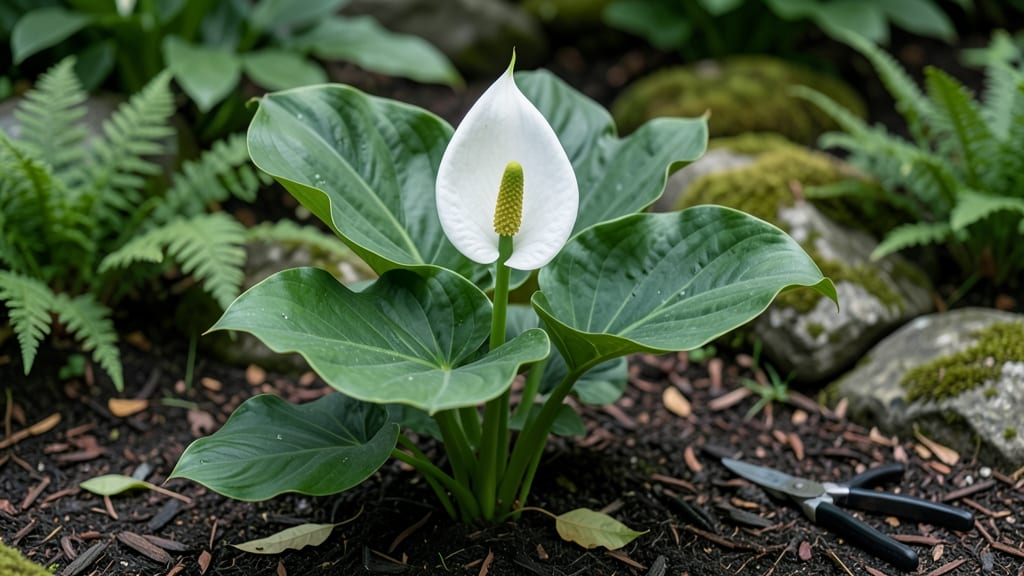
Calla lilies transform any garden with their bold, sculptural blooms—and they’ll keep flowering for months if you prune them right. 🌿 I’ve grown them for years, and the difference between a plant that fades after summer and one that blooms into fall (or even winter indoors) comes down to three simple cuts.
The key isn’t complexity—it’s timing and technique that most gardeners miss.
These plants thrive in partial shade, rich soil, and consistent moisture, but their real secret is their rhizomes, not bulbs. Unlike tulips, calla lilies store energy underground, so pruning at the wrong time can starve them.
My first batch nearly died when I cut back too early—until I learned the three-pruning rule that keeps them blooming. You’ll need sharp pruners, a little patience, and a schedule that matches their growth cycle.
With the right approach, you’ll end up with sturdy stems, glossy leaves, and blooms that last 6-8 weeks longer than average. The flowers themselves feel almost sculptural—each one a perfect trumpet shape that catches light differently at every angle.
Once you master the timing, you’ll see new buds forming even after the first flush of blooms.
Works for garden beds, containers, or even as a dramatic houseplant—just adjust your pruning schedule for indoor light. The same tricks apply whether you’re growing the classic white ‘Elegans’ or deep purple ‘Black Star.’ Let’s get those blooms lasting all season long.
📚 In This Guide
- What you need
- Instructions
- Tips and common mistakes
- Wrapping up and next steps
What you need
- ● Pruning shears – Bypass-style (sharp, clean cut), sterilized (70% isopropyl alcohol or bleach solution).
- ● Garden gloves – Heavy-duty (nitrile or leather) to protect from thorns and sap.
- ● Disinfectant – 1 part bleach to 9 parts water (for tools and cuts).
- ● Compost or mulch – 2–3 gallons (for trimming waste).
- ● Watering can or hose – With a gentle spray nozzle (for post-pruning hydration).
- ● Pruning saw – For thick stems (if calla lilies grow woody).
- ● Plant food – Balanced 10-10-10 fertilizer (post-pruning boost).
- ● Support stakes – 3–4 bamboo stakes (if stems need extra stability).
- ● Plant-based fungicide – Copper-based (prevents disease from cuts).
How to prune calla lilies for continuous year-round blooms
Here's the pruning system that keeps my calla lilies flowering like clockwork all year.
✂️ Step 1: Post-Bloom Pruning to Encourage New Growth
After each bloom fades and the flower stalk turns brown, snip it back to the base with clean, sharp pruners. I always disinfect my tools with rubbing alcohol first—this prevents any fungal spores from hitching a ride to your next cut. The goal here is to remove only the dead flower stalk while leaving the healthy foliage intact.
Watch for the plant's natural response: within 7-10 days, you'll see new growth emerging from the base. This is your signal that the plant is ready for its next flowering cycle. If you notice yellowing leaves at this stage, it's a sign of overwatering—cut back on irrigation until the soil feels dry to the touch about 1 inch down.
🌿 Step 2: Seasonal Trimming for Airflow and Light
Every 4-6 weeks during the growing season, I perform a light maintenance trim. Remove any yellow or damaged leaves by cutting them off at the base with your pruners. This isn't just about looks—healthy airflow prevents fungal diseases like leaf spot, which can turn your elegant calla lilies into a sad, spotted mess.
Here's the thing—I never trim more than one-third of the foliage at a time. The leaves are working hard to feed the plant through photosynthesis, and sudden defoliation stresses the plant. You'll know you've done it right when the remaining leaves look vibrant and the plant continues to produce new growth at the base.
⏰ Step 3: Dormancy Prep for Winter Blooming
When temperatures drop below 50°F at night, it's time to prepare your calla lilies for their winter dormancy period. Reduce watering significantly—let the top 2 inches of soil dry out completely between waterings. This mimics the plant's natural winter cycle and prevents rot.
Once the foliage has naturally died back (usually after 4-6 weeks of reduced watering), you can give the plant a final trim. Cut back any remaining dead leaves to about 2 inches above the soil line. This makes it easier to monitor the plant during dormancy and ensures a clean start when you bring it back into active growth in spring.
☀️ Step 4: Spring Revival and Encouraging New Blooms
As temperatures rise above 60°F consistently, it's time to revive your calla lilies. Increase watering gradually, keeping the soil evenly moist but not soggy. You'll see new shoots emerging from the base within 2-3 weeks—this is your cue to start fertilizing lightly with a balanced, water-soluble fertilizer.
Here's a pro tip: I always rotate my calla lilies a quarter turn every week during this phase. This ensures even growth toward the light source and prevents the plant from leaning. Within 6-8 weeks, you should see new flower stalks emerging, ready to produce those stunning blooms again.
Tips & tricks for perfect calla lily pruning
Here's what nobody tells you about keeping your calla lilies blooming nonstop—these tricks make all the difference.
The Heat Factor: Pay close attention to those 50°F and 60°F temperature thresholds mentioned in the instructions. Calla lilies are tropical plants at heart, so they need that consistent warmth to trigger blooming. If you're in a cooler climate, consider moving potted plants indoors near a sunny window when nighttime temps drop below 50°F. A heat lamp can also help extend the growing season in colder months.
Timing Secret: In Step 1, when you're watching for new growth within 7-10 days after pruning, don't just wait for leaves—look for tiny bumps at the base of the plant. These are the first signs of new flower stalks forming. If you see these bumps but no leaves appear, it might mean your plant needs more light. Rotate your plant weekly to ensure even exposure, just like in Step 4.
Pruning Precision: When you're doing that seasonal trim every 4-6 weeks, use a clean cut just above a leaf node (the bump where leaves attach). This encourages new growth from that exact spot. I've found that using a sharp pair of scissors or small pruners gives you more control than shears, especially for those delicate calla leaves. Always disinfect your tools between cuts to prevent disease spread.
Winter Survival: During dormancy prep, don't be tempted to trim too aggressively. Cutting back to 2 inches above the soil line is perfect—this gives your plant enough energy reserves to bounce back in spring. If you notice any remaining healthy leaves, leave them! They're still photosynthesizing and storing energy for next year's blooms.
Pro Tips for Calla Lilly Flower
- Here's what nobody tells you about keeping your calla lilies blooming nonstop—these tricks make all the difference.
- The Heat Factor: Pay close attention to those 50°F and 60°F temperature thresholds mentioned in the instructions.
- Timing Secret: In Step 1, when you're watching for new growth within 7-10 days after pruning, don't just wait for leaves—look for tiny bumps at the base of the plant.
Frequently asked questions
Got questions about growing and caring for calla lilies? You’re not alone! Here are some of the most common queries—and their simple solutions—to help you keep these elegant blooms thriving year-round.
How often should I water my calla lilies?
Calla lilies love moisture but hate soggy roots. Water them deeply once a week, letting the top 2-3 inches of soil dry out between waterings. During hot summers, increase to twice weekly, but always ensure pots have drainage holes to prevent rot. Pro tip: Yellowing leaves? You’re likely overwatering!
When is the best time to prune calla lilies?
Prune after flowering (late summer) to encourage new growth. Cut back dead or yellow foliage to the base, and trim faded blooms to redirect energy. For winter dormancy (in colder climates), reduce watering and prune back 2/3 of the plant before storing. Spring is the perfect time to refresh with a light trim!
Can calla lilies grow indoors?
Place them near bright, indirect light (east or north-facing windows work best). Use a humidity tray or mist leaves occasionally, and avoid drafts. Indoor callas thrive in pots with fresh potting mix—just mimic their outdoor watering habits. Rotate the pot weekly for even growth!
What’s the difference between calla lilies and peace lilies?
While they look similar, calla lilies (Zantedeschia) have smooth, waxy leaves and spathes (the "flower" part) that point upward. Peace lilies (Spathiphyllum) have darker, glossy leaves and drooping white blooms. Callas prefer sun and well-draining soil; peace lilies tolerate shade and moisture. Need a low-light alternative? Peace lilies are your pick!
Why are my calla lily leaves turning brown?
Brown edges usually mean underwatering or low humidity. Check the soil moisture and group plants together to boost humidity. Yellowing leaves? Overwatering or poor drainage is likely. Inspect for pests like spider mites (tiny webs on undersides) and treat with neem oil if needed. Adjust care, and your callas will bounce back!
Wrapping up and next steps
From vibrant bouquets to lush garden displays, the calla lily flower is a stunning addition that thrives with the right care—especially smart pruning! 🌿 With just three simple tricks, you can enjoy year-round blooms while keeping your plant healthy and happy.
Remember, timing, sharp tools, and patience are your best friends.
Ready to elevate your gardening game? Start with one trick today—whether it’s deadheading spent blooms, trimming leggy stems, or prepping for winter—and watch your calla lilies flourish like never before! 🌸