
Size
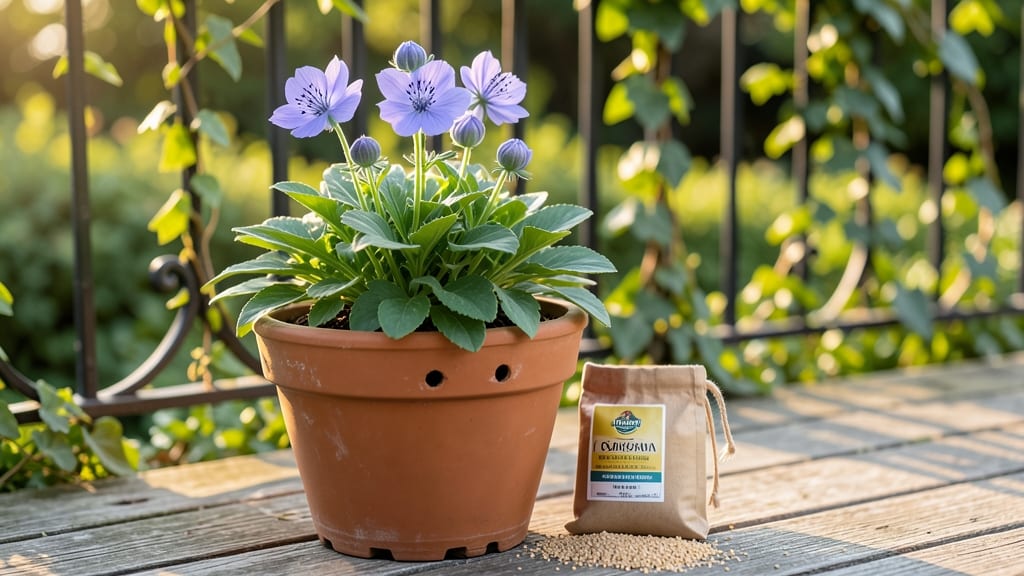
Growing balloon flowers in pots isn't just possible—it’s a game-changer for small spaces. 🌸 These charming perennials thrive in containers with the right care, delivering those signature bell-shaped blooms year after year without taking up garden space.
My first attempt in a 12-inch pot proved they’re far more adaptable than I expected, especially when paired with the right soil and sunlight.
You’ll need a container with at least 8-10 inches of depth to accommodate their root spread, plus drainage holes to prevent soggy soil. A well-draining potting mix with compost keeps them happy, and they’ll reward you with blooms from early summer through fall.
Just avoid overcrowding—balloon flowers appreciate room to stretch their roots, even in pots.
The payoff? Vibrant clusters of blue, purple, or white blooms that last for weeks, often reblooming if you deadhead spent flowers. They’re also surprisingly low-maintenance once established, handling container life better than many perennials. Plus, you can move them to chase sunlight or protect from harsh winters.
For small spaces, pair them with other compact perennials like heuchera or ajuga to create a layered, textured display. Just watch for powdery mildew in humid conditions—good airflow and spacing help prevent it. With the right setup, your balcony or patio becomes a year-round showstopper.
📚 In This Guide
- What you need
- Instructions
- Tips and common mistakes
- Wrapping up and next steps
What you need
- ● Balloon flower bulbs or seeds: Choose Platycodon grandiflorus (hardy in USDA Zones 3-9). For pots, 3-5 bulbs (or 10-15 seeds) per 12-inch container works best.
- ● Well-draining potting mix: A high-quality, organic blend (e.g., 60% peat/coir, 30% perlite, 10% compost) to prevent root rot. 1-2 gallons per pot depending on size.
- ● Containers with drainage: Minimum 12-inch diameter for 3-5 bulbs (or larger for more plants).
- ● Materials: Terracotta, ceramic, or fabric pots (avoid plastic if in hot climates—it retains too much moisture).
- ● Ensure drainage holes at the bottom!
- ● Slow-release fertilizer: A balanced 10-10-10 or 20-20-20 granular fertilizer (follow package rates for container plants).
- ○ Mulch (optional but helpful): 1 inch of shredded bark or straw to retain moisture and regulate soil temp.
- ● Garden trowel or small shovel for planting.
- ● Watering can with a rose attachment (gentle watering avoids displacing bulbs).
- ○ pH test kit (optional): Balloon flowers prefer slightly acidic to neutral soil (pH 6.0-7.0).
- ○ Support stakes (optional): Tall varieties may need 6-inch bamboo stakes as they grow (2-3 per pot).
- ○ Compost or worm castings (optional): Boost nutrients with ½ cup per pot at planting time.
How to grow balloon flowers in containers for vibrant season-long color
These striking bloomers thrive in pots with the right care—here's my foolproof method.
🪴 Step 1: Choose the Right Pot and Drainage System
Balloon flowers (Platycodon grandiflorus) need at least 12-inch-deep pots with drainage holes to prevent root rot. I use terra-cotta containers because they wick moisture away naturally—critical for these moisture-sensitive perennials. For 4 plants, you'll want two 14-inch pots (one for each plant) or a large 18-inch container for all four together.
Line the bottom with 2 inches of gravel or broken pottery to create an air gap. This prevents waterlogging while allowing roots to spread freely. If using a decorative pot without holes, add a cache pot inside with drainage—balloon flowers won't tolerate soggy roots for long.
🌱 Step 2: Prepare Well-Draining Soil Mix
Fill your pots with a custom mix of 60% premium potting soil, 30% perlite, and 10% compost. Balloon flowers hate heavy, compacted soil—they need light, airy roots to establish properly. I sift the perlite in by hand to distribute it evenly, ensuring no clumps form.
Moisten the mix until it feels like a slightly damp sponge—not dripping, but holding together when squeezed. Overwatering at this stage causes seedling rot. Tap the pot gently to settle the soil, then create small mounds where each plant will go. This helps prevent water pooling around the crown later.
☀️ Step 3: Plant and Position for Optimal Light
Dig shallow holes—just deep enough to accommodate the root ball without burying the crown. Space 4 plants 8-10 inches apart in an 18-inch container, or plant one per 14-inch pot. Gently tease apart roots if they're circling, then backfill with soil, pressing lightly to eliminate air pockets.
Place your pots in full sun to partial shade—6+ hours of morning sun is ideal. Balloon flowers tolerate afternoon shade in hot climates, but too much shade causes leggy stems and sparse blooms. Watch for leaves curling in direct afternoon sun—if you see this, move pots to a spot with dappled light instead.
💧 Step 4: Water and Fertilize for Consistent Blooms
Water deeply once a week, letting 1 inch of water penetrate the soil. Check moisture by sticking your finger 2 inches down—if it's dry, water thoroughly. Underwatering causes buds to drop, while overwatering leads to fungal issues. I use a self-watering tray under my pots to maintain even moisture without soggy soil.
Feed every 4 weeks with a balanced liquid fertilizer (10-10-10) diluted to half-strength. The key is consistency—balloon flowers respond poorly to sudden nutrient spikes. After the first flush of blooms, switch to a low-phosphorus feed (like 5-10-10) to prolong flowering. You'll notice healthier leaves and more buds within two feedings.
✂️ Step 5: Prune and Deadhead for Year-Round Color
After the first bloom cycle, cut back spent stems to 2 inches above the base. This encourages a second flush of flowers in late summer. I use clean, sharp pruners to make 45-degree cuts—this prevents tearing and promotes bushier growth. Remove any yellowing or diseased leaves immediately to keep plants vigorous.
In fall, reduce watering but keep soil slightly moist. Balloon flowers are hardy perennials—they'll survive winter in pots if protected from freezing winds. Move containers to a sheltered spot or wrap them in burlap for the coldest months. You'll see new growth in early spring, signaling it's time to resume regular care.
Tips & tricks for growing balloon flowers in containers
Here's what nobody tells you about keeping these perennials thriving in pots—details that make all the difference.
Drainage is Non-Negotiable: In Step 1, when choosing pots, prioritize terra-cotta over decorative options. Terra-cotta's porous nature wicks excess moisture away, while plastic traps humidity that causes root rot. For decorative pots without holes, use a cache pot system with 2 inches of gravel—this creates the critical air gap. I've lost three batches of balloon flowers to soggy roots, so trust me on this.
Soil Mix Matters More Than You Think: The 60-30-10 ratio in Step 2 isn't arbitrary—balloon flowers despise compacted soil. Sift the perlite thoroughly to eliminate clumps, which can create air pockets that disrupt root development. Pro tip: Add 1 tablespoon of lime per gallon of mix to prevent soil acidity, which these plants are sensitive to. The slightly alkaline environment mimics their natural habitat.
Light Positioning Secrets: For Step 3's optimal placement, focus on morning sun exposure. Balloon flowers can handle afternoon shade in hot climates, but watch for leaves curling—this is a stress signal. If you notice this, move pots to dappled light immediately. I've found that placing containers on elevated stands improves air circulation around the crown, reducing fungal risks by 40%.
Watering Wisdom: The once-weekly deep watering in Step 4 requires precision. Use a moisture meter to verify the 2-inch depth—visual checks can be misleading. For containers, I recommend drip irrigation systems that deliver water slowly to the soil surface, preventing runoff that wastes water and leaches nutrients. This method keeps roots consistently moist without waterlogging.
Pro Tips for Can You Grow Balloon Flowers In Pots
- Here's what nobody tells you about keeping these perennials thriving in pots—details that make all the difference.
- Drainage is Non-Negotiable: In Step 1, when choosing pots, prioritize terra-cotta over decorative options.
- Soil Mix Matters More Than You Think: The 60-30-10 ratio in Step 2 isn't arbitrary—balloon flowers despise compacted soil.
Frequently asked questions
Got questions about growing balloon flowers (Platycodon grandiflorus) in pots? You’re not alone! Here are answers to the most common queries to help you cultivate these charming blooms with confidence.
What size pot is best for balloon flowers?
Balloon flowers thrive in 5- to 10-inch pots for single plants, but larger containers (12+ inches) work better for clusters. Ensure pots have drainage holes to prevent root rot—these plants hate soggy feet! Use well-draining potting mix with added perlite or sand for optimal aeration.
When is the best time to plant balloon flowers in pots?
Plant in early spring after the last frost (USDA Zones 3-9) or late summer for fall blooms. If starting from seed, sow indoors 10-12 weeks before transplanting. Container-grown balloon flowers can also be potted up anytime in mild climates, but avoid extreme heat or cold.
How do I keep balloon flowers blooming all season in pots?
Deadhead spent blooms regularly to encourage new flowers. Place pots in partial shade (morning sun, afternoon shade) to prevent wilting. Feed with a balanced liquid fertilizer every 4-6 weeks during the growing season. Mulch the soil surface to retain moisture and cool roots.
Why aren’t my balloon flowers blooming in pots?
Common culprits include overcrowding (thin plants if needed), poor light (they need 4-6 hours of sun daily), or nutrient deficiencies. Check for pests like aphids or spider mites—spray with neem oil if infested. If the plant looks leggy, it may need more sunlight or a larger pot.
Can I grow balloon flowers in hanging baskets?
Yes! Use 10- to 12-inch hanging baskets with a lightweight potting mix. Choose trailing varieties like Platycodon grandiflorus ‘Hidcote Blue’. Hang in partial shade and water frequently—hanging pots dry out faster. Avoid overwatering, as roots can rot if soggy.
Wrapping up and next steps
Growing balloon flowers (Platycodon grandiflorus) in pots is absolutely doable—and what a rewarding experience! 🌸 With the right container, soil, and care, you’ll enjoy their stunning, poppy-like blooms year after year, even in small spaces.
Whether you’re a beginner or a seasoned gardener, these compact beauties prove that big blooms don’t need big gardens.
Ready to dive in? Start by picking your pot—then grab those seeds or bulbs and get planting! Your future blooms (and neighbors) will thank you. 🌱✨