
Shrubs
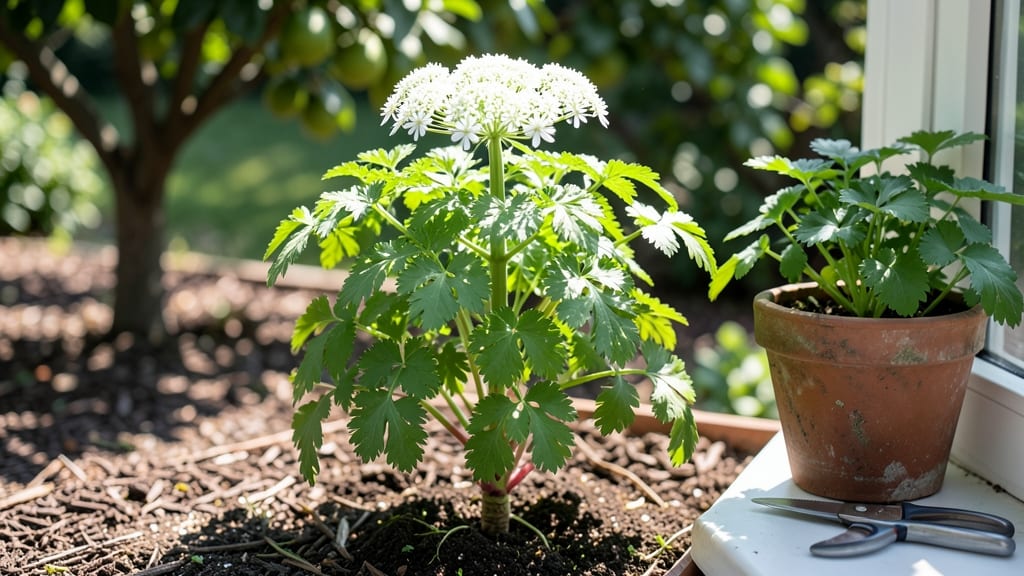
When cilantro starts flowering, it’s not giving up—it’s trying to reproduce. 🌱 That’s why your once-tender leaves turn bitter and the plant bolts before you’re ready, but there’s still hope to salvage flavor and extend its life. The key is understanding why this happens and acting fast.
Cilantro bolts when stressed by heat, drought, or long daylight hours—common triggers in spring and fall. Instead of pulling the plant, try harvesting leaves more aggressively to keep it focused on growth.
Water deeply but consistently, and avoid letting soil dry out completely. These small tweaks can buy you weeks of fresh, flavorful leaves.
If the plant is already flowering, don’t toss it. The stems and leaves are still edible—just less tender. Use them in soups, pestos, or salsas where texture matters less. You can even pinch off flowers to redirect energy back into leaf production, though it’s a short-term fix.
For next season, plant cilantro in cooler months or use shade cloth to delay bolting. Succession planting in small batches ensures a steady supply of fresh herbs all season long. With these tricks, you’ll never let cilantro’s natural instincts ruin your harvest again.
📚 In This Guide
- What you need
- Instructions
- Tips and common mistakes
- Wrapping up and next steps
What you need
- ● Fresh cilantro plants – At least 3–5 mature plants showing early signs of flowering (small yellow buds forming).
- ● Clean, sharp pruning shears – Sterilized to prevent disease (rubbing alcohol wipe works!).
- ● Well-draining potting mix – 2–3 gallons of organic, peat-free mix (e.g., 60% coconut coir, 30% perlite, 10% compost).
- ● 6–8 inch diameter pots – At least 2–3 pots with drainage holes (terracotta or fabric pots preferred).
- ● Balanced liquid fertilizer – 5-5-5 or 10-10-10 NPK ratio (diluted to half-strength).
- ● Spray bottle with water – For gentle hydration during transplanting.
- ○ Gloves (optional but recommended) – To protect hands from sap and soil.
- ○ Rooting hormone – Optional for stubborn stems (e.g., Clonex or aspirin-water mix).
- ● Grow lights or sunny windowsill – If indoors, ensure 6+ hours of bright light daily.
- ● Humidity dome or plastic wrap – To retain moisture while roots establish (remove after 3–5 days).
- ● pH testing kit – Ideal soil pH for cilantro: 6.2–6.8.
- ● Epsom salt (magnesium sulfate) – 1 tsp per gallon of water monthly for leafy regrowth.
Step-by-Step instructions for stopping cilantro bolting and reviving flavor
Here's how to save your cilantro from bitter, woody stems and bring back that fresh flavor.
🌱 Step 1: Identify and Remove Flower Stems Immediately
As soon as you spot those delicate white flower buds forming, act fast. Use clean, sharp scissors to snip the stems just above the first set of leaves. This prevents the plant from diverting energy upward into seed production. I check my plants daily after they reach 6 inches tall—that's when bolting usually starts.
Don't wait until flowers open. Once those white blossoms appear, the cilantro's focus shifts from leaves to seeds, and the leaves turn bitter. Cutting early gives you the best chance to regrow tender foliage. I like to do this in the morning when the stems are still firm and the plant has had a good drink of water overnight.
💧 Step 2: Provide Cool Conditions and Consistent Watering
Cilantro bolts when stressed by heat or dry soil. Move your plants to a cooler spot with partial shade—especially if temperatures climb above 75°F. I've had success placing pots in dappled sunlight or under sheer curtains. The goal is to keep soil temperatures cool while still providing enough light for regrowth.
Water consistently so the soil stays evenly moist but not soggy. Stick your finger 1 inch deep—if it feels dry, water thoroughly. I use a watering can with a narrow spout to avoid disturbing the roots. Overwatering can cause root rot, but letting the soil dry out completely triggers bolting faster than anything else.
✂️ Step 3: Harvest Regularly to Encourage Leaf Growth
After removing flower stems, start harvesting outer leaves every 3-5 days. This sends a signal to the plant to focus on leaf production rather than bolting. I pinch off the largest leaves first, leaving the inner growth intact. This method keeps your cilantro productive and delays flowering for 2-3 more weeks.
Here's the thing—cilantro grows quickly, so don't let it get too leggy between harvests. When you see new growth at the base, that's your cue to harvest again. The more you harvest, the more the plant will prioritize leaf production. Just avoid cutting more than one-third of the plant at a time—this prevents shock and encourages bushier regrowth.
☀️ Step 4: Consider Temporary Shade Cloth for Extreme Heat
If your area experiences consistent temperatures above 80°F, invest in a 30-50% shade cloth to drape over your cilantro. This reduces heat stress without eliminating all light. I've seen cilantro recover beautifully when protected from midday sun during heatwaves. The cloth also helps maintain more even moisture levels in the soil.
Remove the shade cloth in the evening to allow some direct light for photosynthesis. Cilantro still needs 4-6 hours of sunlight daily to thrive. If you notice leaves turning pale or stems stretching toward light, your shade might be too heavy. Adjust the coverage based on your local climate and the plant's response.
Tips & tricks for reviving cilantro before it bolts
Here's what nobody tells you—these small tweaks make all the difference when saving your cilantro from bitter stems.
Timing Secret: In Step 1, don't wait until you see flowers—act when you spot the first tiny buds forming. That's when the plant starts shifting energy away from leaves. I've saved cilantro by cutting stems just as those white buds appear, before they even open. The earlier you cut, the better chance you have at regrowing tender leaves. Remember, those 6-inch-tall plants are prime candidates for bolting, so check them daily once they reach that size.
Heat Control: The 75°F threshold in Step 2 is critical—any hotter and your cilantro will bolt faster. I've learned this the hard way after watching plants bolt in 78°F heat. If you're in a warm climate, consider moving your cilantro to a cooler spot like a shaded patio or under a sheer curtain. Even just a few degrees difference can prevent bolting. And remember, those 4-6 hours of sunlight are still essential—just protect from midday heat when temperatures climb above 75°F.
Harvesting Rhythm: The 3-5 day harvest schedule in Step 3 is your secret weapon. I've found that harvesting every 4 days works best for my cilantro—it keeps the plant focused on leaf production. When you see new growth at the base, that's your signal to harvest again. I also avoid cutting more than one-third at a time, which prevents shock and encourages bushier regrowth. This method can delay flowering for 2-3 more weeks, giving you plenty of fresh leaves.
Shade Strategy: For those 80°F+ days mentioned in Step 4, I recommend a 30-50% shade cloth during peak sun hours. You'll be amazed at how well cilantro recovers with this protection. Just remember to remove it in the evening to allow those essential 4-6 hours of sunlight. I've seen cilantro that was nearly bolted recover completely with this simple shade protection during heatwaves.
Pro Tips for Cilantro Is Flowering
- Here's what nobody tells you—these small tweaks make all the difference when saving your cilantro from bitter stems.
- Timing Secret: In Step 1, don't wait until you see flowers—act when you spot the first tiny buds forming.
- Heat Control: The 75°F threshold in Step 2 is critical—any hotter and your cilantro will bolt faster.
Frequently asked questions
Got questions about cilantro flowering? You’re not alone—this herb’s tendency to bolt can be frustrating! Here are answers to the most common concerns to help you keep your cilantro fresh and flavorful.
Why does cilantro flower so quickly?
Cilantro (Coriandrum sativum) bolts (stems elongate and flowers form) due to heat, drought, or age. It’s a natural survival response—once it flowers, the leaves become bitter. If you’re growing it in warm weather (above 75°F), expect flowering within 4–6 weeks. Preventative care can delay this process!
How long does it take for cilantro to flower after bolting?
Once cilantro bolts, it typically takes 7–14 days to produce white or pink flowers. After flowering, seeds form in about 2–3 weeks. If you’re harvesting leaves, act fast—prune the flower stalks immediately to redirect energy back to the leaves and extend their lifespan.
Can I still use cilantro after it flowers?
Yes, but with caution! The leaves may turn bitter as the plant shifts energy to flowering. For best flavor, harvest leaves before bolting or use the flowers/seeds for cooking (they’re mild and aromatic). If the leaves are still tender, trim the flower stalks and keep harvesting lower leaves.
How can I prevent cilantro from flowering?
To delay bolting, grow cilantro in cool weather (60–70°F), provide consistent moisture, and use shade cloth (30–50%) if temperatures rise. For container gardening, choose slow-bolting varieties like ‘Calypso’ or ‘Santo’. Succession planting (sowing seeds every 2–3 weeks) ensures a steady supply of fresh cilantro.
What can I do if my cilantro has already bolted?
Don’t toss it! Harvest the flower stalks for garnishes or infusions (they add a citrusy note to drinks). Save the seeds to grow next season’s cilantro. For the leaves, prune aggressively to encourage regrowth, or harvest lower leaves while the plant redirects energy upward. If all else fails, compost the plant and replant!
Are there cilantro alternatives that don’t bolt as easily?
If cilantro keeps frustrating you, try these bolting-resistant herbs with similar flavors:
- Coriander (coriander seeds): Use the seeds (not leaves) for a different but complementary taste.
- Mexican tarragon (tagetes lucida): A cilantro substitute with a citrusy, anise-like flavor.
- Vietnamese coriander (rau răm): Heat-tolerant and slow to bolt.
- Parsley: Mild and versatile, though less citrusy.
For a cilantro-like kick, try lemon balm or stevia in small amounts!
Wrapping up and next steps
Cilantro flowering—or bolting—doesn’t mean your harvest is over! With the right care, you can revive its flavor and even extend its life. Whether you’re adjusting sunlight, watering smarter, or harvesting strategically, small tweaks make a big difference. 🌱
Ready to save your crop? Start by monitoring your plants daily and acting fast at the first sign of flowering. The sooner you respond, the sweeter (and longer!) your cilantro harvest will be. Happy gardening! 🌿