
Shrubs
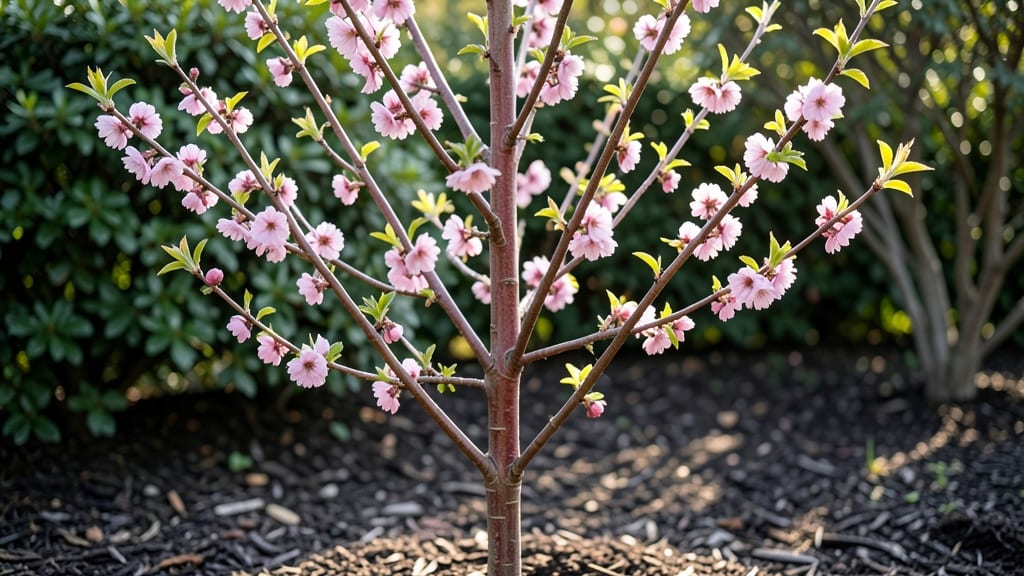
An early pink flowering peach tree bursts into color weeks before other peaches, turning your yard into a springtime masterpiece. 🌸 I planted mine last fall, and this year’s blooms arrived in March—when most gardens were still bare.
The key isn’t just timing; it’s knowing how to coax those delicate pink flowers into thriving all season.
This variety thrives in zones 5-9, where cold winters won’t shock the tree but summers stay warm enough for fruit to set. Well-draining soil with a touch of compost is non-negotiable—waterlogged roots mean fewer blooms.
The real magic happens with pruning: three simple cuts in late winter can double your flower display and keep the tree healthy for years.
By summer, you’ll have clusters of fragrant pink blossoms followed by sweet, juicy peaches—if you let them form. Even if fruit isn’t your goal, the ornamental value is unbeatable. Neighbors will stop to admire the show, and you’ll have a tree that performs from spring through fall with minimal fuss.
Perfect for small yards, urban patios, or as a focal point in a fruit orchard. The secret? Start with the right location, master those pruning hacks, and watch your tree become the star of the season.
📚 In This Guide
- What you need
- Instructions
- Tips and common mistakes
- Wrapping up and next steps
What you need
- ● Early pink flowering peach tree – Choose a Prunus persica variety like ‘Bonanza’ or ‘Redhaven’ (ensure it’s disease-resistant).
- ● Well-draining soil mix – 60% topsoil, 30% compost, and 10% perlite or sand (for optimal drainage).
- ● 5-gallon container or planting hole – If potted, use a container with drainage holes (minimum 18" deep).
- ● Balanced fertilizer (10-10-10) – 1 lb for in-ground planting or slow-release granules for containers.
- ● Organic mulch (e.g., wood chips or straw) – 2–3 inches to retain moisture and suppress weeds.
- ● Garden trowel or shovel – For planting and soil prep.
- ● Pruning shears – Sharp, bypass-style shears (sterilized with rubbing alcohol).
- ● Watering can or hose with nozzle – Deep-watering capability (1–2 gallons per tree initially).
- ● Gloves & protective clothing – To avoid thorns and soil irritation.
- ○ pH testing kit (optional) – Ideal soil pH: 6.0–7.0 (adjust with lime or sulfur if needed).
- ● Sunlight – Full sun (6+ hours daily) for optimal flowering.
- ● Climate zone – Hardy in USDA zones 5–9 (choose cold-hardy varieties for zones 5–6).
- ● Spacing – 15–20 feet apart if planting multiple trees (for cross-pollination).
Step-by-step guide to pruning your early pink flowering peach tree
Here's how I keep my peach tree blooming beautifully year-round with minimal effort.
✂️ Step 1: Prune Out Dead or Diseased Wood in Late Winter
Start in late winter when the tree is still dormant but before buds swell. Grab your pruning shears and examine each branch carefully. Look for darkened, brittle wood or branches with peeling bark—these are dead and need removal. I always cut back to the first healthy bud you see, which is usually a swollen green bump on the branch.
Make clean cuts at a 45-degree angle just above the bud. This prevents water from pooling and reduces disease risk. If a branch is larger than ½ inch thick, use your pruning saw instead. You'll know you're doing it right when you see fresh, white wood inside the cut—this means you've removed all the dead tissue.
🌿 Step 2: Thin Out Crowded Branches for Better Airflow
Next, focus on branch spacing. Healthy peach trees need good airflow to prevent fungal diseases. Look for branches that are growing too close together—these create shaded, humid pockets where mold thrives. Remove one of every two competing branches, always cutting back to a healthy outward-facing bud to encourage future growth.
Pay special attention to the center of the tree. If branches are growing inward, they'll rub against each other and create wounds. Trim these back to stronger, outward-growing branches to open up the canopy. You'll notice the tree's structure becomes more open and airy—this is exactly what you want for year-round blooms.
☀️ Step 3: Shape the Tree for Maximum Sun Exposure
Peach trees need full sun to produce vibrant pink blooms, so your goal is to open up the canopy to let light reach all branches. Start by removing low-hanging branches that shade the ground—these rarely produce fruit and take energy from the tree. Cut them back to a strong lateral branch or the trunk if necessary.
Next, look for crossing branches—these create weak points where they rub together. Remove the weaker of the two branches, cutting back to a bud that grows away from the remaining branch. You'll see the tree's shape become more rounded and balanced, which helps sunlight reach every part of the canopy evenly.
⏰ Step 4: Light Prune After Flowering to Encourage New Growth
About 6-8 weeks after the pink blooms fade, do a light pruning to stimulate fresh growth. Remove any suckers (shoots growing from the base or trunk) and water sprouts (fast-growing vertical shoots). These compete with fruit-bearing branches for energy. Cut these back to the main trunk or scaffold branch using your pruning shears.
Also, trim back any branches that grew too long during the bloom season. Cut them back to a bud that faces outward to maintain the tree's shape. You'll notice new green shoots appearing within a few weeks—that's your signal the tree is responding well to the pruning.
Tips & tricks for perfect early pink flowering peach tree pruning
Real talk: Pruning that vibrant peach tree isn't rocket science, but these small details make all the difference between a few sad blooms and a showstopping display of pink flowers all season.
The Right Time is Everything: Late winter is your golden window—specifically when the tree is dormant but before those buds start swelling. I've learned this the hard way by pruning too early (when branches are still frozen) or too late (when sap starts flowing). The goal is to catch that sweet spot where you can see the tree's structure clearly but haven't triggered new growth yet.
Tool Technique Matters: Your pruning shears should be sharp enough to make clean cuts—dull blades crush the wood, creating entry points for disease. For branches thicker than ½ inch, switch to your pruning saw. I always disinfect my tools with rubbing alcohol between cuts to prevent spreading any potential pathogens from dead wood to healthy branches. That white wood you see when you make a clean cut? That's your success signal.
Bud Direction Decisions: When cutting back to a bud, pay attention to which way it faces. Outward-facing buds encourage the tree to grow away from the center, creating that open, airy structure we want. Inward-facing buds will just create more crowded growth. Think of it like directing traffic—you want all that new growth heading outward to catch sunlight and air.
Seasonal Pruning Strategy: That light pruning you do 6-8 weeks after blooms fade isn't just about tidying up—it's about stimulating fresh growth for next year's flowers. I always make a point to remove those water sprouts (the fast-growing vertical shoots) because they're energy vampires, sucking resources away from the branches that actually produce those gorgeous pink blooms.
Pro Tips for Early Pink Flowering Peach
- Real talk: Pruning that vibrant peach tree isn't rocket science, but these small details make all the difference between a few sad blooms and a showstopping display of pink flowers all season.
- The Right Time is Everything: Late winter is your golden window—specifically when the tree is dormant but before those buds start swelling.
- Tool Technique Matters: Your pruning shears should be sharp enough to make clean cuts—dull blades crush the wood, creating entry points for disease.
Frequently asked questions
Got questions about your early pink flowering peach tree? You’re not alone! Here are some of the most common concerns—plus quick, practical answers to keep your tree thriving.
When should I expect the first blooms?
Early pink flowering peach trees typically burst into color as early as late winter or early spring (depending on your climate zone). In warmer regions (Zones 7-9), you might even spot blooms in January or February! Cold snaps can delay flowering, but don’t worry—these trees are resilient and often rebound with a second flush in spring.
Can they handle frost after blooming?
Yes, but with a caveat: new flowers are frost-sensitive. If a late frost hits after blooms appear, they may drop—but the tree will usually produce a second wave of flowers in 4-6 weeks. To protect buds, consider a light frost cloth during critical bloom periods. The fruit (if any) is more hardy, but ornamental varieties focus on flowers, not harvest.
How do I prune without killing the blooms?
Prune right after flowering (late spring) to avoid cutting off next year’s buds. Focus on:
- Removing dead or crossing branches (use clean, sharp shears).
- Thinning out overcrowded areas for airflow.
- Avoid heavy pruning—these trees bloom on old wood, so keep cuts minimal.
Do I need to fertilize for more flowers?
A balanced, low-nitrogen fertilizer (like 10-10-10) in early spring and fall encourages vibrant blooms. Over-fertilizing with nitrogen can lead to leafy growth at the expense of flowers. For organic options, try compost or a bone meal application in late winter. Skip fertilizer if your soil is already rich!
Why aren’t my blooms lasting long?
Short-lived blooms are often due to:
- Pests (aphids, spider mites) or disease (bacterial spot).
- Overwatering (root rot weakens the tree).
- Poor drainage (ensure well-draining soil).
What’s a good alternative if I want pink flowers but no fruit?
If you love the pink blooms but don’t want peach fruit, consider:
- ‘Bonanza’ peach tree (sterile, no fruit, heavy blooms).
- Japanese flowering cherry (Prunus serrulata) (similar pink hues, more cold-hardy).
- ‘Fashion’ flowering peach (ornamental, no fruit, disease-resistant).
Wrapping up and next steps
Growing an early pink flowering peach tree isn’t just about adding beauty to your garden—it’s about embracing nature’s early charm and learning a few simple tricks to keep those blossoms coming back year after year.
With the right pruning hacks, you’ll enjoy vibrant blooms and a healthy tree that thrives for seasons to come. 🌸
Ready to put your new skills to work? Start by observing your tree’s growth this spring and adjust your pruning schedule as needed. Happy gardening! 🌱