
Planting
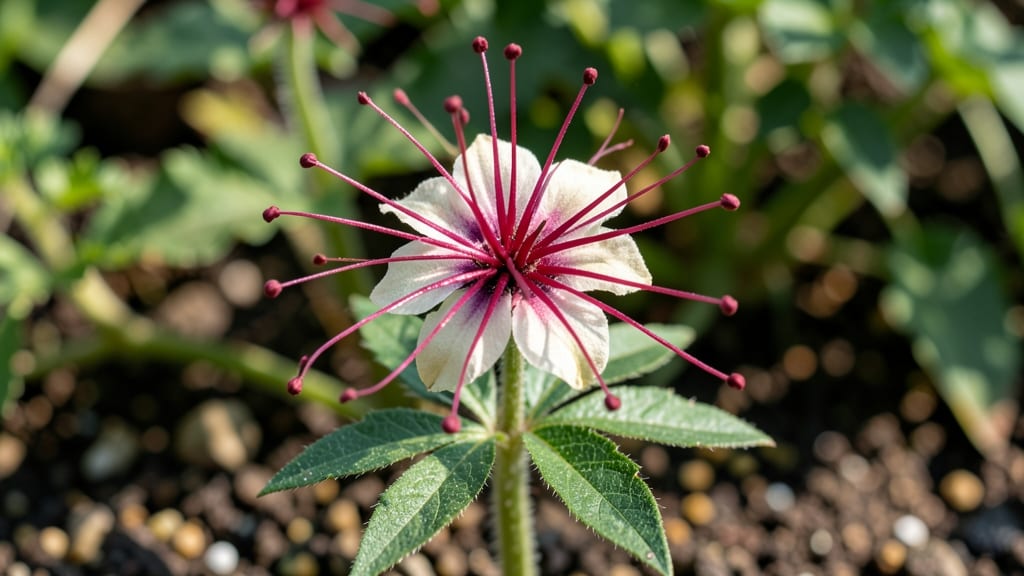
Growing cleome spider flower plant means adding 6-foot-tall drama to your garden with almost no effort. 🌿 The fluffy seed pods and spider-like blooms attract hummingbirds and bees like nothing else, while its drought tolerance makes it the perfect low-maintenance star for sunny spots.
I've grown cleome for three summers now, and it never fails to impress—even in my dry, hot climate where other plants wilt.
The secret to its success is simple: well-draining soil, full sun exposure, and occasional watering once established. You can start seeds indoors 6-8 weeks before last frost or sow directly in spring after soil warms.
The plants spread 2-3 feet wide, so space them accordingly to avoid overcrowding. My first batch grew so tall they blocked my neighbor's view—naturally, they asked for seeds the next year.
What you’ll love most is how effortlessly it blooms from mid-summer through fall, even when other annuals fade. The flowers start as delicate pink or white blooms that open into star-shaped clusters, and the seed pods add textural interest long after flowering ends.
Plus, it thrives in poor soil and handles heat better than most tropical plants.
Watch out for powdery mildew in humid climates—spacing improves airflow—and leggy stems if seedlings get too crowded. But with proper sunlight and spacing, you’ll have a pollinator powerhouse that requires almost no care. Ready to grow one that wows without the fuss?
📚 In This Guide
- What you need
- Instructions
- Tips and common mistakes
- Wrapping up and next steps
What you need
- ● Cleome seeds: 5–10 seeds (or 1–2 young plants from a nursery). Pro tip: Opt for heirloom or open-pollinated varieties for better germination!
- ● Well-draining potting mix: 1–2 gallons (or enough to fill your chosen container). Specs: Mix should include perlite, vermiculite, or sand (50% soil, 50% amendments).
- ● Containers or garden bed: Containers: 6–12" deep pots (1–2 per plant) with drainage holes.
- ● Garden bed: Full sun (6+ hours/day) with loose, fertile soil (pH 6.0–7.5).
- ● Watering can or hose: With a gentle spray nozzle for seedlings.
- ○ Plant labels: Optional but helpful—mark varieties if growing multiple types!
- ● Slow-release fertilizer: 5–10-5 or 10-10-10 (follow package rates for blooming plants).
- ● Mulch: Straw or shredded bark to retain moisture and deter weeds.
- ● Trellis or stake: For taller varieties (3–5 ft), use 3–4 ft bamboo stakes or a lightweight trellis.
- ● Pollinator-friendly companions: Marigolds, zinnias, or lavender to attract more bees and butterflies!
Step-by-Step instructions for growing cleome spider flower plants
Here's how to cultivate these striking pollinator favorites into towering, drama-filled garden stars.
🌱 Step 1: Choose the Perfect Planting Location
Cleome thrives in full sun—at least 6-8 hours daily—so select a spot where it won't be shaded by trees or structures. I always check the sun exposure throughout the day, especially in late afternoon when shadows stretch longest. The plant's natural height (up to 5-6 feet) means it needs strong light to support those heavy flower spikes.
Well-draining soil is critical—cleome hates soggy roots. If your garden soil is heavy clay, amend it with 2-3 inches of compost before planting. You'll see the difference immediately: plants in enriched soil grow straighter and produce more flowers. Test your soil's drainage by digging a hole, filling it with water, and checking if it drains within 30 minutes. If not, add more organic matter.
🌿 Step 2: Plant Seeds at the Right Time and Depth
Start seeds indoors 4-6 weeks before your last frost date or sow directly in the garden after all danger of frost has passed. Cleome seeds germinate best in warm soil (70-80°F)—if your spring is cool, use a heat mat or wait until late May. Plant seeds ¼ inch deep, spacing them 12-18 inches apart since they'll spread.
Press the soil gently around each seed to ensure good contact—this prevents air pockets that delay germination. Water lightly after planting, keeping the soil evenly moist but not soggy. You'll see sprouts in 7-14 days, though some seeds may take longer. Once seedlings appear, thin to the strongest plant per spot, as overcrowding leads to leggy, weak stems.
☀️ Step 3: Provide Support and Encourage Strong Growth
Cleome's distinctive, spider-like flowers grow on tall, slender stems that often need support. Install 3-4 foot tall stakes or a tomato cage at planting time—waiting until the plant is tall makes it harder to insert supports without damaging roots. I like using bamboo stakes because they're sturdy yet flexible enough to sway slightly in wind, which actually strengthens the stems.
Water deeply once a week during dry spells, aiming for 1 inch of water per week. The key is consistency—cleome plants wilt dramatically when thirsty but bounce back quickly once rehydrated. Mulch around the base with 2-3 inches of organic mulch to retain moisture and suppress weeds. You'll notice fewer watering needs and healthier foliage once the mulch is in place.
✂️ Step 4: Deadhead and Maintain for Continuous Blooms
Regular deadheading—removing spent flowers—extends the blooming season by encouraging new flower production. Pinch off faded blooms with your fingers or use clean pruners, cutting just above a set of leaves. I do this every 2-3 days during peak bloom, which is usually late summer to early fall in most climates.
Watch for powdery mildew, a common fungal issue, especially in humid conditions. If you spot white powder on leaves, improve airflow by spacing plants farther apart and apply a fungicide spray if needed. Fertilize lightly with a balanced, water-soluble fertilizer (10-10-10) every 4-6 weeks to support vigorous growth without encouraging excessive foliage over flowers.
Tips & tricks for perfect cleome spider flower growth
To turn your cleome plants into the towering pollinator magnets they're meant to be, these insider tips will help you avoid common pitfalls and maximize their dramatic potential.
Sunlight Strategy: The 6-8 hours of daily sun in Step 1 isn't just about quantity—it's about quality. Position your plants where they receive morning sun and afternoon light, as the intense afternoon rays help develop those signature spider-like flowers. I've noticed plants in east-facing locations often produce more abundant blooms because they get gradual morning warmth without scorching.
Soil Preparation Secret: When amending heavy clay soil with 2-3 inches of compost as mentioned in Step 1, mix in a handful of perlite or coarse sand to improve drainage further. This creates pockets of air in the soil, which cleome roots crave. The drainage test in Step 1 is crucial—if water pools after 30 minutes, you'll need to add even more organic matter or consider raised beds for these drought-sensitive plants.
Germination Hack: For those cool springs where soil won't reach 70-80°F naturally, try using black plastic mulch to warm the soil faster. Lay it down a week before planting—it absorbs heat during the day and radiates it back at night. This trick can shave weeks off your germination time and give you a head start on the growing season. Just remember to remove it before the plants get too tall to avoid overheating.
Support System Insight: The 3-4 foot tall stakes in Step 3 work wonders, but here's a pro move: tie the stems loosely with soft garden twine at two points—once at the base and again halfway up. This creates a natural trellis effect that helps distribute wind stress. I've seen cleome stems sway dramatically in storms, but the twine prevents them from snapping completely, allowing them to bounce back stronger.
Pro Tips for Cleome Spider Flower Plant
- To turn your cleome plants into the towering pollinator magnets they're meant to be, these insider tips will help you avoid common pitfalls and maximize their dramatic potential.
- Sunlight Strategy: The 6-8 hours of daily sun in Step 1 isn't just about quantity—it's about quality.
- Soil Preparation Secret: When amending heavy clay soil with 2-3 inches of compost as mentioned in Step 1, mix in a handful of perlite or coarse sand to improve drainage further.
Frequently asked questions
Got questions about growing the stunning Cleome hassleriana (Spider Flower)?
You’re not alone! Here are some of the most common queries—plus quick, expert-backed answers to help you cultivate this showstopper with confidence.
Is Cleome Spider Flower easy to grow for beginners?
This plant is low-maintenance and thrives in full sun with well-draining soil. It’s drought-tolerant once established, making it perfect for beginners. Just avoid overwatering—let the soil dry between waterings to prevent root rot. Pro tip: Deadhead spent blooms to encourage more flowers!
How long does it take for Cleome Spider Flower to bloom?
From seed, expect blooms in 8–12 weeks under ideal conditions (warm soil, full sun). If starting with transplants, flowers may appear in 4–6 weeks. Patience pays off—these plants reward you with dramatic vertical spikes of color! Note: They’re annuals, so enjoy their show while it lasts.
Why aren’t bees visiting my Cleome Spider Flower?
Spider Flowers are pollinator magnets, but if bees skip yours, check these fixes:
- Timing: Plant in late spring after frost (bees are sluggish in cold weather).
- Location: Ensure it’s in full sun (6+ hours/day)—shady spots reduce blooms.
- Health: Yellowing leaves? Overwatering or poor drainage may stress the plant.
Try this: Plant near other bee-friendly flowers (like zinnias or marigolds) to create a buzzing hub!
Can Cleome Spider Flower grow in containers?
Yes! This plant adapts well to large containers (12+ inches deep) with drainage holes. Use a lightweight potting mix and fertilize monthly with a balanced formula. Just stake or cage tall varieties to prevent toppling—those spiky blooms are heavy! Warning: Avoid small pots; roots need room to spread.
What can I plant with Cleome Spider Flower for a fuller garden bed?
Pair it with complementary textures and heights for a stunning display:
- Short & bushy: Petunias, salvias, or sweet alyssum.
- Mid-height: Zinnias or cosmos (adds color contrast).
- Tall & airy: Grasses like Miscanthus or ornamental millet.
Design tip: Plant Spider Flowers at the back of borders to highlight their towering spikes!
Wrapping up and next steps
Growing Cleome spider flower is a rewarding journey that brings bold beauty and buzzing pollinators to your garden! 🌸 With its striking height, vibrant blooms, and low-maintenance care, this plant is perfect for adding drama to any outdoor space.
Whether you're a beginner or seasoned gardener, its resilience and eye-catching appeal make it a must-have.
Ready to transform your garden? Start by choosing the right spot—sunny and well-drained—and plant your seeds or seedlings with confidence. Watch as your garden becomes a lively hub for bees, butterflies, and birds while showcasing nature’s stunning artistry!