
Flowers
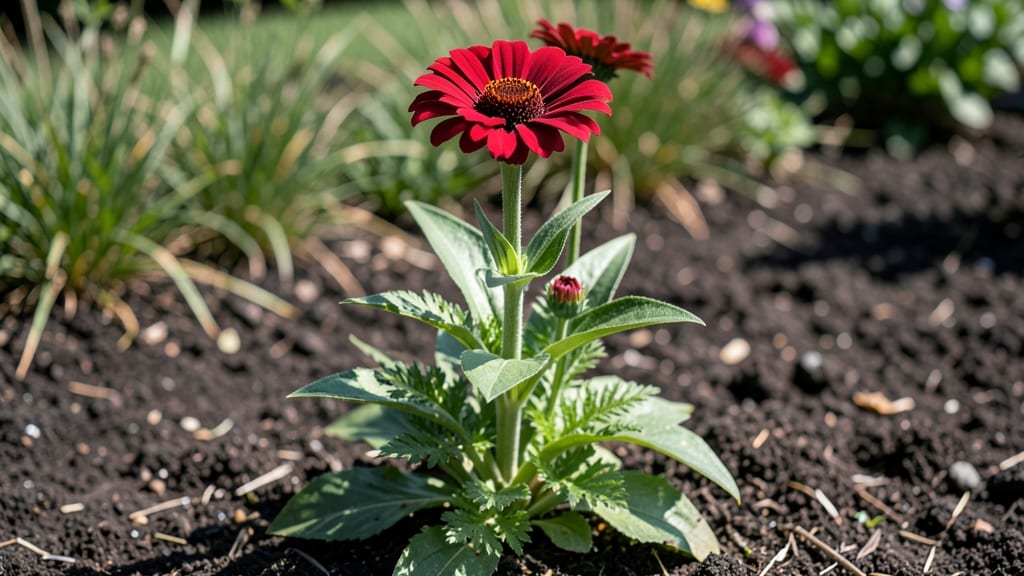
Your garden can look like a living postcard with colorful flowers pics that steal the show every season. 🌸 I’ve spent years curating flower combinations that pop—whether you want soft pastels or bold, high-contrast blooms—because the right mix transforms a yard into a photo-worthy space.
The secret isn’t just picking pretty flowers; it’s layering heights, textures, and bloom times so every corner feels intentional.
Start with a color palette that excites you—think blush pinks with lavender, or fiery reds with deep purples—and pair it with foliage that adds depth. Containers let you experiment without commitment, while perennial beds build drama over time.
My favorite year-round trick? Plant bulbs like daffodils in early spring, then tuck in annuals like zinnias or marigolds to bridge gaps until fall. It’s like having a rotating art gallery.
By the end, you’ll have a garden that feels alive, not just planted. Imagine walking past vibrant borders where every season brings a new star—tulips in April, dahlias in July, and chrysanthemums in October.
The best part? These combos work in small spaces, big yards, or even window boxes. Let’s turn your outdoor space into the most photographed spot on the block.
We’ll cover color theory basics, seasonal swaps, and how to keep blooms thriving without the fuss. Whether you’re redesigning a flower bed or just adding pizzazz to a patio, these ideas will give you that wow factor with minimal effort.
Ready to make your garden the envy of the neighborhood?
📚 In This Guide
- What you need
- Instructions
- Tips and common mistakes
- Wrapping up and next steps
What you need
- ● Flowering plants (perennials & annuals): 5–10 tender perennials (e.g., clematis, roses, or hydrangeas) for structure
- ● 15–20 annuals (e.g., petunias, impatiens, or marigolds) for quick color bursts
- ● 3–5 climbing vines (e.g., morning glories or nasturtiums) for vertical drama
- ● Support structures: 1–2 trellises (6–8 ft tall, sturdy metal or wood)
- ● 3–5 arbor or pergola frames (adjustable height, 4–6 ft wide)
- ● Soil & amendments: 50 lbs high-quality potting mix (or garden soil + compost)
- ● 10 lbs slow-release fertilizer (10-10-10 or organic options)
- ● Basic tools: 1 trowel or hand shovel
- ● 1 pruners (sterilized)
- ● 1 garden gloves (nitrile or leather)
- ○ Optional (but helpful!): Mulch (straw or shredded bark, 2–3 inches deep)
- ● Drip irrigation system or hose with spray nozzle
- ● Decorative stakes or labels for plant ID
- ● Lightweight fabric (e.g., frost cloth) for seasonal protection
- ● Sunlight assessment: 6+ hours/day for most flowers (adjust for shade-lovers like impatiens)
- ● Well-draining soil (amend with compost if needed)
- ● Watering schedule: 1–2 inches/week (adjust for heat/drought)
- ● Patience! Some perennials take 1–2 seasons to fully bloom.
How to design a year-round flower canopy that stands out
Here’s how I create a garden that bursts with color through every season—no boring green patches here.
🌱 Step 1: Plan for Seasonal Layers
Start by sketching your space and grouping flowers by bloom time. I like to divide them into three layers: tall backdrops (like sunflowers or delphiniums), mid-height fillers (such as black-eyed Susans or coneflowers), and low-growing spillers (like pansies or ajuga). This creates depth and ensures something’s always flowering.
Check your local frost dates—early bloomers like crocuses or daffodils need a head start in fall, while heat-lovers like salvias or verbenas thrive in summer. I jot down each plant’s peak bloom period so I know what to plant when. For example, tulips bloom in spring, but zinnias take over in late summer before mums shine in fall.
☀️ Step 2: Place for Maximum Sun and Color Impact
Most vibrant flowers need at least 6 hours of sun daily, but some—like impatiens or coleus—thrive in partial shade. I always place bold colors (reds, purples, oranges) where they’ll catch the eye first—near pathways or seating areas. Soft pastels (pinks, lavenders, whites) work beautifully in shaded corners or as backdrops.
Here’s the trick: place taller plants toward the back and shorter ones in front. If you’re using containers, group them by height—tallest in the center, medium around the edges, and trailing plants (like petunias or nasturtiums) spilling over the sides. This creates a natural, layered look that pops from every angle.
💧 Step 3: Water and Feed for Nonstop Blooms
Newly planted flowers need deep watering 2-3 times a week until established, but once roots spread, most perennials only need 1 inch of water weekly. I water in the early morning to reduce evaporation and fungal risks. Mulch with 2-3 inches of shredded bark to keep moisture in and weeds out—this also keeps roots cool in summer.
Feed with a balanced, slow-release fertilizer (like 10-10-10) at planting time, then again in early summer. Deadhead spent blooms regularly—this encourages more flowers and keeps your canopy looking fresh. For example, snip off faded petunias to prompt new buds, and cut back black-eyed Susans after their first flush to extend their season.
✂️ Step 4: Prune and Refresh for Year-Long Drama
In early spring, trim back any dead or woody stems from perennials like coneflowers or bee balm. This clears space for new growth and keeps the plant healthy. For annuals, like marigolds or cosmos, pinch back the tips when they’re 6 inches tall to encourage bushier growth.
By late summer, many perennials start looking tired. I give them a light haircut—cutting back by one-third—to rejuvenate them. This works wonders for shasta daisies or daylilies, which often bloom again after a mid-season trim. For woody shrubs (like butterfly bush or abutilon), prune in early spring to shape them and remove old growth.
🌿 Step 5: Swap and Refresh for Seasonal Shifts
When spring bloomers like tulips or hyacinths fade, replace them with summer favorites like cleome or lobelia. I pull up old plants and replant in the same spot—no need to dig up perennials unless they’re crowding. For containers, swap out annuals every 6-8 weeks to keep colors fresh. For example, spring pansies can give way to summer geraniums, then fall mums or winter kale for texture.
Here’s the secret to a no-fuss transition: plant bulbs in layers—tulips in fall, daffodils in late summer, and crocuses in early fall. This way, something’s always blooming, and you don’t have to replant every season. Add evergreen foliage (like heuchera or hostas) to fill gaps when flowers aren’t in bloom—they’ll keep your canopy lush year-round.
Tips & tricks for designing a year-round flower canopy
Real talk: Creating a vibrant garden canopy isn't just about planting flowers—it's about strategy. Here's how I turn good plantings into showstopping displays that keep blooming all year.
Seasonal Layering Strategy: When planning your three layers (tall backdrops, mid-height fillers, and low-growing spillers), think about how each plant will perform in different seasons. For example, I pair delphiniums (tall spring bloomers) with black-eyed Susans (mid-height summer stars) and ajuga (evergreen ground cover). This ensures you're not left with bare spots when one season transitions to the next. The key is to overlap bloom times by at least 2 weeks between seasons.
Sunlight Mapping: Before planting, walk through your space at different times of day to track sunlight patterns. I've learned the hard way that some areas get morning sun but afternoon shade—perfect for coleus, but too little for sunflowers. Use this map to place sun-lovers where they'll get their required 6 hours daily and shade-tolerant plants in cooler spots. Pro tip: Place a white board in suspect areas for a week to track actual sunlight hours.
Deadheading Discipline: This is the single most important maintenance task for continuous blooms. I keep sharp pruners handy and make it a habit to check my garden every 3-4 days during peak bloom seasons. For plants like petunias or zinnias, I cut back to just above a set of leaves—this encourages bushier growth and more flowers. The difference between a garden that fades quickly and one that keeps blooming is often just this one simple habit.
Seasonal Transition Hack: Instead of pulling up faded plants completely, I often give them a final trim and let them go to seed. This provides food for pollinators while the seeds can self-sow for next year. For example, I let cosmos go to seed in fall—they'll often resprout in spring without any effort. This creates a natural succession that requires less work from me while keeping the garden looking full.
Pro Tips for Colorful Flowers Pics
- Real talk: Creating a vibrant garden canopy isn't just about planting flowers—it's about strategy.
- Seasonal Layering Strategy: When planning your three layers (tall backdrops, mid-height fillers, and low-growing spillers), think about how each plant will perform in different seasons.
- Sunlight Mapping: Before planting, walk through your space at different times of day to track sunlight patterns.
Frequently asked questions
Got questions about capturing or growing vibrant, colorful flowers? Here are some of the most common queries—and their answers—to help you create a stunning garden canopy that pops year-round!
How do I take the best pictures of colorful flowers?
For vibrant flower photos, shoot during golden hour (early morning or late afternoon) to avoid harsh shadows. Use a macro lens for close-ups, and keep the background simple—like a blurred green leafy backdrop. Pro tip: Clean your camera lens and avoid editing photos too heavily; let the flowers’ natural colors shine!
When is the best time of year to plant colorful flowers for year-round blooms?
For continuous color, start with spring-blooming bulbs (like tulips or daffodils) and layer in summer perennials (e.g., coneflowers, black-eyed Susans). Add fall favorites (mums, asters) and winter pansies for a seamless transition. Check your USDA hardiness zone to pick flowers that thrive in your climate!
What are some low-maintenance colorful flowers for beginners?
If you’re new to gardening, try these easy-care bloomers: Lantana (drought-resistant, attracts butterflies), Zinnias (fast-growing, vibrant hues), or Marigolds (pest-repellent). Succulents like Echeveria also add pops of color with minimal fuss—just water when soil is dry!
How can I revive wilted or dull-looking flowers?
Revive drooping blooms by trimming dead stems just above a leaf node and giving them fresh water. For potted flowers, check drainage—root rot from soggy soil can kill plants. Boost vibrancy by fertilizing lightly with a balanced 10-10-10 mix or adding compost. If leaves turn yellow, it may need more sunlight!
What are some creative ways to display colorful flowers in my garden?
Get creative with vertical gardens (hanging planters, trellises), tiered pots, or even repurposed items like ladder shelves or old teacups as planters. For a whimsical touch, try fairy lights intertwined with blooms at dusk. Mix textures—pair velvety petunias with spiky agave for contrast!
Wrapping up and next steps
Transforming your garden into a year-round explosion of color isn’t just about aesthetics—it’s about creating joy, inspiration, and a little slice of paradise in your daily life. 🌸 From bold annuals to hardy perennials, the right colorful flowers pics can turn any space into a vibrant masterpiece, no matter the season.
Whether you’re a seasoned gardener or just starting out, the key is to start small, experiment boldly, and let nature do the rest.
Ready to dive in? Pick one flower from this guide, grab your tools, and begin planting today! Your future self—and your garden—will thank you. 🌿✨