
Container Gardens
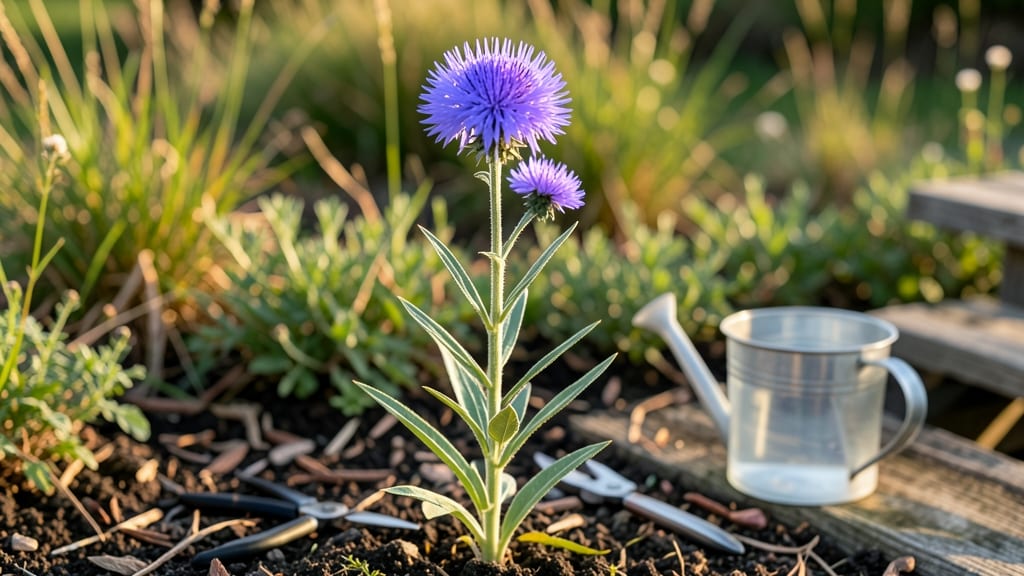
Growing cornflowers in pots is my go-to for instant color—those bold purple spires pop against any patio backdrop, and they thrive in containers with minimal fuss.
The key is choosing the right pot size (at least 12 inches deep) and well-draining soil, which keeps roots happy without the fuss of in-ground planting.
I’ve filled terracotta pots with a mix of potting soil and perlite, and within weeks, the plants shoot up like clockwork, even in my small urban yard.
These flowers love full sun (think 6+ hours daily) and handle heat better than many annuals, making them perfect for balconies or sunny windowsills. Watering’s simple too—let the top inch dry out between drinks, and you’ll avoid the leggy stems that come from overwatering.
A balanced fertilizer every 4-6 weeks keeps blooms coming, but honestly, they’ll still shine if you forget.
By midsummer, your pots will be bursting with vibrant purple blooms that attract pollinators while adding drama to any space. Pair them with salvias or snapdragons for height contrast, or tuck them into window boxes with lobelia for a cottage-core look.
The best part? Deadheading spent blooms encourages even more flowers, and the seeds self-sow for next year’s effortless garden.
Even if you’ve killed plants before, cornflowers are foolproof—they bounce back from neglect and still deliver stunning results. Start with 3-5 plants per pot for a full, lush look, and you’ll have a low-maintenance, high-impact container garden that lasts all season. Ready to try?
📚 In This Guide
- What you need
- Instructions
- Tips and common mistakes
- Wrapping up and next steps
What you need
- ● Cornflower seeds – Centaurea cyanus (1-2 packets, ~50-100 seeds). Choose a variety like 'Black Ball' or 'Blue Boy' for striking color.
- ● Containers – At least 12-18 inches deep (cornflowers need room to grow!). Options: ceramic pots, fabric grow bags, or wooden planters with drainage holes.
- ● Well-draining potting mix – A blend of 50% peat or coco coir, 30% perlite or vermiculite, and 20% compost (or a pre-mixed "all-purpose" mix). Avoid heavy garden soil!
- ● Drainage layer – 1-2 inches of gravel, pebbles, or broken pottery at the bottom of each pot to prevent root rot.
- ● Trowel or small shovel – For planting and mixing soil.
- ● Watering can or spray bottle – Keep soil consistently moist (not soggy) during germination.
- ○ Fertilizer (optional) – Balanced liquid fertilizer (10-10-10) or slow-release granules to boost blooms. Apply every 4-6 weeks.
- ○ Stakes or trellis (optional) – Tall varieties may need support in windy spots.
- ○ Mulch (optional) – A 1-inch layer of straw or bark to retain moisture and suppress weeds.
- ● Sunlight – Full sun (6+ hours daily). Cornflowers thrive in bright, direct light!
- ● Temperature – Plant after last frost when soil is at least 50°F (10°C).
- ● Patience – Germination takes 7-21 days; blooms appear in 8-10 weeks.
Step-by-step guide to growing cornflowers in containers
Here’s how to coax those striking purple spires into pots with minimal fuss.
Select the Right Containers and Drainage
Cornflowers thrive in pots that are at least 12 inches deep and wide enough to accommodate their 18-24 inch tall mature height. I prefer terra cotta containers because they allow excess moisture to evaporate through the walls, preventing root rot. Ensure each pot has multiple drainage holes—cornflowers despise soggy roots.
If your chosen pots lack drainage, drill ¼-inch holes in the bottom and line them with landscape fabric to keep soil in place. Place a 1-inch layer of gravel at the base before adding soil to further improve drainage. This step is critical—waterlogged roots will stunt growth or worse, kill the plant before it blooms.
Prepare Soil and Plant Seeds
Fill the pots with a well-draining potting mix designed for annuals or perennials. Cornflowers don’t demand rich soil, but they do need fertile, loamy mix to support their deep roots. Amend the mix with compost (about 20% of the total volume) to provide essential nutrients without compacting the soil.
Scatter 4-5 seeds per pot at a depth of ¼ inch, spacing them evenly. Press the seeds gently into the soil—cornflowers need light to germinate, so don’t bury them too deeply. Water lightly with a spray bottle to moisten the soil without disturbing the seeds. Place the pots in a warm, sunny spot (at least 6 hours of sunlight daily) and keep the soil consistently moist until germination, which typically occurs in 7-14 days.
Provide Sun and Water for Strong Growth
Once seedlings emerge, move the pots to a location with full sun exposure (at least 6-8 hours daily). Cornflowers are sun lovers, and insufficient light will result in leggy, weak stems and sparse blooms. If growing in partial shade, expect fewer flowers and a more compact plant.
Water the pots deeply once a week, allowing the top 2 inches of soil to dry out between waterings. Overwatering is the fastest way to kill cornflowers—yellowing leaves or wilting stems are signs of too much moisture. Mulch the soil surface with ½ inch of organic mulch (like straw or shredded bark) to retain moisture and suppress weeds. This also keeps the roots cool during hot afternoons.
Thin Seedlings and Support Tall Stems
When seedlings reach 2-3 inches tall, thin them to 2-3 strongest plants per pot. Use scissors to snip weaker stems at the base—this prevents competition for nutrients and encourages the remaining plants to grow bushier. Cornflowers are self-seeding, so you’ll likely have more seedlings than you need.
As the plants grow taller, they’ll need support to prevent them from flopping over. Insert 3-4 bamboo stakes or small garden cages into each pot and gently tie the main stems to them with soft plant ties as they grow. This ensures the bold purple spires stand upright and remain visible. Avoid tying too tightly—cornflowers grow quickly, and constricted stems can snap.
Fertilize and Deadhead for Continuous Blooms
Once the plants are 6-8 inches tall, apply a balanced, water-soluble fertilizer (like 10-10-10) at half strength every 4-6 weeks during the growing season. Cornflowers don’t need heavy feeding, but a light dose of nutrients encourages vibrant blooms and robust foliage. Stop fertilizing after mid-summer to allow the plants to prepare for dormancy.
To prolong blooming, deadhead spent flowers by snipping off the faded blooms just above the next set of leaves. This redirects the plant’s energy into producing new flowers rather than setting seed. You’ll notice a fresh flush of blooms within 2-3 weeks of deadheading. Cornflowers are drought-tolerant once established, but consistent deadheading keeps them looking their best until the first frost.
Tips & tricks for growing cornflowers in containers
These simple strategies will help you cultivate vibrant cornflowers that thrive in containers and reward you with stunning blooms.
Container Selection: While terra cotta pots are ideal due to their breathability, don't overlook other options like glazed ceramic or fiberglass containers. Just ensure they're at least 12 inches deep—shallower pots will restrict root growth and lead to leggy plants. I've successfully grown cornflowers in window boxes too, as long as they meet the depth requirement and have proper drainage. The key is maintaining that balance between adequate space and good airflow around the roots.
Germination Trick: For faster and more reliable germination, consider soaking your cornflower seeds in warm water for 12 hours before planting. This method can reduce germination time from the typical 7-14 days to just 5-7 days. Place the seeds in a small bowl of water, then transfer them to damp paper towels for the soaking period. This works particularly well if you're starting seeds indoors before transplanting to containers—just be sure to plant them at the same ¼-inch depth afterward.
Sunlight Optimization: When positioning your containers, aim for locations that receive the full 6-8 hours of sunlight daily specified in the instructions. South-facing windowsills or balconies are perfect choices. If your space only offers partial sun, supplement with a grow light for 4-6 hours daily to maintain strong stems and abundant blooms. I've found that even just 2 extra hours of light can make a noticeable difference in plant vigor, especially during shorter daylight hours of spring and fall.
Watering Wisdom: The once-weekly deep watering schedule works beautifully, but there's a trick to perfect execution: water in the morning rather than evening. This allows excess moisture to evaporate during the day, reducing the risk of fungal issues that thrive in damp conditions overnight. Also, use a watering can with a narrow spout to direct water to the soil surface rather than splashing leaves—this helps prevent disease while keeping the roots consistently moist at the critical 2-inch depth.
Pro Tips for Cornflowers In Pots
- These simple strategies will help you cultivate vibrant cornflowers that thrive in containers and reward you with stunning blooms.
- Container Selection: While terra cotta pots are ideal due to their breathability, don't overlook other options like glazed ceramic or fiberglass containers.
- Germination Trick: For faster and more reliable germination, consider soaking your cornflower seeds in warm water for 12 hours before planting.
Frequently asked questions
Got questions about growing cornflowers in pots?
You’re not alone! Here are some of the most common queries—plus quick, practical answers to help you nail that vibrant purple display.
Can cornflowers grow well in small pots?
Yes! Cornflowers thrive in pots as long as the container has good drainage and is at least 6–8 inches deep. Smaller pots may limit root growth, but they’ll still produce stunning blooms. Just repot if you notice roots circling the bottom.
How long does it take for cornflower seeds to sprout?
Cornflower seeds typically sprout in 7–14 days after planting, depending on warmth and moisture. Keep the soil consistently moist (not soggy) and place pots in a sunny spot. Thin seedlings to 12–18 inches apart for best airflow and blooms.
Do cornflowers need full sun in pots?
Cornflowers crave full sun (6+ hours daily). In pots, they’re even more dependent on light since containers heat up faster. If your space is shady, choose a sunny windowsill or balcony—or opt for shade-tolerant alternatives like pansies or lobelia.
Why aren’t my cornflowers blooming?
Lack of blooms often stems from overcrowding, low light, or poor soil. Check these fixes:
- Thin plants if they’re too close.
- Move to sunnier spot (even dappled light may help).
- Use well-draining potting mix with a slow-release fertilizer.
- Deadhead spent blooms to encourage new flowers.
What’s a great companion plant for cornflowers in pots?
Pair cornflowers with low-growing plants to create height contrast:
- Sweet alyssum (white/purple blooms, attracts pollinators).
- Marigolds (repel pests, add golden pops).
- Thyme or oregano (herbs deter bugs and look tidy).
Pro tip: Avoid tall plants like sunflowers—they’ll overshadow your cornflowers!
Wrapping up and next steps
Cornflowers in pots are a showstopper—easy to grow, stunningly vibrant, and perfect for adding a touch of whimsy to your sun-drenched patio or balcony. With the right soil, sunlight, and a little TLC, you’ll enjoy their bold purple spires all season long!
Whether you’re a seasoned gardener or a beginner, these cheerful blooms are a fantastic way to brighten up small spaces.
Ready to dive in? Grab your supplies, pick a sunny spot, and start planting—your container garden will thank you! 🌸✨