
Flowers
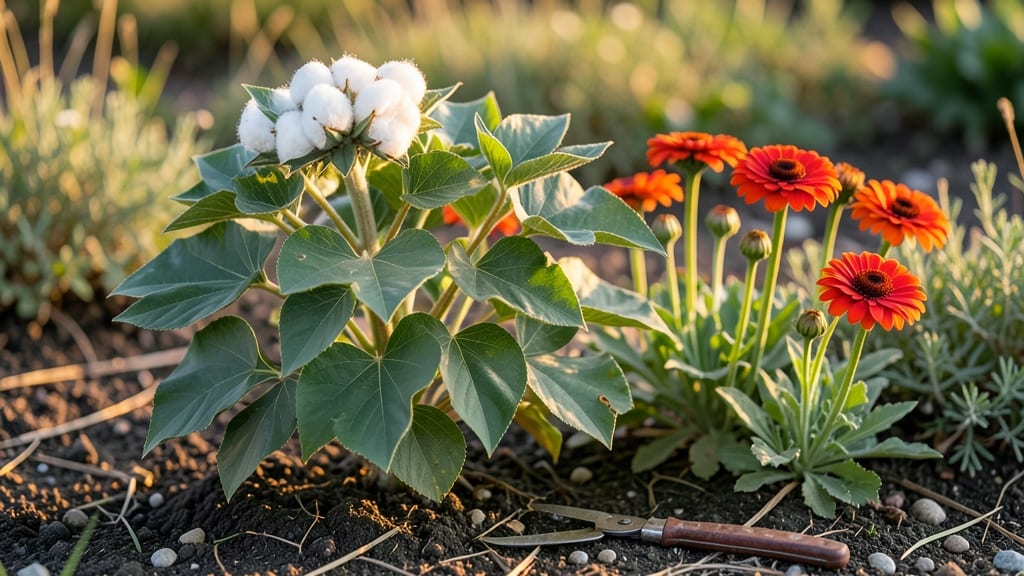
Your garden could look like a storybook page with cotton and flowers as the stars. 🌸 I stumbled upon this pairing last summer when I planted cotton as a dramatic backdrop for my cottage garden—its silvery foliage and fluffy blooms became the perfect foil for delicate roses and lavender.
The contrast between the soft, velvety petals of flowers and the airy cotton bolls created a dreamy, almost whimsical effect that neighbors kept asking about.
Cotton thrives in full sun and well-drained soil, making it a surprisingly easy plant to grow alongside traditional cottage favorites like peonies, snapdragons, or even drought-tolerant succulents. The key is spacing: give cotton at least 3 feet between plants so it doesn’t crowd out smaller flowers.
In my design, I used cotton as a vertical accent, letting it climb a rustic trellis where it framed my flower beds like a living curtain.
By midsummer, your garden will burst with texture—cotton’s silvery leaves and fluffy bolls against the bright blooms of zinnias or the deep purple of salvia. Even in winter, the skeletal cotton stems add structure, while evergreen shrubs like boxwood keep the cottage charm alive.
The best part? Cotton’s drought tolerance means less watering once established, so your whimsical garden stays lush without extra work.
This design works in any size space, from a small front yard to a corner of your patio. Whether you’re going for full cottagecore or just want a low-maintenance, high-impact look, cotton and flowers together create a garden that feels like a hug.
Let’s bring that storybook magic to life—here’s how to start.
📚 In This Guide
- What you need
- Instructions
- Tips and common mistakes
- Wrapping up and next steps
What you need
- ● Cotton plants (Okra or Cotton Boll varieties): 5–10 plants (depending on garden size)
- ● Choose Abelmoschus moschatus (cotton flower) or Gossypium (cotton boll) for soft, velvety blooms
- ● Perennial flowers (for year-round interest): 10–15 plants total (mix of annuals/perennials)
- ● Recommendations: Roses (climbing or shrub), Lavender, Peonies, Black-Eyed Susans, or Dahlias
- ● Potting soil: 1–2 bags (high-quality, well-draining blend)
- ● Organic compost: 1–2 bags (for enriching soil)
- ● Mulch: 1 bag (straw or shredded bark to retain moisture)
- ● Garden tools: Trowel or hand shovel
- ● Pruners (for trimming cotton bolls/flowers)
- ● Garden gloves (to protect hands from thorns/spines)
- ○ Decorative elements (optional but charming!): Terracotta pots (2–4, for climbing roses or trailing flowers)
- ● Wooden trellises or stakes (for vertical growth)
- ● Fairy lights or solar-powered lanterns (for evening ambiance)
- ● Watering supplies: Watering can or hose with gentle spray nozzle
- ○ Drip irrigation kit (optional, for low-maintenance watering)
Step-by-Step instructions for creating a whimsical cottage garden with cotton and flowers
Here's how to blend soft textures and vibrant blooms for a garden that feels like stepping into a storybook.
🌱 Step 1: Plan Your Layout with Height and Texture Layers
Start by sketching your garden space on paper, dividing it into three layers: tall, medium, and low. Cotton plants, with their airy foliage, belong in the medium layer—3-4 feet tall—where they'll provide a soft backdrop for taller perennials like delphiniums or hollyhocks. Place them 18-24 inches apart in rows to create a breezy, undulating effect.
For the low layer, mix in annuals like sweet alyssum or violas to spill over edges and fill gaps. These tiny blooms will contrast beautifully with cotton's broad leaves. I like to group 3-5 cotton plants together in clusters, surrounded by shorter flowers to create natural focal points. Think of it like arranging a still-life painting—balance is everything.
🪴 Step 2: Prepare the Soil for Soft, Fluffy Growth
Cotton thrives in well-draining soil with a pH between 6.0 and 7.5, so amend your garden beds with 2 inches of compost mixed into the top 6 inches of soil. Work it in gently with a garden fork—you want a light, airy texture that mimics cotton's natural preference for loose, fertile ground.
Here's the thing—cotton hates soggy roots. If your soil drains poorly, add 1 part perlite or coarse sand to every 3 parts soil when planting. Press the amended soil lightly around each plant to eliminate air pockets, but don't compact it. You'll know you've done it right when the soil crumbles easily between your fingers.
☀️ Step 3: Plant and Position for Maximum Airy Drama
Set cotton plants in the ground after all danger of frost has passed, spacing them 2 feet apart in rows. Dig a hole just deep enough to accommodate the root ball, then place the plant so the top of the root ball sits ½ inch below soil level. This ensures stability while allowing room for the plant to settle without sinking.
Position cotton where it will receive full sun (6-8 hours daily) but isn't scorched by afternoon heat. I often plant them near the center of flower borders, where their silvery-green leaves will catch the light and create a shimmering effect. Water deeply right after planting to help the roots establish, and mulch with 2 inches of straw or shredded leaves to retain moisture and suppress weeds.
🌿 Step 4: Maintain with Gentle Care for Year-Round Interest
Water cotton plants 1-2 inches per week, aiming for the base of the plant rather than the leaves to prevent fungal issues. You'll know they're getting enough moisture when the soil feels damp but not soggy down to 2 inches deep. Let the top inch dry out between waterings to encourage deep root growth.
Deadhead spent blooms regularly to redirect the plant's energy into leafy growth and new flowers. Cotton's unique seed pods add winter interest, so leave a few on the plant if you want texture through the colder months. I also like to trim back leggy growth in early summer to encourage bushier, fuller plants. A light pruning with clean shears does the trick—just snip above a set of leaves to promote branching.
⏰ Step 5: Extend the Season with Companion Planting
To keep your cottage garden blooming all season, interplant cotton with annuals that flower at different times. For example, pair it with early spring pansies, summer cosmos, and fall mums. This creates a continuous wave of color while keeping the cotton's soft texture as the constant backdrop.
Real talk: Cotton's seed pods can look a bit wild by late summer, so if you prefer a tidier look, remove them after they turn brown. But if you love rustic charm, leave them—they'll catch the light like tiny lanterns and add unexpected texture to your winter garden. Just be sure to remove them before they release seeds if you don't want volunteers popping up everywhere.
Tips & tricks for perfect whimsical cottage gardens
Creating a dreamy cottage garden takes more than just planting—it's about the little details that make it feel magical. Here's what I've learned from years of trial and error to help you craft the perfect backdrop.
Layering Like a Pro: When planning your height layers in Step 1, I like to use a simple trick: sketch your garden with a grid. Mark each square as tall, medium, or low, then place your cotton plants in the medium squares first. This visual helps me see how the airy foliage will flow between taller perennials and low-spreading annuals. Think of it like arranging a painting—your eye should glide smoothly from top to bottom without any jarring transitions.
Soil Secret for Cotton: In Step 2, don't just add compost—think about the texture. I mix in 1 part coconut coir (optional but fantastic) with the compost and perlite for even better drainage. The coir holds moisture while allowing excess to drain, which cotton absolutely loves. After amending, press the soil lightly with your fingers—it should hold its shape but still crumble easily. This gives you that perfect balance between support and airiness that cotton craves.
Sun Positioning: For Step 3, here's a trick I picked up from old garden books: plant cotton on the north side of taller perennials. This way, they get their full 6-8 hours of sun without being scorched by afternoon heat. I also like to position them slightly behind other plants—it creates that dreamy, slightly hidden quality that makes cottage gardens feel so inviting. Just make sure they're still visible from your favorite seating area!
Year-Round Interest Hack: In Step 4, leave some seed pods but not too many. I find that 3-5 pods per plant creates just enough winter texture without looking messy. To make them even more striking, leave them on stems that are slightly taller than the surrounding foliage. They'll catch the light beautifully when frosted, adding that magical winter charm we all love in cottage gardens.
Pro Tips for Cotton And Flowers
- Creating a dreamy cottage garden takes more than just planting—it's about the little details that make it feel magical.
- Layering Like a Pro: When planning your height layers in Step 1, I like to use a simple trick: sketch your garden with a grid.
- Soil Secret for Cotton: In Step 2, don't just add compost—think about the texture.
Frequently asked questions
Got questions about blending cotton plants and flowers for that dreamy cottage garden vibe? You’re not alone! Here are answers to the most common queries—because even the prettiest gardens need a little troubleshooting love.
Can I grow cotton plants and flowers together in the same bed?
Cotton plants (like Gossypium species) thrive in well-drained soil with full sun, just like many flowers. Pair them with low-growing perennials (e.g., pansies, marigolds, or snapdragons) to avoid shading issues. Just space them 18–24 inches apart—cotton’s broad leaves need room to stretch!
How long does it take for cotton plants to grow tall enough to support flowers?
Cotton plants grow fast—expect 3–4 feet in 60–90 days from seed! For a whimsical look, plant annual flowers (like cosmos or zinnia) alongside them early in the season. These will bloom before cotton towers over, creating a layered, ever-changing display. Patience pays off with cotton bolls (and fluffy blooms!) by mid-summer.
What’s the best way to keep cotton plants from overwhelming my flower beds?
Prune cotton plants early and often to control height and encourage bushier growth. Stake or cage them if needed, and interplant with trailing flowers (e.g., nasturtiums or lobelia) to soften the edges. Pro tip: Harvest cotton bolls as they mature—they’ll produce more flowers (and fluff!) instead of focusing on seed pods.
Are there low-maintenance flower alternatives if cotton plants prove tricky?
Yes! Swap cotton for ornamental grasses (like maiden grass) or tall perennials such as hollyhocks or delphiniums. These add height and texture without the fuss. For a cotton-like look, try okra (its pods resemble mini cotton bolls) or statice for a papery, airy texture.
Will cotton plants attract pests that might harm my flowers?
Cotton plants are generally pest-resistant, but watch for aphids or spider mites in dry spells. Spray with neem oil or introduce ladybugs to keep populations in check. Marigolds planted nearby act as natural pest deterrents—win-win! If issues arise, isolate affected plants and treat early to protect your floral friends.
Pro Tip:
For year-round charm, mix evergreen shrubs (like boxwood) with your cotton-and-flowers combo. This adds structure when seasonal blooms fade, keeping your cottage garden magical all year.
Wrapping up and next steps
From romantic cottage gardens to whimsical year-round charm, cotton and flowers create a dreamy, timeless escape that’s easy to love—and even easier to bring to life.
Whether you’re a seasoned gardener or just starting, the key is to mix textures, colors, and seasonal blooms while keeping your space cozy and inviting. Now that you’ve got the inspiration (and answers to all those burning questions!), it’s time to roll up your sleeves and let your creativity bloom!
🌸 Next steps:
- Sketch a rough layout of your garden—even a simple doodle helps!
- Gather your materials (or start a wish list for slow-season shopping).
- Plant a few easy-care favorites, like cotton candy cosmos or hollyhocks, to kickstart your vision.