
Flowers
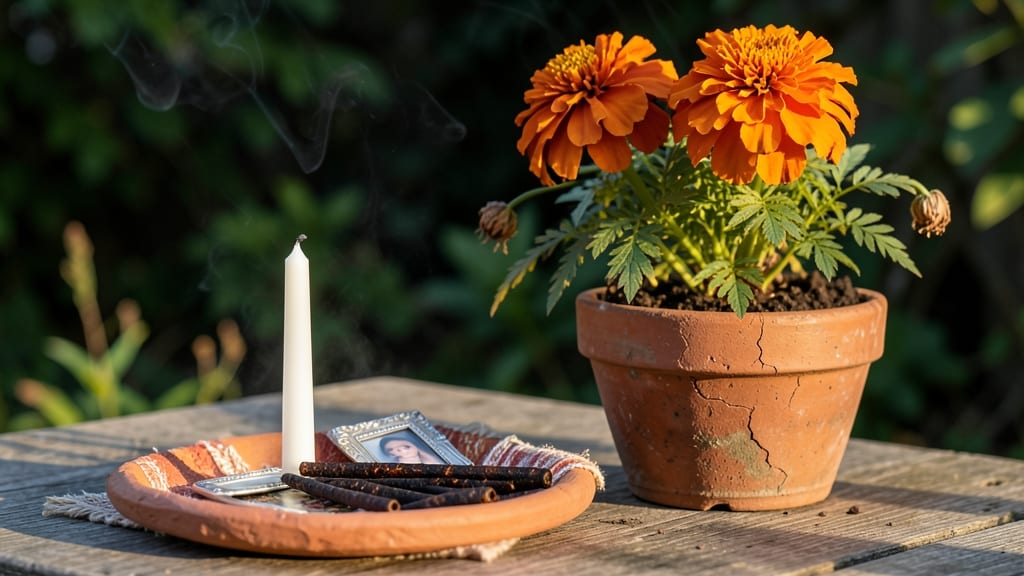
The Cuban link flowers for the Dead—those fiery Cempasúchil marigolds—are more than just vibrant blooms; they’re the golden threads guiding lost souls home during Día de los Muertos. 🌼 Their bright petals light the way, symbolizing the sun’s journey and the connection between life and death, a tradition passed down through generations in Cuban culture.
Growing these marigolds isn’t just about color—it’s about honoring heritage. They thrive in warm climates but can be started indoors 8-10 weeks before your last frost, then transplanted outside once temperatures stay above 55°F. The key?
Well-draining soil and full sun—these plants love to bask, and the more sunlight they get, the brighter their blooms will shine.
Imagine your garden or altar transformed by their cheerful orange and yellow hues, drawing in butterflies and hummingbirds while paying tribute to loved ones. The scent alone—earthy and slightly citrusy—evokes memories of family gatherings and candlelit vigils.
These aren’t just flowers; they’re a bridge between worlds, waiting to be planted with intention.
Whether you’re creating a memorial garden, decorating for Día de los Muertos, or simply admiring their cultural significance, these marigolds bring warmth, tradition, and a touch of magic to any space. Let’s bring their story to life in your own backyard.
📚 In This Guide
- What you need
- Instructions
- Tips and common mistakes
- Wrapping up and next steps
What you need
- ● Marigold flowers (Cempasúchil) – 10-20 stems (or more for larger displays). Use orange or yellow varieties for authenticity. Fresh or dried works, but fresh stays brighter longer! 🌻
- ● Green floral wire or thin copper wire – 1-2 yards (22-24 gauge). Copper adds a traditional touch!
- ● Scissors or floral shears – For precise cutting (avoid jagged edges).
- ● Small wooden skewers or toothpicks – 5-10 pieces (to secure stems).
- ● Twine or raffia – 1-2 feet (for tying stems into bundles).
- ● Water (if using fresh flowers) – A small vase or cup for hydration.
- ● Floral tape – For cleaner wire wrapping.
- ● Dried flowers or leaves – To fill gaps and add texture (e.g., rosemary or eucalyptus).
- ● Small beads or charms – For a personalized touch (e.g., mini skulls or crosses).
- ● Spray adhesive (light mist) – To temporarily hold dried flowers in place while crafting.
- ● Printed photos or small trinkets – To weave into the garland as a tribute.
Step-by-Step guide to creating Cuban link flower arrangements for Día de los Muertos
Here's how to craft meaningful, culturally rich floral links using marigolds and other traditional blooms.
🌱 Step 1: Gather Traditional Flowers and Supplies
Start with marigolds—the star of Cuban Día de los Muertos traditions—as they symbolize the sun and guide spirits home. You'll need four distinct marigold varieties (orange, yellow, white, and deep red) for a full spectrum of meaning. Include chrysanthemums (symbolizing remembrance) and roses (for love and honor) to complete the arrangement.
Gather twine or raffia (for binding) and scissors to trim stems at 45-degree angles—this creates more surface area for water absorption and keeps stems fresh longer. A sharp knife works better than scissors for thicker stems. I like to use brown paper or kraft paper to wrap around the base of the arrangement, giving it a rustic, handmade look that honors the tradition.
🌿 Step 2: Create the Floral Link Structure
Begin by selecting four stems of each flower type—this creates your "link" structure, representing the four directions (north, south, east, west) and the four elements (earth, air, fire, water). Arrange them in a loose circle, with stems pointing downward and flowers facing outward. The marigolds should form the outer ring, while chrysanthemums and roses fill the center.
Here's the thing—tradition dictates that the flowers should be uneven and slightly wild in appearance. Don’t fuss over perfect symmetry; instead, let the stems cross naturally, creating a sense of movement. This reflects the belief that spirits are always in motion between worlds. Once you’re satisfied with the arrangement, gently wrap the stems together with twine or raffia, securing them at intervals to maintain the shape.
✂️ Step 3: Trim and Shape for Longevity
Trim all stems at a 45-degree angle just before arranging them in water. This prevents the stems from sitting flat at the bottom of the vase, which can block water uptake and cause wilting. For a vase or container, use something with a wide base—traditionally, clay or ceramic vessels are preferred because they keep the flowers cooler and last longer.
If you’re creating a hanging link, use a wooden dowel or driftwood as the base. Thread the stems through small holes drilled along the dowel, spacing them evenly. This method allows the flowers to dangle naturally, creating a cascading effect that’s both visually striking and deeply symbolic. Water the arrangement thoroughly after securing it, ensuring the stems are fully hydrated before display.
💧 Step 4: Maintain and Display with Cultural Respect
Place your floral link in a cool, shaded area away from direct sunlight, which can cause marigolds to fade quickly. Change the water every two days and trim the stems again at a 45-degree angle to encourage fresh water uptake. Add a drop of bleach to the water to prevent bacterial growth, which keeps the flowers vibrant longer.
Display your arrangement in a place of honor—traditionally, these links are placed on altars (ofrendas) alongside candles, photos of the deceased, and favorite foods of the departed. The marigolds’ bright colors are believed to attract spirits, while their scent guides them home. Real talk: the moment you see the first marigold begin to wilt, it’s time to refresh the water and trim the stems again. This ensures your floral link remains a living tribute throughout the celebration.
Tips & tricks for perfect Cuban link flower arrangements
Creating these meaningful floral links is all about balancing tradition with intentional imperfection—here's how to elevate your arrangement while staying true to its cultural roots.
Symbolic Stem Selection: When choosing your four stems of each flower type in Step 2, prioritize marigolds with slightly uneven petal counts—this natural asymmetry mirrors the belief that spirits move unpredictably between worlds. I always look for marigolds with at least one petal that's noticeably different from the others; this subtle irregularity adds depth to the arrangement's meaning. The chrysanthemums should have fully opened blooms, while roses can be slightly budded to represent both life and remembrance.
Traditional Binding Techniques: For the twine or raffia wrapping in Step 2, use a simple overhand knot at the base before wrapping—this creates a clean starting point that honors the craftsmanship of Cuban floral artisans. The knots should be spaced about 2 inches apart along the stems, allowing the flowers to maintain their natural movement. If you're working with particularly delicate stems, consider using floral tape instead; it's less visible and provides better support without altering the arrangement's rustic aesthetic.
Cultural Display Preparation: Before placing your completed arrangement on the altar in Step 4, take a moment to arrange the flowers in a loose circle on a clean surface. This gives you a chance to visualize how the colors will interact with the altar's other elements—candles, photos, and offerings. The marigolds' vibrant hues should complement rather than compete with these items, creating a harmonious visual connection between the living and the spiritual realms. This intentional placement ensures your floral link becomes a true focal point of the ofrenda.
Pro Tips for Cuban Link Flowers For The Dead
- Creating these meaningful floral links is all about balancing tradition with intentional imperfection—here's how to e...
- Symbolic Stem Selection: When choosing your four stems of each flower type in Step 2, prioritize marigolds with sligh...
- Traditional Binding Techniques: For the twine or raffia wrapping in Step 2, use a simple overhand knot at the base be...
Frequently asked questions
Got questions about Cuban link flowers for the dead and their role in Día de los Muertos? Here are some of the most common queries—and their answers—to help you honor your loved ones with vibrant tradition.
What exactly are "Cuban link flowers" for the dead?
These are marigold chains (often Cempasúchil or Flor de Muerto) woven into loops or "links" to symbolize the path for spirits. Unlike Mexican calaveras, Cuban traditions sometimes use yellow and orange marigolds in braided or looped designs to guide souls during Día de los Muertos and All Saints’ Day.
When is the best time to place these flowers for the dead?
For Día de los Muertos, set them out October 31st–November 2nd, with Cuban families often extending the tradition through All Souls’ Day (November 2). Place them on graves, altars (ofrendas), or doorways at dusk—when spirits are believed to visit. Remove them by sunrise to avoid wilting.
Can I use regular marigolds, or do they need to be specific types?
While Cempasúchil (Mexican marigolds) are traditional, Cuban link flowers often use Tagetes erecta (African marigolds) or Tagetes patula (French marigolds) for their brighter yellows and oranges. If you can’t find these, any marigold works—just ensure they’re fresh and vibrant for the spiritual connection.
How do I make the "link" part of the flower chain?
Braid 3–5 stems together, leaving a loop at the top (like a lanyard). Secure with floral wire or twine, then weave smaller stems through the loop to create a "link." For a quicker version, tie stems in a figure-eight pattern to form a chain. Pro tip: Add a small candle or copper coin to the loop for extra symbolism!
What if my flowers wilt too fast?
Marigolds wilt quickly—try these tricks:
- Harvest early (morning) and store stems in cool water overnight.
- Trim stems at an angle and place in vases with fresh water (change daily).
- Use dried marigold petals as a backup for altars (less vibrant but symbolic).
- Freeze extra flowers in ice cubes—thaw and use in arrangements later!
Are there alternatives if I can’t find marigolds?
Cuban traditions also embrace:
- Orange and yellow flowers (e.g., sunflowers, dahlias, or hibiscus).
- Purple flowers (like bougainvillea) to represent spiritual connection.
- White flowers (e.g., chamomile) for purity—mix with marigolds for contrast.
Key rule: Stick to bright, warm colors to attract spirits with light and energy.
Wrapping up and next steps
Cuban link flowers—especially the vibrant marigolds—hold deep meaning in honoring loved ones during Día de los Muertos. These blooms aren’t just decorations; they’re a bridge between life and memory, guiding spirits home with their warmth and brilliance.
Whether you’re crafting your first floral link or deepening your tradition, every petal woven carries love and respect.
Ready to create your own tribute? Gather your materials, follow the steps with care, and let the colors of your flowers tell the story of those you cherish. ¡Que viva la tradición! 🌼✨