
Flowers
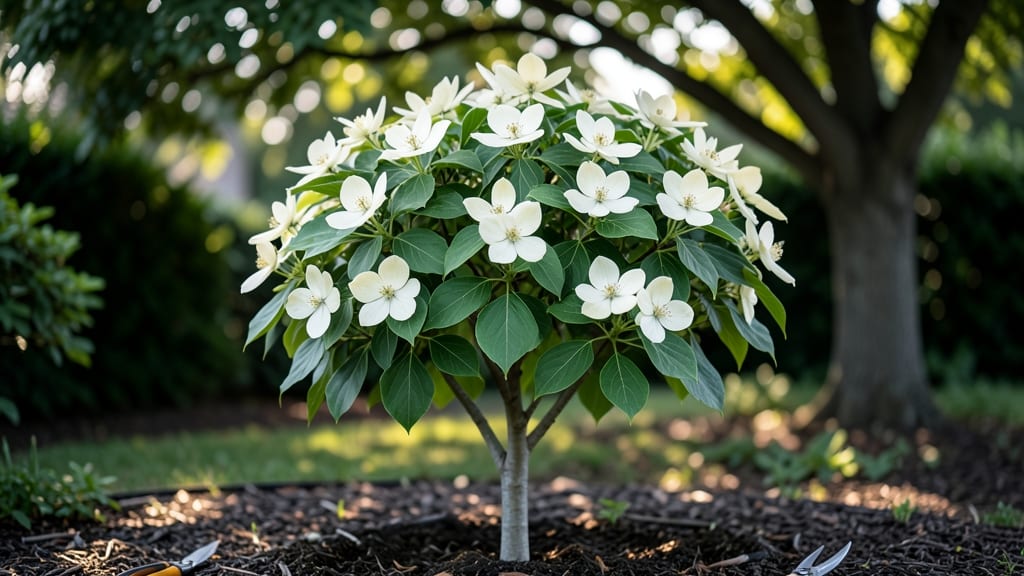
Those early green flower buds on dogwood trees hold the secret to year-round blooms—if you know how to nurture them. 🌿 I’ve learned the hard way that most gardeners mistake those buds for leaves, pruning them away before they ever bloom.
The truth? Dogwoods reward patience with stunning spring flowers and vibrant fall foliage when you protect those delicate green clusters.
Dogwoods thrive in partial shade with moist, well-draining soil—think woodland edges, not full sun. My first dogwood nearly died after I planted it in a hot, dry spot; now it’s the showstopper of my garden.
Water deeply once a week (more in summer), and mulch to keep roots cool. The key? Prune after blooming—never in late winter, when those buds are most vulnerable.
What you’ll get is a tree that blooms reliably for decades, with fewer pests and stronger branches. Those green buds will swell into pink or white flowers by spring, and the foliage turns fiery red in fall.
The trade-off? It takes 3-5 years for young trees to mature enough to bloom heavily—but the wait is worth it.
Works for cornus florida (southern dogwood) and cornus kousa (Kousa dogwood), though the latter handles heat better. If your tree isn’t blooming, check your pruning timing—that’s the #1 mistake. Let’s fix it before next spring.
📚 In This Guide
- What you need
- Instructions
- Tips and common mistakes
- Wrapping up and next steps
What you need
- ● Dogwood plants (choose Cornus florida for classic blooms or Cornus kousa for larger flowers): 1-3 mature plants (for established gardens)
- ● 5-10 young nursery-grown plants (for new plantings)
- ● Well-draining soil (pH 5.0–6.5): 50% native topsoil
- ● 30% compost or aged manure
- ● 20% perlite or sand (for drainage)
- ● Mulch (2–4 inches of organic mulch like wood chips or pine straw)
- ● Slow-release fertilizer (10-10-10 or 5-10-5, 1 lb per 100 sq ft)
- ● Bypass pruners (sharp, clean, and sterilized with rubbing alcohol)
- ● Loppers (for thicker branches, 10–14-inch reach)
- ● Hand pruners (for precision trimming, ergonomic grip)
- ● Garden gloves (cut-resistant for safety)
- ○ Disinfectant spray (optional but recommended for preventing disease)
- ● Soil moisture meter (to monitor watering needs)
- ● Epsom salt (for magnesium boosts, 1 tbsp per gallon of water)
- ● Floral wire or twine (for shaping branches)
- ● Plant support stakes (if growing Cornus kousa varieties)
Step-by-Step guide to pruning dogwood for year-round green blooms
Here’s how to coax vibrant, continuous foliage from your dogwood using science-backed pruning.
✂️ Step 1: Prune for Airflow and Light in Early Spring
Start in late February to early March when buds swell but before new growth begins. Remove 30% of the oldest stems—these are the thick, woody branches crowding the center. Cut back to the ground or to a strong outward-facing bud. You’re opening the canopy so sunlight reaches inner branches, which is where those lush green blooms thrive.
Look for branches that cross or rub against each other—these create wounds where disease lurks. Thin these out first. I like to make my cuts just above a leaf node (the bump where leaves attach) at a 45-degree angle to shed water. Use clean, sharp pruners to avoid tearing bark, which invites pests.
🌿 Step 2: Deadhead Spent Blooms Mid-Season
After your dogwood’s spring display fades, don’t let those spent flower heads turn into seed pods. Snip them off every 2-3 weeks from June through August. This redirects the plant’s energy from seed production to leaf growth, keeping your foliage dense and vibrant.
Here’s the trick: Cut just above the next set of leaves (usually ¼ inch above a leaf node). Avoid leaving stubs—this prevents rot and keeps the plant tidy. If you see any yellowing leaves mid-season, that’s your cue to check for powdery mildew. Prune those infected leaves immediately and space out watering to dry foliage faster.
☀️ Step 3: Lighten the Canopy in Late Summer
By mid-August, your dogwood’s growth slows as it prepares for winter. This is your chance to thin the top layer by 10-15%. Focus on the uppermost branches—these cast shade on lower leaves, causing them to yellow and drop. Selectively remove 2-3 of the longest branches each year to maintain an open, airy shape.
Step back and visualize the plant’s silhouette. You want sunlight to reach at least 60% of the foliage from top to bottom. If you see bare spots on the trunk, that’s a sign you’ve pruned too aggressively in past years. Dogwoods are forgiving, but they need 3-5 years to recover from heavy cuts. I always err on the side of caution—better to leave a few extra leaves than over-prune.
⏰ Step 4: Winter Pruning for Next Year’s Growth
Wait until dormant season (after the first hard frost, around December) to do your final shape-up. Remove any dead, diseased, or weak branches first—these stand out as brown or shriveled wood. Then, trim back any branches that grew too long in the previous season to maintain balance.
This is also when you reshape the plant for next year’s blooms. Dogwoods bloom on new wood, so pruning now won’t affect spring flowers. Instead, you’re setting up stronger branches for bigger, greener foliage. Make your cuts just above a bud that faces outward—this encourages growth away from the center, preventing future crowding.
Tips & tricks for perfect dogwood green blooms
Took me years of trial and error to figure out these pruning secrets—here’s how to keep your dogwood lush and vibrant all year.
Timing is Everything: That late February to early March window for Step 1 is crucial because it's when your dogwood's buds are just waking up but haven't started growing yet. I've learned the hard way that pruning too early can damage dormant buds, while waiting too long risks encouraging new growth that might get nipped by late frosts. Mark your calendar for the first warm day above freezing—this is your cue to start.
Tool Technique: Your pruners are your most important tool—keep them sharp and clean! I sterilize mine with rubbing alcohol between cuts to prevent spreading disease. For Step 1, make your cuts at a 45-degree angle just above a leaf node. This angle helps water run off the cut, preventing rot. If you're working with larger branches, consider using loppers for cleaner cuts, especially when removing those 30% of oldest stems.
Visual Cues for Pruning: When deadheading in Step 2, look for the "next set of leaves" as your guide—this is usually about ¼ inch above where the flower stem meets the branch. For Step 3, step back and visualize sunlight reaching all the way to the bottom of your tree. If you can see bare spots on the trunk, that's your sign you need to thin more branches. Think of your dogwood like a canopy—you want sunlight to filter through evenly, not just hit the top layer.
Seasonal Checklist: Create a simple seasonal pruning checklist: Spring (remove 30% oldest stems), Summer (deadhead every 2-3 weeks), Late Summer (thin top layer), Winter (reshape). I keep mine posted near my gardening tools as a reminder. Each season builds on the last—skipping one can lead to that "brown patch" look in your foliage. The key is consistency over the years, not aggressive pruning in one season.
Pro Tips for Dogwood Green Flowers
- Took me years of trial and error to figure out these pruning secrets—here’s how to keep your dogwood lush and vibrant all year.
- Timing is Everything: That late February to early March window for Step 1 is crucial because it's when your dogwood's buds are just waking up but haven't started growing yet.
- Tool Technique: Your pruners are your most important tool—keep them sharp and clean!
Frequently asked questions
Got questions about nurturing those stunning dogwood green flowers? You’re not alone! Here are answers to the most common curiosities—from timing tricks to troubleshooting tips.
When do dogwood green flowers actually bloom?
Dogwoods typically bloom in late winter to early spring (February–April), but some varieties—like Cornus florida—may produce green bracts (the "flowers") as early as January. Cool weather enhances their vibrancy, while heat can delay or fade them. Pruning in late summer ensures robust blooms the next season!
Why aren’t my dogwood’s green flowers opening?
If your dogwood’s bracts stay green or look wilted, check these fixes:
- Light: Dogwoods need partial shade (6+ hours of sun). Too much sun = scorched bracts.
- Water: Drought stress causes premature drop-off. Water deeply 1–2x/week in dry spells.
- Age/Health: Young trees (<3 years) or nutrient-deficient soil may skip blooms. Test soil pH (ideal: 5.5–6.5) and amend with compost.
Can I prune dogwoods with green flowers already on the tree?
Yes, but timing is critical! Prune after blooming (late spring) to avoid cutting off next year’s flower buds. For shaping, remove dead or crossing branches first, then trim 1/3 of the oldest stems to encourage new growth. Never prune in fall—it invites disease like anthracnose.
What’s a good alternative if dogwood green flowers don’t thrive in my climate?
If your zone is too hot/dry (e.g., USDA 8+), try these low-maintenance bloomers with similar spring flair:
Yellowing leaves (chlorosis) usually mean:
Bonus: These thrive in partial shade and handle heat better than dogwoods!
Why do my dogwood leaves turn yellow after the green flowers fade?
Quick test: Scratch a leaf—if yellow veins show, it’s a nutrient issue. Brown veins? Likely fungal.
Wrapping up and next steps
From selecting the right dogwood green flowers to mastering pruning techniques and troubleshooting common issues, you now have all the tools to cultivate a stunning, year-round display! 🌿 With patience and care, your dogwoods will thrive, rewarding you with vibrant blooms and lush foliage.
Ready to take the next step? Start by observing your plants this season—note their growth patterns, bloom cycles, and any adjustments needed for optimal health. Happy gardening!