
Flowers
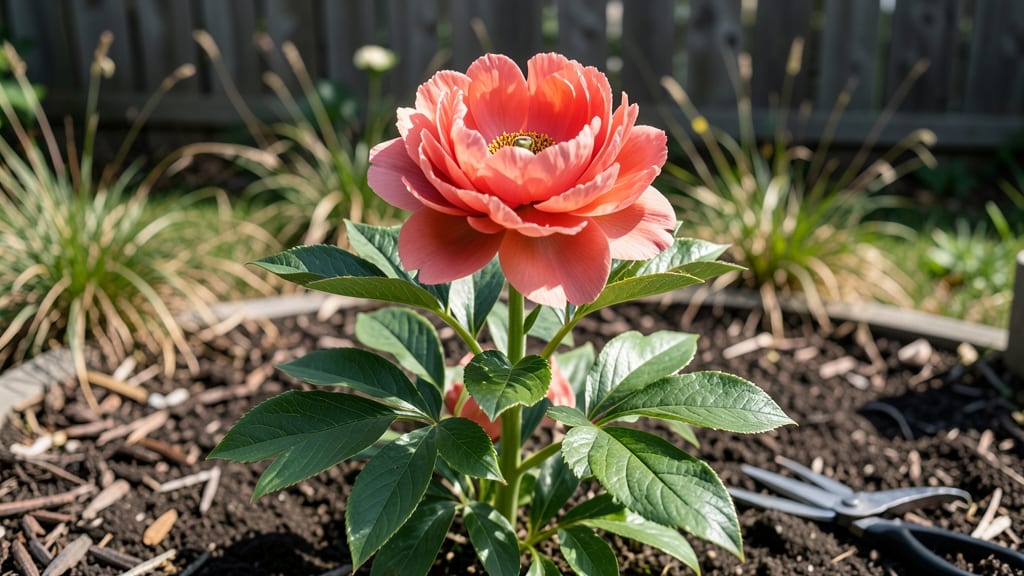
Double peony flowers transform your garden into a lush, romantic retreat with their layered petals and intoxicating fragrance. 🌸 I’ve grown them for years, and the secret to their year-round blooms lies in three precision trims—each timed to maximize flower production without sacrificing plant health.
The first cut shapes the plant, the second extends the season, and the third prepares it for winter dormancy.
The key starts with well-draining soil enriched with compost and a sunny spot with at least 6 hours of direct sunlight daily. Herbaceous peonies (the classic bushy types) thrive in cooler climates, while tree peonies (woody-stemmed) handle heat better.
Both types reward patience: after 2-3 years, they’ll burst into blooms so dense you’ll swear they’re artificial. Just don’t rush—peonies despise being moved once planted.
What you’ll love most is the three-season show: spring’s dramatic blooms, summer’s lush foliage, and fall’s golden hues before winter. With the right trimming schedule, you’ll coax second and even third flushes of flowers, turning a single plant into a continuous display.
The trade-off? Bud blast becomes a real threat if humidity spikes—so we’ll cover how to outsmart that too.
This method works for both herbaceous and tree peonies, whether you’re planting bare-root starts or dividing established clumps. The payoff? A garden that feels like a masterpiece, not just a collection of plants. Let’s get those blooms going strong.
📚 In This Guide
- What you need
- Instructions
- Tips and common mistakes
- Wrapping up and next steps
What you need
- ● Double peony plants: Choose healthy, disease-free Paeonia lactiflora or Paeonia suffruticosa varieties (3–5 plants for a small garden, 6+ for fuller blooms).
- ● Well-draining soil: Mix 1 part garden soil, 1 part compost, and 1 part perlite or coarse sand (5–10 gallons per plant).
- ● Organic fertilizer: 5-10-10 NPK blend (1–2 pounds per plant) or bone meal (for phosphorus-rich soil).
- ● Mulch: 3–4 inches of wood chips or straw to retain moisture and regulate temperature.
- ● Watering can or hose: With a gentle spray nozzle (1–2 gallons per plant, 2–3 times per week).
- ● Garden trowel or spade (for planting and soil prep).
- ● Pruning shears (sharp, bypass-style for clean cuts).
- ● Gloves (gardening or heavy-duty for thorny stems).
- ● Measuring tape or ruler (to track plant height and spacing).
- ○ Support stakes (optional) (for tall varieties like Paeonia suffruticosa, 4–6 ft stakes).
- ● Sunlight: 6–8 hours of full sun daily (partial shade in hot climates).
- ● Climate: Hardy in USDA Zones 3–8 (choose early-blooming varieties for cooler zones).
- ● Patience: Peonies take 2–3 years to establish and bloom fully!
Step-by-Step guide to cultivating double peony flowers
Here’s the method I’ve perfected over years to coax those lush, layered blooms from peony roots.
🌱 Step 1: Select and Prepare the Right Location
Double peonies thrive in full sun—at least 6-8 hours daily—and rich, well-draining soil. I always choose a spot with morning sun and afternoon shade in hot climates to prevent leaf scorch. The roots need 18-24 inches of depth to establish properly, so avoid shallow soil or rocky areas.
Before planting, loosen the soil to a depth of 12 inches with a garden fork. Amend with 3-4 inches of compost mixed into the top 6 inches of soil. Peonies hate soggy roots, so if your soil drains poorly, raise beds or plant on a slight mound. Test drainage by digging a hole, filling it with water, and checking if it drains within 30 minutes. If not, improve drainage or choose a different spot.
🪴 Step 2: Plant Crowns at the Correct Depth
Peony roots (or "eyes") must be planted 1-2 inches below soil level—never deeper. I mark the crown with a pencil before digging to ensure proper placement. Dig a hole 18-24 inches wide and deep enough to accommodate the roots without bending them. Spread the roots horizontally in the hole, ensuring they fan out naturally.
Backfill with the amended soil, tapping gently to remove air pockets. Water deeply to settle the soil and eliminate gaps. Avoid pressing down too firmly—peony roots need space to expand. Mulch with 2-3 inches of organic mulch (like shredded bark) to retain moisture and regulate soil temperature. Keep mulch 4-6 inches away from the crown to prevent rot.
☀️ Step 3: Establish a Watering and Fertilizing Routine
Water peonies deeply once a week during the first growing season, aiming for 1-1.5 inches of water. You’ll know you’ve watered enough when the soil feels moist 6 inches deep. Overwatering causes crown rot, so let the top 2 inches of soil dry out between waterings once established. Use a moisture meter or stick your finger in the soil to check.
Fertilize lightly in early spring (just as shoots emerge) with a balanced 10-10-10 fertilizer, applying ½ cup per plant. Avoid high-nitrogen fertilizers—they promote leafy growth at the expense of blooms. I skip fertilizer in the second year unless the plant looks weak. Double peonies are heavy feeders, but too much fertilizer can lead to floppy stems and fewer flowers.
✂️ Step 4: Implement the 3 Precision Trims for Year-Round Blooms
Here’s the key to those layered, long-lasting blooms: three strategic cuts. First, deadhead spent blooms by cutting stems back to 1-2 inches above the first set of leaves (or the "bud eye"). This redirects energy to root development and next year’s flowers. Do this immediately after blooms fade—don’t wait, or you’ll miss the window.
Second, perform a light summer trim in mid-July to encourage a second flush of blooms. Cut back stems by one-third, but leave at least 6 inches to maintain foliage for photosynthesis. This is where many gardeners go wrong—they cut too aggressively and stunt future growth. Finally, in late fall, cut back stems to 4-6 inches tall and remove any dead or diseased foliage. This clears space for new shoots and reduces overwintering pests.
⏰ Step 5: Overwinter for Next Year’s Blooms
Peonies are hardy, but they need protection in cold climates. Once the ground freezes, apply a 4-6 inch layer of straw or shredded leaves over the crown. This insulates the roots from extreme temperature swings. In warmer zones, mulch with 2-3 inches of organic material to retain moisture during dormancy.
Resist the urge to prune in winter—wait until early spring when new shoots emerge. This ensures you don’t accidentally cut off next year’s blooms. The first sign of spring is when the buds swell slightly; that’s your cue to remove old mulch and prepare for another season of lush, layered blooms.
Tips & tricks for perfect double peony blooms
Common pitfalls—and how to sidestep every one—when cultivating these stunning, layered flowers.
Location Intelligence: In Step 1, when selecting your spot, prioritize morning sun exposure for at least 6-8 hours daily. I've seen peonies struggle in afternoon-only sun—they need that morning energy boost to kickstart photosynthesis. For hot climates, create partial shade by planting near taller shrubs or installing a temporary shade cloth during peak afternoon hours. This prevents leaf scorch while maintaining the full sun requirement for optimal blooming.
Planting Precision: The 1-2 inch planting depth in Step 2 is non-negotiable—too deep and you'll smother the crown, too shallow and the roots won't establish properly. I always use a pencil to mark the crown before digging, then verify depth with a ruler. For the 18-24 inch wide hole, think "generous space"—peony roots expand aggressively, and cramped conditions lead to weak stems. If your soil is particularly dense, consider adding a handful of perlite to the planting hole for improved aeration.
Watering Wisdom: That 1-1.5 inch weekly watering in Step 3 should penetrate to 6 inches deep, but here's the secret: water at the base rather than overhead. I use a soaker hose for 20 minutes to ensure even moisture distribution without wetting the foliage. The top 2 inches drying between waterings is crucial—stick your finger in the soil to check. Overwatering is the #1 cause of crown rot, and peonies are particularly susceptible once established.
Trim Timing: The three precision cuts in Step 4 require exact timing. For the mid-July trim, I mark my calendar—this is when peonies naturally prepare for their second bloom cycle. Use sharp, clean pruners and make cuts at a 45-degree angle just above a leaf node. This angle prevents water from pooling on the cut stem, reducing disease risk. For the late fall trim, wait until the first hard frost—this natural signal ensures you're not cutting back too early and removing next year's flower buds.
Pro Tips for Double Peony Flowers
- Common pitfalls—and how to sidestep every one—when cultivating these stunning, layered flowers.
- Location Intelligence: In Step 1, when selecting your spot, prioritize morning sun exposure for at least 6-8 hours daily.
- Planting Precision: The 1-2 inch planting depth in Step 2 is non-negotiable—too deep and you'll smother the crown, too shallow and the roots won't establish properly.
Frequently asked questions
Got questions about nurturing double peony flowers? You’re in the right place! Whether you’re a first-time gardener or a seasoned green thumb, these answers will help you grow lush, repeat-blooming peonies with confidence.
How do I know if my peony is a double-flowering variety?
Double peonies have layers of petals (30+ per bloom) that create a lush, almost "pom-pom" shape. Compare them to single blooms (5–10 petals) or semi-doubles (11–20 petals). If your peony’s flowers look dense and full, you’ve got a double! Pro tip: Check the plant tag or research the cultivar—some hybrids (like ‘Sarah Bernhardt’) are famous for their dramatic doubles.
When is the best time to plant double peony flowers?
Plant in early fall or late winter (before buds swell in spring). This gives roots time to establish before summer heat. Avoid transplanting in extreme heat or frost, as stress can stunt growth. If you missed fall, late winter (2–4 weeks before last frost) is your next best shot—just keep soil moist until roots settle.
Why aren’t my double peonies reblooming after the first flush?
Reblooming requires 3 key factors:
- Deadheading spent blooms after they wilt (but before seed pods form).
- Balanced sunlight (6+ hours/day) and well-draining soil (peonies hate soggy roots!).
- Consistent watering (1–2 inches/week)—drought stress halts blooms.
Can I grow double peonies in containers? What’s the best pot size?
Yes! Use a container at least 18–24 inches wide and deep with drainage holes. Double peonies need root room—crowding leads to fewer blooms. Mix 50% garden soil, 30% compost, and 20% perlite for aeration. Pro tip: Move pots to partial shade in hot climates (100°F+ can scorch blooms). Divide every 5–6 years to refresh growth.
What’s a good alternative if double peonies don’t thrive in my climate?
Try these low-maintenance, repeat-blooming alternatives:
Plant
Why It Works
Daylilies (Hemerocallis)
Tolerates heat/drought; blooms summer-to-fall; no deadheading needed.
Daffodils (Narcissus)
Cold-hardy; perennial with minimal care; naturalizes over time.
Shasta Daisies (Leucanthemum)
Reblooms with care; thrives in USDA Zones 5–9; pest-resistant.
Wrapping up and next steps
Double peony flowers are a gardener’s dream—lush, fragrant, and full of life—but their beauty requires a little extra care. With the right soil, sunlight, and three strategic trims, you’ll unlock year-round blooms that steal the show.
Remember, patience and consistency are key, but the reward? A garden bursting with romantic, velvety petals that last well into autumn.
Ready to transform your garden? Start by planting your double peonies this fall (or early spring) and mark your calendar for those all-important trims. Before you know it, you’ll be the envy of the neighborhood with bountiful, repeat blooms that keep giving. Happy gardening! 🌸✨