
Flowers
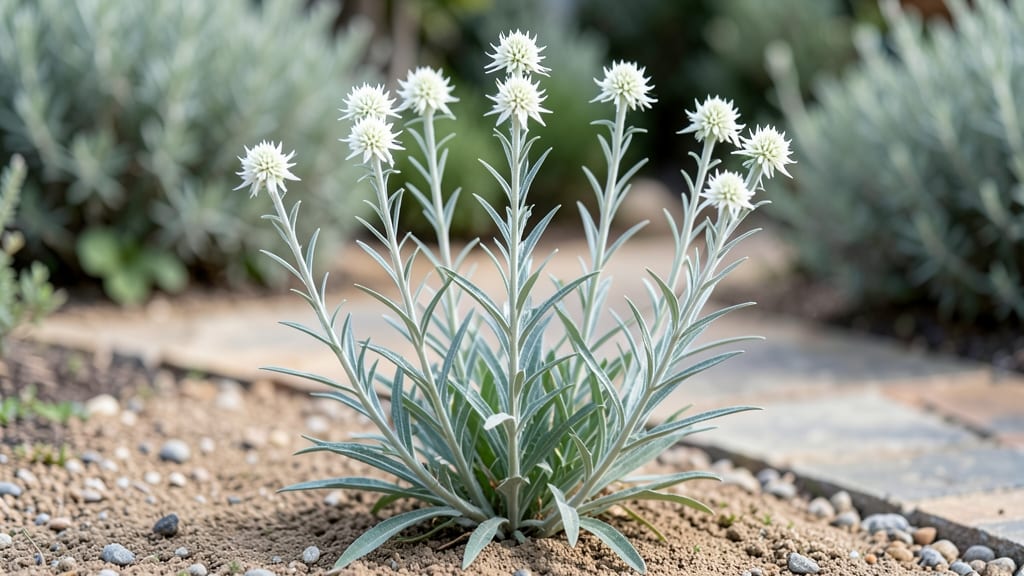
Cultivating those euphorbia with small white flowers feels like nurturing a delicate desert jewel in your garden—each bloom unfurling like a tiny burst of sunlight from early spring to fall. 🌵 The trick isn’t complicated—just replicate their natural habitat: bright light, fast-draining soil, and minimal fuss.
Most people overwater these plants, turning their crisp stems into sad, mushy messes. My euphorbias thrive on neglect—think once every 2-3 weeks in summer, almost nothing in winter. They’re perfect for sunny borders, rock gardens, or even container displays where their architectural forms shine.
The white blooms attract pollinators too, so you’ll see bees and butterflies hovering like they’ve discovered a secret buffet.
You’ll love how they multiply effortlessly—just snap off a stem and root it in fresh soil. Within weeks, you’ll have new plants ready to fill gaps or share with friends.
The only real enemy is overwatering, but once you get the rhythm, these plants reward you with year-round interest and almost no maintenance. Let’s get yours growing strong!
Bonus tip: Pair them with drought-tolerant companions like sedum or lavender for a low-water, high-impact garden combo. Your yard will look like a curated desert oasis without the travel hassle. Ready to try?
📚 In This Guide
- What you need
- Instructions
- Tips and common mistakes
- Wrapping up and next steps
What you need
- ● Euphorbia plant: A healthy Euphorbia variety (e.g., Euphorbia amygdaloides or Euphorbia characias) with small white blooms. Check local nurseries or online plant shops for young plants (3–5 inches tall).
- ● Well-draining soil: 1 bag (1–2 cubic feet) of cactus/succulent mix or amend garden soil with perlite or coarse sand (50/50 ratio) to prevent root rot.
- ● Pot or garden bed: For containers: 1–2 terracotta or fabric pots (8–12 inches in diameter) with drainage holes.
- ● For gardens: A sunny spot with 6+ hours of direct sunlight daily and loose, rocky soil.
- ● Drainage layer: Pebbles or gravel (1–2 inches) for pots to improve aeration.
- ● Gloves: A pair of gardening gloves (latex or nitrile) to handle milky sap safely.
- ● Trowel: 1 small hand trowel for planting.
- ● Watering can: A spray nozzle attachment to avoid overwatering.
- ○ Fertilizer (optional): 1 balanced succulent fertilizer (5-5-5 or 10-10-10, diluted to half-strength).
- ● Or compost (1 cup mixed into soil) for organic nutrition.
- ○ Mulch (optional): Gravel or decorative rocks to retain moisture and deter weeds.
- ○ Pruning shears (optional): For shaping or propagating in spring.
Step-by-Step guide for cultivating euphorbia with delicate white blooms
Here's how to coax vibrant, sun-loving euphorbias into full bloom year after year.
🪴 Step 1: Select the Perfect Container and Soil Mix
Choose containers with drainage holes—terracotta pots work best because they wick away excess moisture. Euphorbia roots rot quickly in soggy soil, so I always pair containers with a fast-draining cactus/succulent mix (never regular potting soil). Mix in 20% perlite or coarse sand to improve aeration further. The ideal blend should feel gritty when dry and barely hold moisture when squeezed.
Fill the container 1 inch below the rim with this mix, then tap gently on the table to settle it without compacting. Euphorbia needs loose soil to prevent crown rot—a common killer for beginners. If you're planting outdoors, amend native soil with 50% cactus mix and 50% perlite for the same effect.
☀️ Step 2: Position for Maximum Sunlight and Airflow
Euphorbia thrives in full sun (6+ hours daily)—place containers where they'll receive direct morning light and filtered afternoon sun if temperatures exceed 85°F. South-facing windows or outdoor patios work best. Without enough light, stems stretch leggy and blooms become sparse.
Space plants 12-18 inches apart to ensure airflow—crowding invites fungal diseases like powdery mildew. I always rotate containers quarter-turn weekly so all sides receive even light. Watch for yellowing leaves or stretched stems—these are clear signs your euphorbia needs more sun.
💧 Step 3: Master the Watering Routine for Year-Round Blooms
Water only when the top 2 inches of soil feel completely dry—this usually means every 7-10 days in summer, but every 3-4 weeks in winter. Euphorbia stores water in its stems, so overwatering causes root rot faster than underwatering. I use the "finger test"—stick your finger in the soil; if it's damp past the first knuckle, wait another day.
Water deeply at the base, avoiding leaves to prevent fungal spots. In winter, reduce watering to once a month or less, as growth slows. The key is consistency—euphorbia blooms best when watered on a schedule rather than sporadically. You'll know you're doing it right when stems stay firm and leaves remain plump.
✂️ Step 4: Prune and Fertilize for Continuous Flowering
After blooms fade, trim spent flower stalks back to the nearest leaf node with clean, sharp scissors—this encourages new growth. I also prune leggy stems in spring to maintain a compact shape. Euphorbia responds well to light pruning, but avoid cutting more than one-third of the plant at once, as this stresses the succulent.
Feed with a balanced, water-soluble fertilizer (10-10-10) diluted to half-strength every 4-6 weeks during spring and summer. Skip fertilizer in fall and winter—euphorbia stores nutrients and doesn't need extra inputs when dormant. You'll see healthier foliage and more frequent blooms within two feedings if the plant is otherwise happy.
⏰ Step 5: Overwinter for Next Season’s Blooms
When temperatures drop below 50°F, move euphorbia indoors near a sunny window or under grow lights. Reduce watering to once a month and stop fertilizing entirely. The plant enters dormancy naturally, so don’t panic if growth slows. Check for pests like mealybugs—a common winter issue—and wipe leaves with a damp cloth if needed.
In late winter (around February), resume watering and fertilizing to signal the plant it’s time to grow. You’ll notice new growth buds within 3-4 weeks—this is your cue to increase sunlight gradually. By spring, your euphorbia will be ready to bloom again, provided you’ve maintained its dry, sunny conditions all winter.
Tips & tricks for perfect euphorbia care
These sun-loving succulents reward patience with year-round blooms—here's how to keep yours thriving.
Soil Texture Matters: The fast-draining mix in Step 1 is non-negotiable—euphorbia roots literally suffocate in regular potting soil. I've seen crown rot develop within days when people skip the perlite or sand. Test your mix by squeezing it: it should barely hold moisture when pressed. For outdoor plantings, that 50/50 ratio of cactus mix to perlite creates the perfect drainage while retaining just enough moisture for those delicate white blooms.
Light Positioning Secrets: That 6+ hours of sun in Step 2 isn't just about quantity—it's about quality. I've noticed my euphorbias bloom most prolifically when they get direct morning sun (which is intense) paired with filtered afternoon light (especially when temperatures exceed 85°F). If you're using a south-facing window, rotate your plant weekly so all sides get equal exposure. The plants will tell you when they're happy: firm stems and vibrant leaves mean you've got the light right.
Watering Consistency Wins: The finger test in Step 3 is your best friend—literally. I've ruined more euphorbias through overwatering than anything else. Remember, these plants store water in their stems, so they'd rather you underwater slightly than overdo it. In summer, I set a reminder every 7 days to check that top 2 inches of soil. In winter, I reduce to monthly watering and watch for those telltale signs of dehydration: wrinkled leaves or stems that feel soft when pressed.
Pruning Precision: When you're trimming those spent blooms in Step 4, cut back to the nearest leaf node—this is where new growth will emerge. I've made the mistake of cutting too far back, which stresses the plant. For leggy stems, I only prune back about one-third at a time. And here's a pro tip: save those pruned stems! Place them in dry soil—they'll often root and grow into new plants. Just be careful with the milky sap, which can irritate skin.
Pro Tips for Euphorbia Small White Flowers
- These sun-loving succulents reward patience with year-round blooms—here's how to keep yours thriving.
- Soil Texture Matters: The fast-draining mix in Step 1 is non-negotiable—euphorbia roots literally suffocate in regular potting soil.
- Light Positioning Secrets: That 6+ hours of sun in Step 2 isn't just about quantity—it's about quality.
Frequently asked questions
Got questions about growing Euphorbia with its charming small white flowers? You’re not alone! Here are answers to the most common queries—from care tips to troubleshooting—to help your succulent thrive.
How do I encourage more white flowers on my Euphorbia?
To boost blooms, ensure your plant gets bright, direct sunlight (6+ hours daily) and well-draining soil. Prune leggy stems in early spring to redirect energy. Fertilize lightly with a succulent-specific feed in spring/summer—but avoid overdoing it! Patience is key; some varieties bloom year-round, while others need seasonal triggers like temperature shifts.
Can Euphorbia with small white flowers survive winter?
Most Euphorbia varieties are hardy to USDA zones 9-11, but they’ll need protection in colder climates. Move potted plants indoors near a sunny window or wrap outdoor plants in burlap to shield from frost. If temps dip below 20°F (-7°C), expect leaf drop—but the roots often recover with spring warmth. Pro tip: Reduce watering in winter to prevent rot!
Why are my Euphorbia’s leaves turning yellow or mushy?
Yellowing or mushy leaves usually signal overwatering or poor drainage. Let soil dry completely between waterings (stick your finger in—if it’s damp, wait!). Ensure pots have drainage holes and use a cactus/succulent mix. If the issue persists, check for root rot by gently removing the plant and trimming affected roots with sterilized scissors.
What are some low-maintenance alternatives to Euphorbia with white flowers?
If Euphorbia feels too fussy, try these sun-loving, drought-tolerant plants with white blooms:
- Portulaca (Moss Rose): Thrives in heat, blooms all summer, and loves sandy soil.
- Sedum (Stonecrop): Hardy, succulent-like, and produces clusters of tiny white flowers.
- Lantana: Drought-resistant with fragrant white/yellow blooms (great for pollinators!).
- Gaura (Whirling Butterflies): Airy stems and white flowers that dance in the breeze.
Is Euphorbia toxic to pets or kids?
Yes! All parts of Euphorbia contain milky sap, which is toxic if ingested and can cause skin irritation or stomach upset. Keep it out of reach of pets and children. Wear gloves when handling (the sap can irritate skin) and wash your hands thoroughly after pruning. Opt for pet-safe alternatives like Haworthia or Echeveria if you’re concerned.
Wrapping up and next steps
Growing Euphorbia with small white flowers is a rewarding journey that brings year-round beauty to your garden with minimal effort! Whether you're a seasoned gardener or just starting, these sun-loving succulents thrive in diverse conditions—just remember their need for well-draining soil and bright light. 🌞
Ready to level up your landscape? Start by selecting your favorite variety, gather the right tools, and plant with confidence. Before you know it, your garden will be a vibrant display of euphorbia’s delicate white blooms—a true low-maintenance stunner! 🌸
Next step: Pick a sunny spot, prep your soil, and watch your euphorbia flourish!