
Flowers
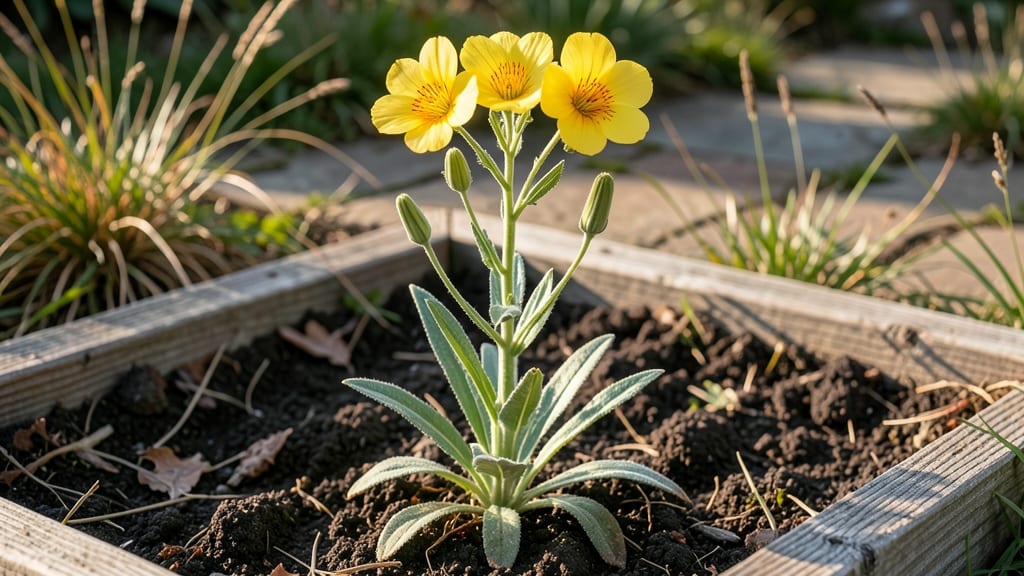
Proper evening primrose flower care starts with full sun and well-drained soil—the secret to those golden blooms that burst open at dusk. 🌙 I learned the hard way that partial shade means fewer flowers and leggy stems, but once I moved mine to a sunny spot, they exploded with color.
The secret isn't just sunlight—it's matching watering to their drought-tolerant roots while keeping the soil loose enough to prevent rot.
You'll need 6+ hours of direct sun daily, sandy or loamy soil, and minimal fuss once established. Most gardeners overwater these tough perennials, but evening primrose actually prefers dry spells—just keep them moist for the first month after planting.
The blooms, which last just one night, are worth the wait, and the plants spread easily, filling gaps without crowding neighbors.
By midsummer, you'll have a sea of fragrant, velvety petals that attract pollinators at twilight. The real magic happens in late summer when the foliage turns golden before winter.
Prune back dead stems in early spring, and you'll get a second flush of blooms—no fertilizers needed. Even in tough climates, these plants bounce back with minimal care.
Works beautifully in wildflower meadows, cottage gardens, or even containers. Here's how to keep them thriving through every season—without the guesswork. Let's get those blooms popping!
📚 In This Guide
- What you need
- Instructions
- Tips and common mistakes
- Wrapping up and next steps
What you need
- ● Evening primrose seeds – Choose heirloom or organic seeds for best results (1–2 oz per 10 sq ft).
- ● Well-draining potting mix – A blend of 60% garden soil, 30% perlite, and 10% compost (10–15 lbs per 5-gallon container).
- ● Containers or garden bed – 6-inch-deep pots (for seedlings) or a sunny, open garden plot (minimum 18" spacing between plants).
- ● Watering can or hose with a gentle nozzle – For deep but controlled watering.
- ● Organic fertilizer – Balanced 10-10-10 or compost tea (1 tbsp per plant every 4–6 weeks).
- ● Pruning shears – For trimming spent blooms or leggy stems.
- ● Garden gloves – To protect hands from thorny stems.
- ● Mulch (straw or shredded leaves) – To retain moisture and deter weeds.
- ● pH test kit – To ensure soil is slightly acidic to neutral (6.0–7.0).
- ● Sunlight meter – To confirm 6+ hours of direct sun daily.
Step-by-step guide for thriving evening primrose plants
Here’s how to keep these delicate bloomers happy—sunlight, patience, and a few simple tricks.
🌱 Step 1: Plant in Well-Draining Soil with Full Sun
Evening primrose thrives in full sun—at least 6-8 hours daily. Choose a spot where it gets morning sun and afternoon shade if your climate is scorching. The soil must drain well; these plants hate soggy roots. Mix 1 part sand or perlite into your garden soil if it’s heavy clay. I dig a hole twice as wide as the root ball but only as deep—planting too deep buries the crown and causes rot.
Gently loosen the roots if they’re tightly bound, then place the plant in the hole. Backfill with soil, patting lightly to remove air pockets. Water deeply right after planting to settle the soil and encourage root spread. You’ll know it’s settled when the surface looks firm but not packed down like concrete.
☀️ Step 2: Water Deeply but Infrequently
Evening primrose is drought-tolerant once established, but young plants need consistent moisture. Water 1-2 times per week during the first growing season, giving 1 inch of water each time. Let the top 2-3 inches of soil dry out between waterings—this prevents weak stems and fungal issues. I check by sticking my finger in; if it feels dry at that depth, it’s time to water.
Once established, reduce watering to once every 10-14 days unless your area experiences extreme heat. Overwatering is the fastest way to kill these plants—yellowing leaves or wilting despite moist soil means you’re watering too often. Mulch with 2-3 inches of organic mulch (like straw or shredded leaves) to retain moisture and keep roots cool.
✂️ Step 3: Deadhead and Prune for Longer Blooms
Deadheading spent blooms encourages more flowers. Pinch off faded flowers at the base with your fingers or clean pruners. I do this every 2-3 days during peak bloom to keep the plant producing. If you miss a few, don’t stress—evening primrose is forgiving. Just remove any brown or damaged stems to redirect the plant’s energy.
In late fall or early spring, cut back the entire plant to 4-6 inches tall. This promotes bushier growth and prevents the plant from getting leggy. Wear gloves—evening primrose leaves can be slightly prickly. After pruning, give it a light fertilizer (like a balanced 10-10-10) to jumpstart new growth for the next season.
🪴 Step 4: Protect from Pests and Overwinter Correctly
Evening primrose attracts few pests, but watch for aphids or spider mites. Spray with a soapy water solution (1 tsp mild dish soap per quart of water) if you spot clusters of tiny bugs. Avoid chemical sprays—they can harm pollinators these flowers rely on. I usually only see pests if the plant is stressed from overwatering or poor drainage.
In colder climates, cut back dead foliage in late winter but leave the base. The plant is hardy and will regrow from the roots. In milder areas, it may stay green year-round. If you live in a zone with harsh winters, mulch heavily (up to 4 inches) to insulate the roots. You’ll see new shoots emerge in early spring—this is your sign the plant survived.
Tips & tricks for perfect evening primrose flower care
Here's what nobody tells you about keeping these sun-loving beauties thriving year after year.
Sunlight Strategy: The 6-8 hours of sunlight requirement is non-negotiable, but timing matters just as much. Plant your evening primrose where it gets morning sun (6-8 AM) and afternoon shade (especially in hot climates). I've seen these plants wilt dramatically when exposed to midday sun in summer—it's like they're getting sunburned. If you're in a particularly hot zone, consider a location with dappled shade during peak afternoon hours.
Soil Secret: That 1 part sand or perlite amendment is crucial, but don't stop there. I've found adding a handful of compost to the planting hole gives these plants an extra boost. The key is creating a soil mix that drains quickly but still holds enough moisture to prevent stress. After planting, press down gently around the base—this helps prevent air pockets that can cause root rot.
Watering Wisdom: The finger test for soil moisture is your best friend. When you're checking that top 2-3 inches, go a little deeper—about 4 inches down. If it's dry there, your plant needs water. I've ruined evening primrose plants by following the "topsoil is dry" rule too strictly. Also, water at the base rather than overhead—this prevents fungal issues and keeps the delicate blooms dry.
Pruning Precision: When you're cutting back to 4-6 inches in fall, think of it as giving your plant a haircut. Use clean, sharp pruners and make cuts just above a leaf node or bud. This encourages new growth from that exact spot. I've seen gardeners leave stubby stems, which can actually attract pests. Always wear gloves—those leaves might look soft, but they've got tiny prickles that can be surprisingly sharp.
Pro Tips for Evening Primrose Flower Care
- Here's what nobody tells you about keeping these sun-loving beauties thriving year after year.
- Sunlight Strategy: The 6-8 hours of sunlight requirement is non-negotiable, but timing matters just as much.
- Soil Secret: That 1 part sand or perlite amendment is crucial, but don't stop there.
Frequently asked questions
Got questions about keeping your evening primrose thriving? You’re not alone! Here are some of the most common concerns—plus quick, expert-backed answers to keep your blooms happy and healthy.
How much sunlight does an evening primrose really need?
Evening primroses are sun-lovers, but they’re flexible! Aim for 6–8 hours of direct sunlight daily for the best blooms. In hot climates, light shade in the afternoon prevents wilting. If your plant leans toward the light, it’s begging for more—just rotate the pot occasionally!
When is the best time to plant evening primrose?
Spring or early fall are ideal! Plant in spring after the last frost (soil temps should be above 50°F) or in early fall (6–8 weeks before your first frost). Avoid summer heat—transplanting then stresses roots. Pro tip: Soak seeds overnight before planting for faster germination!
Why are my evening primrose leaves turning yellow?
Yellow leaves usually mean overwatering or poor drainage. Let the top inch of soil dry out between waterings, and ensure pots have drainage holes. If leaves feel mushy, cut back on water. Brown edges? That’s often dryness or salt buildup—flush the soil with water to help!
Can I grow evening primrose in containers? What’s the best pot size?
Use a pot at least 12 inches wide and deep for one plant (they spread!). Choose containers with drainage holes, and mix in perlite or sand to improve soil aeration. Dwarf varieties like ‘Moonlight’ thrive in smaller pots (8–10 inches), while standard types need more space.
Are evening primroses prone to pests? How do I keep them safe?
Japanese beetles and aphids love them! Handpick beetles early or spray with soapy water (1 tsp mild soap per quart of water). For aphids, blast them off with a hose. Preventative tip: Plant near marigolds or basil to deter pests naturally. Healthy plants with good airflow resist attacks better!
Wrapping up and next steps
Caring for evening primrose flowers is simpler than you think—just a little sunshine, well-drained soil, and patience will reward you with stunning golden blooms that light up your garden at dusk! 🌅 Whether you’re a seasoned gardener or just starting out, these sun-loving beauties thrive with minimal fuss.
Now that you’re armed with the right knowledge, why not plant a few this weekend and enjoy the magic of their evening display?
Pro tip: Snap a photo of your first bloom and share it with fellow gardeners—your primroses will inspire others to try!