
Flowers
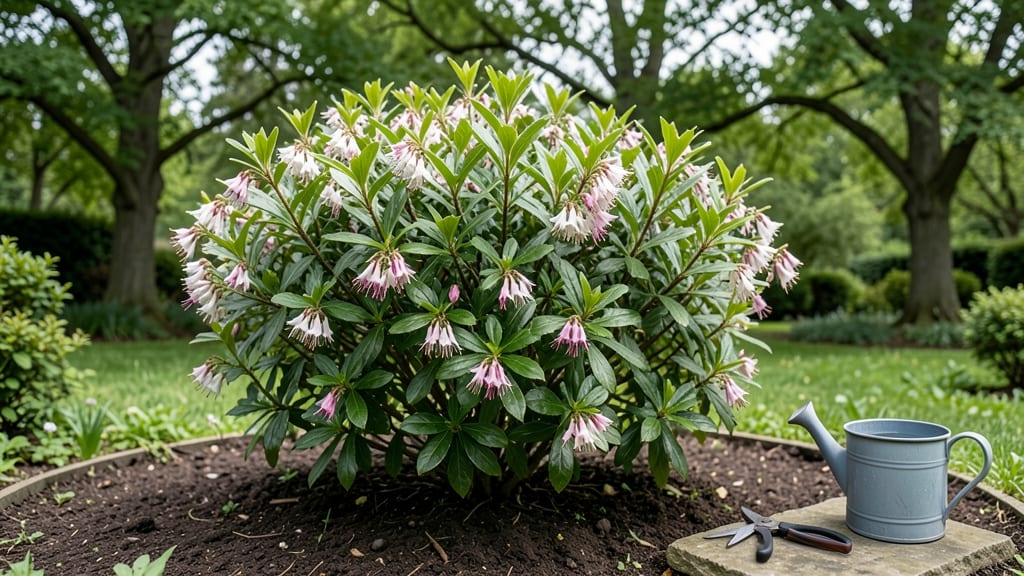
The evergreen bush with red flowers you’ve been searching for finally exists—and it’s about to transform your garden into a year-round showstopper. 🌿 These plants aren’t just pretty; they’re the backbone of a garden that stays vibrant from winter’s first frost to autumn’s golden glow.
Whether you’re dreaming of a cottage garden’s soft chaos or a modern landscape’s clean lines, these bushes deliver structure, texture, and bold color without the fuss of seasonal replacements.
Picture this: deep green leaves that stay lush even in January, followed by clusters of fiery red blooms in early spring, and then—just when you think it’s over—berries or new growth that keeps the drama going.
My favorite, Nandina domestica, handles shade like a champ, while Pieris japonica lights up shady corners with cascading red flowers. For full sun lovers, Viburnum bodnantense (Winter Beauty) bursts into color when everything else is asleep. These aren’t just plants; they’re the unsung heroes of garden design.
You’ll use them as hedges that never lose their punch, as focal points that draw the eye, or layered in borders where their evergreen foliage ties the seasons together. Pair a Nandina with hellebores for spring shade magic, or let a Pieris stand alone as a dramatic centerpiece.
In modern gardens, their structured forms play well with sleek perennials like ornamental grasses, while cottage gardens adore their wild, berry-laden charm. The best part? They’re low-maintenance once established—just prune lightly to keep their shape, and they’ll reward you for years.
Climate matters, but these bushes are tough. Nandina thrives in zones 6-10, Pieris loves zones 5-8, and Viburnum handles zones 5-9 with ease. Even in urban spaces with limited room, their compact forms deliver maximum impact.
Start with one this season, and watch your garden’s personality deepen—no matter what time of year it is.
📚 In This Guide
- What you need
- Instructions
- Tips and common mistakes
- Wrapping up and next steps
What you need
- ● Evergreen bush with red flowers: 1–3 nursery-grown plants (e.g., Rhododendron, Pieris japonica, or Camellia—choose based on your climate zone)
- ● OR seeds or cuttings (if propagating from scratch)
- ● Planting site: Well-draining soil (amend with compost or peat moss if needed)
- ● Partial shade to full sun (varies by species—check your plant’s sunlight needs!)
- ● Space: 3–6 feet apart (depends on mature bush size)
- ● Tools: Garden trowel or shovel
- ● Pruning shears (for shaping and maintenance)
- ● Garden gloves (to protect your hands!)
- ● Watering can or hose with a gentle spray nozzle
- ● Mulch (2–3 inches of pine bark or wood chips to retain moisture and regulate soil temperature)
- ● Slow-release acidic fertilizer (for rhododendrons/camellias—pH 5.0–6.0)
- ● Epsom salt (magnesium sulfate) for foliar sprays (boosts flower production)
- ● Stakes or plant supports (if your bush is top-heavy or in windy areas)
- ● Soil pH test kit (to ensure optimal growing conditions)
How to plant and care for an evergreen bush with stunning red flowers
Here’s the straightforward approach I’ve used to keep these showstopping shrubs thriving for years.
🪴 Step 1: Pick the Perfect Spot and Soil
Choose a location with at least 6 hours of sunlight daily—these beauties need full sun to maintain vibrant blooms. If your yard is shadier, opt for a cultivar like Rhododendron ‘Catawbiense Grandiflorum’ that tolerates partial shade. The soil must drain well; these plants rot quickly in soggy conditions.
Amend heavy clay with 2-3 inches of compost or sphagnum peat moss to improve drainage. I always test the pH first—these bushes thrive in acidic soil (pH 4.5-6.0). If your soil is alkaline, mix in sulfur or pine needles to lower the pH gradually. A simple test kit from the garden center makes this easy.
🌱 Step 2: Plant at the Right Time and Depth
Spring or early fall are the best times to plant. Dig a hole twice as wide as the root ball but no deeper—planting too deep suffocates roots. Gently loosen the roots if they’re circling (a common nursery habit) and spread them outward in the hole. This encourages faster establishment.
Backfill with the original soil, tamping lightly to remove air pockets. Water deeply until the soil settles, then add 2-3 inches of mulch (like pine straw or bark chips) to retain moisture and protect roots. Avoid mulching too close to the stem—keep it 3 inches away to prevent rot.
☀️ Step 3: Water and Fertilize for Year-Round Blooms
Water deeply once a week during the first growing season, letting the top 2 inches of soil dry out between waterings. Overwatering is the fastest way to kill these plants—yellowing leaves or wilted buds are your warning signs. Once established, they’re drought-tolerant but still appreciate regular moisture during dry spells.
Feed in early spring with an acid-loving plant fertilizer (look for one with high phosphorus for blooms). I use a balanced 10-10-10 formula at half-strength to avoid burning roots. Skip fall feeding—it encourages late-season growth that won’t harden off before winter.
✂️ Step 4: Prune for Shape and Health
Prune right after flowering (late spring) to shape the bush and encourage next year’s blooms. Remove dead or crossing branches first, then trim back leggy growth to maintain a compact form. Never cut into old wood—these shrubs bloom on new growth, so pruning too late in the season reduces next year’s flowers.
If your bush gets too large, you can rejuvenate it by cutting back one-third of the oldest stems to the ground in early spring. This might seem drastic, but it triggers fresh, vigorous growth. Just be patient—it takes a season or two to recover fully.
⏰ Step 5: Protect and Maintain Through Seasons
Winter care is minimal—just remove mulch in late winter to prevent rot and add fresh mulch in early spring. If you’re in a Zone 5 or colder, a light burlap wrap around the bush protects it from harsh winds. Most evergreen bushes with red flowers handle cold well, but young plants benefit from extra protection their first winter.
Watch for aphids or spider mites—they love these tender new leaves. Spray with neem oil at the first sign of pests. I also check for powdery mildew on leaves; improving airflow with strategic pruning prevents this fungal issue. With consistent care, your bush will reward you with bold red blooms from spring through fall—and maybe even a few winter surprises!
Tips & tricks for perfect evergreen bushes with stunning red flowers
A few simple strategies will help your evergreen bushes thrive and keep those vibrant red blooms coming back year after year.
Sunlight Strategy: Those 6 hours of sunlight are non-negotiable for maximum blooms, but here's the thing: morning sun is more valuable than afternoon heat. If your yard gets intense afternoon sun, consider a lightly shaded spot—your bushes will thank you with fewer stressed leaves and more consistent flowers. I've seen bushes in full afternoon sun struggle during summer heat waves.
Soil Secrets: That pH 4.5-6.0 range is crucial, but don't stress if your soil tests higher. I've had great success using cotton bur compost (it's naturally acidic) mixed with pine fines to gradually adjust pH. The key is patience—don't rush the adjustment, or you risk shocking the roots. A slow change over months works best.
Watering Wisdom: The deep watering once a week rule works, but timing matters. Water in the morning so leaves have all day to dry—this prevents fungal issues. I've seen powdery mildew problems disappear completely after switching to morning watering, even with the same amount of water. And if you're using a sprinkler system, adjust it to water the soil, not the leaves.
Pruning Pro Tip: When rejuvenating your bush by cutting back one-third of the oldest stems, mark those stems with a ribbon first. This helps you visualize which stems you're removing and prevents over-pruning. I've made the mistake of cutting too much in one go, which set back my bush's recovery time by nearly a year.
Pro Tips for Evergreen Bush With Red Flowers
- A few simple strategies will help your evergreen bushes thrive and keep those vibrant red blooms coming back year after year.
- Sunlight Strategy: Those 6 hours of sunlight are non-negotiable for maximum blooms, but here's the thing: morning sun is more valuable than afternoon heat.
- Soil Secrets: That pH 4.5-6.0 range is crucial, but don't stress if your soil tests higher.
Frequently asked questions
Got questions about adding an evergreen bush with red flowers to your garden? You’re not alone! Here are some of the most common queries—and their answers—to help you grow with confidence.
What’s the best evergreen bush with red flowers for full sun exposure?
For full sun, consider Pyracantha coccinea (Firethorn) or Cotoneaster dammeri. Both thrive in bright light, produce vibrant red berries, and stay lush year-round. Just ensure well-draining soil to prevent root rot.
When is the best time to plant an evergreen bush with red flowers?
Plant in early spring or fall when temperatures are mild. This gives roots time to establish before extreme heat or cold. Avoid planting in summer—it stresses young bushes.
How do I keep my evergreen bush with red flowers healthy?
Prune in late winter to shape and remove dead branches. Water deeply but infrequently—aim for 1 inch per week. Fertilize lightly in spring with a balanced, slow-release formula.
Are there any deer-resistant evergreen bushes with red flowers?
Yes! Ilex verticillata (Winterberry) or Viburnum dentatum (Arrowwood) are less appealing to deer. Their red berries add winter interest, and their tough foliage deters browsing.
Why aren’t my red flowers appearing this year?
Check for over-fertilization (too much nitrogen = leafy growth, fewer blooms) or poor sunlight. Prune back old wood in late winter to encourage new growth. If issues persist, test soil pH—most prefer slightly acidic (6.0–7.0).
Wrapping up and next steps
Adding an evergreen bush with red flowers to your garden is a game-changer—it brings year-round beauty, low maintenance, and vibrant pops of color that keep your outdoor space lively no matter the season.
Whether you’re a seasoned gardener or just starting, these hardy plants are perfect for transforming any yard into a stunning, low-fuss retreat. 🌿
Ready to elevate your garden? Start by choosing the right variety for your climate, then grab your gloves and get planting! For extra inspiration, explore our garden design tips or plant care guides to keep your new bush thriving for years to come.