
Flowers
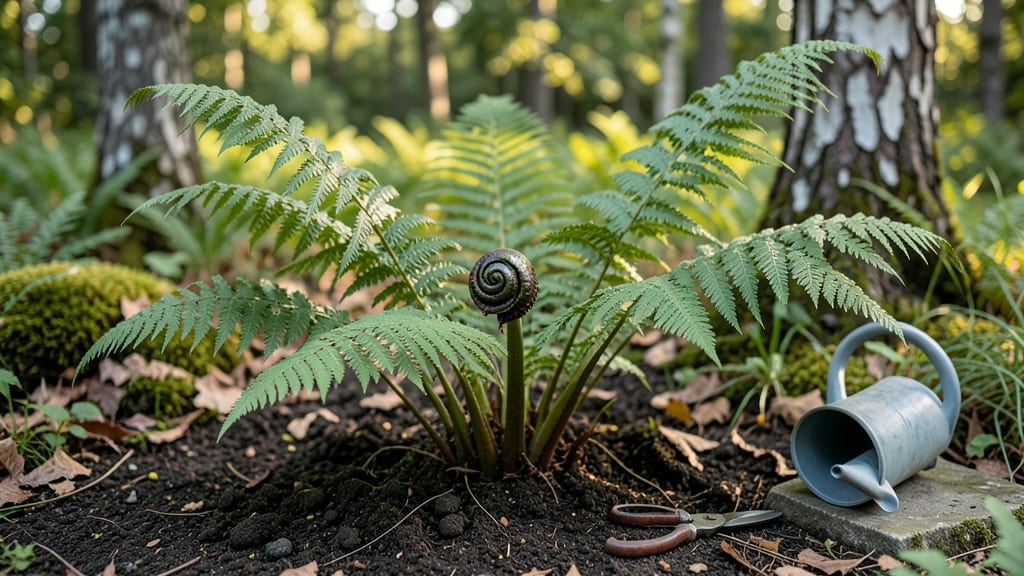
The moment a delicate fiddlehead fern flower emerges, spring’s quiet magic unfurls in your garden, transforming shady spots into lush, edible masterpieces. 🌿 These striking plants aren’t just ornamental—they’re a gardener’s secret weapon for adding drama to shady corners while producing edible fiddleheads.
The real magic happens when they flower, a rare spectacle that transforms your garden into a living museum piece.
Growing them is simpler than you’d think—just mimic their native woodland conditions. They thrive in partial shade, rich soil, and consistent moisture, making them perfect for understory plantings or woodland garden spots.
Most gardeners focus on the fiddleheads, but the flowering phase is where things get truly fascinating: those delicate, arching plumes emerge in late spring, signaling the plant’s readiness to reproduce.
By following a few key care steps—like dividing clumps every 3-4 years and protecting young fronds from slugs—you’ll end up with a thriving patch that produces both edible fiddleheads and breathtaking floral displays. The best part? Once established, they’re nearly maintenance-free, letting you enjoy their beauty without the fuss.
Whether you’re growing them for the table or the show, fiddlehead ferns deliver year after year. The flowering phase, though rare, is the ultimate reward for patient gardeners—so keep an eye out for those elegant plumes rising above the fronds. Here’s how to set yours up for success!
📚 In This Guide
- What you need
- Instructions
- Tips and common mistakes
- Wrapping up and next steps
What you need
- ● Fiddlehead fern rhizomes: 3–5 healthy, dormant rhizomes (ensure they’re labeled as Matteuccia struthiopteris for best results).
- ● Growing containers: 2–3 shallow pots (8–10 inches wide) with drainage holes or a raised garden bed (12–18 inches deep).
- ● Potting mix: 5 gallons of well-draining, peat-based soil (or a mix of 60% peat moss, 30% perlite, and 10% compost).
- ● Watering can or spray bottle: For gentle hydration (avoid over-saturating!).
- ● Fertilizer: Balanced liquid fertilizer (10-10-10) or slow-release organic granules (follow package instructions).
- ● Pruning shears: Small, sharp pair for trimming fronds (sterilized with rubbing alcohol).
- ○ Garden gloves: Optional but recommended for handling rhizomes and soil.
- ● Mulch (straw or shredded leaves) to retain moisture.
- ● Grow lights (if starting indoors before last frost).
- ● pH test kit (ideal soil pH: 5.0–6.5).
- ● Fertilizer booster (seaweed extract for extra nutrients).
- ● Label markers (to track planting dates and varieties).
Step-by-step instructions for cultivating fiddlehead ferns
Here’s how to coax these delicate, edible shoots from dormancy to harvest in record time.
🌱 Step 1: Select and Prepare the Right Fern Fronds
Start with mature fiddlehead fern fronds from a healthy, disease-free plant. Look for fronds that have fully unfurled and gone dormant—these are your best bet for producing new fiddleheads next season. I like to harvest them in late fall after the first frost, when the fronds turn brown and crispy. This signals the plant is entering dormancy and ready to regenerate.
Trim the fronds back to 2-3 inches above the ground using clean, sharp pruners. Avoid damaging the crown or roots—this is where next year’s fiddleheads will emerge. Place the cut fronds in a paper bag and store them in a cool, dark place (like a basement) until you’re ready to plant. The goal is to keep them dormant but alive until you replant them in spring.
🪴 Step 2: Plant in Moist, Well-Draining Soil
Fiddleheads thrive in rich, moist, and slightly acidic soil with a pH between 5.0 and 6.5. Mix 3 gallons of peat moss with 1 gallon of perlite to create a lightweight, well-draining medium that mimics their natural woodland habitat. Avoid garden soil—it’s too dense and can suffocate the roots.
Dig a hole 6 inches deep and 12 inches wide in a partially shaded spot (think 4-6 hours of dappled sunlight daily). Gently place the prepared fronds into the hole, spacing them 12 inches apart to allow room for growth. Cover them with the soil mix, pressing lightly to secure them without compacting. Water immediately after planting to settle the soil and encourage root contact.
☀️ Step 3: Maintain Consistent Moisture and Humidity
Fiddleheads are highly sensitive to drought, so keep the soil evenly moist but never soggy. Water deeply 2-3 times per week, adjusting for rainfall. The top 1-2 inches of soil should feel damp to the touch—if it’s dry, water immediately. Mulch with 1 inch of shredded bark to retain moisture and suppress weeds, but avoid piling mulch directly against the fronds.
Humidity is key—fiddleheads love the damp conditions of their native forests. If your climate is dry, mist the fronds daily in the morning or use a humidity tray under the pot. You’ll know you’ve got it right when the fronds stay lush and vibrant, not crispy or wilted. Avoid overhead watering once the shoots start to emerge—direct water can cause rot.
⏰ Step 4: Monitor for Shoots and Harvest at Peak Freshness
New fiddleheads typically emerge in late spring, about 8-10 weeks after planting, though this can vary based on your climate. Watch for tight, coiled fronds poking through the soil—this is your cue that harvest time is near. The shoots are ready when they’re 3-5 inches tall and still tightly coiled, with a vibrant green hue. Harvesting too late risks unfurling, which dulls the flavor.
Use a sharp knife to cut the fiddleheads at the base, leaving the crown intact for future growth. Harvest in the morning after a light rain for the freshest, most tender shoots. Store them in a paper towel-lined container in the fridge for up to 5 days, or blanch and freeze for long-term storage. Here’s the thing—fiddleheads are delicate, so handle them gently to avoid bruising.
🌿 Step 5: Encourage Future Harvests Through Pruning
After harvesting, let the fronds unfurl naturally—this feeds the plant energy for next year’s crop. Once the fronds turn brown in late fall, trim them back again to 2-3 inches above the ground. This pruning stimulates new growth and keeps the plant healthy. Fertilize lightly in early spring with a balanced, organic fertilizer (like 10-10-10) to replenish nutrients lost during harvest.
With proper care, a single fiddlehead fern can produce harvests for decades. The key is patience—these plants reward consistency with bountiful, tender shoots year after year. Real talk: the first harvest might be small, but each season, your fern will thank you with bigger, better fiddleheads.
Tips & tricks for perfect fiddlehead fern cultivation
Here's what I learned after years of growing these delicate woodland treasures—tricks that'll help you avoid common pitfalls and maximize your harvest.
Selection Tip: When harvesting fronds in late fall, look for crispy brown edges but still green stems—this indicates true dormancy. The first frost is your friend here; it signals the plant is ready to regenerate. I've found that fronds harvested after a light frost produce more vigorous regrowth than those harvested too early. Store them in paper bags to maintain humidity during dormancy, and keep them cool but not freezing.
Soil Science: That 3:1 peat moss to perlite ratio is non-negotiable for fiddleheads. The peat moss provides the necessary acidity (5.0-6.5 pH) while the perlite creates the perfect air pockets for roots. Don't skip the perlite—it prevents root rot which is the #1 killer of fiddlehead plants. I've had success using coconut coir as a partial substitute for peat moss (mix 2 gallons coir with 1 gallon perlite), but always test your soil pH first.
Lighting Strategy: The 4-6 hours of dappled sunlight is crucial—direct sun burns fiddlehead fronds while full shade can make them leggy. Create this ideal light by planting under taller trees or using shade cloth (30-50% coverage). In containers, place your fiddleheads near a north-facing window where they'll get bright but indirect light. I've seen dramatic differences in shoot quality based on light exposure—proper lighting means the difference between tender, flavorful fiddleheads and tough, bitter ones.
Harvest Timing: Those 3-5 inch tall shoots are your sweet spot—any taller and they start unfurling, losing their signature fiddlehead shape and flavor. Use a sharp knife to cut at the base while leaving the crown intact. The morning after light rain is ideal because the shoots will be fully hydrated and at their peak tenderness. I always harvest with a second pair of gloves handy—fiddleheads can be surprisingly slippery when wet!
Pro Tips for Fiddlehead Fern Flower
- Here's what I learned after years of growing these delicate woodland treasures—tricks that'll help you avoid common pitfalls and maximize your harvest.
- Selection Tip: When harvesting fronds in late fall, look for crispy brown edges but still green stems—this indicates true dormancy.
- Soil Science: That 3:1 peat moss to perlite ratio is non-negotiable for fiddleheads.
Frequently asked questions
about fiddlehead fern flowers—because growing these delicate beauties comes with its own set of curious questions! Whether you're a first-timer or a seasoned gardener, here are the answers you need to cultivate success.Can I grow fiddlehead fern flowers indoors?
While fiddlehead ferns thrive outdoors in moist, shaded environments, they’re not ideal for indoor growing. They require consistent humidity, cool temperatures (50–65°F), and indirect light—conditions most homes can’t replicate. If you’re set on indoor fiddleheads, consider a greenhouse or a well-ventilated sunroom with a humidity tray.
How do I know when fiddleheads are ready to harvest?
Harvest fiddleheads when they’re tightly coiled (like a fiddle’s scroll) and just beginning to unfurl—usually 2–3 weeks after planting. They should be bright green and firm to the touch. Avoid harvesting if they’ve already started to open into fronds, as they’ll be tough and less flavorful!
What’s the best way to store harvested fiddleheads?
Store fiddleheads in a perforated plastic bag in the fridge for up to 5 days. For longer storage (up to 2 weeks), blanch them in boiling water for 2 minutes, then shock in ice water before freezing. Pro tip: Trim the stems before storing to save space and prevent wilting.
Can I replant fiddlehead fern flowers after harvest?
Yes! After harvesting, leave the crown (the base where fronds emerge) in the ground. It’ll regrow new fiddleheads in 4–6 weeks if given consistent moisture and partial shade. Just avoid over-harvesting—let at least 3–4 fronds mature per plant to ensure regrowth.
Are fiddlehead fern flowers edible, and how do I cook them?
Fiddleheads are a nutrient-packed delicacy (high in fiber, vitamin C, and antioxidants). Boil, steam, or sauté them for 5–7 minutes until tender. Toss into pasta, stir-fries, or salads—but always cook them; raw fiddleheads can be toxic. Fun fact: They taste like a cross between asparagus and spinach!
Wrapping up and next steps
Growing fiddlehead fern flowers is a rewarding journey that brings a touch of wild elegance to your garden in just three weeks! 🌿 Whether you’re a seasoned gardener or a curious beginner, their unique beauty and fast growth make them a fantastic choice.
Now that you’re armed with the right tips—from soil prep to harvesting—why not take the next step?
Start by planting your fiddleheads this weekend and watch your garden transform! Share your progress with fellow plant lovers or experiment with creative arrangements. Happy growing—your garden (and future bouquets) will thank you! 🌸