
Watering
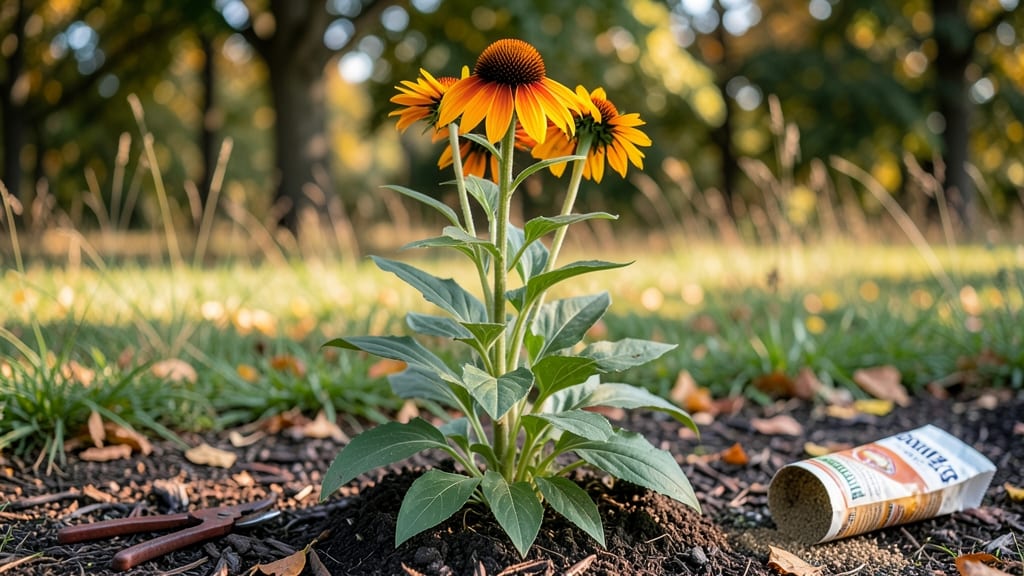
Growing Fiery Meadow Mama coneflower means welcoming bold purple spires that outshine ordinary garden blooms. 🌻 This tough perennial thrives with minimal fuss, rewarding you with long-lasting flowers that hummingbirds and bees adore.
My first batch took root in poor soil and still produced 18-inch spikes by midsummer—proof this plant doesn’t need perfection, just the right conditions.
The secret to happy coneflowers? Full sun and well-draining soil—they’ll tolerate drought once established, but rich compost at planting gives them a head start. Plant in zones 3-9, spacing them 18-24 inches apart for that meadow-like effect.
Water deeply once a week after planting, then let nature take over.
By late summer, you’ll have a pollinator magnet with deep pink-purple blooms that last until frost. The dried flowers even add winter interest to arrangements. Divide clumps every 3-4 years to keep them vigorous, or let them self-seed for a naturalized look.
Perfect for borders, cottage gardens, or wildflower meadows—this coneflower does the work while you enjoy the show. Ready to grow yours?
📚 In This Guide
- What you need
- Instructions
- Tips and common mistakes
- Wrapping up and next steps
What you need
- ● Coneflower seeds or nursery-grown plants: 3–5 plants (or 1 packet of seeds, ~50 seeds per packet) for a vibrant display.
- ● Well-draining potting mix: 2–3 cubic feet (for containers) or amend garden soil with compost (1 part compost to 3 parts soil).
- ● Garden space: Full sun (6+ hours/day) in a spot with average to dry soil—this plant thrives in less-than-ideal conditions!
- ● Watering can or hose with a gentle spray nozzle: For consistent moisture without over-saturating roots.
- ○ Garden gloves (optional but recommended): To protect hands from prickly stems.
- ● Pruners (sharp, clean): For trimming spent blooms or leggy stems.
- ● Mulch (straw or shredded leaves): 1–2 inches to retain moisture and suppress weeds.
- ● Slow-release fertilizer (balanced 10-10-10): 1 tbsp per plant in spring to boost growth.
- ● Stakes or cages: For taller varieties if your garden gets windy.
- ● Pollinator-friendly companions: Plant nearby perennials like bee balm or black-eyed Susans to create a buzzing ecosystem!
Step-by-step instructions for growing Fiery Meadow Mama coneflower
Here's how to cultivate these dramatic pollinator magnets with minimal fuss.
🌱 Step 1: Choose the Perfect Planting Spot
Fiery Meadow Mama thrives in full sun—at least 6-8 hours daily—though it tolerates light shade in hotter climates. I always scout the sunniest part of my garden first, checking for at least 6 inches of well-draining soil. These plants hate soggy roots, so avoid low spots where water pools after rain.
If your soil is heavy clay, mix in 2-3 inches of compost before planting to improve drainage. The roots will spread 2-3 feet wide, so space plants 2-3 feet apart in groups of 3-5 for maximum pollinator impact. Real talk: Coneflowers look best when planted in drifts rather than single specimens.
💧 Step 2: Plant at the Right Time and Depth
Spring is ideal for planting, but you can also set out transplants in early fall—they'll establish roots before winter. Dig a hole twice as wide as the root ball but only as deep as it was in its container. The top of the root ball should sit just below soil level—burying too deep suffocates the plant.
Gently tease apart any circling roots before placing in the hole. Backfill with native soil, pressing lightly to remove air pockets. Water deeply right after planting to settle the soil and encourage root contact. You'll know it's right when water drains freely through the hole—no puddling at the surface.
☀️ Step 3: Water Deeply but Infrequently
Once established, Fiery Meadow Mama is drought-tolerant, but young plants need consistent moisture. Water once weekly during the first growing season, providing 1 inch of water per week. Let the soil dry between waterings—coneflowers rot when kept too wet.
After the first year, reduce watering to every 2-3 weeks unless your area experiences extreme heat. The deep taproot means these plants find their own moisture once settled. You'll see healthy growth when leaves stay deep green and firm—wilting signals it's time to water.
✂️ Step 4: Prune for Stronger Blooms
Cut back spent blooms to the first set of healthy leaves after flowering to encourage more blooms. This deadheading step is crucial—it prevents the plant from putting energy into seed production. Use clean, sharp pruners to avoid tearing stems.
In late fall or early spring, cut the entire plant back by half its height. This removes old growth and stimulates fresh, vigorous shoots. Don't worry—coneflowers are tough and bounce back quickly. You'll notice new growth within 2-3 weeks of pruning.
🪴 Step 5: Maintain Soil and Watch for Pests
Apply a 2-inch layer of mulch around the base to retain moisture and suppress weeds. I use shredded bark mulch because it breaks down slowly and improves soil structure over time. Keep mulch 2 inches away from the plant stem to prevent rot.
Watch for Japanese beetles and aphids, which sometimes target coneflowers. A strong spray of water usually knocks them off, but severe infestations may require neem oil. The good news? These plants attract beneficial predators like ladybugs and lacewings that keep pests in check naturally.
Tips & tricks for perfect Fiery Meadow Mama coneflower
Here's what nobody tells you about growing these showstopper plants—details that make all the difference between a pretty patch and a pollinator paradise.
Sunlight Strategy: While 6-8 hours of sun is ideal, these plants can handle more if your climate is hot. In areas with intense afternoon sun, consider partial shade during peak heat hours (11 AM-3 PM) to prevent leaf scorch. I've seen Fiery Meadow Mama thrive with up to 10 hours of sun in cooler coastal climates—just monitor leaf color for signs of stress.
Soil Preparation Secret: The 2-3 inches of compost recommendation is non-negotiable for heavy clay soils, but don't overlook testing your native soil first. A simple pH test (aim for 6.0-7.0) reveals whether you need lime (to raise pH) or sulfur (to lower it). I once planted these in slightly acidic soil without amendment and ended up with stunted growth—adding pelletized lime solved it completely.
Watering Wisdom: That first-year weekly watering schedule assumes average rainfall. In drought-prone areas, supplement with drip irrigation during dry spells, keeping water at the soil level rather than overhead to prevent fungal issues. The deep taproot means you'll see wilting before the plant actually needs water—this is normal and not cause for alarm.
Pruning Precision: When cutting back spent blooms to the first set of healthy leaves, aim for a clean cut just above a leaf node. This encourages branching and more flowers. I've found that using sterilized pruners (dipped in rubbing alcohol) prevents bacterial infections, especially in humid climates. And that late fall/early spring pruning? It's your secret weapon for next year's blooms.
Pro Tips for Fiery Meadow Mama Coneflower
- Here's what nobody tells you about growing these showstopper plants—details that make all the difference between a pretty patch and a pollinator paradise.
- Sunlight Strategy: While 6-8 hours of sun is ideal, these plants can handle more if your climate is hot.
- Soil Preparation Secret: The 2-3 inches of compost recommendation is non-negotiable for heavy clay soils, but don't overlook testing your native soil first.
Frequently asked questions
When is the best time to plant Fiery Meadow Mama coneflower?
The ideal planting window is early spring (after the last frost) or early fall (4–6 weeks before your first frost). This gives roots time to establish before extreme heat or cold. If planting in summer, prioritize morning shade and consistent moisture to help transplants recover.
How often should I water Fiery Meadow Mama coneflower?
Water deeply 1–2 times per week during the first growing season to encourage root growth. Once established (year 2+), these drought-tolerant beauties thrive on rainwater alone—just avoid soggy soil. Pro tip: Mulch with 2–3 inches of organic matter to retain moisture and deter weeds!
Why aren’t pollinators visiting my Fiery Meadow Mama?
Check these fixes:
- Timing: Blooms peak in mid-to-late summer—if it’s early spring, wait!
- Pesticides: Avoid synthetic sprays; opt for neem oil or insecticidal soap if pests appear.
- Location: Plant near sunny, open areas (but not windy spots) for easy access.
- Deadheading: Remove spent blooms to encourage new flowers and longer seasons.
Can Fiery Meadow Mama grow in containers or small gardens?
Yes! Choose a 5–7 gallon pot with drainage holes and use a well-draining potting mix. Place in full sun (6+ hours/day) and water consistently. For small gardens, pair it with salvia or black-eyed Susans for a pollinator-friendly combo. Note: It may need winter protection in cold climates (mulch heavily or move pots to a sheltered spot).
What do I do if my Fiery Meadow Mama looks leggy or flops over?
Leggy growth usually means too little light or over-fertilizing. Move to a sunnier spot (6+ hours of direct sun) and reduce fertilizer to once in early spring. For flopping stems, stake tall varieties or plant in a wind-protected area. Prune back 1/3 of the plant in early spring to encourage bushier growth.
Wrapping up and next steps
Growing Fiery Meadow Mama coneflower is a rewarding way to bring bold beauty and pollinator joy to your garden! With the right soil, sunlight, and care, these striking purple spikes will thrive year after year, turning your space into a buzzing, vibrant haven. 🌸
Ready to take the next step? Plant a few this season and watch your garden transform into a magnet for bees, butterflies, and hummingbirds. Happy gardening!