
Companion Plants
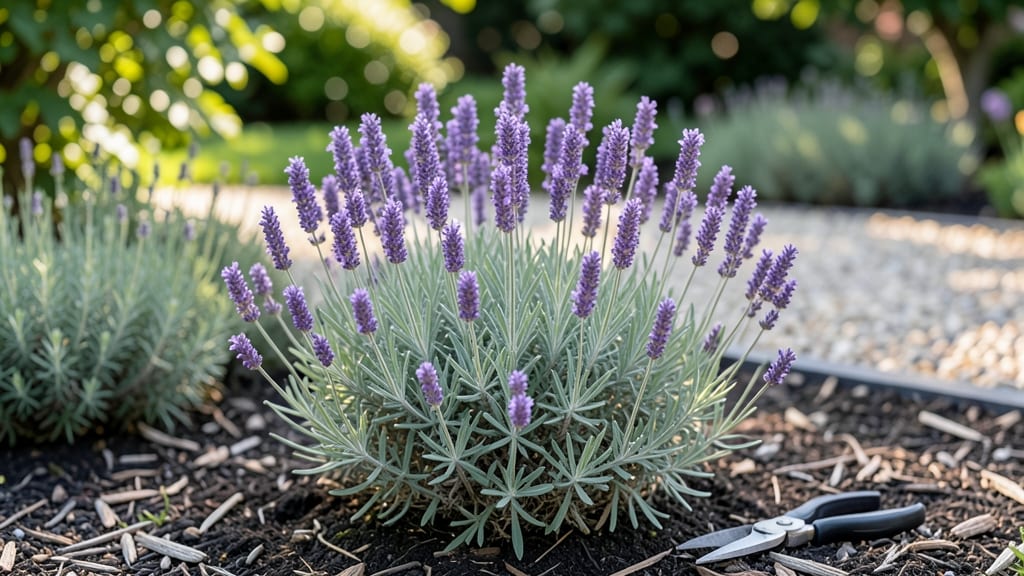
Creating a flower bed that stays vibrant from spring through fall doesn’t require hours of pruning or expensive plants—just the right mix of perennials, annuals, and bulbs that complement each other naturally. 🌸 I’ve designed beds where the color fades from one plant to the next, so there’s never a dull moment, and the foliage keeps things interesting even when blooms slow down.
The secret lies in layering by height and bloom time: tall plants like coneflowers and black-eyed Susans anchor the back, mid-height options like daylilies and salvia fill the middle, and low growers like ajuga or creeping thyme spill over the edges.
Add bulbs like daffodils or alliums for early spring pops, and you’ve got a foolproof system that thrives with minimal upkeep.
By mid-June, your bed will be a riot of color—deep purples blending into soft pinks, bright yellows fading into creamy whites—all while hummingbirds and bees flit between blooms.
The best part? You’ll spend less than 30 minutes a month on pruning, because the plants are chosen to support each other’s growth naturally.
This approach works for cottage gardens, modern pollinator beds, or even small urban spaces. Whether you’re starting from scratch or refreshing an existing bed, the key is balancing textures, colors, and bloom times so the show never ends. Let’s get your design on paper first—trust me, sketching saves headaches later.
📚 In This Guide
- What you need
- Instructions
- Tips and common mistakes
- Wrapping up and next steps
What you need
- ● Flower bed plants (season-long varieties): 10–20 Coneflower (Echinacea) (perennials, drought-tolerant)
- ● 12–15 Black-eyed Susan (Rudbeckia) (sun-loving, long-blooming)
- ● 8–10 Salvia (Perovskia) (drought-resistant, purple blooms)
- ● 5–7 Russian Sage (Lavandula) (fragrant, attracts pollinators)
- ● 3–5 Daylilies (Hemerocallis) (hardy, colorful, low-maintenance)
- ● Soil amendments: 5–10 lbs compost (improves drainage and nutrients)
- ● 2–3 lbs slow-release fertilizer (10-10-10) (for balanced growth)
- ● Tools: 1 garden trowel (for planting)
- ● 1 hand pruners (sharp, bypass-style for clean cuts)
- ● 1 garden fork (for aerating soil)
- ● 1 watering can or hose with nozzle (gentle watering for roots)
- ● 1 measuring tape (to plan spacing)
- ● Mulch (2–3 inches of shredded bark or straw) – retains moisture and suppresses weeds.
- ● Garden gloves (to protect your hands from thorns or rough edges).
- ● Stakes or plant markers (for labeling and support).
- ● Organic pest control (neem oil or insecticidal soap) – just in case! 🐜
Step-by-Step guide for creating a low-maintenance flower bed
Here's how to design a vibrant flower bed that thrives with minimal pruning year-round.
🌱 Step 1: Choose the Right Plant Combinations
Select plants that naturally complement each other in height and bloom time. I like pairing tall perennials like coneflowers (3-4 feet) with mid-height shrubs such as butterfly bush (3 feet) and low-growing annuals like petunias (1 foot). This creates visual layers that hide soil and fill space beautifully.
For zero-fuss pruning, focus on plants that self-clean—meaning they drop old blooms naturally. Examples include black-eyed Susans, bee balm, and Russian sage. These varieties stay tidy without regular deadheading, saving you time while keeping the bed looking fresh.
🪴 Step 2: Prepare the Soil for Long-Term Health
Test your soil first—most flower beds thrive in well-draining soil with a pH of 6.0-7.0. Amend heavy clay with 2-3 inches of compost or peat moss mixed into the top 12 inches of soil. For sandy soil, add 1 part organic matter like leaf mold for every 3 parts native soil.
Spread a 2-inch layer of mulch (like shredded bark or pine needles) over the bed after planting. This locks in moisture, suppresses weeds, and protects roots from temperature swings. Replenish mulch annually in early spring to maintain its benefits.
☀️ Step 3: Plant According to Sunlight Needs
Group plants by their sunlight requirements to avoid overcrowding or underperforming. Place sun-loving perennials like daylilies and black-eyed Susans in the full sun areas (6+ hours of direct light daily). Position part-shade plants such as astilbes and heucheras where they receive morning sun and afternoon shade.
Dig holes twice as wide as the root ball but only as deep. This encourages roots to spread outward rather than sitting too deep, which can suffocate plants. Water each hole thoroughly before placing plants in—this settles the soil and removes air pockets around roots.
💧 Step 4: Water Deeply and Establish a Routine
Water newly planted flower beds deeply once a week for the first month to encourage deep root growth. Use a soaker hose or drip irrigation to deliver water slowly at the base, avoiding wetting leaves. Aim for 1-1.5 inches of water per week, including rainfall. You'll know you're doing it right when the soil feels moist 6 inches down.
After the first month, reduce watering to every 10-14 days unless you experience extreme heat or drought. Overwatering is the biggest mistake—it leads to root rot and weak plants. Let the top 2 inches of soil dry out between waterings to train roots to seek moisture deeper.
✂️ Step 5: Prune Strategically for Season-Long Blooms
Start pruning in early spring by removing any dead or damaged stems from last season. Cut back perennials like coneflowers by one-third to encourage bushier growth. For shrubs like butterfly bush, trim back overgrown branches to maintain their natural shape—this prevents them from becoming too leggy.
Skip the deadheading for self-cleaning plants, but for varieties like impatiens or zinnias, pinch off spent blooms weekly to redirect energy into new flowers. The key is to prune after blooming season for most perennials, except for early bloomers like columbine, which should be pruned right after flowering to avoid cutting off next year's buds.
Tips & tricks for perfect season-long flower beds
Here's what I learned after designing flower beds that stayed vibrant all season with almost no pruning.
Plant Height Strategy: When arranging your plants in Step 1, place the tallest varieties like coneflowers (3-4 feet) at the back or center of the bed. This creates natural height layers that hide soil while letting sunlight reach lower plants. I always arrange my mid-height shrubs like butterfly bush (3 feet) next to the tallest plants, then fill the front with low-growing annuals like petunias (1 foot). This visual trick makes your bed look fuller immediately.
Soil Prep Shortcut: In Step 2, if you don't have time to test your soil pH, focus on the texture instead. For heavy clay soil, add the full 2-3 inches of compost or peat moss as instructed. For sandy soil, mix in that 1 part organic matter to 3 parts native soil ratio—this creates the perfect balance for most flowering plants. The key is working with what you have rather than waiting for perfect soil.
Watering Hack: During the first month in Step 4, I've found that using a simple rain gauge helps track your 1-1.5 inches of water per week. Place it in your flower bed and fill it when it reaches the 1-inch mark. This visual cue makes it much easier to judge than trying to measure with a hose. For the first week, water at the same time each day to establish a routine that works with your schedule.
Pruning Timeline: In Step 5, mark your calendar for early spring pruning—this is when most plants start showing new growth. For perennials like coneflowers, cutting back by one-third right when you see fresh shoots encourages bushier growth. I always do this before the first blooms appear, which gives plants time to recover and flower more abundantly. Remember that self-cleaning plants like black-eyed Susans won't need any deadheading, saving you even more time.
Pro Tips for Flower Bed Plants
- Here's what I learned after designing flower beds that stayed vibrant all season with almost no pruning.
- Plant Height Strategy: When arranging your plants in Step 1, place the tallest varieties like coneflowers (3-4 feet) at the back or center of the bed.
- Soil Prep Shortcut: In Step 2, if you don't have time to test your soil pH, focus on the texture instead.
Frequently asked questions
Got questions about keeping your flower bed vibrant with minimal effort?
Here are answers to the most common ones—so you can enjoy season-long color without the fuss!
What are the easiest low-maintenance flower bed plants for beginners?
Start with perennials like coneflowers, black-eyed Susans, or daylilies—they thrive with minimal pruning and return yearly. For instant color, add annuals like petunias or marigolds, which bloom nonstop but may need light deadheading. Native plants (like milkweed or sedum) are also great—they’re drought-tolerant and support local wildlife!
When is the best time to plant flower beds for continuous blooms?
For spring color, plant tulips or daffodils in fall (6–8 weeks before frost). For summer-long blooms, add annuals in late spring after the last frost. Fall planting (September–October) gives perennials time to establish roots before winter. Pro tip: Layer plants by bloom time (early, mid, late season) for nonstop color!
How do I prune flower beds without killing the plants?
Most perennials only need light trimming after blooming (cut back dead flowers to encourage reblooming). For annuals, pinch back leggy stems to promote bushiness. Avoid heavy pruning in fall—wait until early spring to tidy up. Deadheading (removing spent blooms) is key for longer flowering seasons!
Can I mix vegetables or herbs with flower bed plants?
Companion planting
works beautifully—try marigolds with tomatoes (pests hate them!) or basil near peppers. For flower beds, add culinary herbs like thyme or oregano (they’re drought-resistant and pollinator-friendly). Just avoid aggressive spreaders (like mint) near delicate flowers.
How do I keep pests away from my flower bed naturally?
Start with healthy soil (rich in compost) to boost plant resilience. Plant pest-repelling flowers like nasturtiums (aphids) or lavender (mosquitoes). Handpick pests early or spray neem oil for a chemical-free fix. Encourage beneficial insects (like ladybugs) by adding dill or fennel to your bed!
Wrapping up and next steps
Creating a stunning, low-maintenance flower bed is easier than you think! By choosing the right flower bed plants—like hardy perennials, vibrant annuals, and companion plants—you can enjoy season-long color with minimal effort. The key? Smart planning, strategic placement, and a little seasonal TLC (like zero-fuss pruning).
Now that you’re armed with tips and answers, grab your gardening gloves and start sketching your dream bed! 🌸 Take it step by step—whether you’re refreshing an existing space or starting fresh—your future blooms will thank you.