
Companion Plants
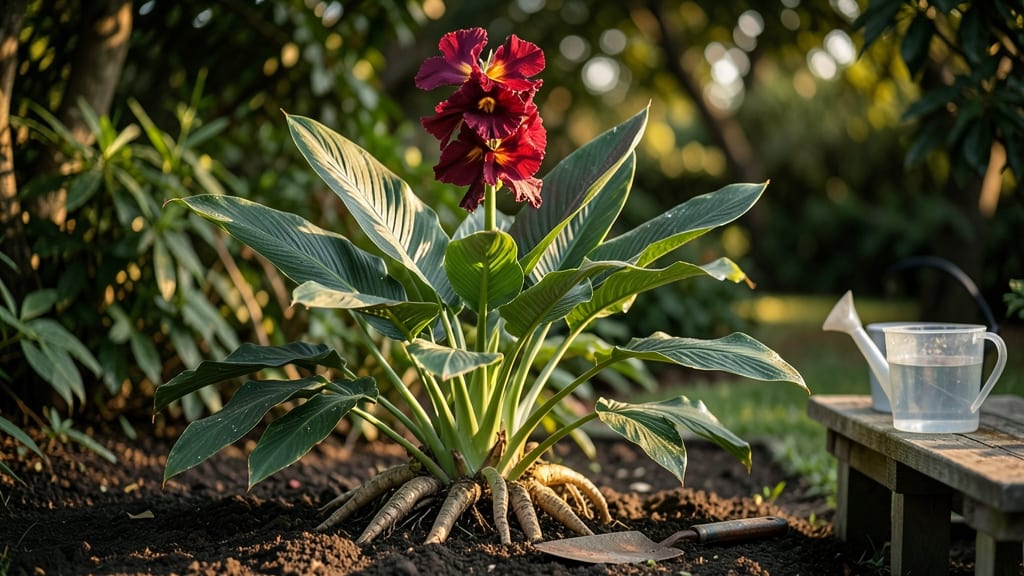
Strategic pruning turns rhizome flowering plants into year-round bloomers—I’ve watched canna lilies and iris push through snow with the right care. These underground powerhouses store energy like natural batteries, but most gardeners miss the timing that keeps them flowering.
The secret isn’t just cutting back—it’s knowing when to prune for continuous blooms, even in winter.
You’ll need sharp pruners, a 3-inch depth gauge, and patience—rhizomes hate disturbance. Plant them in well-draining soil with 6-12 inches between crowns, and divide clumps every 3-4 years to prevent overcrowding.
My bearded iris now blooms from May through October because I prune spent stalks right after flowering, not in fall when most gardeners make the mistake.
What you’ll end up with is a garden that never stops showing off. Canna lilies emerge in May, caladiums blaze in summer, and iris reblooms stretch into frost.
The key is trimming just above the soil line in late fall—before hard freezes—to protect next year’s buds. Even in Zone 5, this works.
Works for containers, borders, or rain gardens—just adjust pruning timing for your climate. The biggest mistake? Waiting until rhizomes are too crowded to divide. Let’s fix that before your plants slow down.
📚 In This Guide
- What you need
- Instructions
- Tips and common mistakes
- Wrapping up and next steps
What you need
- ● Rhizome flowering plants: Choose from varieties like Canna, Iris, Ginger, or Hosta (ensure they’re healthy and disease-free). Quantity: 3–5 plants (depending on garden size).
- ● Pruning shears: Sharp, bypass-pruners (not anvil-type) to avoid crushing stems. Specs: 5–7-inch blades for precision.
- ● Gloves: Heavy-duty gardening gloves to protect hands from thorns or sharp edges.
- ● Compost or mulch: Organic matter (e.g., shredded leaves, aged manure) to enrich soil after pruning. Quantity: 1–2 gallons per plant.
- ● Watering can or hose: With a gentle spray nozzle for post-pruning hydration.
- ○ Labeling tags: Waterproof markers to identify plant varieties (optional but helpful!).
- ● Disinfectant spray: 70% isopropyl alcohol to sterilize tools between cuts (prevents disease spread).
- ● Plant food: Slow-release fertilizer (e.g., 10-10-10 NPK ratio) to boost regrowth.
- ● Pruning saw: For thick rhizomes (e.g., Canna), if shears aren’t sufficient.
- ● Garden journal: To track pruning dates, bloom cycles, and plant health trends.
How to cultivate year-round blooms with rhizome flowering plants
Strategic pruning transforms these hardy plants into nonstop bloomers—here’s how to coax their best performance.
Identify and Prepare Your Rhizome Varieties
Rhizome flowering plants like cannas, irises, and ginger lilies thrive when you understand their growth habits. Most produce thick, horizontal underground stems that store nutrients—cutting them back at the wrong time starves the plant. Before pruning, research your specific variety’s dormancy period. For example, cannas enter dormancy in fall, while ginger lilies bloom continuously in warm climates.
Dig around the base of established plants to locate the rhizomes. You’ll see knobby, segmented stems about 1-2 inches below the soil surface. These rhizomes are your plant’s energy reserve—handle them gently to avoid damaging next season’s growth. If your plants are crowded, separate the rhizomes now, spacing them 6-12 inches apart in well-draining soil. This prevents competition for nutrients and encourages stronger blooms.
Time Pruning for Seasonal Growth Cycles
Pruning rhizome plants follows a seasonal rhythm. In early spring, cut back any dead or damaged foliage from the previous year, leaving only 2-3 inches of stem above the rhizome. This redirects energy into new shoots. For spring-blooming varieties like bearded iris, remove spent flower stalks immediately after blooming—this prevents seed production and encourages a second flush of flowers.
In late summer, when plants finish their primary bloom cycle, trim back foliage by one-third to promote airflow and reduce disease risk. Avoid heavy pruning in fall unless your climate has hard frosts—many rhizomes need their leaves to photosynthesize until winter. In warm zones, you can lightly prune after flowering to maintain shape, but avoid cutting into the rhizome itself.
Mulch and Protect Rhizomes for Winter Dormancy
Once temperatures drop below 40°F, most rhizome plants enter dormancy. Apply a 3-4 inch layer of mulch (like shredded bark or straw) over the soil to insulate the rhizomes. This prevents freeze-thaw cycles from cracking the underground stems. In colder climates, dig up tender rhizomes like cannas after the first frost, trim the foliage to 1 inch, and store them in dry peat moss at 40-50°F until spring.
Never let the rhizomes dry out completely during storage—check monthly and mist lightly if the moss feels dry. When spring arrives, replant rhizomes 2-3 inches deep in well-amended soil. The key is patience: rhizomes need 4-6 weeks of warm soil before new shoots emerge. If you replant too early, cold soil can rot the stems.
Fertilize and Water for Continuous Blooms
Rhizome plants reward consistent care with extended flowering. After pruning in spring, apply a balanced, slow-release fertilizer (10-10-10 ratio) around the base, keeping it 3 inches away from the rhizome to avoid burning. Water deeply once a week during the growing season, ensuring the soil stays moist but not soggy—rhizomes rot in waterlogged conditions. You’ll know your watering is right when the top 1-2 inches of soil feel damp but not heavy.
For year-round blooms, deadhead spent flowers regularly. Pinch off faded blooms with clean pruners, cutting just above the next set of leaves. This encourages the plant to redirect energy into new flowers instead of seed production. In warm climates, you can even prune lightly after each bloom cycle to stimulate a second or third flush of flowers.
Divide and Renew Plants Every 3-4 Years
Over time, rhizomes multiply and crowd each other, leading to fewer blooms. In early spring, dig up the entire clump and separate the rhizomes with a sharp knife. Discard any that are soft, mushy, or infested with pests. Healthy rhizomes should feel firm and plump. Replant the largest, most vigorous sections, spacing them 12-18 inches apart in loose, fertile soil.
This division rejuvenates the plant and prevents disease spread. After replanting, water thoroughly and avoid fertilizing for 4-6 weeks to let the roots establish. You’ll see new shoots emerge within 3-4 weeks, signaling the plant is ready to bloom again. Dividing also gives you free plants to share or expand your garden—just a little extra care goes a long way.
Tips & tricks for perfect year-round rhizome blooms
Mastering the art of rhizome pruning turns seasonal blooms into a continuous garden spectacle—here’s how to elevate your care routine.
Seasonal Pruning Precision: The key to year-round blooms lies in understanding each variety’s unique rhythm. For spring-blooming irises, always remove spent flower stalks immediately after blooming—this prevents seed production and triggers a second flush of flowers. In late summer, when cannas finish their primary bloom, trim back foliage by exactly one-third to maintain vigor without stressing the plant. This balanced approach prevents over-pruning while promoting continuous growth.
Rhizome Handling Technique: When dividing crowded rhizomes in early spring, use a sharp, sterilized knife to separate the segments cleanly. Look for the natural divisions between the knobby segments—these are the plant’s growth nodes. Handle each piece gently to avoid bruising, which can introduce rot. After replanting, position the top of each rhizome just 2-3 inches below the soil surface; deeper planting encourages root growth, while shallower planting promotes faster foliage emergence.
Winter Protection Strategy: The 40°F threshold is critical for winter dormancy. Once temperatures dip below this point, apply mulch immediately to create an insulating barrier. For tender rhizomes like cannas, store them in dry peat moss at 40-50°F—this mimics their natural winter conditions. Check monthly and mist lightly if the moss feels dry; consistent moisture prevents desiccation while allowing airflow to prevent mold.
Fertilizer Timing Insight: After dividing in spring, avoid fertilizing for the full 4-6 weeks while roots establish. Once new shoots appear, apply a balanced 10-10-10 fertilizer around the base, keeping it 3 inches away from the rhizome itself. This prevents fertilizer burn while providing essential nutrients. For continuous blooms, deadhead regularly—cutting just above the next set of leaves redirects energy to new flower production instead of seed development.
Pro Tips for Rhizome Flowering Plants
- Mastering the art of rhizome pruning turns seasonal blooms into a continuous garden spectacle—here’s how to elevate your care routine.
- Seasonal Pruning Precision: The key to year-round blooms lies in understanding each variety’s unique rhythm.
- Rhizome Handling Technique: When dividing crowded rhizomes in early spring, use a sharp, sterilized knife to separate the segments cleanly.
Frequently asked questions
Got questions about keeping your rhizome flowering plants thriving? Here are some of the most common ones—and their answers!
What’s the best time of year to prune rhizome flowering plants for maximum blooms?
Prune rhizome plants like cannas, ginger lilies, or bearded irises in early spring (just as new growth emerges) or late fall (after foliage dies back). Avoid pruning during active flowering—this can stress the plant and reduce next year’s blooms. For tropical varieties, wait until temperatures drop below 50°F (10°C) to prevent rot.
How do I know if I’m pruning too much or too little?
Rhizomes thrive on selective pruning. Cut back dead or yellowed leaves to 1–2 inches above the rhizome, but leave healthy foliage until it naturally yellows. Over-pruning (removing >50% of growth) weakens the plant; under-pruning (leaving thick, dense foliage) can block sunlight and airflow, inviting pests. Pro tip: Snap a photo before pruning to reference what “normal” looks like!
Why aren’t my rhizome plants flowering this year after pruning?
Several factors could be at play: insufficient sunlight (most need 6+ hours daily), poor soil drainage (rhizomes rot in soggy conditions), or lack of nutrients. Check if you’re fertilizing with low-nitrogen, high-phosphorus feed (like 5-10-10) during the growing season. If the rhizome is small (<2 inches wide), it may need another year to mature.
Can I grow rhizome flowering plants in containers, and how do I overwinter them?
Use well-draining pots with holes and a mix of potting soil + perlite. For overwintering, dig up rhizomes, trim foliage to 3 inches, and store in a cool (40–50°F/4–10°C), dry place (like a garage). Replant in spring when soil warms. Pro tip: Label pots with plant names—rhizomes look similar when dormant!
Are there low-maintenance rhizome alternatives for busy gardeners?
Try daylilies (Hemerocallis) or canna lilies—both are hardy, drought-tolerant, and bloom prolifically with minimal pruning. For shade lovers, hostas (though technically not true rhizomes) are nearly indestructible. All three reward you with season-long color with just occasional deadheading and mulching.
Wrapping up and next steps
Rhizome flowering plants like cannas, irises, and daylilies offer stunning, low-maintenance blooms—but their secret lies in strategic pruning! By mastering timing, tools, and techniques, you can enjoy vibrant flowers year-round while keeping your garden thriving. 🌸
Ready to transform your space? Start small: pick one rhizome plant, apply these pruning tips, and watch your garden flourish! Whether you’re a beginner or a seasoned gardener, every cut brings you closer to a blooming paradise. Happy pruning! ✂️🌿