
Flowers
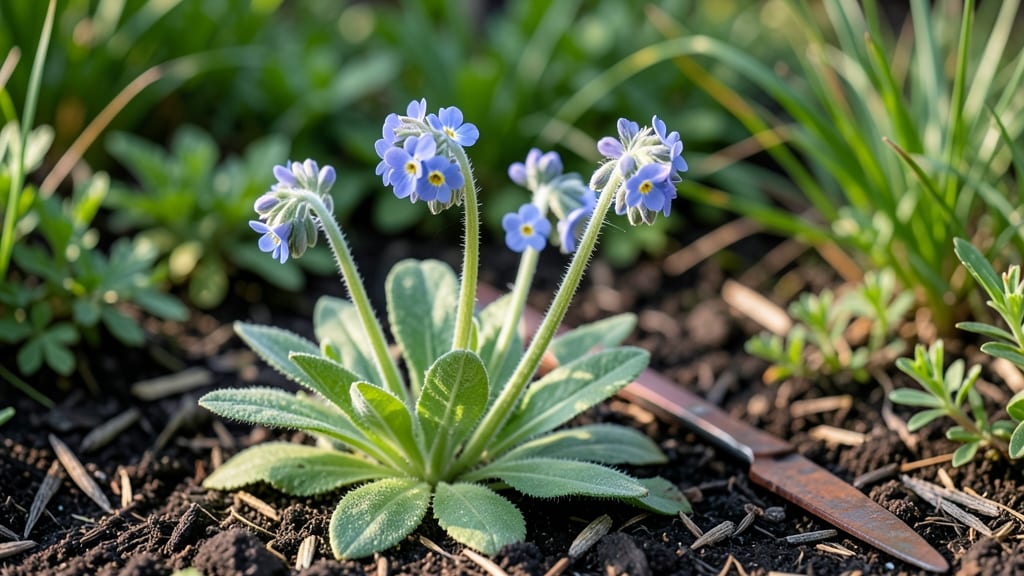
The flower forget-me-nots pictures you’ll cherish most capture their dazzling cobalt-blue blooms tumbling over sunlit cottage garden borders—I’ll never forget the first time I saw them in a friend’s garden, like scattered sapphires. across the spring soil.
These delicate flowers aren’t just pretty; they’re the kind of plant that makes passersby stop and ask, "What are those?"
What makes forget-me-nots so special in photos—and in real gardens—is their textural contrast. The tiny, star-shaped blooms create a soft, velvety effect when planted in drifts, while their upright stems add vertical interest.
Pair them with frost-kissed white alyssum or sun-dappled pink creeping thyme for a border that looks like a storybook illustration. Containers? Try them with trailing lobelia for a hanging cascade of blue and purple.
You’ll love how forget-me-nots bring jewel-toned pops to spring and early summer gardens, long after most annuals have faded. Their color deepens in cooler weather, making them perfect for late-season displays.
The secret to their photogenic appeal? Plant them where they’ll get morning sun and afternoon shade—just enough light to keep their blooms vibrant without scorching.
Whether you’re framing a garden photo or creating a memory-worthy space, forget-me-nots deliver effortless charm. Use them as a focal point in a cottage garden, as a border along pathways, or tucked into containers on patios.
Their timeless blue hue works with nearly any color scheme, making them the ultimate "plant it and forget it" beauty.
📚 In This Guide
- What you need
- Instructions
- Tips and common mistakes
- Wrapping up and next steps
What you need
- ● Seeds: 1–2 packets of Myosotis sylvatica (forget-me-not) seeds (organic or heirloom preferred).
- ● Containers or Garden Bed: Small pots (4–6 inches deep) for seedlings, or
- ● A well-draining garden bed with partial shade.
- ● Potting Soil: 1–2 bags of high-quality, well-draining seed-starting mix (or garden soil amended with compost).
- ● Fertilizer: Balanced, water-soluble fertilizer (e.g., 10-10-10) for seedlings.
- ● Watering Can or Spray Bottle: For gentle hydration (avoid overwatering!).
- ● Camera: DSLR, mirrorless, or smartphone with a high-resolution lens (e.g., iPhone 13+, Sony A6000).
- ○ Tripod (Optional): For steady shots in low light.
- ○ Macro Lens (Optional): To capture intricate details of petals and stamens.
- ● Natural Light: Soft morning or late afternoon sunlight for the best colors.
- ○ Backdrop (Optional): Greenery, a rustic wooden fence, or a white sheet for clean backgrounds.
- ● Floral Preservation Kit: Includes silica gel or a flower press.
- ● Scissors or Pruners: Sharp, clean pair for trimming stems.
- ● Glue or Double-Sided Tape: For attaching flowers to paper or frames.
- ● Frame or Album: Acid-free pages to preserve pressed forget-me-nots.
How to capture forget-me-nots in stunning garden photography
These delicate blue blooms deserve a place in your photo collection—here’s how to photograph them beautifully.
Scout the Best Lighting for Soft Blue Hues
Forget-me-nots thrive in morning sunlight or soft afternoon light—avoid harsh midday sun, which can wash out their signature blue tones. I like to shoot within two hours of sunrise when the light is diffused and warm. If you’re working later in the day, position yourself under a dappled canopy to mimic natural shade.
Check the sky for overcast conditions—cloud cover acts as a natural diffuser, reducing shadows and enhancing the flowers’ delicate texture. If you’re shooting on a bright day, use a reflector or white foam board to bounce light onto shaded petals and restore their vibrancy.
Frame the Flowers with Natural Garden Elements
Forget-me-nots grow best in moist, shaded borders or near water features, so incorporate these elements into your composition. Place a few blooms in the foreground with a blurred background—this draws attention to their intricate details. I often use a wide-angle lens to capture the entire plant, including its fuzzy, heart-shaped leaves and delicate stems.
Look for contrasting textures—pair the flowers with grass, moss, or wildflowers to add depth. A shallow depth of field (f/2.8 or lower) will keep the forget-me-nots in sharp focus while softly blurring the background. Avoid centering the flowers; instead, use the rule of thirds to create a more dynamic shot.
Capture Close-Ups of Petal Details
Forget-me-nots are tiny but stunning up close—use a macro lens (100mm or longer) to highlight their tiny yellow centers and velvety petals. Focus on one or two flowers at a time, ensuring their symmetrical shape is crisp. I like to shoot from a slight angle to emphasize their three-dimensional texture rather than a flat, head-on view.
Watch for dew or morning moisture on the petals—this adds a fresh, luminous quality to the image. If the flowers are dry, lightly mist them with water before shooting. Use a tripod and remote shutter to avoid camera shake, especially at high magnifications. Experiment with backlighting to create a soft glow around the edges of the petals.
Edit for Vibrant Blues and Soft Contrast
Forget-me-nots’ blue hues often appear muted in-camera, so boost saturation slightly in post-processing. I use Lightroom’s "Vibrance" slider (instead of saturation) to enhance the blues without overpowering the image. Adjust the white balance to a cooler tone (around 6,500K) to deepen the blue tones naturally.
Reduce contrast slightly to soften shadows and maintain the flowers’ delicate appearance. Apply a subtle vignette to darken the edges and draw the eye toward the center. Avoid heavy sharpening—forget-me-nots have fine details that can look artificial if over-edited. Save a before-and-after comparison to track your adjustments.
Organize and Share Your Forget-Me-Nots Collection
Create a dedicated album for your forget-me-nots photos, labeling each by location, lighting conditions, and editing style. I use keyword tags like "macro," "soft light," or "garden border" to sort images later. For sharing, Instagram or Pinterest work well—use relevant hashtags (#ForgetMeNotFlowers #GardenPhotography) to connect with other plant lovers.
Consider printing a few favorites in a small photo book or framing them as garden-inspired art. The key is to tell a story—whether it’s the serene morning light, the texture of the petals, or the memory of planting them. Your collection will become a visual journal of your garden’s quiet beauty.
Tips & tricks for perfect forget-me-nots photography
To truly capture the ethereal beauty of forget-me-nots, a few refined techniques can transform your garden snapshots into stunning art. These insights will help you elevate your photography beyond the ordinary.
Lighting Mastery: When working with forget-me-nots, the two-hour window after sunrise offers the most flattering light—soft and diffused without the harshness of midday. If you must shoot later, seek out dappled shade under trees or use a reflector to soften shadows. I’ve found that overcast days actually work beautifully for these delicate blooms, as the cloud cover naturally diffuses light and eliminates unflattering shadows. This approach preserves their signature blue hues without requiring heavy post-processing adjustments.
Composition Secrets: Forget-me-nots thrive in moist, shaded borders, so incorporate these natural elements into your framing. Place a few blooms in the foreground with a blurred background to create depth—this draws attention to their intricate details. The rule of thirds is your best friend here; positioning the flowers off-center creates a more dynamic composition. I often pair them with contrasting textures like grass or moss to add visual interest while maintaining the garden’s natural aesthetic. A shallow depth of field (f/2.8 or lower) ensures the forget-me-nots remain sharp while the background softly blurs into a pleasing bokeh.
Macro Lens Technique: These tiny flowers reveal their true magic when photographed up close. A macro lens (100mm or longer) is ideal for capturing their velvety petals and tiny yellow centers. Focus on one or two flowers at a time, shooting from a slight angle to emphasize their three-dimensional texture. Morning dew or a light misting of water before shooting can add a luminous quality—just be sure to use a tripod and remote shutter to avoid camera shake at high magnifications. Backlighting creates a soft glow around the petal edges, adding an ethereal quality that’s perfect for these delicate blooms.
Post-Processing Wisdom: Forget-me-nots’ blue tones often appear muted in-camera, so boost saturation subtly using Lightroom’s Vibrance slider rather than the saturation tool. Adjust the white balance to a cooler tone (around 6,500K) to deepen the blues naturally. Reduce contrast slightly to maintain their delicate appearance, and apply a subtle vignette to draw the eye toward the center of the image. Avoid heavy sharpening—their fine details can look artificial if over-edited. Always save a before-and-after comparison to track your adjustments and ensure you’re enhancing, not altering, their natural beauty.
Pro Tips for Flower Forget Me Nots Pictures
- To truly capture the ethereal beauty of forget-me-nots, a few refined techniques can transform your garden snapshots into stunning art.
- Lighting Mastery: When working with forget-me-nots, the two-hour window after sunrise offers the most flattering light—soft and diffused without the harshness of midday.
- Composition Secrets: Forget-me-nots thrive in moist, shaded borders, so incorporate these natural elements into your framing.
Frequently asked questions
Got questions about these charming blue blooms? You’re not alone! Here are some of the most common inquiries about forget-me-nots—from care tips to creative uses.
When is the best time to plant forget-me-nots?
Forget-me-nots thrive in cool weather, so plant them in early spring or late summer. They prefer temperatures between 50°F and 70°F (10°C–21°C). Avoid planting in hot summers—they’ll bolt (produce seeds) too quickly. If you’re in a warm climate, opt for fall planting for a spring bloom!
How often should I water forget-me-nots?
Keep the soil consistently moist but not soggy. Water 2–3 times per week in dry spells, but reduce frequency once established. Overwatering can cause root rot, so ensure pots or garden beds have good drainage. A light mulch layer helps retain moisture without smothering the delicate stems.
Can I grow forget-me-nots indoors?
Yes! Place them near a bright, north-facing window or under grow lights for 6–8 hours daily. Use a small pot with drainage holes and a well-draining potting mix. They’re lightweight, so avoid heavy containers that may tip over. Expect smaller blooms than outdoor varieties, but they’ll still add a pop of blue to your space!
Why aren’t my forget-me-nots blooming?
Lack of blooms often stems from too much shade, overcrowding, or poor soil. Ensure they get 4–6 hours of sunlight daily and trim spent flowers to encourage new growth. Feed with a balanced fertilizer (10-10-10) every 4–6 weeks. If they’re leggy, they may need more light or a pinch back to promote bushiness.
What flowers pair well with forget-me-nots in pictures?
Forget-me-nots look stunning with white daisies, pink peonies, or lavender for a soft, romantic vibe. Try red poppies or deep purple clematis for bold contrast. In bouquets, pair them with eucalyptus or ferns to add texture. Their tiny blooms stand out best against larger, contrasting flowers—think of them as the "sparkle" in your floral arrangement!
Wrapping up and next steps
From their symbolic meaning to their easy-growing charm, forget-me-nots bring a touch of magic to any garden or bouquet. 🌸 Whether you’re capturing their delicate beauty in photos or planting them for a meaningful touch, these tiny blue blooms are a reminder of the small joys life offers.
Ready to add some forget-me-nots to your space? Start small—plant a few in your garden, snap some pictures, or gift a bouquet to someone special. Every step is a chance to create lasting memories!