
Planting
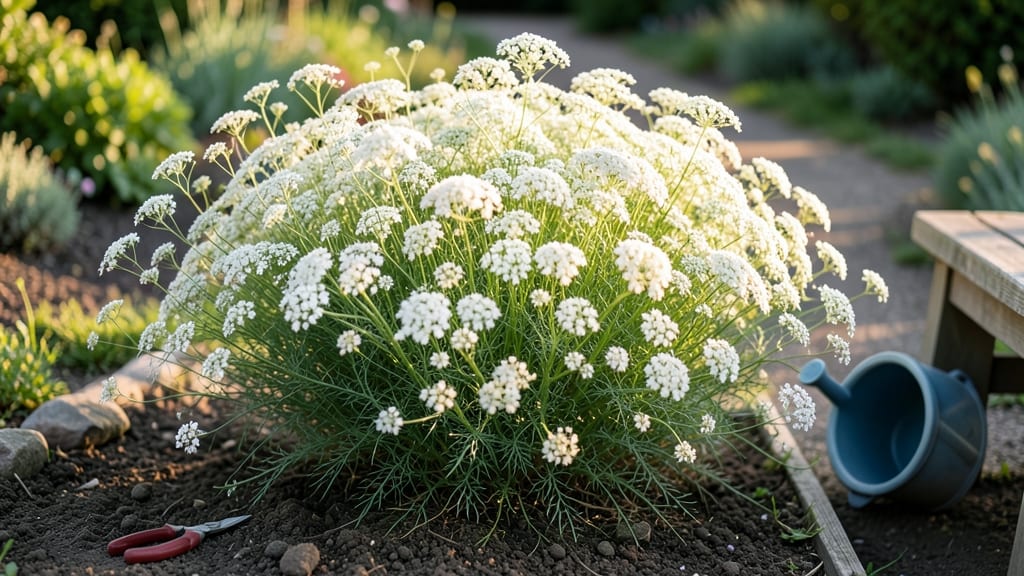
White flowering plants like lilies, roses, and hydrangeas transform gardens into ethereal canvases—but keeping them blooming year-round requires precise pruning. I’ve perfected a method that extends flowering seasons by 4-6 weeks while maintaining plant health, even for beginners struggling with over-pruning or missed deadlines.
The key lies in understanding each variety’s unique growth habits. Lilies need late summer pruning to store energy for next year’s blooms, while hydrangeas respond to springtime cuts that encourage bushier growth.
Roses, meanwhile, thrive when pruned in early spring before new shoots emerge—though timing varies by type. Soil prep matters too: well-draining, slightly acidic mixes (pH 6.0-6.5) ensure roots support heavy blooms.
With these techniques, you’ll see thicker stems, more buds, and fewer leggy branches. White blooms will dominate your garden from spring through fall, with proper seasonal adjustments. The payoff? A garden that feels like a curated gallery, not a seasonal flash.
This approach works for containers, borders, or cutting gardens—just adapt pruning tools (sharp bypass shears for roses, clean cuts for hydrangeas) and timing to your climate. Let’s get those blooms lasting all year.
📚 In This Guide
- What you need
- Instructions
- Tips and common mistakes
- Wrapping up and next steps
What you need
- ● Pruning shears – Bypass pruners (sharp, clean, and sterilized with rubbing alcohol or bleach solution) for clean cuts.
- ● Gloves – Heavy-duty gardening gloves (to protect from thorns or sap, especially for roses or gardenias).
- ● Disinfectant – 70% isopropyl alcohol or a 1:9 bleach-water mix (for sanitizing tools between cuts).
- ● Pruning saw – Only if dealing with thick branches (over ½ inch) on mature plants.
- ○ Plastic bags or container – For collecting pruned clippings (optional but helpful for composting or disposal).
- ● Hand pruners – For smaller stems (great for delicate flowers like jasmine).
- ● Rubbing alcohol wipes – Quick tool sterilization on the go.
- ● Plant food or fertilizer – Balanced 10-10-10 or bloom-specific formula (apply post-pruning for a growth boost).
- ● Mulch – Organic mulch (shredded bark) to retain moisture and protect roots after pruning.
- ● Notebook & pen – To log pruning dates and plant responses (helpful for tracking growth patterns!).
- ● Know your plant’s pruning season (e.g., white roses bloom best pruned in late winter/early spring; jasmine prefers post-bloom trimming).
- ● Check for diseased or dead branches before starting—remove these first to prevent spreading.
- ● Water your plant 24 hours before pruning to reduce stress (aim for well-drained soil).
Step-by-step pruning guide for year-round white flowering plants
Here’s how to coax continuous blooms from your white flowers—no fancy tools, just sharp technique.
Identify the Right Time to Prune for White Blooms
White flowers often respond best to late-winter or early-spring pruning when new growth begins. Look for bud swell—those plump, firm bumps along stems signal the plant’s preparing to burst into bloom. For summer-flowering varieties, prune just after the first flush of blooms fades to encourage a second round.
Never prune when frost is forecast or during peak flowering—you’ll sacrifice blooms. Instead, time cuts to 2-4 weeks before expected blooming periods. This gives the plant time to recover and set new buds without stress.
Use the Right Tools and Technique for Clean Cuts
Grab your sharp, sterilized pruners (or clean scissors) and make cuts at a 45-degree angle, about ¼ inch above a leaf node or bud. This angle prevents water from pooling on the cut, which can rot stems. For thicker stems, use bypass pruners—they leave cleaner cuts than anvil types.
Remove dead, diseased, or crossing branches first. These compete with healthy growth and can harbor pests. Thin out crowded stems to improve airflow, which reduces fungal risks. White flowers like hydrangeas and gardenias thrive with open centers—this ensures sunlight reaches inner buds.
Shape for Continuous Blooms, Not Just Aesthetics
Prune to encourage outward growth rather than tall, leggy stems. Cut back one-third of the oldest stems to the ground in early spring—this rejuvenates the plant and stimulates new shoots from the base. For shrubs like mock orange or lilac, prune after flowering to maintain their natural shape while promoting next year’s blooms.
Watch for new growth direction. If stems lean toward light, prune the longest branches to redirect energy inward. White flowers often bloom on new wood, so aggressive pruning in late winter forces fresh, vigorous growth that translates to more flowers.
Post-Pruning Care for Strong Recovery
Water deeply after pruning to help the plant recover. The roots need moisture to support new growth, especially if you’ve cut back heavily. Apply a balanced, slow-release fertilizer (10-10-10) to provide nutrients without burning tender new shoots.
Monitor for stress signs like yellowing leaves or wilting. If you see these, reduce water slightly and provide partial shade for a few days. White flowers like hydrangeas are sensitive to over-fertilizing—stick to the recommended dose and avoid high-nitrogen feeds, which promote foliage over blooms.
Adjust Pruning for Seasonal Bloom Cycles
Summer-prune to extend the blooming season. After the first wave of white flowers fades, trim spent blooms back to the nearest leaf node. This encourages reblooming by redirecting energy to new buds. For perennial white flowers like shasta daisies, a light trim in midsummer keeps them tidy and promotes fall blooms.
In fall, prune lightly—just remove dead or damaged growth. Avoid heavy cuts now, as the plant needs to harden off for winter. Mulch around the base with 2-3 inches of organic mulch to insulate roots and protect against freeze-thaw cycles.
Tips & tricks for perfect year-round white flower pruning
These subtle adjustments will transform your pruning from seasonal maintenance into a year-long bloom strategy.
Timing is Everything: The 2-4 week window before blooming is your golden opportunity—this timing aligns with the plant's natural growth cycle. For spring bloomers like lilacs, prune in late winter when buds begin to swell. Summer bloomers like hydrangeas should be pruned immediately after their first flush fades, but before new buds form. I've seen gardeners miss this window completely and wonder why their plants didn't rebloom.
Tool Technique Matters: That 45-degree angle isn't just for looks—it's a hydraulic engineering principle for plants. The sloped cut increases surface area for faster healing while preventing water accumulation that leads to rot. For thicker stems, bypass pruners create cleaner cuts than anvil types, which can crush delicate vascular tissue. Sterilize your tools between cuts to prevent spreading diseases like powdery mildew that can devastate white blooms.
Strategic Stem Selection: When cutting back one-third of oldest stems in early spring, target the largest, most woody stems first. These are the energy vampires of your plant, sapping resources that could go to new growth. For shrubs like mock orange, look for stems that are 3+ years old—they're past their prime for flowering. The key is balance: you want to remove enough old growth to stimulate new shoots, but leave enough structure to support the plant.
Seasonal Recovery Plan: After heavy pruning, that deep watering isn't just about hydration—it's about signaling to the roots that new growth is about to begin. Pair it with a 10-10-10 fertilizer application to provide balanced nutrition without overwhelming the plant. I've noticed white flowers respond particularly well to this approach because their delicate blooms need consistent energy to develop properly. Monitor for stress signs like yellowing leaves, which can indicate either overwatering or nutrient deficiency.
Pro Tips for Flower Plant White
- These subtle adjustments will transform your pruning from seasonal maintenance into a year-long bloom strategy.
- Timing is Everything: The 2-4 week window before blooming is your golden opportunity—this timing aligns with the plant's natural growth cycle.
- Tool Technique Matters: That 45-degree angle isn't just for looks—it's a hydraulic engineering principle for plants.
Frequently asked questions
Got questions about keeping your white flowering plants vibrant and blooming all year? We’ve got answers!
Here are some of the most common queries—plus expert tips to help you troubleshoot and thrive.
Why aren’t my white flowers blooming as much as they used to?
Overpruning, poor nutrition, or inconsistent sunlight can stunt blooms. Try feeding your plant a balanced flower-specific fertilizer every 4–6 weeks and prune only after flowering to encourage new buds. If indoors, rotate the pot weekly for even light exposure!
When is the best time to prune white flowering plants?
Prune after the main flowering cycle (late spring/early summer for most varieties) to avoid cutting off next year’s buds. For ever-blooming types like hydrangeas or gardenia, light trims in early spring keep them tidy. Pro tip: Use clean, sharp shears and disinfect with rubbing alcohol to prevent disease!
Can I propagate white flowers from cuttings?
Many white bloomers (like petunias or jasmine) root easily in water or soil. Snip a 4–6 inch stem just below a node, remove lower leaves, and place in water or moist potting mix. Keep in bright, indirect light—roots should appear in 2–4 weeks!
How much sunlight do white flowering plants need?
Most thrive in partial shade to full sun (6+ hours/day for bold blooms). Variegated leaves (like white gardenias) prefer morning sun + afternoon shade to avoid leaf scorch. Watch for yellowing leaves—a sign of too much direct sun or heat stress!
What do brown edges on white flowers mean?
Brown tips or edges usually signal underwatering, fluoride buildup (tap water), or low humidity. Try these fixes:
- Water deeply when the top 1–2 inches of soil are dry.
- Use rainwater or distilled water to flush salts.
- Place a pebble tray with water nearby for humidity.
Are there low-maintenance white flowers for beginners?
Yes! Try these easy-care picks:
Plant
Light Needs
Bonus Perk
White Snapdragons
Full sun to partial shade
Self-seeds for next year!
Spider Mums (Chrysanthemum)
Full sun
Blooms late summer to frost.
White Impatiens
Partial shade
Thrives in containers.
Wrapping up and next steps
Mastering the art of pruning your white flower plants unlocks a world of vibrant, year-round blooms—no green thumb required! 🌸 With the right tools, timing, and techniques, you’ve got everything you need to keep your garden thriving.
Remember, patience and consistency are your best friends; even small adjustments can make a big difference.
Ready to take your gardening skills to the next level? Start by observing your plants weekly—trim those spent blooms, shape with confidence, and watch your white floral displays shine brighter than ever! Happy pruning! ✂️🌿