
Trees
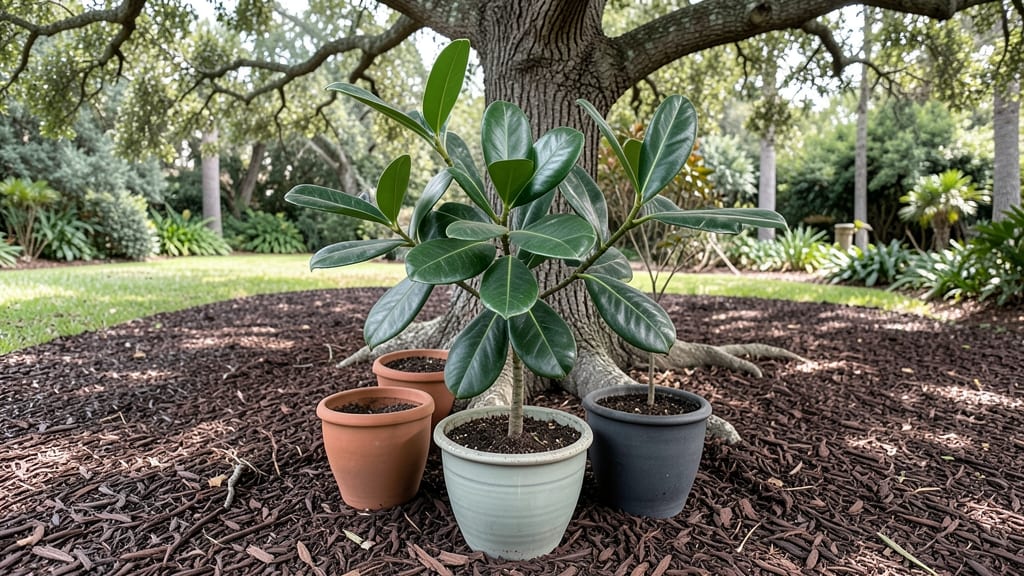
Flower pots around trees transform bare trunks into lush vertical gardens that catch every neighbor’s eye. 🌿 I used to think tree bases were just dead space, but now they’re my most productive square footage—packed with cascading ferns, trailing ivy, and seasonal blooms that frame the tree like a natural sculpture.
The secret isn’t complicated: match pot sizes to the tree’s trunk width (think 6–12 inches in diameter) and choose lightweight containers that won’t overwhelm roots. Terracotta adds rustic charm, while woven baskets soften modern landscapes.
For small spaces, hanging pots create a dreamy, layered effect—just secure them with sturdy brackets to avoid swaying in wind.
You’ll end up with a garden that feels intentional, not cluttered—where every pot adds color, texture, and even pollinator-friendly blooms. The best part? These vertical gardens stay accessible for pruning and watering, so maintenance is a breeze. Ready to turn your tree’s base into a showstopper?
Works for any yard size, from urban sidewalks to sprawling estates. Whether you go for bold seasonal contrasts or a cohesive "jungle vibe," the key is balancing plant heights and textures so the tree remains the star. Let’s get creative!
📚 In This Guide
- What you need
- Instructions
- Tips and common mistakes
- Wrapping up and next steps
What you need
- ● Flower pots: 3–10+ (depending on tree size and spacing). Choose lightweight, breathable options like: Coconut fiber pots (eco-friendly, ~$5–$10 each)
- ● Plastic or terracotta pots (durable, ~$3–$8 each)
- ● Hanging pots (for elevated looks, ~$6–$15 each)
- ● Potting soil: 1–2 bags (high-quality, well-draining mix with perlite or compost, ~$10–$20 per bag).
- ● Plants: 3–10+ (choose tree-friendly varieties like ferns, ivy, or trailing flowers. Avoid invasive species!)
- ● Mounting hardware: L-brackets or tree straps (for securing pots, ~$2–$5 each)
- ● Screws or nails (if mounting to wood/masonry, ~$5–$10 for a pack)
- ● Drill or hammer: For installing hardware (borrow or rent if needed).
- ● Decorative elements: Paint, moss, or solar-powered lights for ambiance (~$5–$20).
- ● Drip irrigation system: For low-maintenance watering (starter kits ~$30–$50).
- ● Weatherproof sealant: To protect wood/metal mounts from moisture.
- ● Knee pads or gloves: For comfort during assembly!
How to create a vertical garden oasis with flower pots around trees
Transform bare tree bases into lush vertical gardens that boost curb appeal and biodiversity.
🌱 Step 1: Assess Tree and Select Containers
Start by measuring the tree trunk circumference and height to determine container size and quantity. For a 4-foot tree, aim for 6-8 flower pots (about 10-12 inches in diameter) spaced evenly around the base. Choose pots with drainage holes—terracotta or lightweight plastic work best. I like to mix textures (smooth ceramic with rustic clay) for visual interest.
Position pots at least 12 inches from the trunk to avoid root competition and allow airflow. If your tree has a thick taproot, place pots in the drip line (the outer edge of the tree's canopy) instead. This mimics natural forest ecosystems where understory plants thrive in filtered light.
🪴 Step 2: Prepare Soil and Plant Selection
Fill each pot with 3-4 inches of moisture-retentive potting mix (avoid garden soil—it compacts and suffocates roots). I blend 50% potting mix with 30% perlite and 20% compost for optimal drainage and fertility. This lightweight medium prevents waterlogging while feeding plants slowly.
Choose shade-tolerant annuals and perennials like ferns, impatiens, or hostas for deep shade, or sun-loving succulents and ornamental grasses if your tree provides dappled light. Avoid aggressive spreaders like mint—they’ll outcompete slower-growing plants. Group pots by light needs to create cohesive "plant communities."
☀️ Step 3: Plant and Arrange for Visual Flow
Dig a hole in each pot twice as wide as the root ball but no deeper. Gently loosen roots if they’re circling, then place the plant at the same depth it grew in its nursery pot. Fill gaps with soil, pressing lightly to remove air pockets. Water immediately to settle roots—you’ll see soil level drop slightly as it compacts.
Arrange pots in a slightly staggered pattern (not perfectly circular) to create dynamic movement. Place taller plants toward the tree’s center and shorter ones outward. Add 2-3 inches of mulch on top to suppress weeds and retain moisture. This layer also prevents soil from splashing onto leaves during watering.
💧 Step 4: Water and Maintain the System
Water deeply 2-3 times per week (adjust based on rainfall) until water drains from the bottom. Use a soaker hose or watering can with a narrow spout to target roots directly—this prevents runoff and keeps foliage dry, reducing fungal risks. Check soil moisture by sticking your finger 1 inch deep; if dry, it’s time to water.
Fertilize lightly every 4-6 weeks with a balanced, slow-release fertilizer (10-10-10). Overfeeding can burn roots in confined pots. Prune spent blooms regularly to encourage continuous flowering. In fall, replace annuals with winter-hardy plants like hellebores or ornamental kale for year-round interest.
✂️ Step 5: Seasonal Refresh and Problem-Solving
Every spring, refresh the soil by removing the top 2 inches and mixing in 1 inch of compost. This replenishes nutrients without disturbing roots. If pots develop white crust (mineral buildup), rinse them with water and reapply mulch. For pests like aphids, spray with neem oil—it’s organic and won’t harm beneficial insects.
Watch for yellowing leaves, which often signal overwatering or poor drainage. If pots feel unusually light, roots may have outgrown them—transplant to 1 size larger in early spring. Group pots together to create a microclimate that retains humidity, especially helpful in hot, dry climates. This simple adjustment can double your plants’ survival rate.
Tips & tricks for perfect flower pots around trees
A few clever strategies that'll transform your tree base from bare to breathtaking.
Container Placement: The 12-inch spacing from the trunk isn't arbitrary—it creates that perfect balance between supporting your tree's roots and giving your plants room to thrive. For trees with thick taproots, remember the drip line rule: position pots where the tree's canopy naturally extends. This mimics how plants grow in wild forests, where sunlight filters through branches to create ideal growing conditions for understory plants.
Soil Mix Matters: That 50-30-20 blend of potting mix, perlite, and compost isn't just random numbers—it's the perfect balance for container gardening. The perlite prevents compaction while the compost provides slow-release nutrients. Pro tip: Add a handful of worm castings to each pot for an extra nutrient boost that plants love. This lightweight mix also prevents the dreaded "soggy bottom" that kills container plants.
Visual Flow Secrets: When arranging your pots, think about creating visual layers. Start with taller plants near the tree's center, then cascade shorter varieties outward. This creates that magical "waterfall effect" that draws the eye. For extra drama, alternate pot textures—pair smooth glazed ceramic with rustic terracotta. The staggered arrangement also helps water distribute more evenly when you water.
Year-Round Interest: The instructions mention replacing annuals with winter-hardy plants, but here's what nobody tells you—mix in evergreen shrubs like boxwood or dwarf conifers for year-round structure. These act as your garden's "backbone" while annuals provide seasonal color. Just make sure they're in pots with good drainage—nobody wants soggy evergreens!
Pro Tips for Flower Pots Around Trees
- A few clever strategies that'll transform your tree base from bare to breathtaking.
- Container Placement: The 12-inch spacing from the trunk isn't arbitrary—it creates that perfect balance between supporting your tree's roots and giving your plants room to thrive.
- Soil Mix Matters: That 50-30-20 blend of potting mix, perlite, and compost isn't just random numbers—it's the perfect balance for container gardening.
Frequently asked questions
Got questions about creating a stunning vertical garden with flower pots around trees? We’ve got answers! Here are some of the most common queries to help you plan like a pro.
How close can I place flower pots to the tree trunk?
Keep pots at least 6–12 inches away from the trunk to avoid damaging the tree’s bark or roots. This spacing also prevents moisture buildup, which can lead to rot or fungal growth. Use tree-friendly pots with good drainage to minimize risks.
When is the best time to install flower pots around trees?
Spring or early fall is ideal! These seasons offer mild temperatures and moderate rainfall, giving plants time to establish roots before extreme heat or cold. Avoid winter installation—frost can damage tender roots.
Can I use regular pots, or do I need special ones?
While any pot with drainage holes works, opt for lightweight materials like plastic, terracotta, or fabric grow bags for easier maintenance. For a cohesive look, choose pots that match your tree’s height and style—hanging pots work great for cascading plants!
What plants thrive in pots around trees?
Choose drought-tolerant, shade-friendly plants like ferns, hostas, or impatiens. For sun-loving trees, try petunias, geraniums, or succulents. Avoid invasive species that could compete with your tree’s roots.
Why are my plants wilting or dying after installation?
Check for overwatering (pots can trap excess moisture) or poor drainage. Ensure pots aren’t blocking sunlight or airflow. If roots look mushy, repot in well-draining soil and adjust watering. Pro tip: Use mulch around the base to retain moisture without suffocating roots!
Wrapping up and next steps
Transforming your outdoor space with flower pots around trees isn’t just about aesthetics—it’s a creative, eco-friendly way to boost biodiversity, enhance curb appeal, and even improve air quality.
Whether you’re a seasoned gardener or a beginner, these vertical garden oases are easy to customize and maintain, proving that small changes can make a big impact. 🌿
Ready to bloom where you plant? Start small—pick one tree, gather your supplies, and let your green thumb shine! Your next step? Sketch a simple design, choose your plants, and watch your landscape flourish into a thriving vertical haven. Happy gardening! 🌸