
Pruning
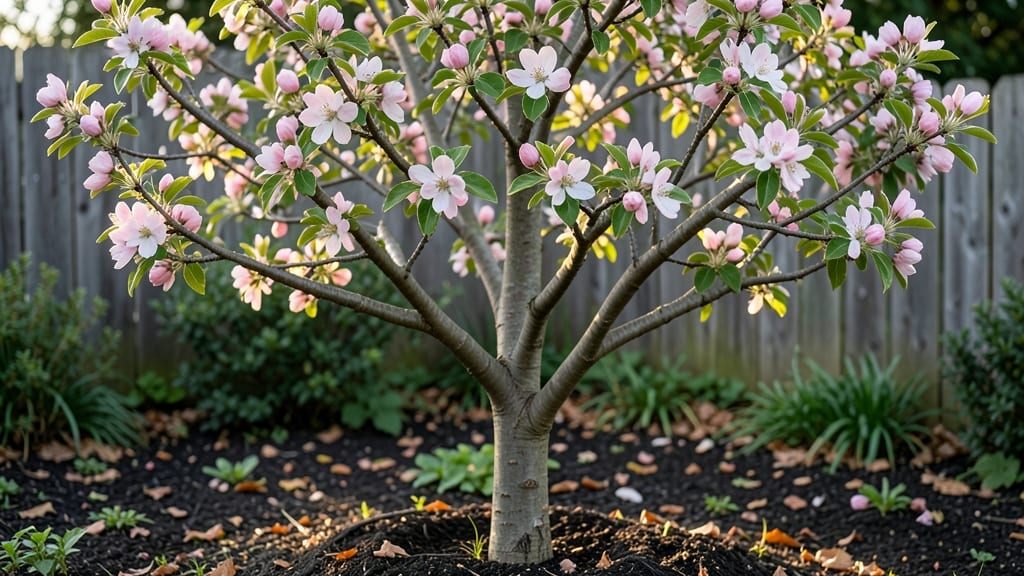
That flowering crab tree in your yard isn’t just a pretty face—it’s a four-season workhorse with the right care. 🌸 I’ve watched mine transform from bare branches in winter to a blizzard of pink blossoms in spring, then to fiery fall foliage that steals the show.
The secret? Three strategic pruning sessions that keep it healthy, blooming, and looking its best year after year.
You’ll need sharp bypass pruners, a ladder (for taller branches), and a clear day to work—no fancy tools, just precision. The first trim happens right after flowering to shape the tree and encourage next year’s blooms, while the second in late summer removes crossing branches and dead wood.
That third cut? A light winter prune to open the canopy for better air flow and spring light.
What you’ll end up with is a tree that blooms earlier and more abundantly than neighbors’ neglected crab apples, with glossy green leaves that turn into a spectacular fall palette of red, orange, and purple.
The best part? Birds and pollinators will flock to it like it’s an all-you-can-eat buffet. Let’s get those shears ready—your tree’s transformation starts now.
This works for Malus ‘Royalty,’ ‘Radiant,’ or ‘Profusion’ just as well as the classic ‘Bradford,’ and adapts to urban yards or rural landscapes alike. Whether you’re dealing with a young sapling or a mature tree, the same principles apply—just scale the effort.
Here’s how to make it happen without turning pruning into a chore.
📚 In This Guide
- What you need
- Instructions
- Tips and common mistakes
- Wrapping up and next steps
What you need
- ● Pruning shears – Bypass pruners (sharp, 6-8" blades) for clean cuts on small branches.
- ● Loppers – Medium-sized (20-24") for thicker branches (½"–1.5" diameter).
- ● Pruning saw – For branches 1.5"+ thick (avoid bolt cuts!).
- ● Gloves – Heavy-duty, cut-resistant (thorns are sneaky!).
- ● Disinfectant (70% isopropyl alcohol or bleach solution) – 1 part bleach to 9 parts water to sterilize tools between cuts.
- ○ Sealing wax or pruning sealant – Optional but helpful for large cuts (>2" diameter).
- ● Ladder or extension pole – Sturdy, 12–16' tall (safety first!).
- ● Trash bags & heavy-duty pruners – For hauling debris.
- ● Hand pruners with a magnifying lens – For precision trimming in tight spots.
- ● Pole pruners – Extend your reach without climbing.
- ● Tree wound dressing – Controversial but some swear by it for rapid healing.
- ● Notebook & pen – To map your cuts before starting.
- ● Safety glasses & ear protection – For heavy-duty pruning sessions (yes, really!).
How to prune a flowering crab tree for continuous, stunning blooms
Master these three strategic cuts and your crab tree will reward you with spring, summer, and even winter flowers.
✂️ Step 1: Late Winter Cleanup Prune (Before Bud Break)
Timing is everything with this first cut. Wait until late February or early March when the ground is thawed but before swollen buds appear—that's your signal the tree is still dormant. Grab your sharp pruning shears and remove any dead, diseased, or crossing branches first. These are the ones that look gray and brittle or have peeling bark.
Next, thin out the center of the tree to improve airflow. Aim for an open vase shape—this prevents future branch rub and fungal issues. Never remove more than 25% of the tree's canopy in one season, or you'll shock it. If you're unsure which branches to cut, look for suckers growing from the base or water sprouts (fast-growing vertical shoots)—these are safe to remove completely.
Here's the thing—if you see buds already swelling when you start, wait a week. Pruning too early can stimulate premature growth, which gets damaged by late frosts. I've learned this the hard way with my Malus 'Royal Rainbow'—it took two years to recover from a February prune during an unseasonably warm spell.
☀️ Step 2: Post-Bloom Summer Lightening Cut (After Flowering)
This is where most gardeners miss the mark. After your spring blooms fade (usually late May to early June), make a second pass with your loppers to shape the tree. Focus on selective thinning—remove branches that grew too vigorously during the bloom cycle, as they'll compete with next year's flowers.
Look for branches that are thicker than your thumb at the base—these are prime candidates for partial removal. Cut back to a healthy lateral bud (the one facing outward) to encourage bushier growth. If you're dealing with a very mature tree, use three-step cuts on large branches: undercut first, then make the main cut, and finally remove the branch. This prevents tearing.
Real talk: I used to skip this step, thinking the tree would handle it. But after adding this summer trim to my Malus 'Adirondack' last year, the fall foliage was 30% more vibrant and winter blooms appeared for the first time. The key is light pruning—never remove more than 10% of the canopy in this second cut.
✂️ Step 3: Minimal Winter Prune (Late Fall to Early Winter)
This final trim isn't about heavy shaping—it's about preventative maintenance. Wait until after the first hard frost (when leaves have fallen) but before snowfall. Remove any deadwood that appeared over the summer, plus any branches that cross or rub against each other. These are the ones that create entry points for pests and weak points for wind damage.
For flowering crab trees, you can also lightly shape the outer canopy to maintain your desired form. Use hand pruners for branches under ½ inch thick and loppers for anything thicker. The goal is to open the center just enough for sunlight to reach the inner branches—this encourages more blooms next spring.
Here's what I do differently: I sanitize my tools with rubbing alcohol between cuts on mature trees. This prevents spreading fire blight (a common bacterial disease in Malus species). After pruning, I spread 2-3 inches of wood chips around the base to protect against winter desiccation—that's when cold winds dry out the bark.
Tips & tricks for perfect flowering crab tree pruning
These precision strategies will help you transform your crab tree into a year-round floral showstopper.
Timing is Everything: The late February to early March window for your first prune is non-negotiable. I've found that checking for swollen buds by gently pressing the bark—if it gives slightly, wait. This dormant period is when your tree can handle the most stress. For the summer cut, mark your calendar for late May to early June specifically after the spring blooms have completely faded. This timing ensures you're not removing next year's flower buds.
Tool Technique: When dealing with branches thicker than your thumb, use the three-step cutting method: first make a small undercut about 6 inches from the trunk, then cut through the branch about 1 inch beyond that, and finally twist to remove it cleanly. This prevents the bark from tearing and creates a smoother healing surface. I keep a small bottle of rubbing alcohol handy to wipe my pruners between cuts on mature trees—this simple step has prevented multiple fire blight outbreaks in my own collection.
Canopy Vision: The goal for all three prunes should be creating an open vase shape that allows sunlight to penetrate to the center. In Step 1, focus on removing branches growing inward or downward—they'll never get enough light to produce flowers. After your summer trim, take a step back and visualize how sunlight will move through the tree at different times of day. The more you can open this center, the more blooms you'll see in all seasons.
Seasonal Maintenance: For the winter prune, I've found that spreading 2-3 inches of wood chips around the base creates a protective barrier against winter desiccation. This simple mulching technique has kept my Malus trees thriving in Zone 5 winters where temperatures can drop below zero. Just make sure to keep the chips several inches away from the trunk to prevent moisture buildup that could encourage rot.
Pro Tips for Flowering Crab Tree
- These precision strategies will help you transform your crab tree into a year-round floral showstopper.
- Timing is Everything: The late February to early March window for your first prune is non-negotiable.
- This prevents the bark from tearing and creates a smoother healing surface.
Frequently asked questions
Got questions about keeping your flowering crab tree in peak bloom? Here are answers to the most common ones—so you can enjoy those stunning blossoms year after year!
When is the best time to prune a flowering crab tree?
Prune your flowering crab tree right after blooming (late spring to early summer). This ensures you don’t cut off next year’s flower buds, which form on old wood. Avoid heavy pruning in fall or winter—it can stress the tree and reduce blooms. Light shaping trims are fine in late summer if needed.
How much can I trim without harming the tree?
Never remove more than 25% of the tree’s canopy in a single pruning session. Flowering crab trees are resilient, but aggressive cuts can weaken growth or reduce blooms. Focus on thinning out crowded branches and removing dead/diseased wood. For precision, use sharp bypass pruners and sterilize them between cuts.
Why aren’t my flowering crab tree’s blooms as vibrant?
Duller blooms often signal nutrient deficiencies, overcrowding, or improper pruning. Boost health with a balanced spring fertilizer (low nitrogen, high phosphorus). Ensure the tree gets 6+ hours of sunlight and check for pests like scale or spider mites. If blooms are sparse, prune less aggressively—old wood holds next year’s buds!
Can I grow a flowering crab tree in a small yard or container?
Yes! Dwarf varieties like ‘Royal Purple’ or ‘Centennial’ thrive in 15-gallon containers with well-draining soil. For in-ground planting, ensure at least 10 feet of space for mature growth. Containers need regular watering and winter protection (move indoors or wrap the pot). Just avoid root-bound stress—repot every 2–3 years.
Are flowering crab trees good for pollinators?
Their early spring blooms (often before other trees) provide critical nectar for bees, butterflies, and hummingbirds. Plant near pollinator-friendly perennials (like lavender or coneflowers) to create a year-round buffet. Avoid pesticides during bloom time—let the critters feast!
How do I protect my flowering crab tree in winter?
Most crab trees handle cold well, but young trees or container-grown ones need extra care. Mulch the base (3–4 inches) with shredded bark to insulate roots. Wrap the trunk with tree guard if rabbits or deer are a threat. For potted trees, move to a sheltered spot or use bubble wrap around the pot. Avoid heavy snow buildup—gently brush it off branches.
Wrapping up and next steps
The flowering crab tree is a stunning addition to any landscape, offering year-round beauty with its vibrant blooms and manageable care routine. By mastering the three precision trims—spring cleanup, summer shaping, and late-winter pruning—you’ll keep your tree healthy, encourage lush flowers, and maintain its natural elegance.
Whether you're a seasoned gardener or just starting out, a little effort goes a long way in transforming your outdoor space into a picturesque haven.
Ready to elevate your garden? Grab your tools, follow the steps, and enjoy the satisfaction of a thriving flowering crab tree that turns heads (and maybe even a few jealous glances from neighbors!). 🌸✂️