
Shrubs
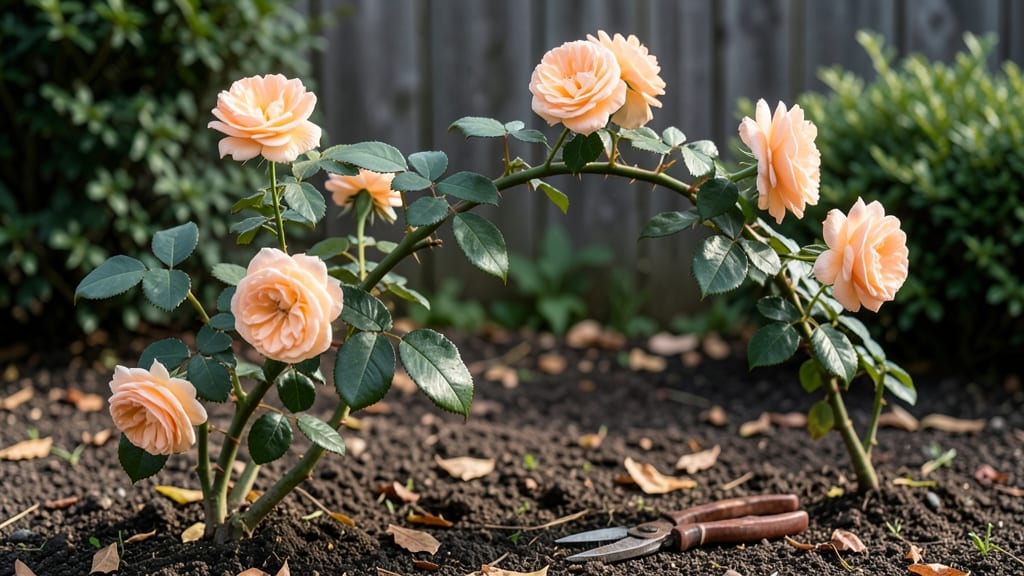
Peach-hued blooms that smell like a spring morning—the Flowering Peach Corinthian Rose delivers fragrance even when most roses take a winter nap.
I’ve grown this variety for three seasons, and its secret lies in precise pruning that keeps it blooming from early summer through frost, with occasional surprises in mild winters.
The key to its magic starts with 6-8 hours of full sun daily and well-draining soil mixed with compost. Water deeply once a week (more in extreme heat), but avoid soggy roots—this rose hates wet feet.
The real game-changer? Pruning in three stages: clean up winter damage in early spring, shape after the first flush of blooms, and do a light trim in late summer to encourage fall flowers.
By summer’s end, you’ll have a bush covered in velvety peach blooms that perfume the air, with glossy dark green leaves that stay disease-resistant if you keep it healthy.
The fragrance is rich enough to fill a patio, and the blooms last longer than most hybrid teas—cut a few for vases, and the plant just keeps producing.
Works beautifully as a standalone shrub, in mixed borders, or even in containers with proper drainage. The only downside? It’s a magnet for Japanese beetles—spray neem oil early if they show up. Here’s how to keep it thriving all year.
📚 In This Guide
- What you need
- Instructions
- Tips and common mistakes
- Wrapping up and next steps
What you need
- ● Flowering Peach Corinthian Rose Plant: 1 healthy, disease-free sapling (bare-root or potted, 1-2 years old).
- ● Well-draining soil: Mix of 60% topsoil, 30% compost, and 10% perlite or coarse sand (1 cubic yard for planting).
- ● Sunlight: Full sun (6+ hours daily) or partial shade (4-6 hours) in hot climates.
- ● Watering can or hose: With a gentle spray nozzle for hydration.
- ● Fertilizer: Balanced 10-10-10 or rose-specific fertilizer (1 lb per plant, applied 2-3 times/year).
- ● Mulch: 2-3 inches of organic mulch (e.g., wood chips or straw) to retain moisture.
- ● Pruning shears: Sharp, bypass-style shears (sterilized with rubbing alcohol).
- ● Gloves: Heavy-duty gardening gloves (to protect from thorns).
- ● Trowel or spade: For digging planting holes (12-18 inches deep).
- ● Measuring tape: To ensure proper spacing (3-5 feet between plants).
- ○ Staking system (optional): For young plants in windy areas (3-4 ft bamboo stakes + soft ties).
- ○ Pruning sealant (optional):strong> For large cuts (e.g., pruning wax) to prevent disease.
- ● Hardiness Zone: 6-9 (USDA). Protect from frost with burlap wraps if in Zone 5 or colder.
- ● Timing: Plant in early spring (after last frost) or fall (6 weeks before first frost).
- ● pH Level: Slightly acidic to neutral soil (6.0-7.0). Test with a soil kit if unsure.
- ● Disease Resistance: Ensure your plant isn’t near black spot-prone roses (keep 3+ ft apart).
Instructions for cultivating a fragrant Peach Corinthian rose
Here's how to coax year-round blooms from this classic climber with minimal fuss.
Choose the Right Location and Plant
Peach Corinthian roses thrive where they get at least 6 hours of sunlight daily, though they'll tolerate partial shade in hotter climates. I always plant mine against a sturdy trellis or fence—this variety can grow 15-20 feet tall if left unchecked. The key is positioning it where the fragrance drifts naturally toward seating areas or walkways.
Dig a hole twice as wide as the root ball but only as deep as the container it came in. Amend the native soil with 2-3 inches of compost mixed into the bottom of the hole. This ensures good drainage while retaining moisture—critical for the first year of growth. Gently remove the plant from its container and place it in the hole, backfilling with soil while firming it lightly around the roots.
Water Deeply and Establish a Routine
After planting, water deeply until the soil is moist 12 inches down. You'll know you've done enough when water runs out the drainage holes. For the first 4-6 weeks, keep the soil consistently moist—not soggy, not bone-dry. Let the top 2 inches of soil dry out between waterings once the plant is established.
I set a reminder for every 3-4 days during summer heat waves. Overwatering is the fastest way to kill these roses—yellowing leaves or blackened stems are sure signs you're drowning the roots. Mulch with 2-3 inches of organic mulch (like shredded bark) around the base to retain moisture and regulate soil temperature.
Prune for Continuous Blooms
The secret to year-round fragrance lies in strategic pruning. In early spring, remove any dead or crossing branches first. Then, cut back last year's growth by one-third to encourage new, vigorous shoots. This is when you'll see the peach-hued buds forming—your reward for precise cuts.
Throughout the growing season, deadhead spent blooms immediately after they fade. This simple step prevents seed formation and redirects the plant's energy into producing more flowers. In late summer, give the rose a light trim to shape it and remove any leggy growth. Avoid heavy pruning after mid-August, as new growth won't harden off before winter.
Feed and Protect for Longevity
Feed your Peach Corinthian rose with a balanced rose fertilizer (10-10-10) in early spring and again in early summer. Follow the package instructions, but I always halve the recommended dose—these roses are sensitive to over-fertilization, which can lead to weak, disease-prone growth. Water the plant deeply before applying fertilizer to prevent root burn.
Watch for black spot or powdery mildew on the leaves. If you spot these, remove infected leaves immediately and treat with a copper fungicide or neem oil spray. I've found that good air circulation—achieved by proper spacing and pruning—reduces fungal issues dramatically. In colder climates, wrap the base of the plant with burlap in late fall to protect it from freezing temperatures.
Tips & tricks for perfect Peach Corinthian rose cultivation
Here's what nobody tells you about keeping these fragrant climbers blooming all year.
Location is Everything: That 6 hours of sunlight isn't just a minimum—it's the sweet spot for peak fragrance. In hotter regions, I've found positioning the trellis on the east side of buildings actually extends the morning sun exposure while protecting from harsh afternoon rays. The fragrance intensity drops noticeably when plants get less than 5 hours daily, so don't skimp on placement.
Pruning Precision Pays Off: When you cut back last year's growth by one-third in Step 3, make those cuts just above an outward-facing bud. I've seen gardeners make the mistake of cutting too close to the bud or at an angle—this creates weak growth points. Use sharp pruners and clean cuts at a 45-degree angle about 1/4 inch above the bud for maximum flower production. The peach-hued buds you'll see forming are your reward for getting this right.
Watering Wisdom: The 12 inches of deep watering in Step 2 might seem excessive, but it's crucial for establishing strong roots. I've learned the hard way that shallow watering leads to surface roots that dry out quickly. After the initial 4-6 weeks, let the top 2 inches dry between waterings—this mimics natural rainfall patterns and prevents root rot. The mulch layer helps maintain this moisture balance without the guesswork.
Fertilizer Finesse: Halving that 10-10-10 fertilizer dose might seem counterintuitive, but these roses are sensitive to salt buildup from over-fertilization. I've noticed plants treated with full doses often develop weak stems and more fungal issues. Always water deeply before applying fertilizer to help prevent root burn, and consider using a slow-release fertilizer for even more consistent results.
Pro Tips for Flowering Peach Corinthian Rose
- Here's what nobody tells you about keeping these fragrant climbers blooming all year.
- Location is Everything: That 6 hours of sunlight isn't just a minimum—it's the sweet spot for peak fragrance.
- Pruning Precision Pays Off: When you cut back last year's growth by one-third in Step 3, make those cuts just above an outward-facing bud.
Frequently asked questions
When is the best time to prune my Corinthian Rose for continuous blooms?
The ideal time to prune is late winter or early spring (just before new growth starts) and again right after flowering. This two-step approach encourages new, fragrant blooms while maintaining the shrub’s shape. Avoid heavy pruning in fall—it can stress the plant before winter.
How much can I cut back without harming the plant?
You can safely remove up to one-third of the plant’s height in a single pruning session. For mature shrubs, focus on dead, diseased, or crossing branches first. Thin out older wood to promote airflow and reduce pests. Never prune more than 25% of the foliage at once—this keeps the plant healthy and blooming!
Why isn’t my Corinthian Rose flowering as much as expected?
Lack of blooms often stems from over-fertilizing with high-nitrogen feeds, poor sunlight, or pruning at the wrong time. Ensure it gets 6+ hours of sun daily and use a balanced bloom-boosting fertilizer (like 10-10-10). Also, check for pests like aphids or spider mites, which can weaken the plant.
Can I grow a Flowering Peach Corinthian Rose in a pot?
Yes! Just choose a large container (at least 18 inches deep) with drainage holes and use well-draining potting mix. Place it in full sun and water regularly—potted roses dry out faster. Repot every 2-3 years to refresh the soil and encourage vigorous growth.
What are some fragrant alternatives if my Corinthian Rose struggles in my climate?
If your zone is too harsh, try these fragrant, low-maintenance shrubs:
- Dwarf Gardenia – Creamy blooms, sweet scent, thrives in shade.
- Lavender – Drought-tolerant, purple spikes, calming aroma.
- Mock Orange (Philadelphus) – Highly fragrant white flowers, loves sun.
- Jasmine (Trachelospermum) – Evergreen, night-blooming, and hardy.
Wrapping up and next steps
Transforming your Flowering Peach Corinthian Rose into a year-round fragrant beauty is totally within reach—with the right pruning techniques and a dash of patience! 🌸 By mastering seasonal trims, you’ve unlocked a shrub that rewards you with stunning blooms and intoxicating scents no matter the season.
Whether you’re a gardening newbie or a seasoned green thumb, every snip brings you closer to a lush, thriving garden oasis.
Ready to take the next step? Start small:
- 📅 Schedule your first post-bloom trim—mark your calendar now!
- 🌱 Experiment with a single branch to practice precision cuts before tackling the whole shrub.
- 📸 Document your progress! Snap photos of your pruning journey for a satisfying before-and-after.